

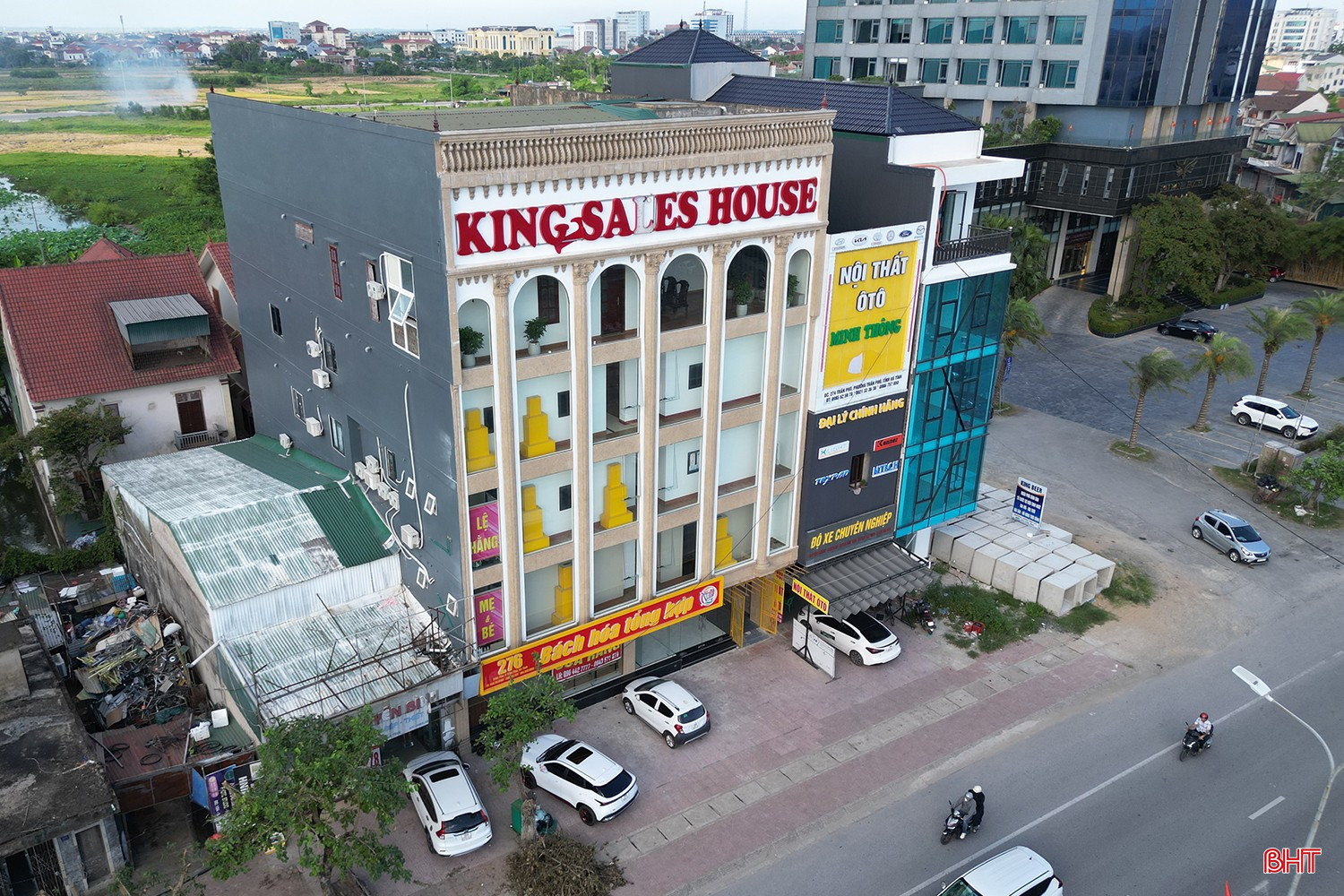
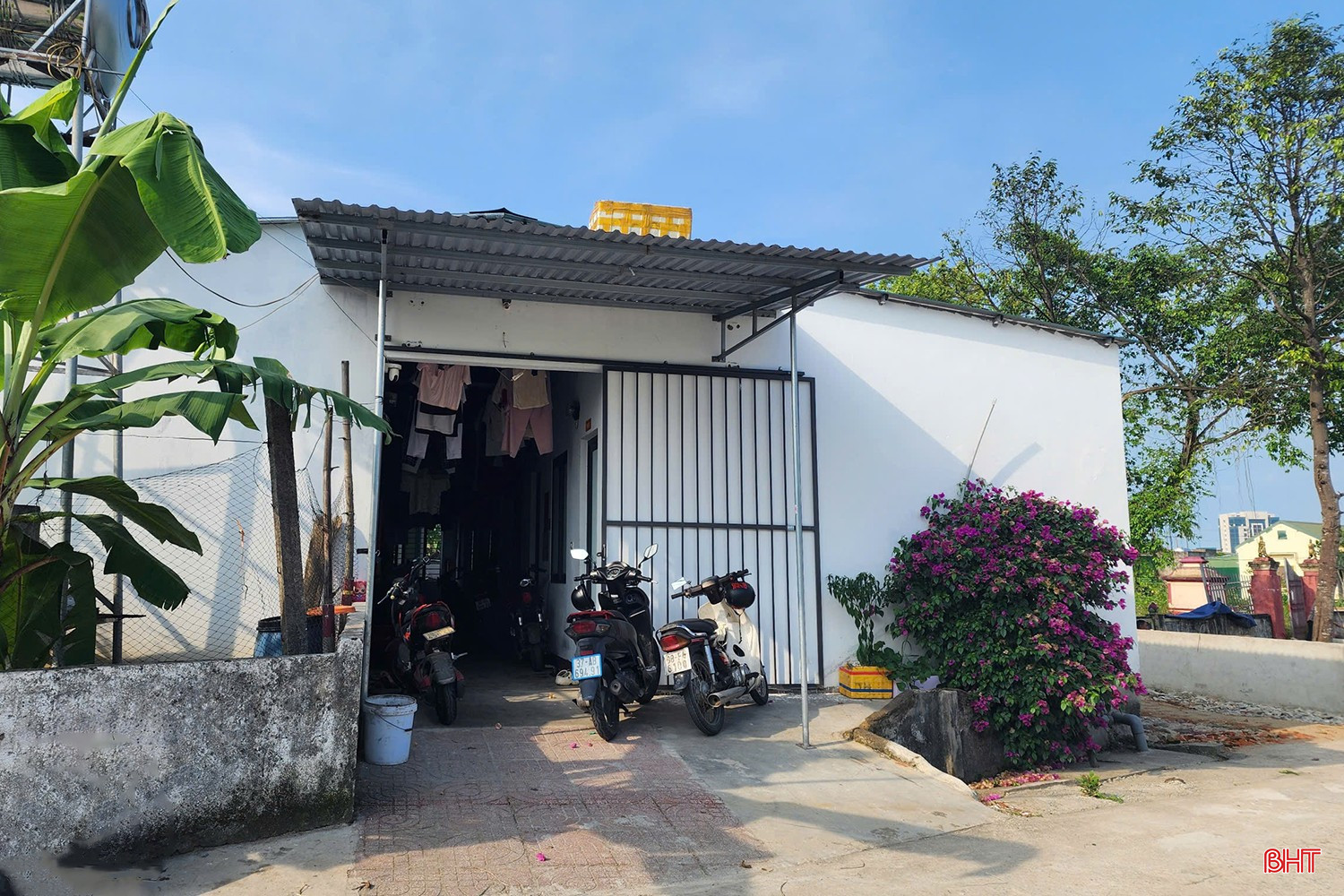
The Kingsales House apartment complex (Thanh Sen ward) has 24 rental rooms, each equipped with its own electricity meter to monitor monthly electricity consumption. According to the landlord, the electricity price applied to tenants is 5,500 VND/kWh.
In a statement sent to tenants, the property owner said that the entire apartment building uses a three-phase electrical system to meet the building's overall operating needs. In addition to the electricity used by each room, the electricity cost also includes lighting for hallways and stairwells, elevator operation, and other shared equipment. According to the owner, this price is applied to cover the actual operating costs of the apartment complex.

Meanwhile, at another mini-apartment building for rent in Tran Chau area not far away, which also uses a 3-phase electrical system, is equipped with an elevator, and provides electricity for common areas, the electricity price applied to tenants is 3,500 VND/kWh. This reality shows that electricity prices in rental apartments are still being calculated in a "different price per location" manner.
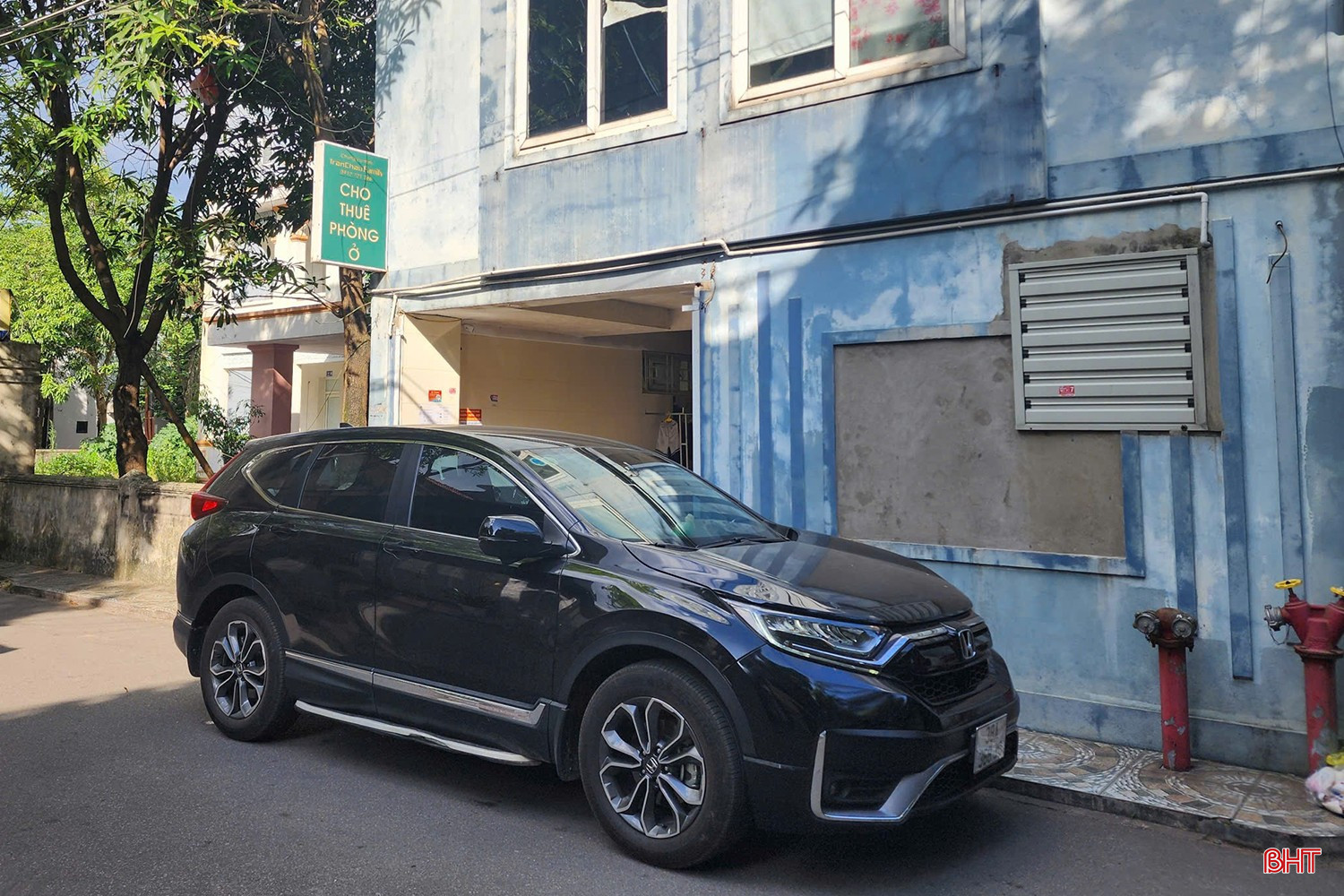
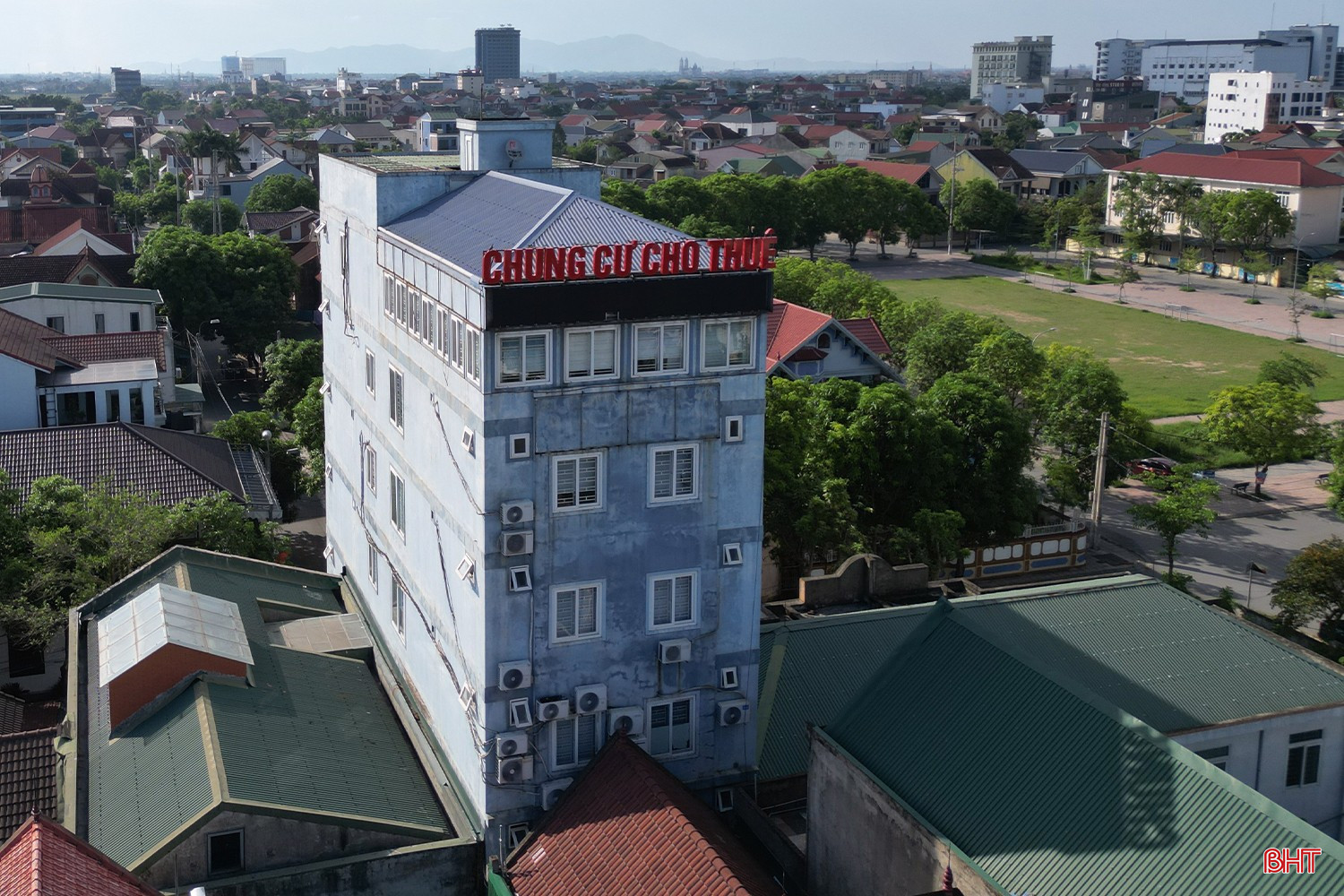
Not only in apartment buildings and mini-apartments, but also in many low-cost rental housing areas for students, workers, and freelancers in Ha Tinh province, electricity prices are being charged at a relatively high rate. Even though rent only ranges from 1 to 1.5 million VND per month, electricity prices in many places are far from "affordable".
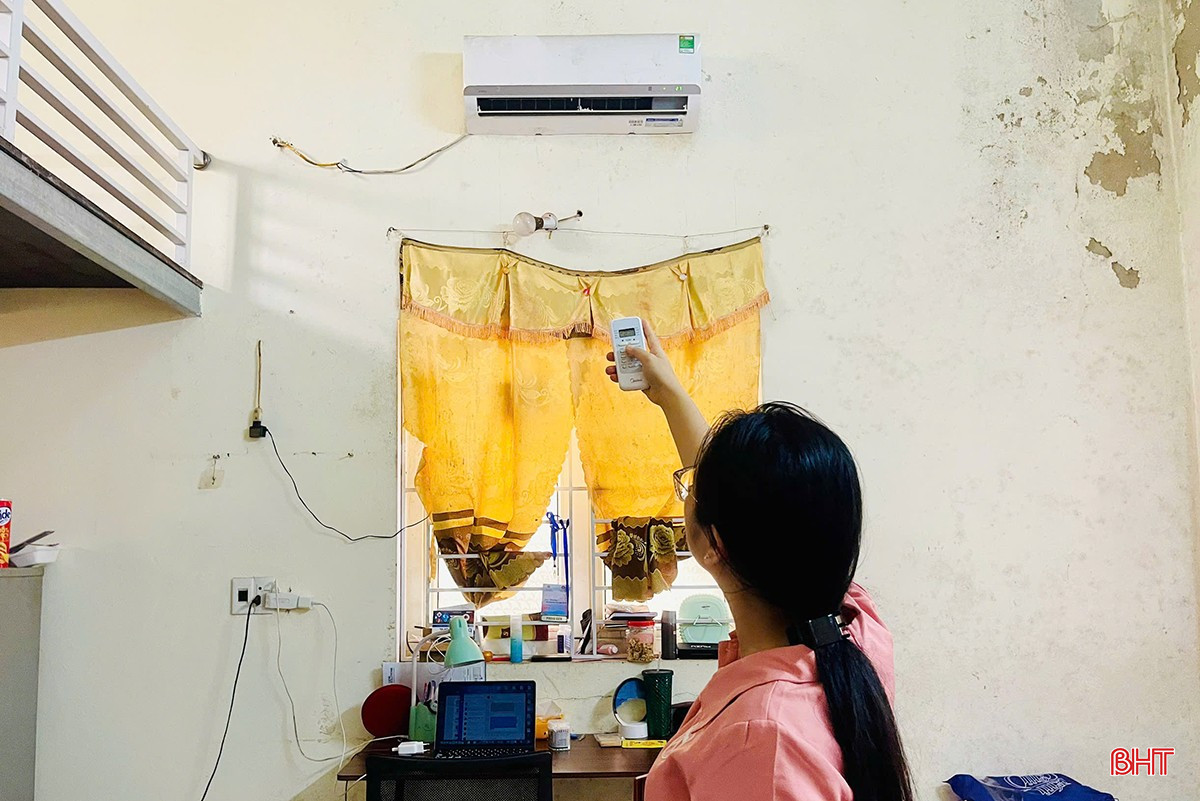
Surveys conducted in several boarding houses near schools and areas with a high concentration of workers show that the prevailing electricity price currently ranges from 3,500 to 4,000 VND/kWh. In many places, electricity prices are still mainly calculated based on "verbal agreements," with tenants often paying the price announced by the landlord without rarely comparing it to current regulations.
Nguyen Thi Mai (a student renting a room in Cam Binh commune) shared: “We have to carefully budget for rent, but the electricity price in the rented area is still quite high. The landlord announces a rate of 4,000 VND/kWh, and tenants have to pay accordingly. Students renting rooms rarely question it because they are afraid of having difficulty renewing their lease or affecting their relationship with the landlord.”
Given the reality that electricity prices vary widely in many rental housing areas, Government Decree 133/2026/ND-CP on administrative penalties in the electricity sector has added regulations for penalizing the act of charging tenants for electricity at a price higher than the rate set by the State.
Specifically, according to Clause 7, Article 13 of Decree 133/2026/ND-CP dated April 6, 2026 (effective from May 25, 2026), landlords who charge tenants for electricity at a rate higher than the regulated price when purchasing electricity at the retail price for domestic use may be fined from 20 to 30 million VND.
The new regulations are expected to help tighten the management of electricity bill collection in boarding houses and rental apartments; at the same time, limit the lack of transparency in electricity bill collection and better protect the rights of workers, students, and laborers renting accommodation.
A representative from the Ha Tinh Power Company stated that the sale of electricity to tenants is currently carried out according to regulations from the Ministry of Industry and Trade, with specific guidelines for each type of rental property. However, in reality, many tenants are still unaware of their rights and how the residential electricity consumption quotas for rented properties are applied.
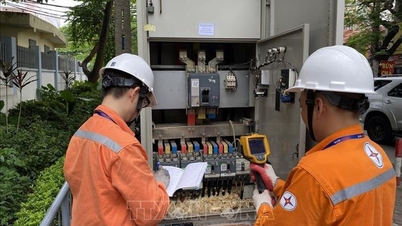
Mr. Le Long Khanh, Head of Business Department, Ha Tinh Power Company, stated: “For cases where the homeowner fully declares the number of tenants, the power company will base the electricity consumption rate on residential information as regulated. When discovering any illegal electricity billing practices, residents can report it to the commune-level People's Committee or the power company for inspection and guidance on how to handle the situation.”
Decree 133/2026/ND-CP is considered a necessary step to tighten regulations and bring order and transparency to electricity bill collection in rental housing areas. However, for the regulation to be effective in practice, along with increased inspection and handling of violations, it is crucial that tenants have full access to information about their rights. Electricity prices calculated correctly, publicly, and transparently will not only help reduce the financial burden on students, workers, and laborers but also create a more stable and equitable rental environment.
How electricity prices are calculated for tenants.
According to points a and b of Clause 5, Article 12 of Circular 60/2025/TT-BCT dated December 2, 2025; Point c of Clause 4, Article 10 of Circular No. 16/2014/TT-BCT dated May 29, 2014 (as amended by Clause 5, Article 1 of Circular No. 25/2018/TT-BCT and Clause 2, Article 2 of Circular No. 09/2023/TT-BCT).
- Only one electricity purchase contract is allowed per rental property; the landlord is responsible for providing the tenant's residential information.
- In the case of renting a house to a family, each household is allocated a separate electricity consumption quota.
- For students and workers renting accommodation:
+ If you rent for 12 months or more and have registered temporary or permanent residence, the standard electricity rate for residential use will apply.
+ If the rental period is less than 12 months and the landlord does not fully declare the number of electricity users, the retail price of electricity for residential use at tier 3 (101-200 kWh at 2,380 VND/kWh) will be applied to the entire electricity consumption recorded by the meter.
+ If the landlord declares the full number of tenants, then every four people will be counted as one household for the purpose of applying the residential electricity price.
+ Landlords are responsible for notifying tenants when the number of tenants changes so that electricity consumption limits can be adjusted; they are also prohibited from charging more for electricity than the rates set by the State.
Source: https://baohatinh.vn/quy-dinh-moi-se-cham-dut-loan-gia-dien-nha-tro-post310772.html





































































































Comment (0)