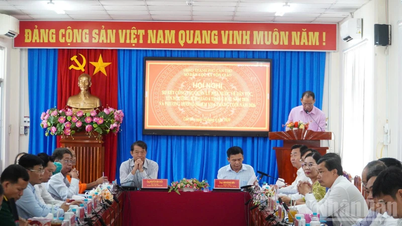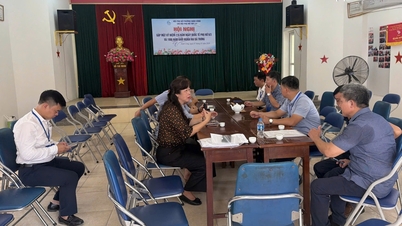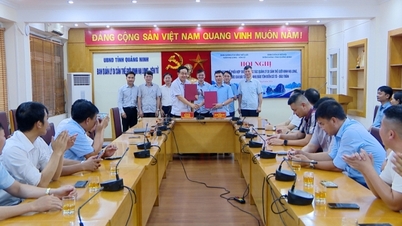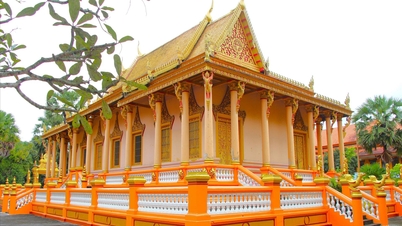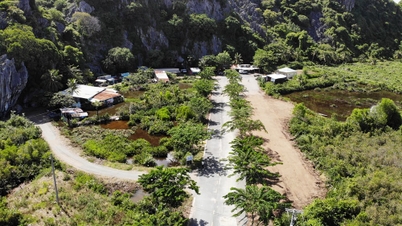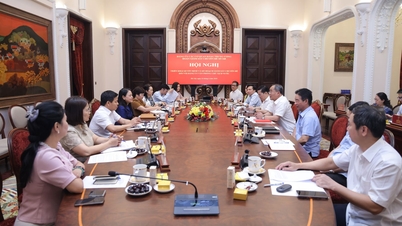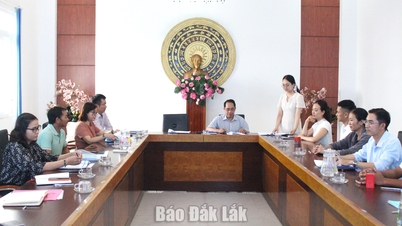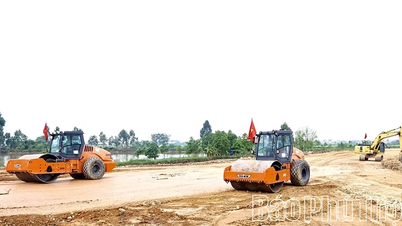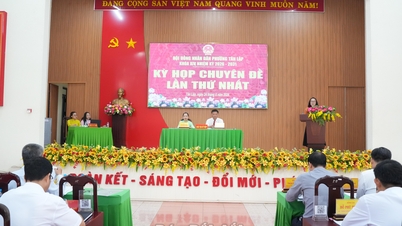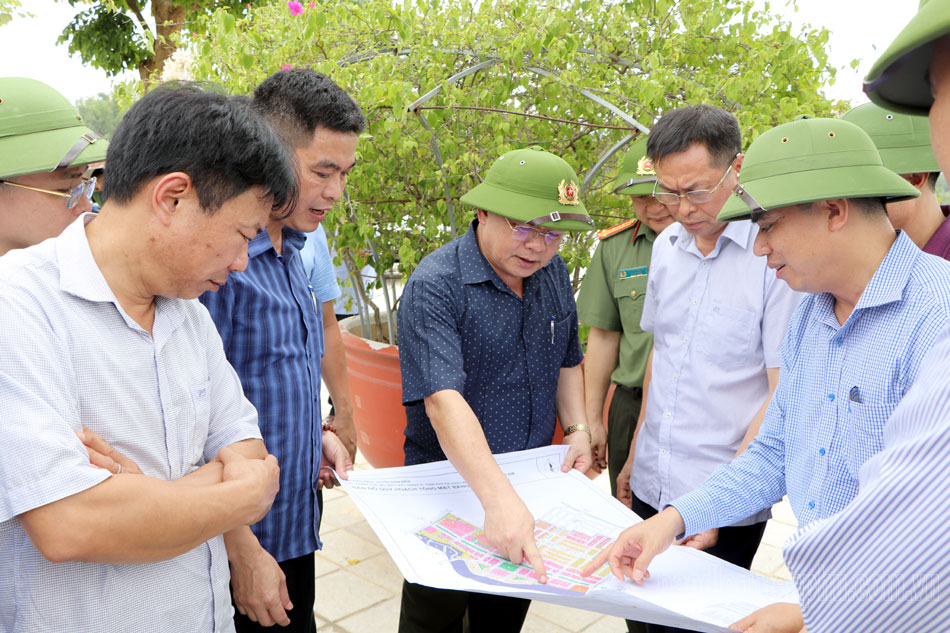
Currently, Dien Bien province has 7 urban areas. Between 2015 and 2023, the People's Committees at all levels approved 76 construction planning projects, including 24 revised projects; 2 urban zoning plans; 31 detailed urban planning projects; and 19 new rural construction planning projects. Thanks to the intensified efforts in construction planning and investment in infrastructure for residential areas and new urban areas, the urban and rural landscapes of the province have undergone significant changes.
However, Dien Bien is a mountainous province with a highly fragmented terrain, making it less favorable for urban and rural planning and development. Furthermore, as a poor province, funding for planning, management, and investment in construction is very limited; large-scale excavation and embankment projects for land reclamation often negatively impact the natural environment. Meanwhile, urban planning is a complex field requiring in-depth, multi-disciplinary collaboration.
Furthermore, urban planning and development, as well as the construction of technical and social infrastructure, are still slow and incomplete; targets for infrastructure development and urban landscape architecture are not being met. Urban management, development, and environmental protection have been strengthened but have not kept pace with or met the demands of development trends; the urban planning coverage rate remains low.
Resources allocated to renovation, investment, and development of basic economic , technical, and social infrastructure, as well as addressing issues related to climate change adaptation, flooding, and landslides, remain limited. During the period 2015-2023, the total value of investment capital for planning and construction was over 55.1 billion VND.
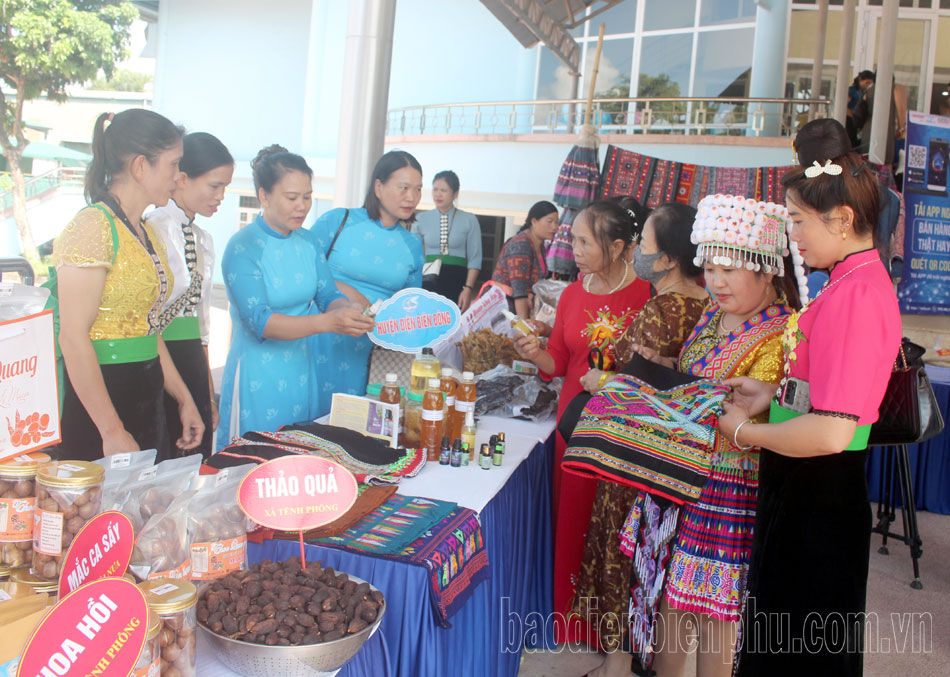


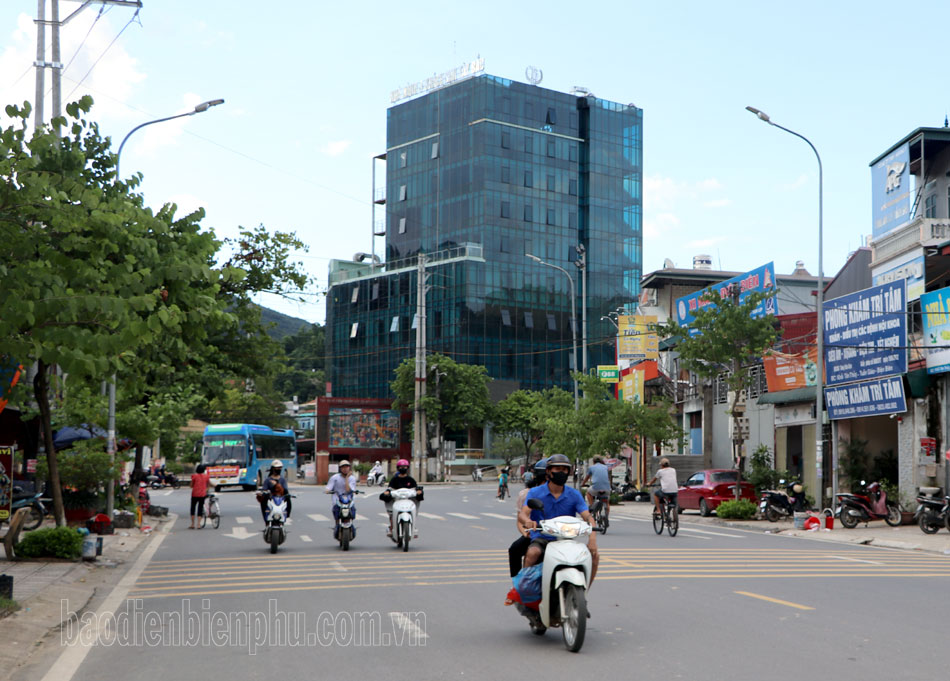
These reasons have led to limitations in urban planning and construction projects in the province over the past years. For example, in the organization and implementation of urban planning, inspections of the process of reviewing and issuing planning permits revealed that some departments and localities did not solicit opinions from relevant units; they lacked reports on legal entities and financial capacity to implement projects as required. The time and content of public announcements of planning were also slow; regulations governing the management of urban planning projects and urban designs were not publicly disclosed.
Furthermore, compliance with the law in the preparation, appraisal, approval, and adjustment of construction planning in some planning projects remains inadequate. For example: The adjusted detailed construction planning project at a scale of 1/500 for the central area of Pú Tỉu district, Điện Biên district, is not fully compliant; the preparation of the planning task and detailed planning project lacks complete content in some appendices accompanying the explanatory notes (explanations, justifications, supplementary arguments for the explanatory notes, and calculation data). The appendix includes relevant legal documents; the projected population size in the detailed planning project lacks complete explanation and calculation. The placement of construction boundary markers and other designated boundary markers in the field still has many limitations.
Regarding the public disclosure of planning documents as required, the investor has not urged the competent agencies and units to make them public, such as: the project for partial adjustment of the detailed planning at a scale of 1/500 for the existing central area of Dien Bien Phu City, from Hill E to White Bridge; and the project for partial adjustment of the detailed planning at a scale of 1/500 for the administrative and political center in the new urban area east of Dien Bien Phu City.
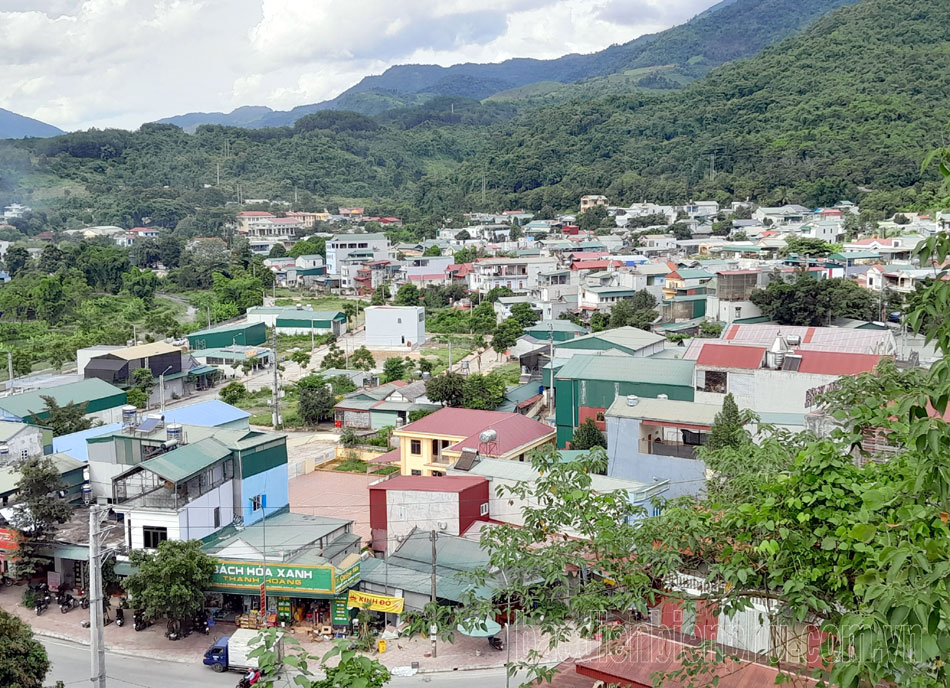
Furthermore, some legal regulations regarding planning and construction planning are unclear, inconsistent, or lacking in specificity; some aspects are still largely formalistic, failing to prioritize the participation of local communities and the critical feedback of socio-political and professional organizations to ensure the feasibility of the plans. This leads to many difficulties and obstacles in the implementation process.


Some aspects of the planning, appraisal, approval, and adjustment process have not complied with regulations, such as: slow approval times for planning tasks and planning project preparation; planning outside designated boundaries; incorrect drawing scales; inconsistent drawings; failure to establish a planning appraisal council; lack of input from the local community on urban planning tasks; incomplete documentation for planning adjustments as required; and missing drawing components in the planning product documentation.
To overcome limitations, meet the requirements of urban and rural development, and promote investment attraction, the Provincial People's Committee directs relevant agencies at all levels to improve the quality of planning and management of construction plans; and to promptly publish and make plans public. Focus on implementing detailed planning projects as a basis for urban architectural management and the preparation of construction investment projects; strictly manage the architecture of buildings in terms of form, scale, materials, basic design appraisal, construction design appraisal, planning permits, and construction permits.
Source: https://baodienbienphu.com.vn/tin-tuc/kinh-te/217341/quy-hoach-xay-dung-con-nhieu-vuong-mac
![[Photo] Overview of the renovation and upgrading of the Ho Chi Minh Museum - Ho Chi Minh City Branch](https://vphoto.vietnam.vn/thumb/1200x675/vietnam/resource/IMAGE/2026/06/24/1782287051250_ndo_br_01-jpg.webp)

![[Image] Paris's oldest bridge goes viral after transforming into a giant cave.](https://vphoto.vietnam.vn/thumb/1200x675/vietnam/resource/IMAGE/2026/06/24/1782283441197_ndo_br_dsc05314-jpg.webp)

![[Photo] Opening Ceremony of the 13th National Congress of the Ho Chi Minh Communist Youth Union](https://vphoto.vietnam.vn/thumb/1200x675/vietnam/resource/IMAGE/2026/06/24/1782286753905_ndo_br_1-8510-jpg.webp)