

 |
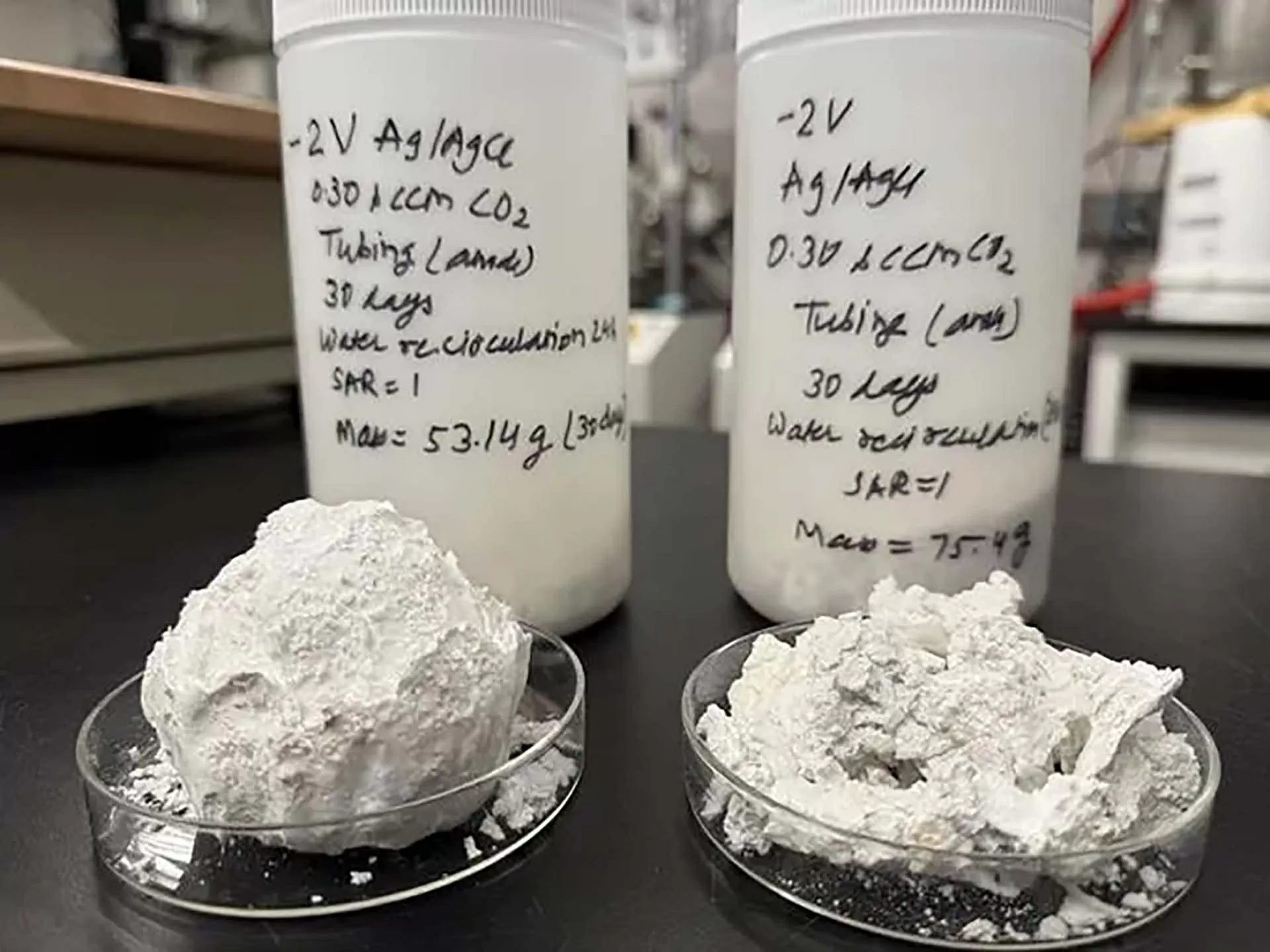
| Electrolysis of seawater could be a carbon-free method for producing cement and other building materials. (Source: Northwestern University) |
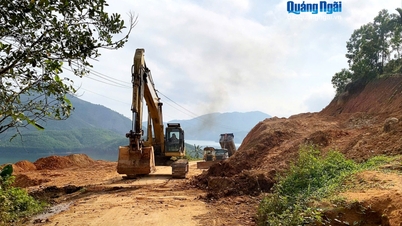
According to the report, the cement industry currently contributes about 8% of global CO₂ emissions, making it the world's fourth-largest source of emissions, mainly due to the extraction of raw materials from mountains, rivers, and the seabed.
Faced with this situation, researchers at Northwestern University (USA), in collaboration with the innovation department of Cemex Cement Group in Switzerland, developed a more environmentally friendly type of cement. They used seawater electrolysis (a method of separating water molecules using electricity) to produce hydrogen, chlorine, oxygen, and especially calcium carbonate (CaCO₃), the main ingredient for cement.
In the experiment, the team immersed electrodes in seawater, adjusted the voltage, and injected CO₂ at different speeds and volumes to control the pH. This fine-tuning allowed for control over the volume, chemical composition, and crystal structure of CaCO₃, creating minerals with varying porosity or density. However, the current electrolysis rate is still too slow to meet industrial demands. Therefore, the research team is continuing to investigate the mechanism of mineral formation during electrolysis and how to increase production.
This discovery opens up prospects for adjusting the electrolysis process to produce a variety of minerals and aggregates for the construction industry. If carried out using electricity from renewable energy sources, this process would not only help neutralize carbon but also contribute to reducing the amount of CO₂ in the atmosphere.
Source: https://baoquocte.vn/san-xuat-xi-mang-xanh-311511.html
![[Photo] Prime Minister Pham Minh Chinh receives the Chinese Ambassador to Vietnam](https://vphoto.vietnam.vn/thumb/1200x675/vietnam/resource/IMAGE/2026/04/05/1775397481797_ndo_br_dsc-5512-jpg.webp)











































































Comment (0)