

Listen to the people, even if you're "running and queuing at the same time."
On the morning of April 23, the Da Nang City Party Committee approved Resolution 28-NQ/TU on the reorganization of commune-level administrative units in Da Nang city, which is expected to include 15 commune-level administrative units and 1 special zone.
Notably, this is the third resolution in less than 10 days regarding the reorganization of commune-level administrative units in Da Nang (including: Resolution 25-NQ/TU dated April 15, 2025; Resolution 26-NQ/TU dated April 22; and Resolution 28-NQ/TU dated April 23). The reorganization plans accompanying each resolution have also undergone significant changes to ensure compliance with central government requirements and, more importantly, to "please the people."
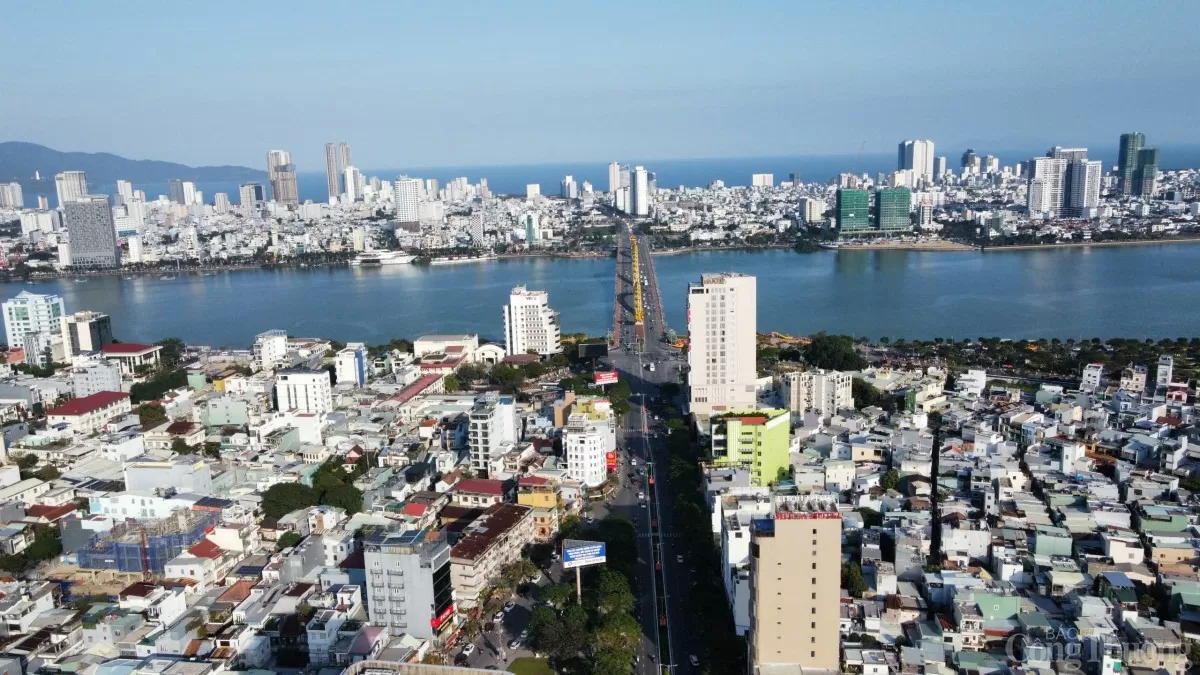 |
| Da Nang City adjusts the names of communes and wards after reorganization, linking them to place names as suggested by residents. |
Specifically, Resolution 25 outlines a plan for Da Nang to have 18 communes and wards, and one special zone. The naming of communes and wards will be based on existing districts and assigned numbers. After the resolution was announced, many city residents expressed concerns about the technical nature of the new commune and ward names and suggested naming them after historical and cultural landmarks of the city.
Listening to the people, on April 22, the Da Nang City Party Committee issued Resolution 26 on renaming communes and wards after reorganization. The city's established place names are now appearing. On social media platforms, numerous posts sharing information about Resolution 26 express agreement and support for these new names.
In Quang Nam province, according to the initial plan (Resolution 45-NQ/TU dated April 18, 2025), the province plans to reorganize 233 communes and wards into 88. The names of the new communes and wards will mainly be numbered sequentially using the formula "current district name + number (from 1 to the last number of communes to be reorganized)". This has led not only Quang Nam residents but also many tourists and cultural experts to believe that the naming convention is too rigid and unsuitable for a locality with a rich cultural history spanning hundreds of years like Quang Nam. They have expressed their wish that the names of the new communes and wards should be associated with historical relics, famous landmarks, and the distinctive cultural heritage of Quang Nam.
On the morning of April 20th, just over a day after the initial plan was issued (on the afternoon of April 18th), the leaders of Quang Nam province reconsidered the naming of administrative units. On April 21st, Quang Nam province officially issued Resolution 46-NQ/TU, adjusting the names of communes and wards to reflect historical landmarks, relics, and cultural heritage, instead of numbering them sequentially. Similarly, the naming of wards in Hoi An even underwent three rounds of consultations to ensure maximum public consensus.
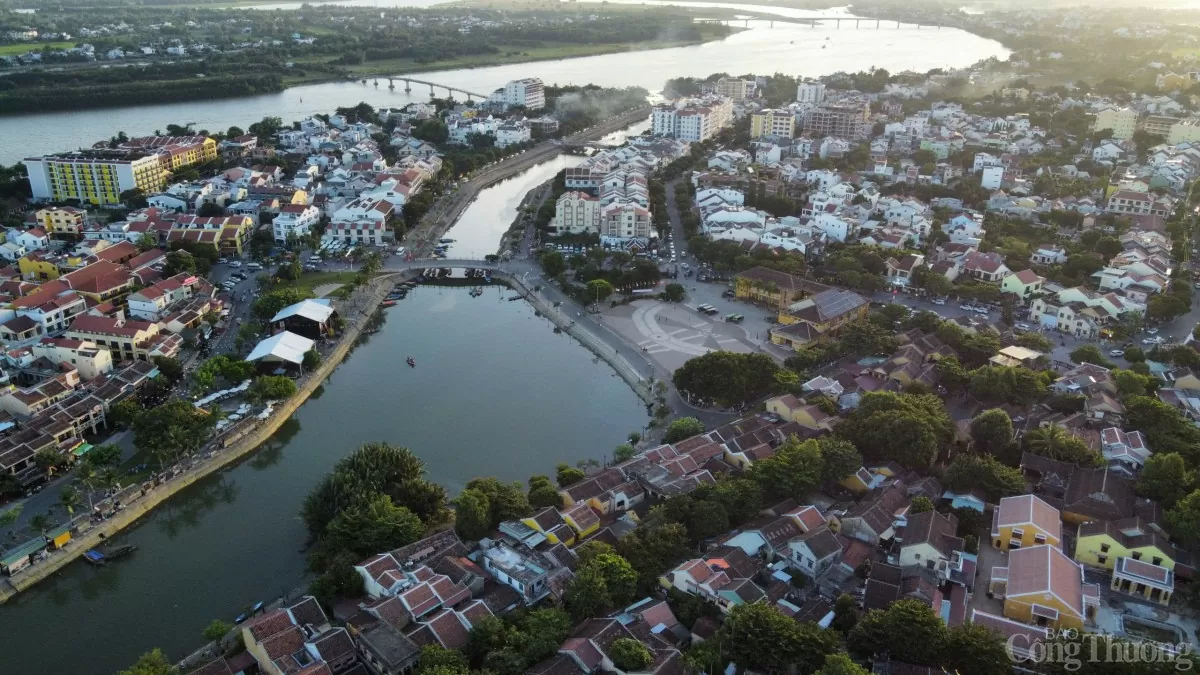 |
| Quang Nam province promptly adjusted the names of the wards (after reorganization) in Hoi An city to reflect the wishes and aspirations of the people. |
Despite being in the urgent stage of completing the dossier to submit to the Central Government, the leaders of Quang Nam province and Da Nang city still prioritized listening to the opinions of the people, demonstrating a spirit of openness and high responsibility. This timely and decisive adjustment has received praise not only from local people, but also from intellectuals, tourists, and journalists from various media outlets – a vivid testament to winning the people's hearts.
"With the people's support, anything can be accomplished."
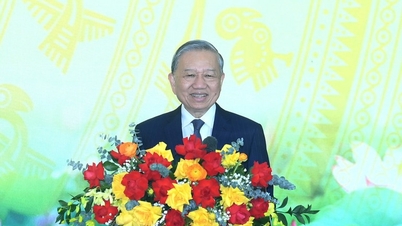
At the 50th anniversary celebration of the liberation of Da Nang city, General Secretary To Lam emphasized: " Da Nang city has created a miracle on the Han River with the '5 highs' model," and "the greatest achievement of the Da Nang Party Committee is winning the hearts of the people ." This statement not only summarizes a period of development but also contains a timeless truth: the consensus of the people is the springboard for all miracles.
Merging provinces and reorganizing commune-level administrative units is a major policy of the Party and State, implemented vigorously in the spirit of "running and queuing at the same time," meaning that implementation is done while simultaneously adjusting to practical realities. Ultimately, however, the greatest goal remains building a streamlined, effective, and efficient administrative apparatus that better serves the people. Therefore, the people are not only the affected parties but also the central beneficiaries, the subjects whose opinions those formulating plans and policies must listen to.
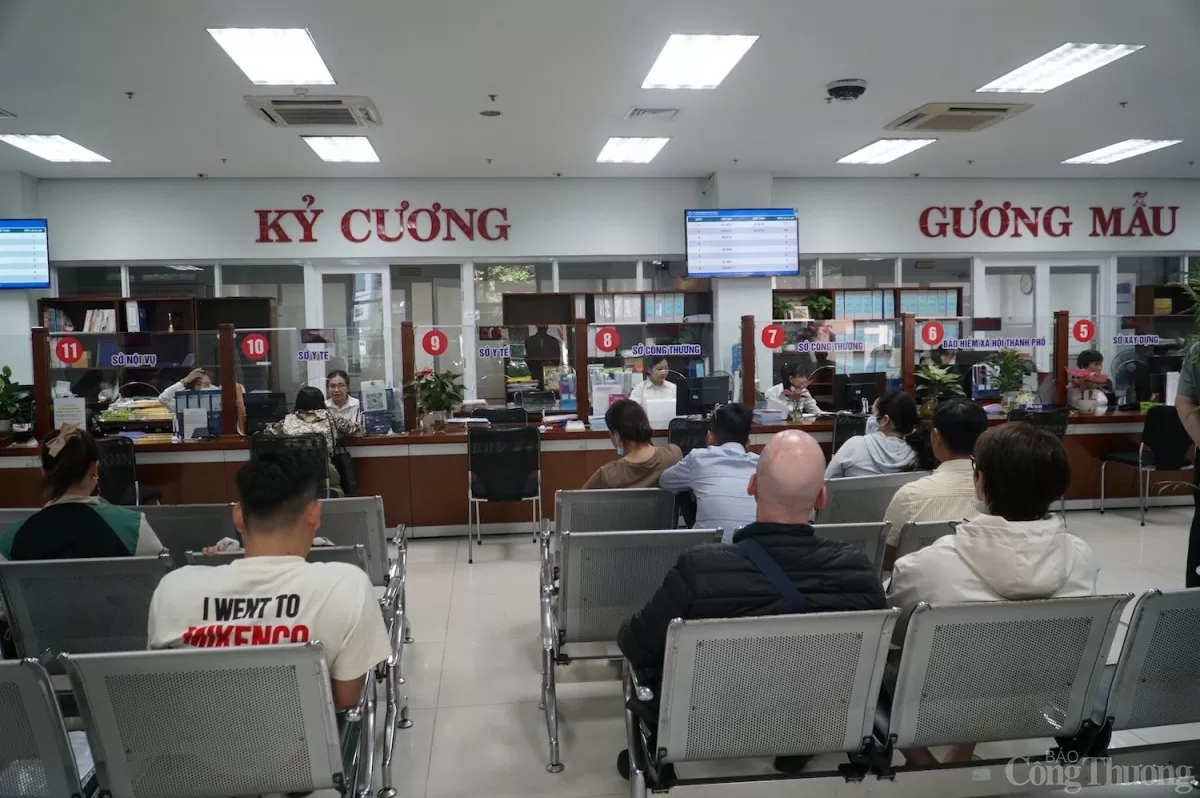 |
| Whether it's reorganizing administrative units or implementing any major policy, the ultimate goal is to better serve the people. |
Throughout history, the Vietnamese nation has repeatedly demonstrated its strength when it "wins the hearts of the people." From the successful resistance wars against France and the United States to the victory over the Covid-19 pandemic, all stemmed from the consensus and unity between the Party, the government, and the people.
The very policy of merging provinces and streamlining the administrative apparatus stems from practical realities and the demands of the people.
In the article "How Long Will It Last?" published in the Nhan Dan newspaper in 1953, amidst the nationwide counter-offensive against French colonialism, President Ho Chi Minh advised: "With the people's support, anything can be accomplished. Against the people's will, there is no turning back and forth." This teaching is not only a guiding principle for cadres and party members during wartime, but also the core of leadership art in peacetime: If the interests of the people are placed first, all difficulties will be overcome, and all policies will succeed.
Listening to the opinions of the people does not slow down the reform process; on the contrary, it is a necessary step to create lasting social consensus. Specifically, Da Nang City and Quang Nam Province adjusted their naming conventions for wards and communes after receiving numerous suggestions from the people – this demonstrates a receptive attitude, flexible governance, and a high level of democratic spirit.
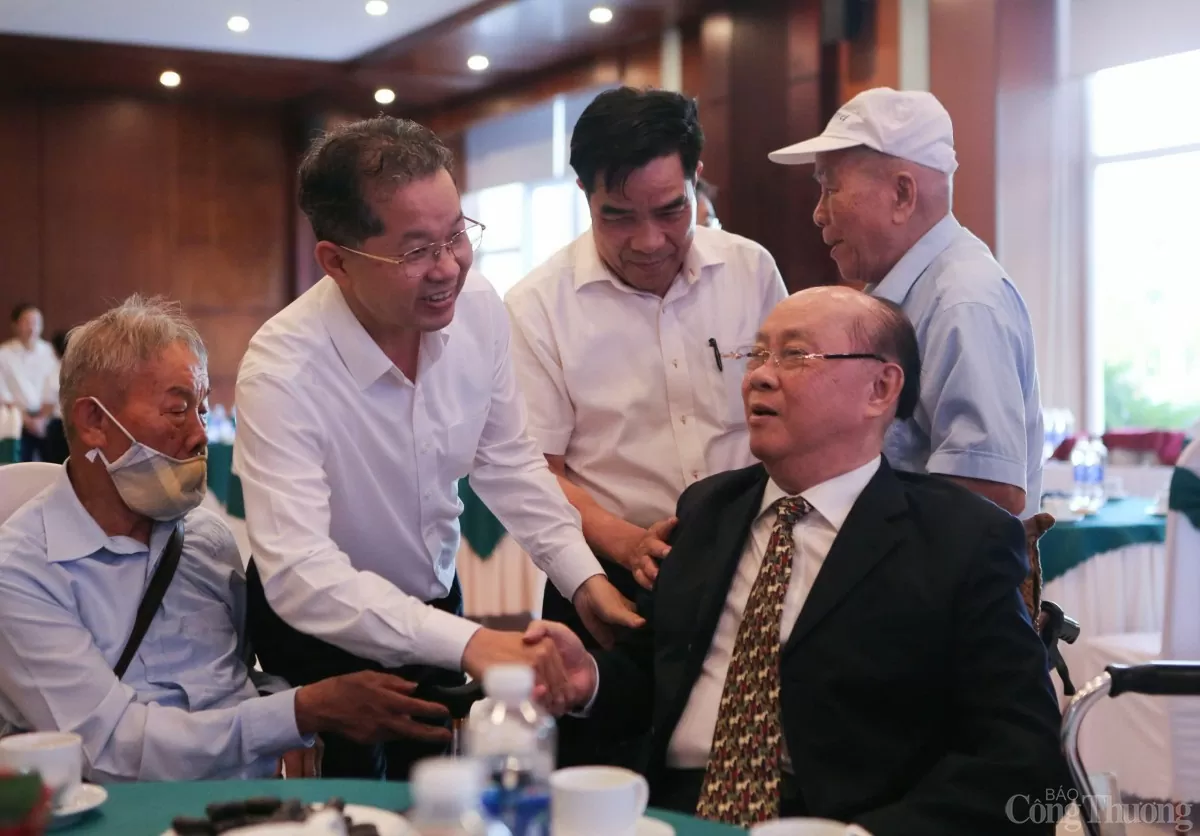 |
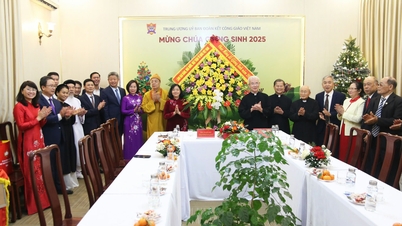
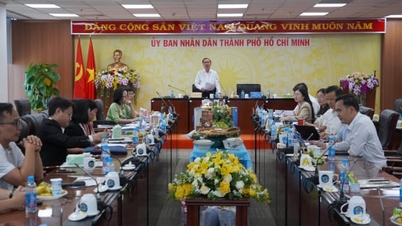
| Da Nang city leaders meet with veteran officials. |
It can be said that gaining public support is not only an achievement but also a benchmark for measuring the success of any public policy. When the people agree and support it, any reform can be implemented smoothly, with fewer conflicts and achieving tangible results.
In the process of reorganizing and merging administrative boundaries, or any major policy, the most important lesson is "winning the people's hearts." Localities like Da Nang and Quang Nam are demonstrating a willingness to listen and adjust to create the highest level of consensus. This is also a successful example of mass mobilization work, providing a solid foundation for the long-term success of major policies today and in the future.
Listening to the people, Da Nang City and Quang Nam Province promptly adjusted the names of communes and wards after reorganization, receiving praise and positive support from the people – a vivid testament to the idea that Da Nang and Quang Nam have the people's support. This provides a solid foundation for Da Nang and Quang Nam to successfully implement the reorganization of commune-level administrative units in particular, and major policies in general, as President Ho Chi Minh taught: "With the people's hearts, anything can be accomplished." |
Source: https://congthuong.vn/sap-xep-da-nang-quang-nam-doi-moi-tu-duy-tu-viec-lang-nghe-dan-noi-384532.html

![[Photo] Prime Minister Pham Minh Chinh attends the Conference on the Implementation of Tasks for 2026 of the Industry and Trade Sector](/_next/image?url=https%3A%2F%2Fvphoto.vietnam.vn%2Fthumb%2F1200x675%2Fvietnam%2Fresource%2FIMAGE%2F2025%2F12%2F19%2F1766159500458_ndo_br_shared31-jpg.webp&w=3840&q=75)











































































Comment (0)