

Nha Trang – the “pearl of the East Sea” – is not only famous for its dreamy and beautiful natural landscapes, but also known as a land with a rich history and Cham culture, with relics that have survived through time. Among them, the Ponagar Tower is considered the top attraction and a symbol of tourism in Khanh Hoa province.
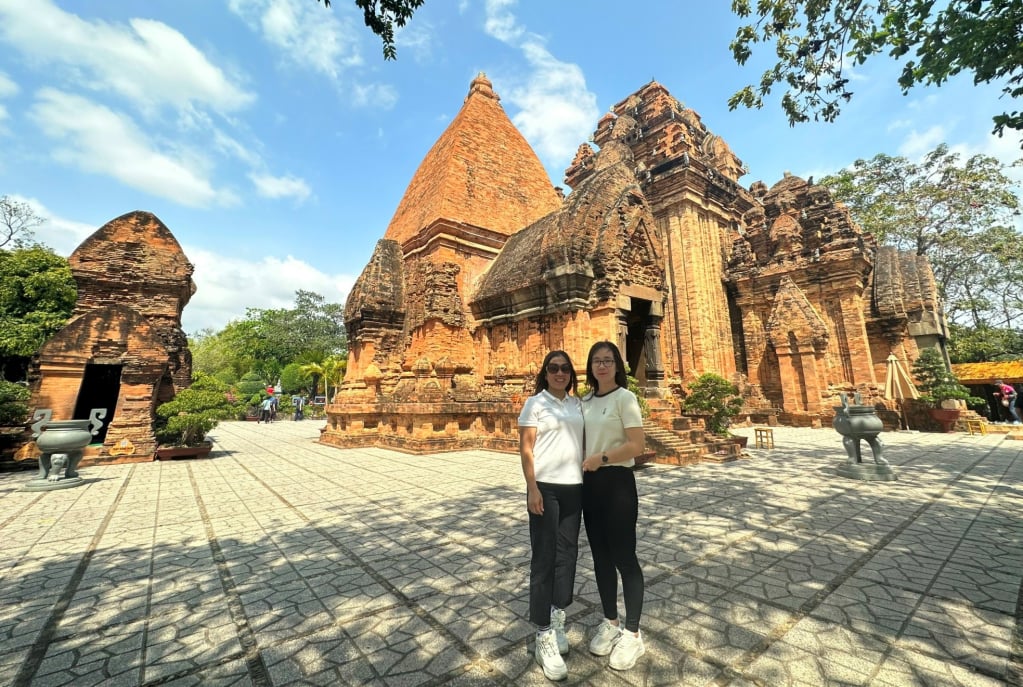
Located approximately 2 km north of Nha Trang city center, the Ponagar Tower sits atop a hill about 10 meters high, beside the Cai River, in Vinh Phuoc ward. The Ponagar Tower complex is a prime example of the stunning architectural and sculptural art of the Hindu period, and is the largest Cham cultural heritage site in the South Central region of Vietnam.
The Ponagar Tower, built around 817 AD, reflects the prosperity of the ancient Champa kingdom. According to historical records, under the Panduranga dynasty, the Champa people built temples and towers on the Cu Lao hill in Kauthara to worship the goddess Ponagar (meaning "Mother of the Land" in Champa), commonly known as the Ponagar Tower. Dating from the 8th to 13th centuries, and having undergone numerous restorations, the site holds a particularly important place in the religious and spiritual life of the Champa people. Each structure embodies the artistic essence of Champa culture. The Ponagar Tower complex attracts millions of tourists due to its grandeur and the masterful artistry of ancient Champa sculpture. Every curve, movement, and detail of the structure vividly portrays the breath of time, from the past to the present, leaving visitors in awe and admiration.
Within its nearly 50,000 m² grounds, the complex is divided into three levels: the gate tower, the Mandapa vestibule, and the temple tower. Due to historical changes, the gate tower level is no longer intact, but traces of the ancient architecture remain, such as the stone pillars and steps leading to the second level. The Mandapa vestibule is a place of meditation, a place where pilgrims can come to meditate and relax. It has 22 octagonal pillars of varying heights; according to scientific research, this may have been where offerings were prepared before being presented to the Goddess, making it a unique highlight of the Ponagar Tower complex. The temple tower is the highest level, offering a magnificent and awe-inspiring view of the surrounding natural landscape, with the tallest tower reaching over 23 meters.
Notably, the towers are constructed using bricks stacked tightly together without any visible binding material. This unique and mysterious feature remains undiscovered by researchers, further attracting tourists who enjoy exploring archaeological sites. Besides the three main areas, visitors can admire ancient Cham inscriptions at the Ponagar Tower. These inscriptions are of great value in studying the culture and history of the ancient Cham kingdom.
With its outstanding historical, cultural, scientific, and artistic values, since 1979, the Ministry of Culture and Information (now the Ministry of Culture, Sports and Tourism) has classified the Ponagar Tower as a national historical and cultural relic.
Visiting the Ponagar Tower, in addition to learning about its history, architecture, and spirituality, tourists also have the opportunity to enjoy captivating Cham dances, creating a beautiful impression on visitors to this revered place. The Ponagar Tower is a frequent venue for many cultural and festival activities. In 2012, the Ponagar Tower Festival was recognized as a National Intangible Cultural Heritage. This annual festival commemorates the Holy Mother Ana, revered by the people as the Mother of the South Central region, who taught the people how to cultivate crops, raise livestock, and weave cloth; and prays for national peace and prosperity, favorable weather, and a peaceful life.
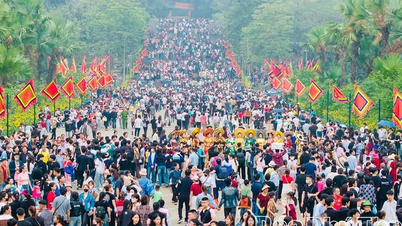
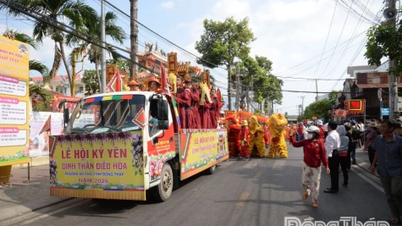
Every year, on the occasion of the Lady of the Temple Festival (from the 21st to the 23rd of the third lunar month), the Ponagar Tower historical site welcomes tens of thousands of pilgrims. This is one of the largest festivals in the South Central and Central Highlands regions. The festival features many cultural activities characteristic of Cham culture, such as: the ceremony of changing the Holy Mother's robes, prayers for national peace and prosperity, floating lanterns on the Cai River, the ceremony of completing the scriptures, traditional sacrificial rituals, Cham dances, dances offering sacrifices to the Mother, theatrical performances, lion dances, shadow puppetry, etc. Through these activities, the festival introduces and honors the beauty of Cham culture, showcasing the cultural exchange between the Kinh and Cham people passed down through generations.
Amidst the bustling city, the thousand-year-old Cham towers still stand as symbols of culture and core historical values that cannot be forgotten. Visiting the Ponagar Tower and learning about Cham culture is a fascinating experience that tourists should not miss on their journey to explore the beautiful coastal city of Nha Trang.
Aquarius
Source link































































Comment (0)