

"Tailor-made"
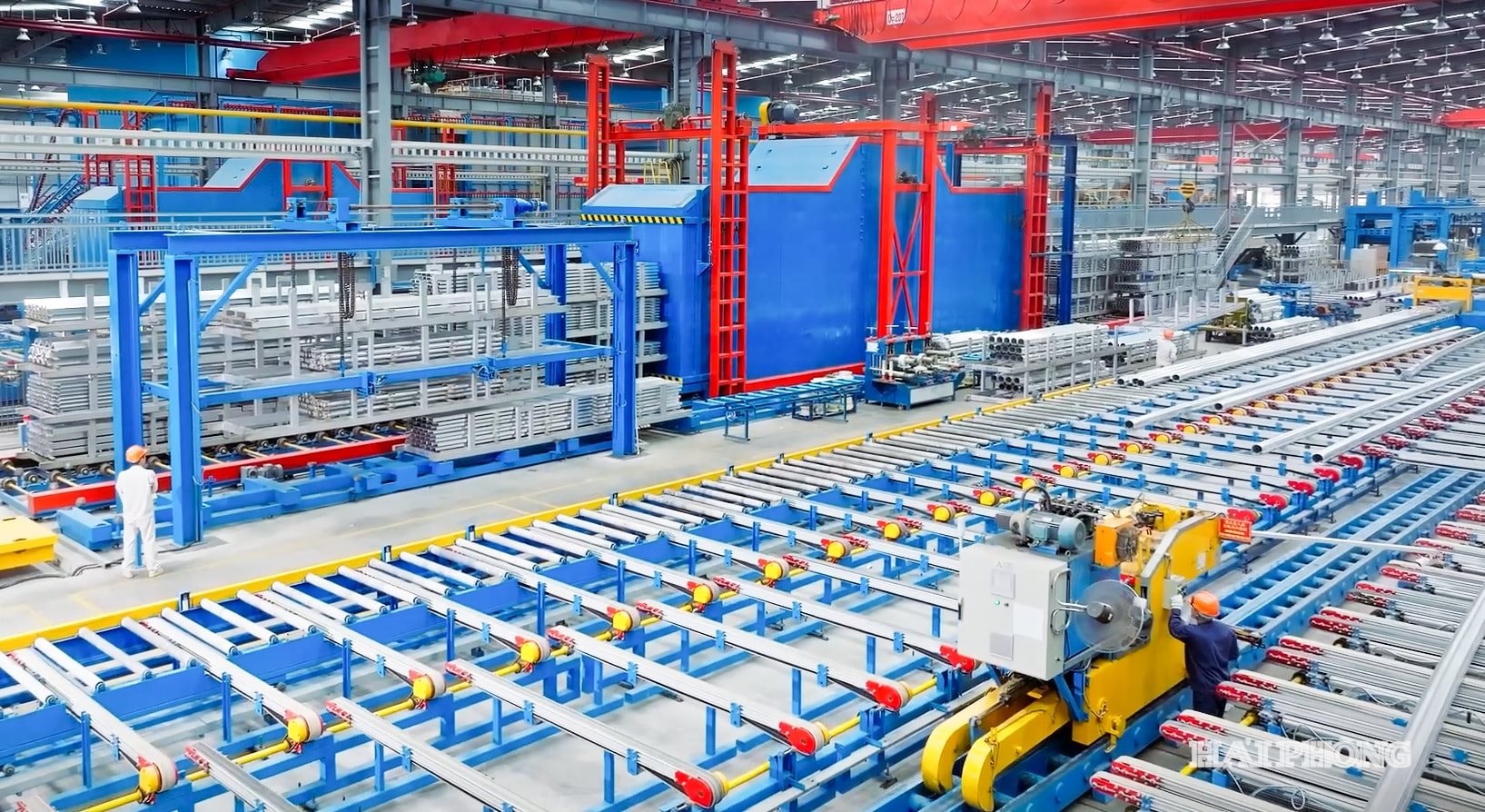
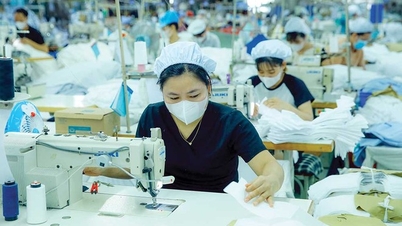
Located in the Tan Dan Industrial Cluster (Le Dai Hanh Ward), Dong A Aluminum Co., Ltd. specializes in the production, processing, and export of aluminum profiles for numerous strategic foreign partners. The company's operations are closely tied to each export processing contract and each shipment delivered according to committed schedules. At times, some processing orders have reached millions of USD per month.
For this company, exchange rate fluctuations directly impact business performance. When the USD/VND exchange rate increases, revenue may increase accordingly. However, to produce goods for export, the company must import raw materials, meaning costs also increase proportionally. The more volatile the exchange rate, the more pronounced the pressure on cash flow and production plans. To mitigate risks, in addition to borrowing capital for production, Dong A Aluminum uses foreign exchange derivative products from banks, such as forward foreign exchange trading. These tools help the company be more proactive in balancing costs and cash flow, limiting the adverse impact of exchange rate fluctuations.
This reality shows that, in the operations of FDI enterprises, banks are not only present at the time of funding, but also participate in risk management throughout the production cycle. From the practical operation of businesses, it can be seen that bank credit does not exist as separate loans. The flow of capital must keep pace with the process of raw material import, production, export, and payment collection. If even one stage is delayed, the entire operational chain can be affected, even causing delays in fulfilling delivery commitments with foreign partners.
This unique characteristic makes FDI credit difficult to apply according to a general model. Instead of providing funding based on fixed limits and waiting until repayment, banks must specifically tailor the loan to each individual business. This measurement is based not only on collateral but also on orders, delivery schedules, and actual cash flow generated during the production process.
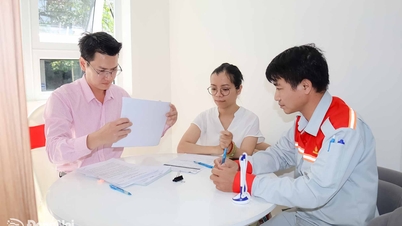
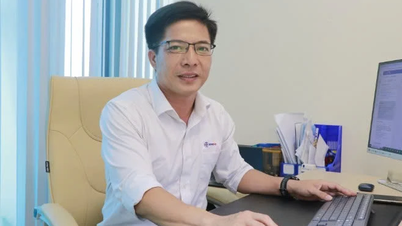
According to Mr. Nguyen Trung Hai, Director of Vietcombank Hai Phong, FDI credit always comes with services such as contract guarantees, trade finance, international payments, and foreign exchange trading. These services determine whether businesses can import raw materials at the right time, deliver goods on time, and collect payments as planned. Based on this, banks design loan limits and terms that are appropriate to the production cycle, instead of disbursing funds all at once from the start.
When credit is disbursed in this way, banks have better risk control, and businesses are more proactive financially. Loan capital does not become a burden, but rather a tool to support operations, helping to maintain stable production in the context of a volatile international market.
Contributing to attracting FDI
Beyond simply serving existing businesses, bank credit plays a crucial role in attracting and retaining FDI. For many foreign investors, access to quality capital and financial services right in their local area is a key consideration when deciding to expand production.
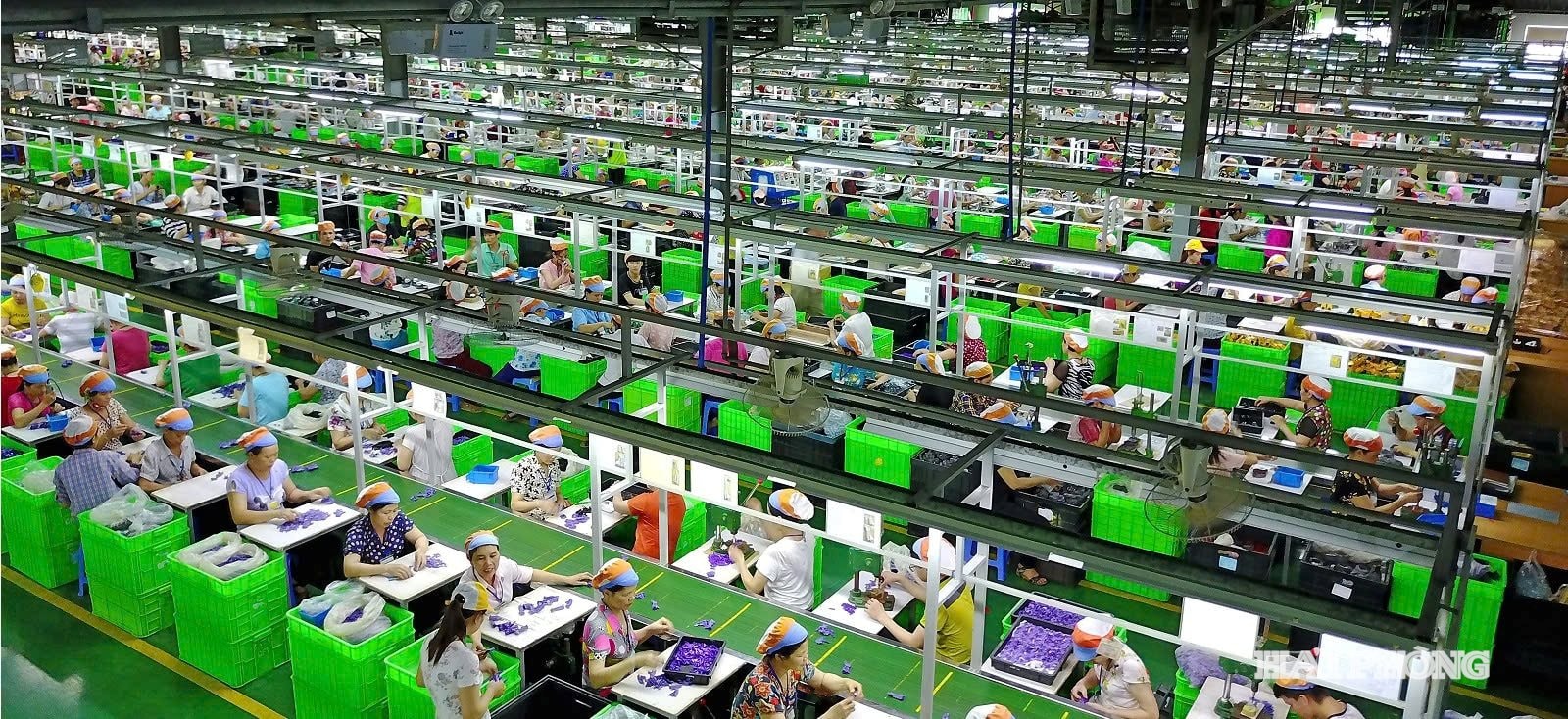
Established in 2003, Ha Hae Vietnam Co., Ltd. is one of the first FDI enterprises to establish a long-term credit relationship with BIDV Hai Duong. According to the company representative, in 2022, when orders plummeted, balancing cash flow and maintaining employment became challenging. At that time, the bank facilitated loan restructuring, while also reducing and extending the repayment period for principal and interest. As orders gradually recovered, capital continued to be provided to help the business recover and expand production. This demonstrates that bank credit not only helps businesses overcome difficult periods but also lays the foundation for subsequent investment decisions. Therefore, access to local financial services is increasingly valued by foreign investors.
Mr. Do Khac Huy, Director of BIDV Hai Duong, said that when expanding investment, many FDI enterprises are not only concerned about loan interest rates, but also more interested in trade finance capabilities, international payments, and cash flow management. When banks comprehensively meet these needs, businesses can shorten operational time and reduce financial costs.
According to many bank directors, proactive provision of credit and financial services contributes to Hai Phong's advantage in attracting FDI. When businesses can access capital, foreign exchange, and quality banking products right in the locality, investment decisions and production expansion become more favorable, especially in the context of increasingly fierce competition to attract FDI among localities. However, promoting FDI credit does not mean expansion at all costs. Banks clearly understand the need to control credit quality, conduct periodic customer reviews, and closely monitor loans showing signs of risk, avoiding sacrificing safety for short-term growth.
From a long-term perspective, bank credit is becoming an integral part of the investment environment in Hai Phong. When investors see not only land and infrastructure, but also stable access to finance, their decisions to establish factories or expand production will be more sustainable.
HA KIENSource: https://baohaiphong.vn/thuc-day-tin-dung-fdi-535235.html











































































Comment (0)