


According to Ecosystem Marketplace (USA), a global information and data platform that tracks, analyzes, and reports on carbon credit markets and ecological assets, there are currently 170 types of projects that can generate and sell carbon credits, categorized into eight main groups: agriculture , industrial processes, fuel conversion, forestry and land use, equipment, renewable energy, transportation, and waste treatment. Of these, forestry is the leading sector with the highest volume of carbon credits traded globally.
With the province's abundant forest potential and diverse ecosystems, the Provincial Forest Protection Department has collaborated with the Forest Protection and Development Fund to develop a "Pilot Project for Forest Carbon Credit Trading." Mr. Nguyen Huy Tuan, Head of the Provincial Forest Protection Department, stated: Exploiting forest carbon credits is an opportunity to create a new source of funding for the forestry sector, contributing to sustainable development and providing stable livelihoods for the people, forest owners, and communities. With the potential of large forest areas, high carbon absorption capacity, and stable recovery over the years, it opens up opportunities to enhance the economic value of forests. Currently, specialized agencies are focusing on forest surveys to calculate biomass and convert it into forest carbon.
Initially, our province will pilot a voluntary carbon market, while simultaneously completing the technical documentation so that carbon credits from forests can meet international standards. The goal is to move towards participating in the global carbon market under the United Nations Framework Convention on Climate Change. It is expected that the voluntary carbon market and the domestic carbon market will begin operating in 2028. To effectively implement the commitment to ensure revenue from the use of forest environmental services and the sale of carbon credits, it must be directly allocated to communities and forest owners who provide carbon sequestration and storage services. The long-term goal is to protect existing natural forest areas, restore ecosystems, and expand the area of protection forests and special-use forests with native tree species, thereby increasing carbon absorption capacity and contributing to achieving the goal of net zero emissions by 2050.
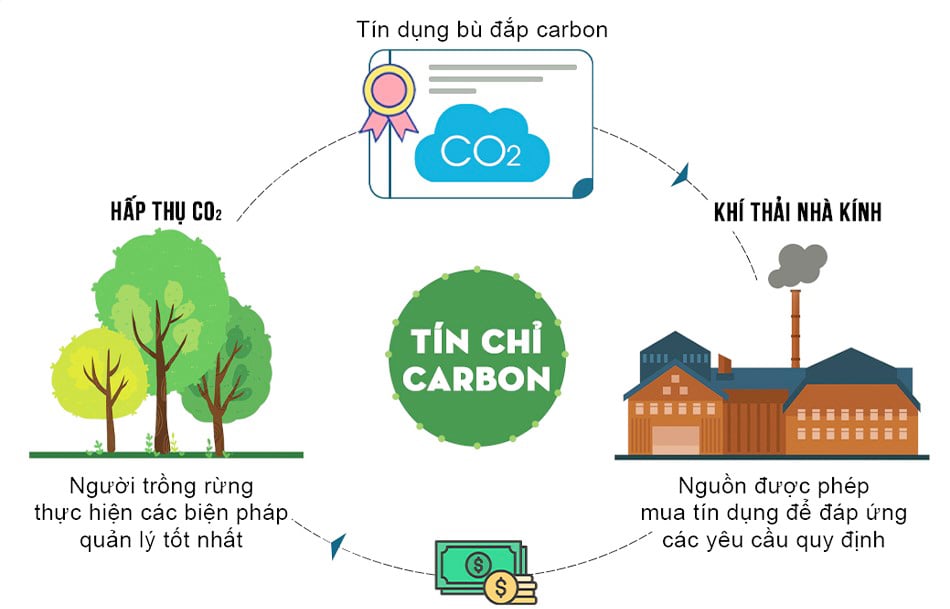
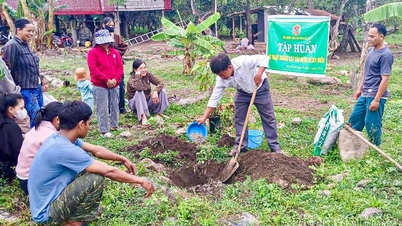
In addition, the Provincial Forest Protection Department is advising the Department of Agriculture and Environment, the Provincial People's Committee, and relevant ministries and agencies to develop a legal framework for carbon credit exchange, including mechanisms for exchanging and offsetting carbon credits. Furthermore, it is leveraging support from international organizations such as CARE, GIZ, and the Green Climate Fund (GCF) to enhance the capacity of organizations and individuals involved in implementing forest carbon credits. These support activities include training in techniques for measuring, calculating, and documenting carbon stocks, as well as assessing the potential for carbon credit development throughout the province.
The Ta Xua Special-Use Forest, covering over 17,000 hectares, stretches across the communes of Ta Xua, Suoi To, and Muong Coi. Mr. Nguyen Trung Kien, Deputy Director of the Ta Xua Special-Use Forest Management Board, stated: "Selling carbon credits from the forest will be an important source of income, helping to improve the efficiency of sustainable forest management and create an impetus for economic development for the communities living near the forest."
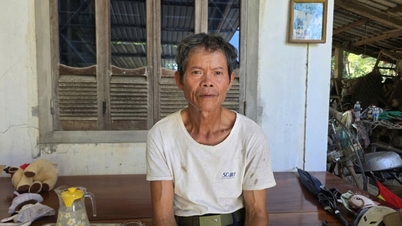
Exploiting new potential in forest economic development helps people raise awareness about forest protection while improving their economic lives. Mr. Mua A No, from Hang Dong village, Ta Xua commune, shared: "Besides income from payments for forest environmental services, we also grow medicinal plants such as cardamom and Amomum xanthioides to generate income. If carbon credit sales are implemented, it will help local community forests have a more stable source of income, thereby changing the mindset in protecting and managing forests sustainably."

As Vietnam prepares to operate its domestic carbon market, the role of forest carbon credits is becoming increasingly clear. Decree 119/2025/ND-CP allows emitting facilities to use carbon credits to offset up to 30% of emissions exceeding their quotas, thereby opening up significant opportunities for forest carbon credits from the "Reducing Greenhouse Gas Emissions through Efforts to Limit Deforestation and Forest Degradation, Sustainable Forest Resource Management, Conservation and Enhancement of Forest Carbon Stocks" (REDD+) program.
With its vast forest area, Son La is gradually realizing its great potential from forest carbon credits, contributing to sustainable development goals and environmental protection. This presents an opportunity for the province to develop its forest economy and promote sustainable forestry.
Source: https://baosonla.vn/kinh-te/tiem-nang-moi-trong-viec-phat-trien-kinh-te-rung-yRtGMInvg.html



![[Photo] Delegation attending the 14th Congress of the Vietnam Trade Union visits the Mausoleum of President Ho Chi Minh.](https://vphoto.vietnam.vn/thumb/1200x675/vietnam/resource/IMAGE/2026/06/03/1780451842301_ndo_br_img-3824-jpg.webp)












































































Comment (0)