

Create 6.5 million jobs by 2050
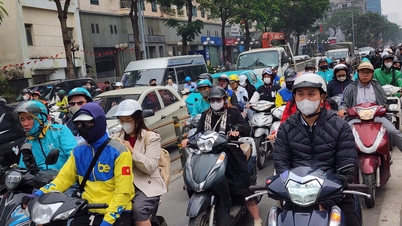
According to recent World Bank data, Vietnam is entering a crucial phase in its transition to electric vehicles, aiming to realize its commitment to achieving net-zero emissions by 2050. This shift will not only help reduce emissions but also create opportunities for the development of the green industry, opening up a more sustainable future for Vietnamese transportation. This is especially true for road transport, which currently contributes 7.2% of Vietnam's total greenhouse gas emissions, equivalent to 32.9 million tons of CO2 in 2021.
To reduce these emissions, the Government issued Decision No. 876/QD-TTg in July 2022, which sets out important targets for the electrification of transportation.
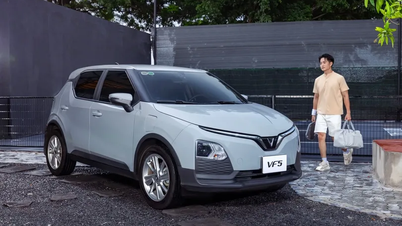
The World Bank report also indicates that by 2030, approximately 50% of urban vehicles and 100% of buses and taxis within cities will be electric. Furthermore, by 2050, all road transport vehicles are expected to switch to green energy. Calculations show that the transition to electric vehicles could reduce net emissions by approximately 2.2 million tons of CO2e by 2050, even with the current grid system. This figure would increase to 5.3 million tons if the greening of the grid is completed according to the Power Development Plan VIII. In addition, the development of electric vehicles opens up many new industries and jobs with high scientific and technical content. It is estimated that the transition to electric vehicles could create up to 6.5 million jobs in Vietnam by 2050, particularly in battery manufacturing and charging infrastructure development.
And if we consider only the electric two-wheeler market segment, the World Bank report also indicates that, with international oil prices at $80 per barrel, Vietnam would save $498 billion that would otherwise be spent on purchasing gasoline and diesel fuel abroad. According to the World Bank's assessment, Vietnam has many opportunities to accelerate the transition to electric vehicles.
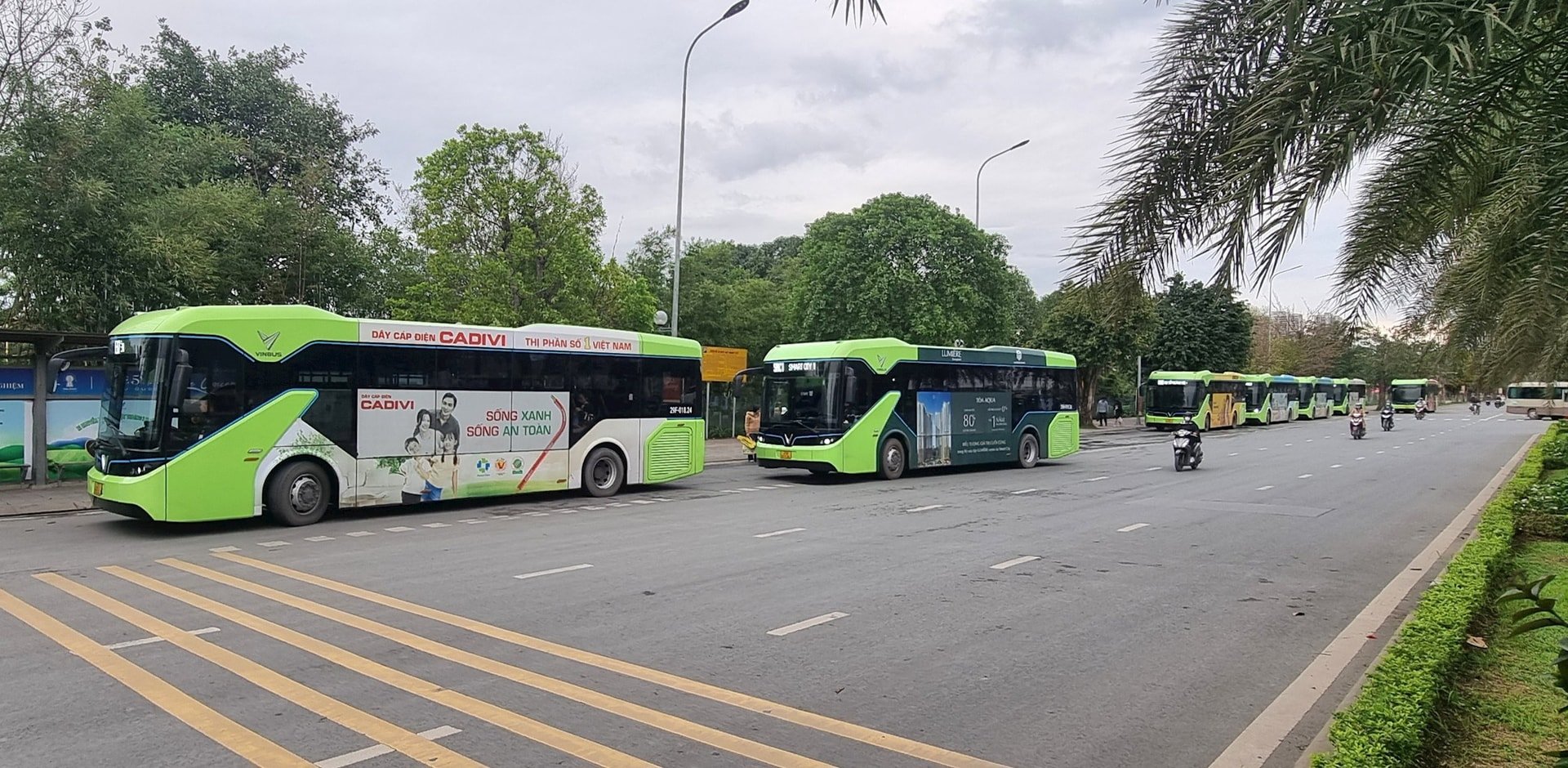
Also related to the transition to electric vehicles, in early January 2025, the Hanoi Transport Corporation (Transerco) officially launched four electric bus routes, with 35 medium-sized buses and 11 small buses. According to Thai Ho Phuong, Director of the Hanoi City Traffic Management and Operation Center, after more than a month of operation, all four electric bus routes have shown positive results. In February 2025 alone, the passenger volume on these four routes reached 578,400 (excluding free passengers), a 36.4% increase compared to January 2025.
Specifically, route 39 saw a 25.1% increase in passenger volume and a 41.5% increase in revenue; route 59 saw a 46.2% increase in passenger volume and a 52.1% increase in revenue... The average passenger volume for the four routes reached 40 passengers per trip, a 42.1% increase compared to the same period in 2024.
According to the plan for developing a public transportation system using electric and green energy buses in Hanoi, by 2035, 100% of buses must use these energy sources. Specifically, in the period 2026-2035, the city will convert 50% of buses to electric and 50% to LNG/CNG (liquefied natural gas) buses. The total number of vehicles to be converted is 2,051. Of these, 103 buses will be converted to electric in 2025 (5%); 1,813 buses will be converted in the period 2026-2030 (93.4%), including 859 electric buses and 851 LNG/CNG buses; and the conversion of 2,051 buses will be completed in the period 2031-2035 (100%).
Synchronized solution
Regarding the transition to electric vehicles in Vietnam, Chiara Rogate, a senior energy expert at the World Bank, noted that a comprehensive approach, from policy to infrastructure, is necessary to ensure success. First and foremost, establishing a specialized state agency for electric vehicles is essential. This agency would help coordinate policies between the transportation and energy sectors, creating uniformity in the implementation of vehicle electrification goals.
According to Chiara Rogate, Vietnamese people's awareness of electric vehicles has also made significant progress in a short period of time. Vietnamese people are now very interested in electric vehicles due to the benefits of lower operating costs compared to gasoline-powered cars, along with the trend towards green living and environmental protection. In addition, battery technology and the driving range of electric vehicles are gradually improving, alleviating concerns about driving distance. The expansion of the charging station network, especially fast charging stations with integrated smart technology, also plays a crucial role in encouraging people to switch to electric vehicles.
Currently, public charging infrastructure is limited, causing many people to hesitate when considering using electric vehicles. In addition, the electricity sector needs thorough preparation to meet the increasing demand for electric vehicle charging. Electric vehicles, especially cars and trucks, are expected to account for 53% of charging demand between 2035 and 2050, requiring massive investment: $6-9 billion from 2024-2030, and $200-218 billion from 2041-2050…
The World Bank report also proposes building a network of public charging stations from 2025 to 2035, starting in Hanoi, Hai Phong, Da Nang, Ho Chi Minh City, and Can Tho, and then expanding to areas outside of urban centers.
Source: https://daidoanket.vn/chuyen-doi-su-dung-xe-dien-tiet-kiem-gan-500-ti-usd-nhap-nhien-lieu-10301699.html


![[Image] Central Party Office summarizes work in 2025](/_next/image?url=https%3A%2F%2Fvphoto.vietnam.vn%2Fthumb%2F1200x675%2Fvietnam%2Fresource%2FIMAGE%2F2025%2F12%2F18%2F1766065572073_vptw-hoi-nghi-tong-ket-89-1204-jpg.webp&w=3840&q=75)





























































































Comment (0)