

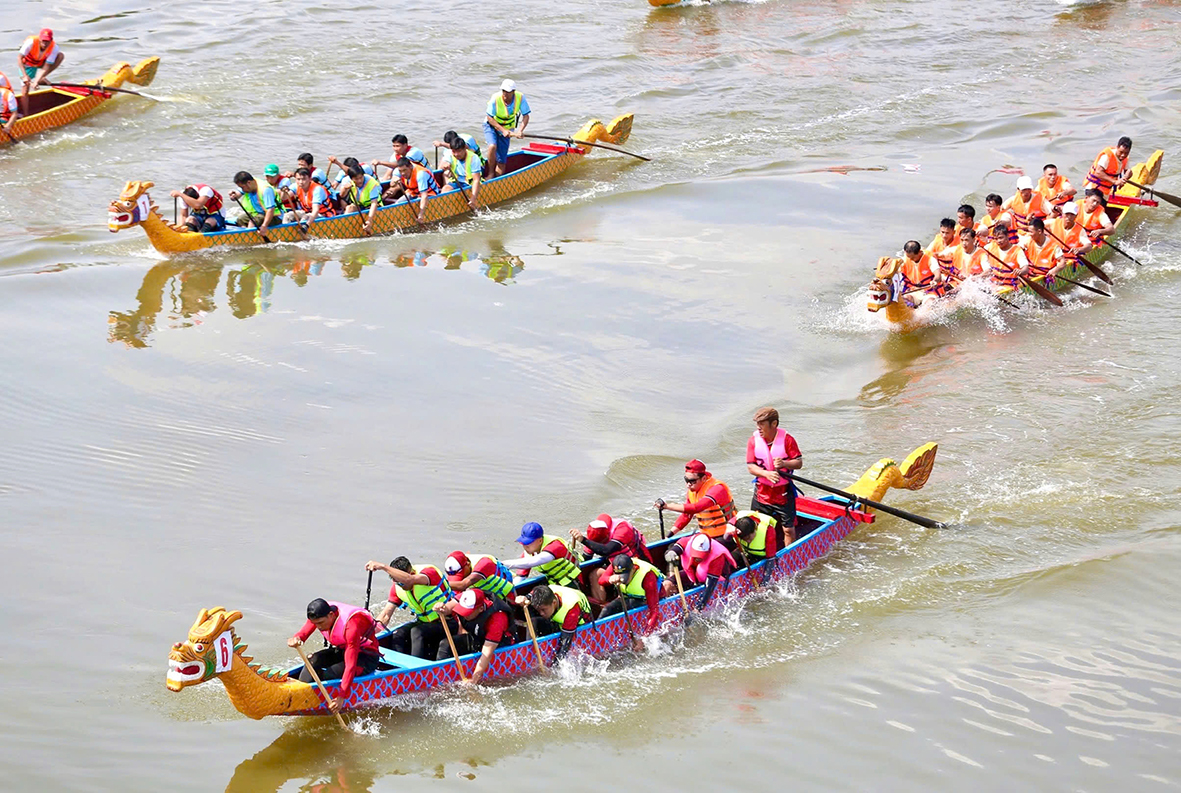
Traditional boat racing on the Ben Hai River - Photo: M.D
A unified cultural flow
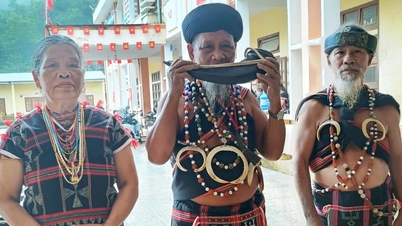
Quang Tri and Quang Binh have long been considered two "brotherly" regions within the North Central family – where Kinh culture blends with the cultures of ethnic minority communities such as the Bru-Van Kieu, Pa Ko, Chut, and Ma Coong...
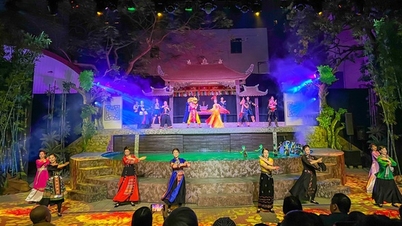
Tangible and intangible cultural values, passed down from generation to generation, such as folk songs, chants, rice-pounding songs, the custom of worshipping the Mother Goddess, the new rice harvest festival, the fishing festival, and village festivals, create a unified cultural space that is both rich and full of local identity.
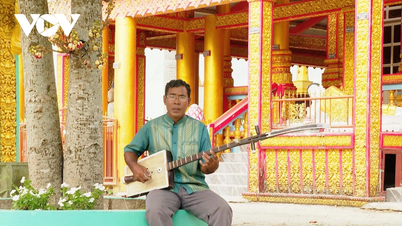
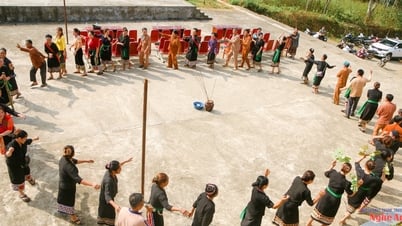
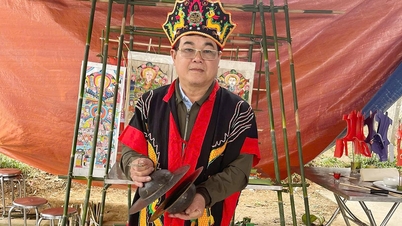
From the coastal plains to the high mountains, the imprint of traditional village culture remains strong in every communal house and temple, in the vibrant sounds of drums during spring festivals. In the highlands, the villages of ethnic minorities still preserve intact their distinctive cultural values such as folk dances, flutes, gongs, brocade weaving, and life cycle rituals... creating an indispensable piece in the cultural tapestry of Quang Tri and Quang Binh provinces.
Not only their accents, but also their way of life, thinking, and treating others, are imbued with deep affection and camaraderie. In times of war and peace, the people of Quang Tri and Quang Binh have maintained their unwavering spirit, resilience, and diligence in labor, always prioritizing the common good over personal gain... From Quang Tri Ancient Citadel to the Eight Girls' Cave, from Doc Mieu to Deo Ngang Pass, each place bears witness to their courage, sacrifice, and unwavering brotherhood.
The cuisine of Quang Tri and Quang Binh is simple yet rich, just like the people of this region. Dishes such as tapioca dumplings, steamed rice cakes, rice porridge, fish stew with turmeric, fermented fish sauce... are not only a material necessity but also cultural symbols, preserving memories of homeland, of humble yet warm meals filled with family affection. No matter how far one travels, just tasting the spicy heat of chili and the rich flavor of fish sauce is like returning to a thatched house in a peaceful village.
The power of resonance
During the war, Quang Tri and Quang Binh were both regions that suffered greatly, but it was amidst the flames of war that the two provinces together wrote glorious chapters in their history. And it is from that past that the people of these two regions have become even more closely bound together, sharing hardships and striving to rebuild and develop.
In the early days after the war, people from Quang Binh brought handfuls of salt and kilograms of rice to share with the ancient citadel still stained with the smoke of war. People from Quang Tri, despite the hardships, still migrated to Quang Binh to build their lives, homes, education, and establish themselves.
Today, in the process of reform and integration, that spirit remains present in every cooperation program and inter-regional development project. From preserving cultural heritage, developing heritage and spiritual tourism , exploiting resources from the sea and forests, to innovative startup programs based on local products such as melaleuca essential oil, brocade, forest honey, and traditional fish sauce, all are evidence of the synergistic strength from both sides of a shared cultural stream.
The people of these two provinces have a distinctive, deep, and slightly slurred accent characteristic of Central Vietnam – one hear and you'll remember, one will cherish. This accent is not only a means of communication but also carries the soul of the entire region. It reflects their character: genuine, straightforward, gentle, yet not easily subdued. It is from this accent that the poetry, folk songs, and chants of this land carry a profound, poignant resonance, imbued with the essence of life and the people.
Towards a space for development
In the context of regional development and the reorganization of administrative and economic space, strengthening the linkages between Quang Tri and Quang Binh is essential. The profound similarities in culture and people are the "glue" that binds the two localities together to build a unified and sustainable development space – a place where administrative boundaries no longer exist, only a shared aspiration for progress.
From connecting transportation infrastructure and developing agricultural-tourism-processing industry value chains to coordinating in education and training, digital transformation, and environmental protection, all can be implemented smoothly on a foundation of shared culture and trust built over generations.
In the near future, the two provinces of Quang Tri and Quang Binh will become a single administrative unit. This will be a historic turning point, opening a new chapter for the region's development. This merger is not only about combining area, population, and budget, but also about converging on spirit, identity, and aspirations for progress.
The merger will help free up resources, optimize governance, reduce duplication in the administrative apparatus, and create a strong economic and cultural entity capable of competing and integrating. With the advantages of a long coastline, deep-water ports, the East-West Economic Corridor, and abundant natural resources, the merged provinces of Quang Tri and Quang Binh have the potential to become a logistics, tourism, energy, and high-tech agricultural hub in the North Central region.
Based on shared cultural foundations, like-minded people, and a common past, building the identity of the new province is not a challenge; on the contrary, it can be a solid foundation for forming a new rural area rich in tradition, modern in thinking, and strong in integration.
The shared homeland is not only a symbol of the bond between the two localities but also represents the aspiration to rise above hardship, a testament to the soft power of culture, where identity is not only a "heritage" but also a "resource" for development. Quang Tri and Quang Binh are like two strong shoulders, shouldering the burden together, building a resilient and compassionate Central Vietnam.
If tomorrow is a new province created from two heroic lands, then today is the time for each citizen to cultivate faith, cherish the values of the past, preserve the shared cultural heritage, and continue to build a future of harmony, development, compassion, and prosperity.
Chi Linh
Source: https://baoquangtri.vn/tinh-que-lien-dai-194203.htm
![[Photo] Delegates attending the opening session of the 14th National Congress of the Party](/_next/image?url=https%3A%2F%2Fvphoto.vietnam.vn%2Fthumb%2F1200x675%2Fvietnam%2Fresource%2FIMAGE%2F2026%2F01%2F20%2F1768881998853_ndo_br_1-jpg.webp&w=3840&q=75)

























![[Image] Ho Chi Minh City simultaneously commences construction and breaks ground on 4 key projects.](https://vphoto.vietnam.vn/thumb/1200x675/vietnam/resource/IMAGE/2026/01/15/1768472922847_image.jpeg)




















Comment (0)