

The "Mother's Embroidery" ao dai collection, launched to welcome the New Year, features bright colors and motifs that reflect the arrival of spring.
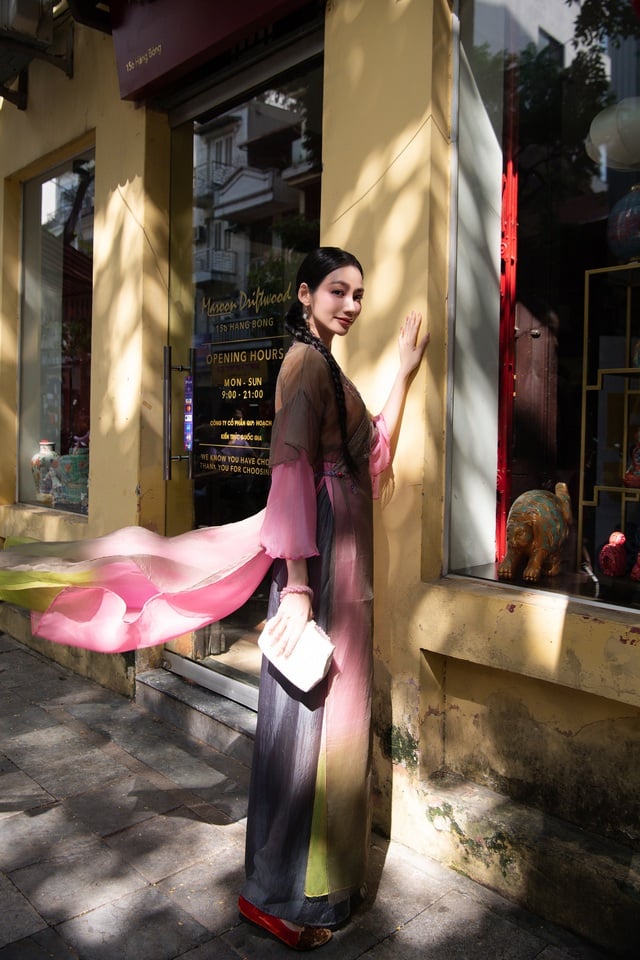
Bright, warm colors give the wearer a youthful and elegant feel.
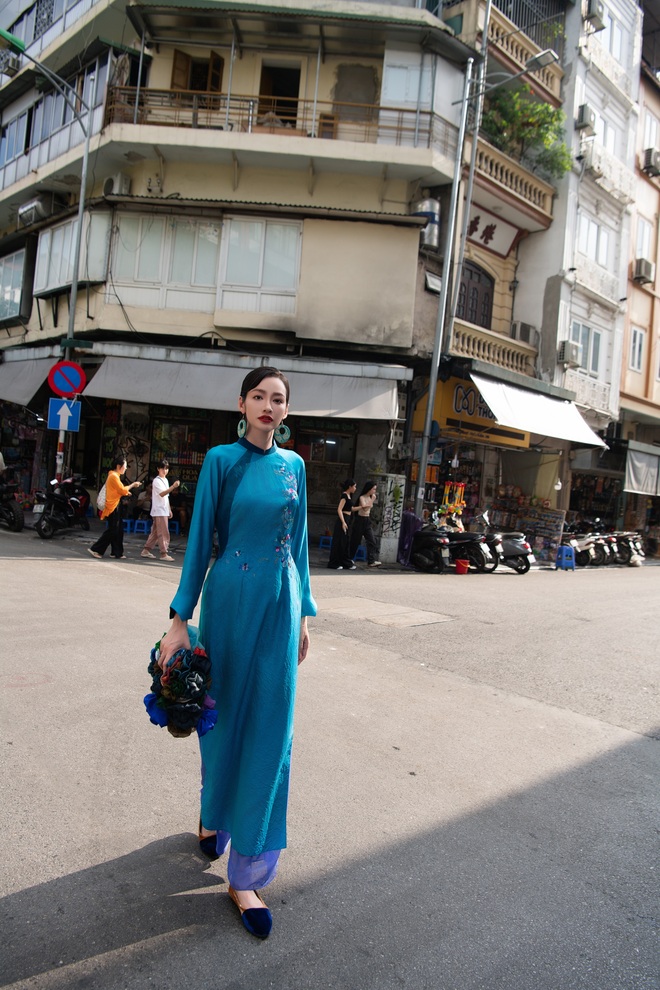
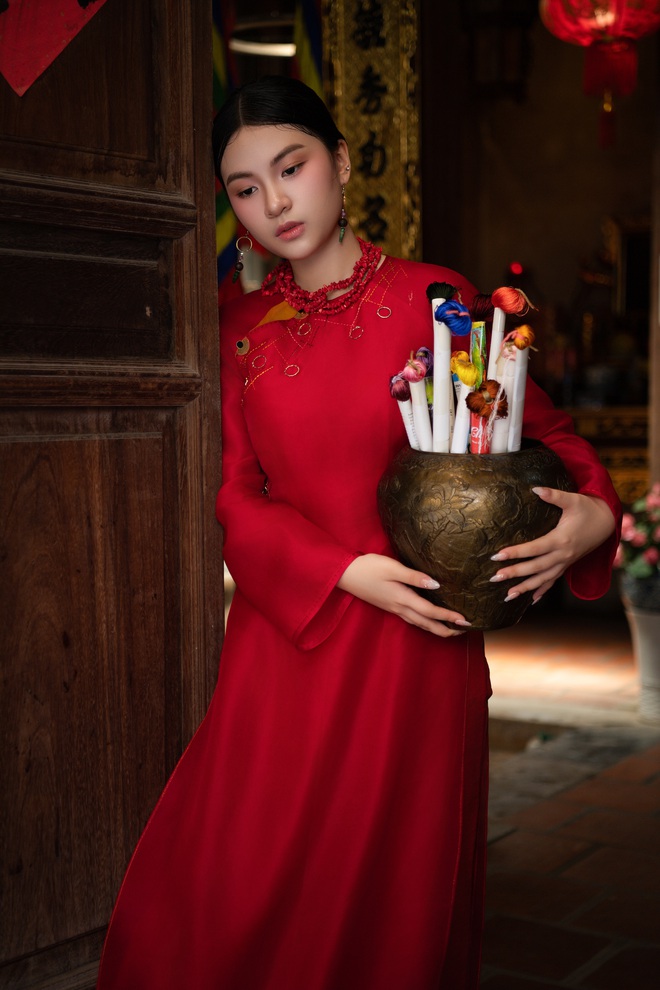
The collection comprises designs created with the idea of honoring Vietnamese embroidery.
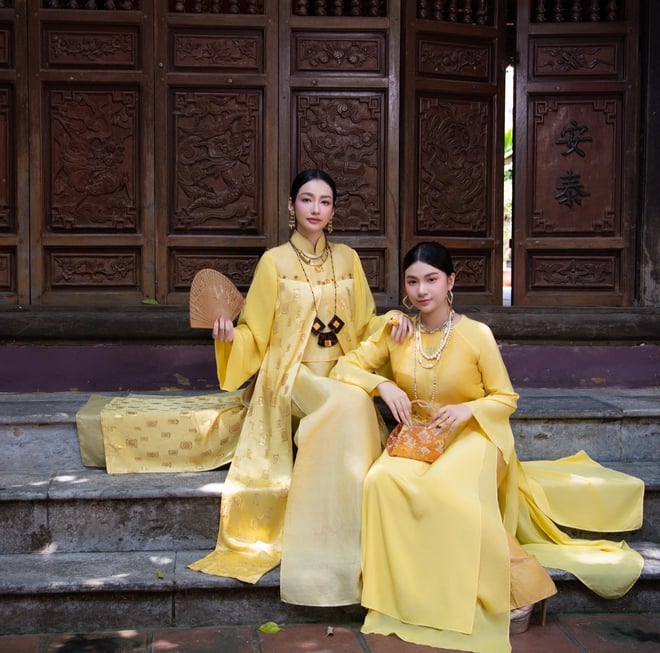
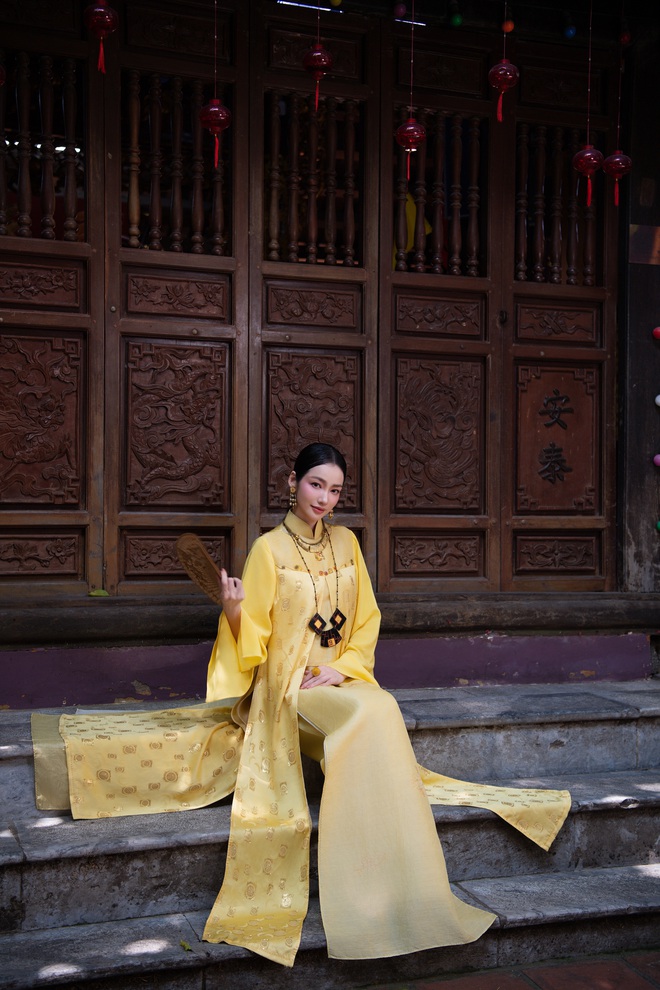
The hand-embroidered patterns on the ao dai (traditional Vietnamese dress) evoke the spirit of spring, featuring flowers from Hanoi ...
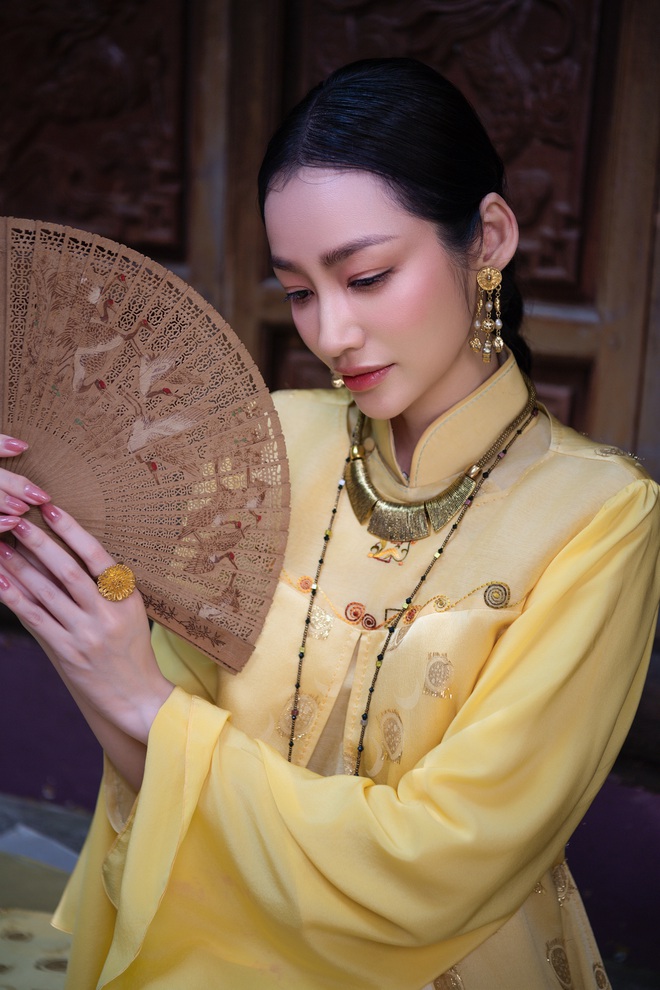
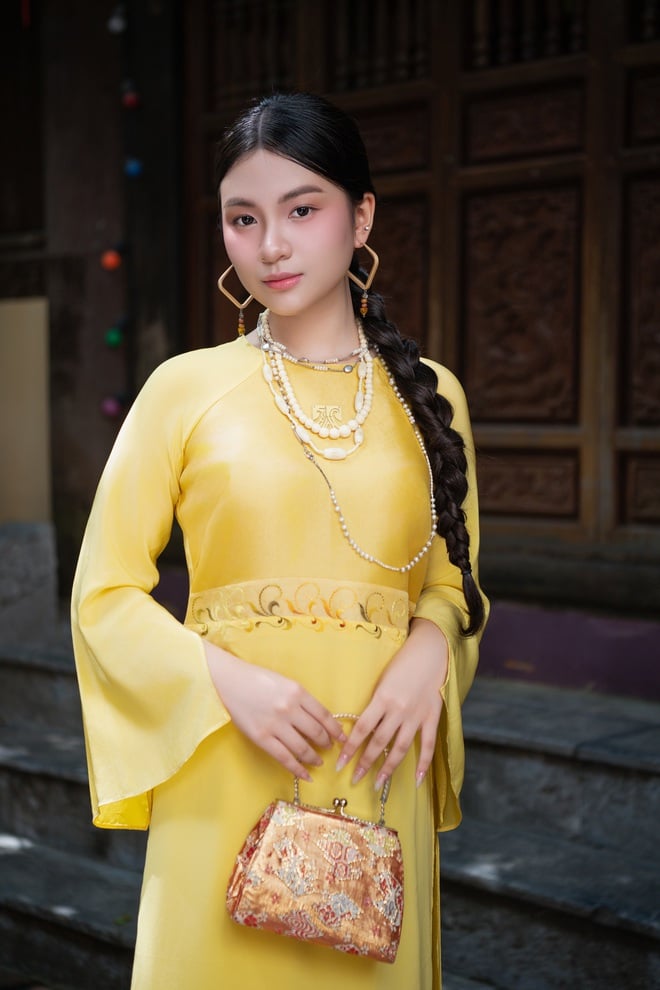
...or simply delicate carvings of hieroglyphs, symbols of happiness.
The collection was created by designer Xuan Thu and her daughter, young designer Pham Nguyen Khanh, with a message about the transmission, preservation, and promotion of the national ao dai heritage.
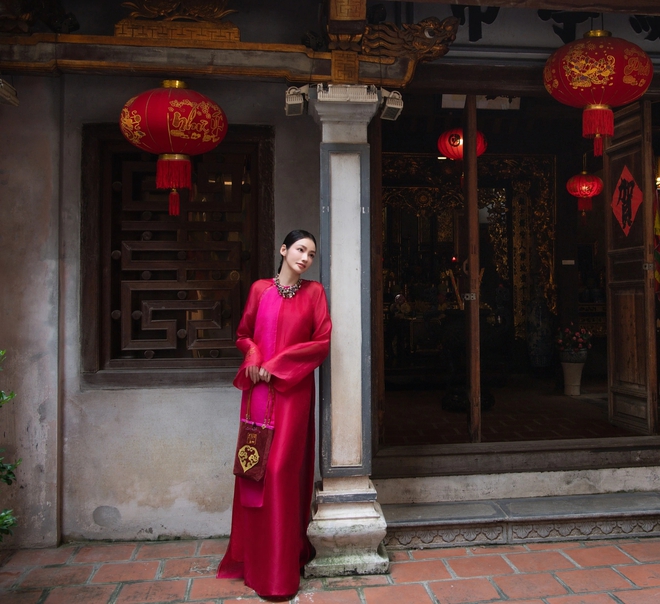
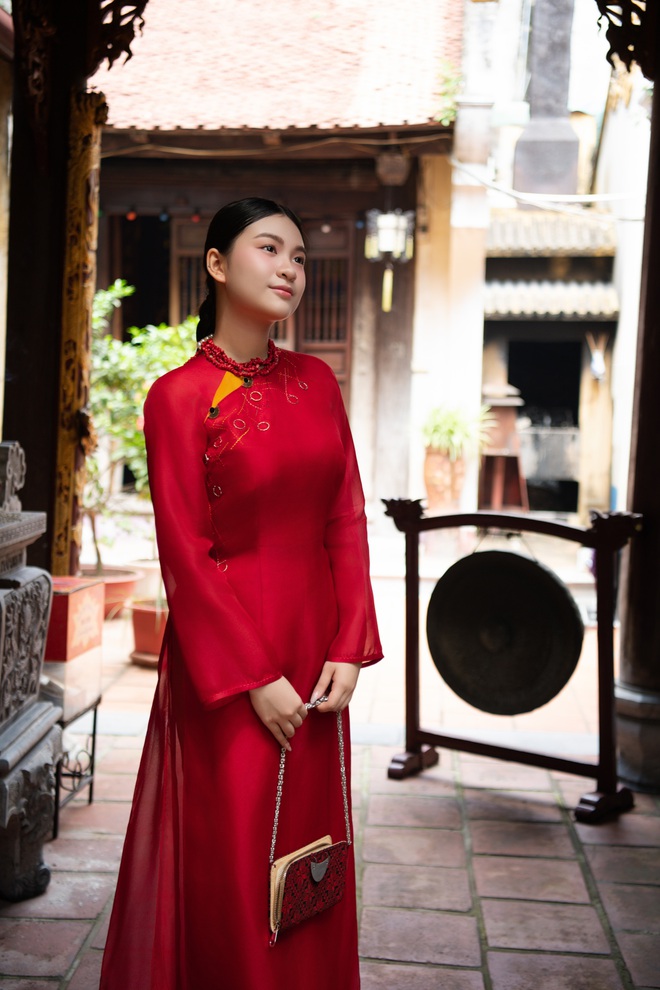
This collection is not simply about clothing; it's about the transmission of art and craftsmanship through generations, expressing pride in the ao dai, a symbol of Vietnamese women.
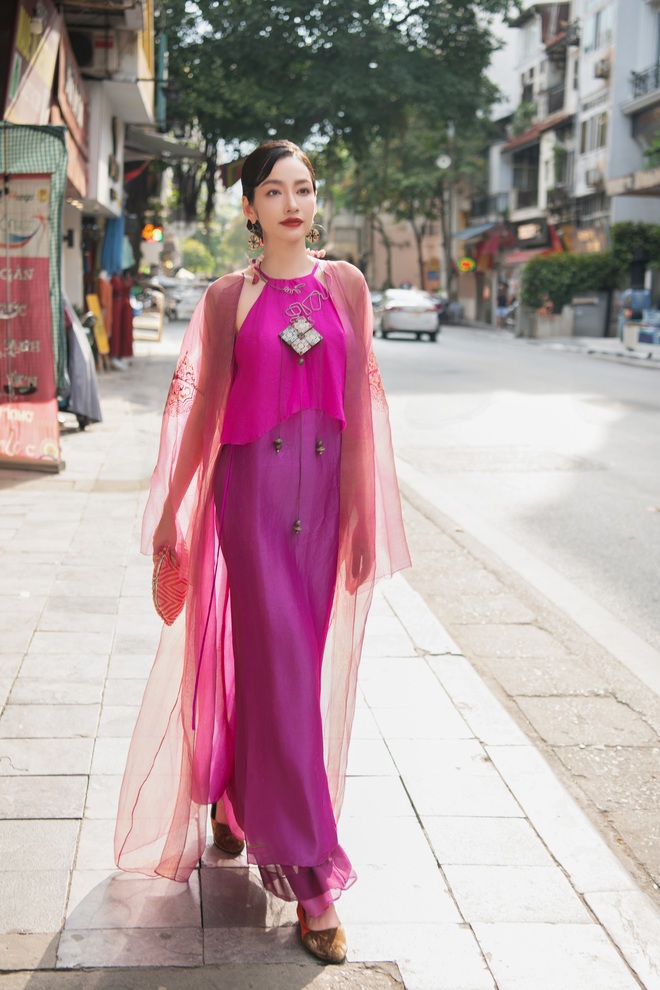
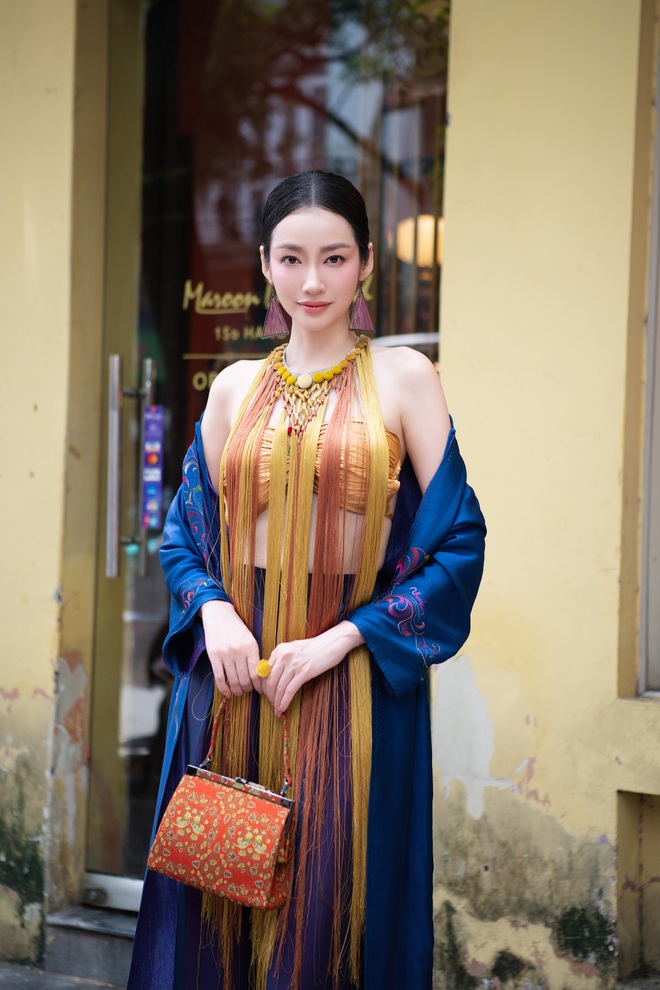
Each ao dai (traditional Vietnamese dress) is a product of culture, conveying different stories about preserving and safeguarding heritage and traditional crafts.
Designer Xuan Thu shared: “My family has been designing ao dai (Vietnamese traditional dress) for three generations. For me, the ao dai is not just clothing, but also the embodiment of the nation's cultural values. The passing down of skills between generations is like preserving cultural values in any country. Embroidery is a skill that needs to be honed, a traditional beauty that creates a unique style along with pride in the ao dai worn by Vietnamese women.”
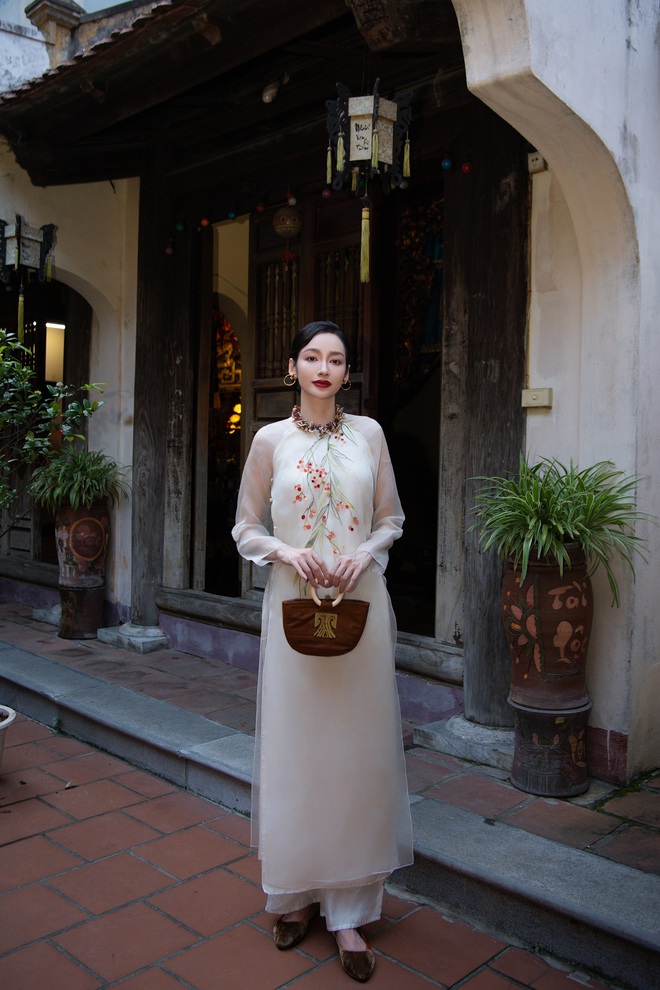
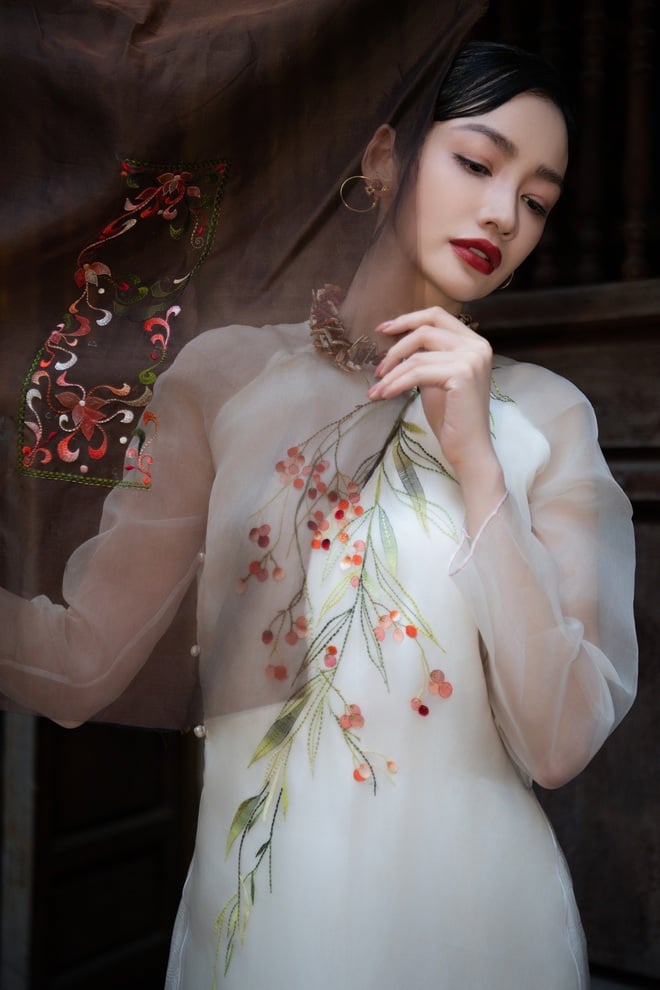
Hand embroidery on the ao dai, with its exquisite details, not only needs to be preserved but also needs to be strongly developed in the context of the modern fashion industry.
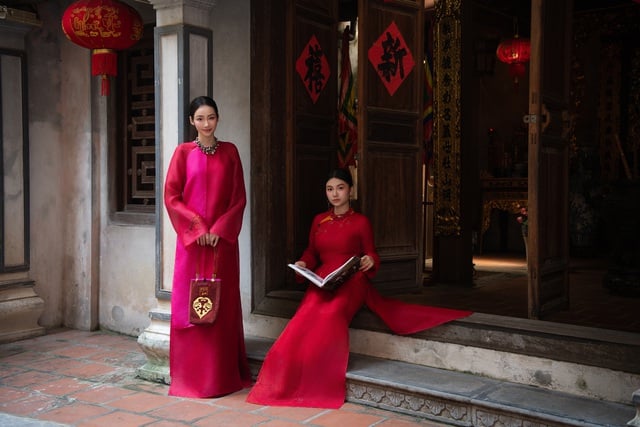
Miss Truc Diem and designer Nguyen Khanh shone brightly in a collection of ao dai (traditional Vietnamese dresses) that encapsulated the story of Vietnamese silk farming, silkworm rearing, silk weaving, and silk garment making – a harmonious blend of past and present.
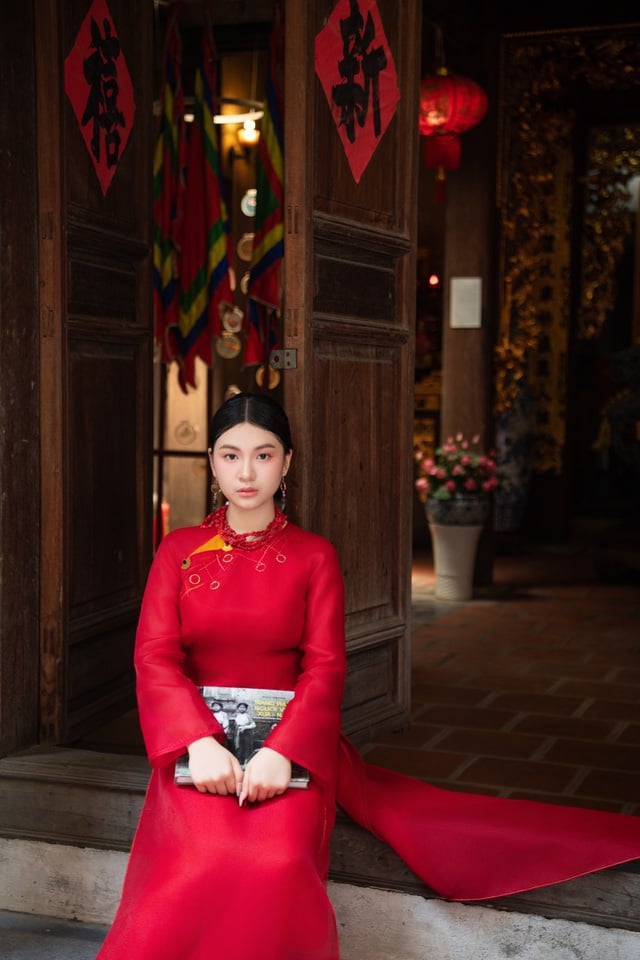
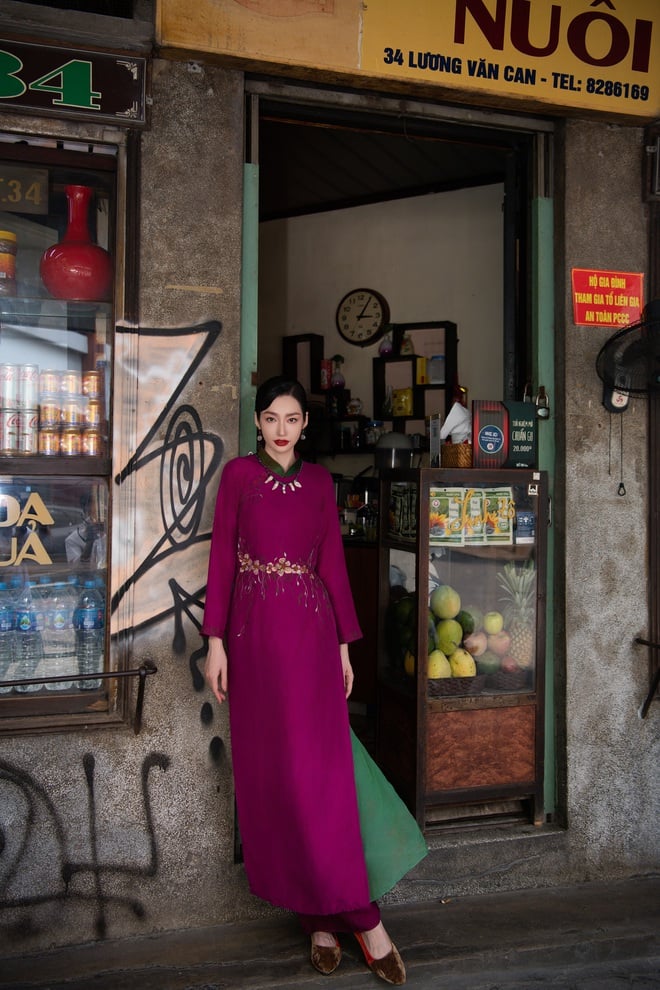
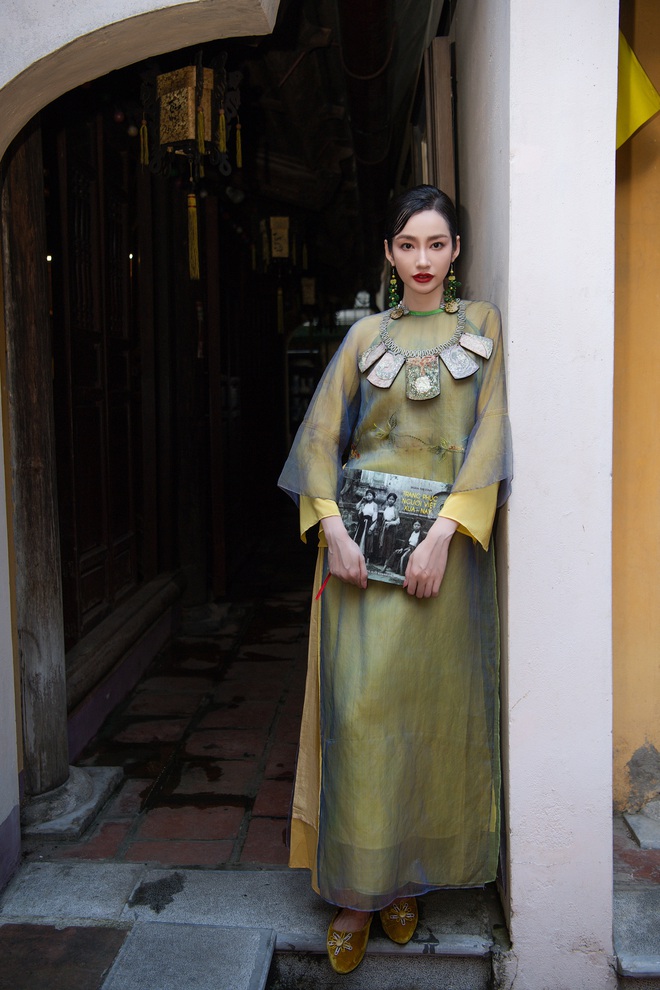
This ao dai is inspired by the traditional four-panel dress worn by Vietnamese women in the past, using delicate silk and chiffon fabrics to create a soft and graceful look for the wearer.
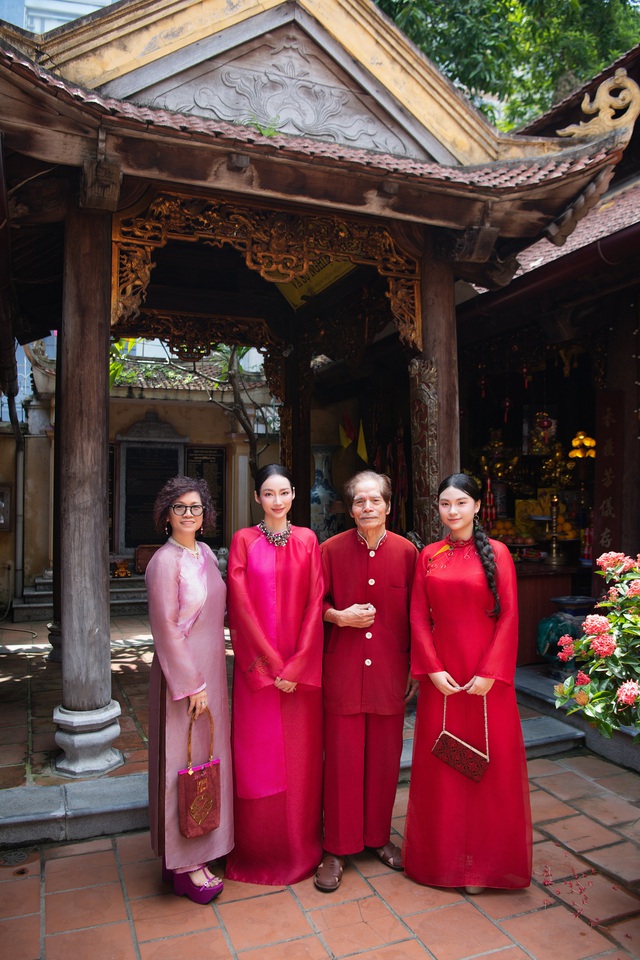
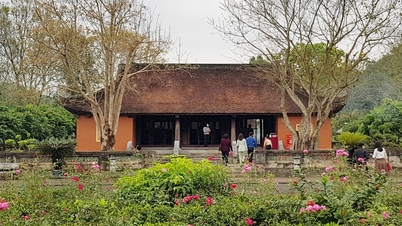
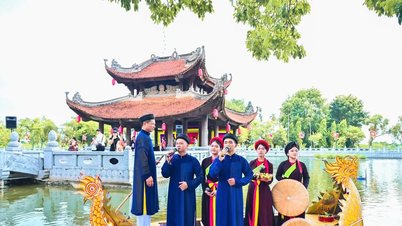
Notably, the collection was photographed and launched at Tu Thi Temple, considered the ancestral temple of embroidery on Tam Thuong Street (Hanoi).
The Tú Thị communal house is a National Monument, dedicated to Lê Công Hành (1606-1661), the founder of embroidery. He was instrumental in creating and developing Vietnamese embroidery. The designs worn and showcased at the Tú Thị communal house by Miss Trúc Diễm and young designer Phạm Nguyên Khanh contribute to promoting the cultural values and traditional embroidery craft of Hanoi in particular and Vietnam in general, while also promoting the Tú Thị communal house as a tourist destination.
With over 20 years of experience and dedication to designing ao dai (Vietnamese traditional dress), designer Xuan Thu has created many impressive collections that convey Vietnamese culture, such as: Village Gate, Son, Mother's Hands, Distant Sound, and Mother's Embroidery . Having participated in the Hanoi Ao Dai Tourism Festival 2022 organized by the Hanoi Department of Tourism, designer Xuan Thu annually introduces new collections to continue contributing to promoting the beauty of Vietnamese ao dai as a "cultural and tourism ambassador" of the capital and Vietnam.
Source: https://thanhnien.vn/thoi-trang-tre/ton-vinh-nghe-theu-ha-noi-qua-bo-suu-tap-ao-dai-duong-theu-cua-me-185241216232013938.htm


![[Image] Close-up of the newly discovered "sacred road" at My Son Sanctuary](/_next/image?url=https%3A%2F%2Fvphoto.vietnam.vn%2Fthumb%2F1200x675%2Fvietnam%2Fresource%2FIMAGE%2F2025%2F12%2F13%2F1765587881240_ndo_br_ms5-jpg.webp&w=3840&q=75)







































































Comment (0)