

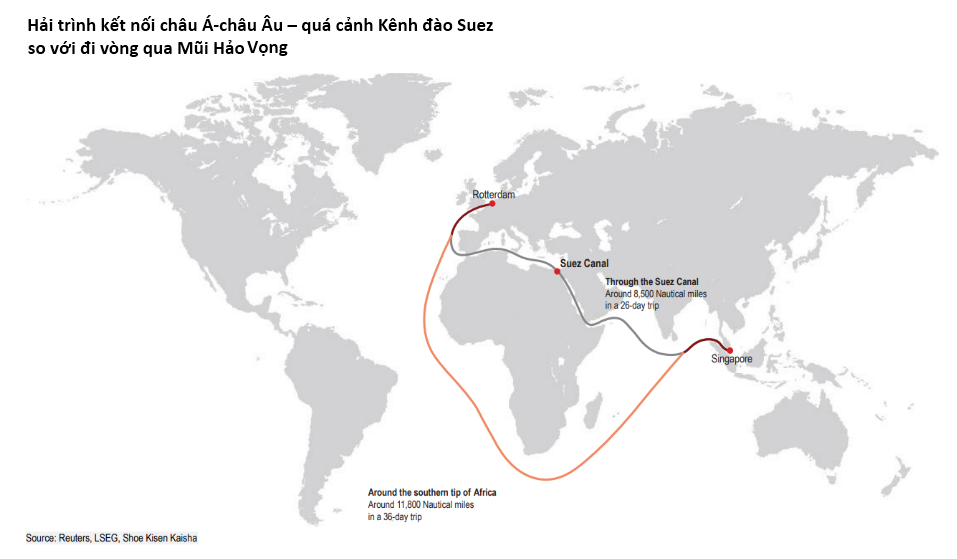
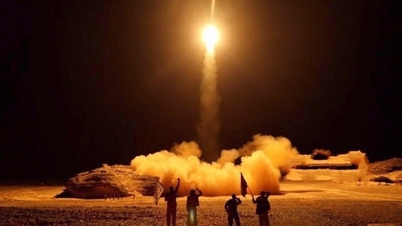
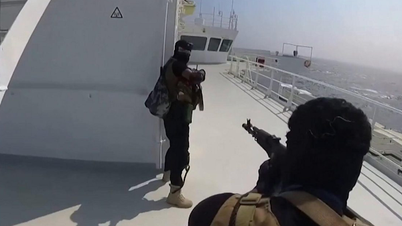
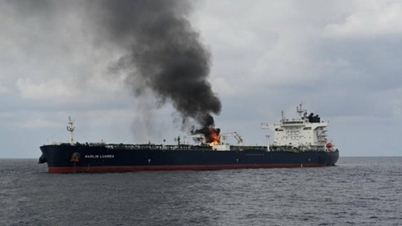
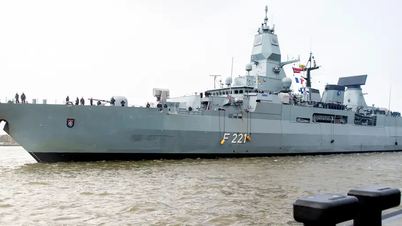
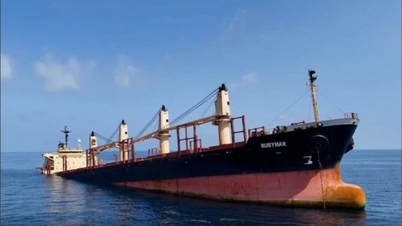
Amidst the ongoing tensions in the Red Sea due to attacks by Houthi rebels and Western retaliations, HSBC's Global Research division has released a report analyzing the impact of geopolitical tensions in the Red Sea on ASEAN trade.
At first glance, disruptions in the Red Sea appear to be a risk to Southeast Asian economies , which are anticipating a rebound in global trade, according to a report titled “ASEAN Perspectives: Red Sea, Red Alert?” by HSBC.
However, this is not necessarily an immediate "red alert" for ASEAN trade, as the bloc's import and export activities with Europe and the Middle East are also relatively limited, the report said, noting that certain products may be more vulnerable than others, such as textiles and footwear from Vietnam and automobile exports from Thailand.
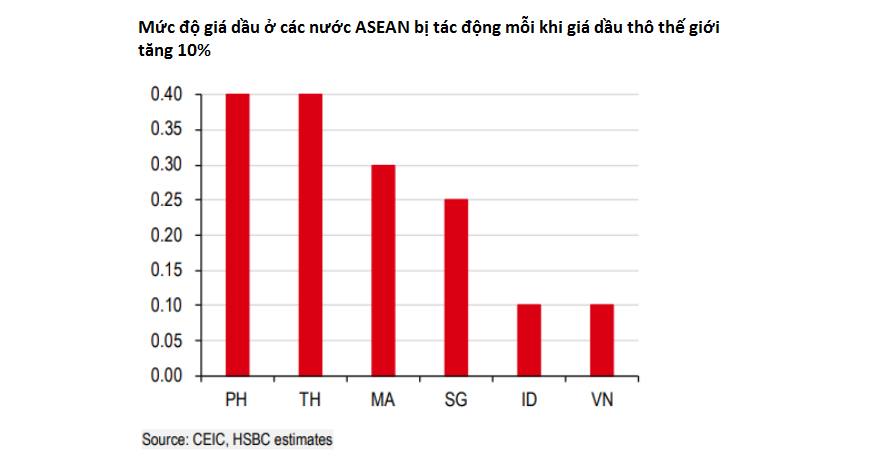
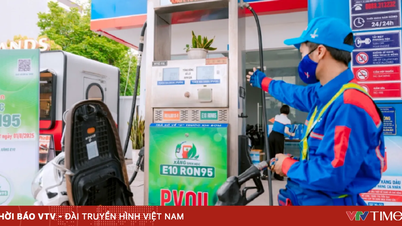
Furthermore, HSBC experts also emphasized the need to keep an eye on inflation, which easily fluctuates with oil price movements. According to the analysis of the UK-based multinational financial group, ASEAN is particularly vulnerable to the impact of world oil prices.
"Although trade with the Middle East is limited, one crucial commodity that cannot be overlooked is oil. With the exception of Indonesia, the remaining ASEAN countries import at least 50% of their crude oil from the Middle East," the HSBC report stated.
“However, we can be reassured by a closer look at the information regarding exporting countries: approximately 70% of ASEAN's oil imports from the Middle East originate from the Strait of Hormuz, where trade flows remain uninterrupted. Even with the remaining 30% imported from Saudi Arabia, many oil carriers have diverted their routes away from the Red Sea. To date, no tangible impact on world oil prices has been observed,” the report added.
Given the uncertainty surrounding the duration of the conflict in the Red Sea, HSBC warns Southeast Asian countries to closely monitor developments because energy inflation cannot be ignored.
“Ultimately, ASEAN is particularly vulnerable to global oil prices. Remember, most of the region saw a sharp increase in energy inflation in 2022, prompting central banks to tighten monetary policy quite aggressively,” the report stated. “While there is not yet sufficient reason to worry about a repeat of the energy shock, careful monitoring of how the situation might unfold is necessary, especially as central banks prepare to enter a period of monetary easing thanks to easing inflation.”
Regarding trade, in its report, HSBC advises Vietnam to pay attention to exporting textiles and footwear to Europe.
According to HSBC, although the US is the largest importer of this product from Vietnam, Europe's 20% market share is also significant. These shipments to Europe have not been affected by disruptions in the Red Sea, as evidenced by a 30% year-on-year increase in January. However, trade associations also warn of increasing difficulties in securing orders from Q2 2024 if tensions persist, the report states.
"In fact, some export businesses have sought alternative transport solutions as more and more shipping companies are turning to air freight to secure space. This has led to an increase in air cargo volume on the Vietnam-Europe route in January, even exceeding 6%, the peak level of 2023," HSBC noted.
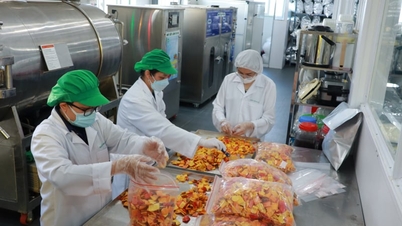
Similar to textiles and footwear, the HSBC report indicates that the impact of the conflict in the Red Sea on agricultural exports from ASEAN in general and Vietnam in particular has also been limited.
Looking at the two major agricultural exporting countries, neither Vietnam (17% market share) nor Thailand (13% market share) exports much to the EU and the Middle East. Ultimately, about 60-70% of their agricultural exports are for Asian customers, according to this bank's report. This is especially true for essential commodities like rice, where 50-80% of rice imports in the region come from Vietnam and Thailand.
However, HSBC suggests that other products may be more vulnerable. For example, nearly 50% of Vietnam's coffee exports go to Europe. But fortunately, recent Chinese demand for many Vietnamese agricultural products may more than offset any potential trade disruptions .
Minh Duc
Source


![[Photo] Secretary of the National Assembly Party Committee, Chairman of the National Assembly presides over the meeting of the Standing Committee and Executive Committee of the National Assembly Party Committee.](https://vphoto.vietnam.vn/thumb/1200x675/vietnam/resource/IMAGE/2026/06/03/1780480353201_ndo_br_bnd-2585-jpg.webp)
![[Photo] First session of the 14th Congress of the Vietnam Trade Union](https://vphoto.vietnam.vn/thumb/1200x675/vietnam/resource/IMAGE/2026/06/03/1780465947883_ndo_br_img-3852-jpg.webp)

![[Photo] General Secretary and President To Lam presides over a meeting with the Central Organizing Committee.](https://vphoto.vietnam.vn/thumb/1200x675/vietnam/resource/IMAGE/2026/06/03/1780482764658_a1-bnd-4741-3342-jpg.webp)







































![[Video] Sunset at Lap An Lagoon – Where the sun sets over the fishing nets](https://vphoto.vietnam.vn/thumb/1200x675/vietnam/resource/IMAGE/2026/05/31/1780192137701_beach-landscape-sea-water-nature-grass-745871-pxhere-com.jpeg)


























Comment (0)