


Haunted by the fear of prolonged illness, the young man was hospitalized in a panic attack.
A 27-year-old male patient, a worker at a garment factory in Hanoi , was admitted to the hospital in a state of panic, experiencing severe shortness of breath and muscle spasms in his limbs after months of living with the fear of having a terminal illness.
Previously, he had persistently experienced chest tightness and shortness of breath, suspecting a malignant tumor despite having visited numerous central hospitals and undergone a series of specialized tests such as ear, nose, and throat endoscopy, respiratory function tests, X-rays, chest CT scans, and echocardiograms… but all results were normal.
According to doctors, the young man had a sensitive personality and suffered from prolonged anxiety due to a stressful childhood and work-related stress. Constant negative thinking led to insomnia, neglect of work, withdrawal, and eventually suicidal thoughts. Upon admission to the Institute of Mental Health, assessments indicated severe depression, high levels of anxiety, and obsessive-compulsive disorder related to illness.
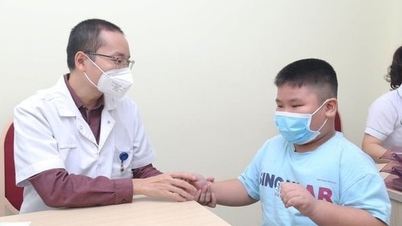
According to Master's degree holder and doctor Pham Thanh Tung, people with hypochondriasis are not faking it but are genuinely suffering and despairing because they always believe they have a dangerous disease even without any physical harm.
In modern society, many people are silently living in prolonged anxiety about illness, constantly going for checkups and tests even without obvious physical damage.
According to Dr. Vu Thi Lan, a specialist at the Institute of Mental Health, people with this disorder often exhibit typical symptoms such as "catastrophically" exaggerating bodily reactions. A small itchy rash may be misinterpreted as skin cancer; a fleeting cough may be mistaken for tuberculosis or a malignant tumor.
Many people fall into a state of "Dr. Google obsession," spending hours looking up symptoms online, self-diagnosing illnesses, and applying extreme treatments. They constantly measure their blood pressure, check their pulse, and examine their bodies in the mirror multiple times a day.
Some people constantly change doctors, requesting additional specialized tests because they believe their condition hasn't been properly diagnosed. Conversely, others avoid going to the doctor altogether because they are too afraid to face a bad diagnosis.
According to doctors, many people still believe this is just "imaginary illness" or that the patient is "pretending." However, modern medicine shows that illness-related anxiety disorders are clearly linked to biological factors and brain function.
This disease has a certain genetic component and is associated with an imbalance of neurotransmitters such as serotonin or dopamine – substances that play a role in regulating emotions. Functional brain MRI studies have also noted abnormally increased activity in the insular lobe and amygdala – areas that process bodily sensations and fear.
When this system "falsely alerts" the body, perfectly normal reactions such as a rapid heartbeat while walking, mild muscle fatigue, or transient shortness of breath can be interpreted by the brain as life-threatening signals.
When is intervention necessary to avoid negative mental health consequences?
Experts suggest that people with introverted, perfectionist, or sensitive personalities, or those who have experienced childhood trauma such as witnessing a serious illness or premature death of a loved one, or growing up in an overly protective environment, are more likely to develop this disorder when faced with pressure in adulthood.
According to doctors, if it lasts longer than 6 months, illness-related anxiety disorders not only waste money and time due to excessive doctor visits and tests, but also increase the risk of actual cardiovascular disease because the body is constantly in a state of prolonged stress.
To help yourself or your loved ones break free from this cycle, experts recommend several important measures.
First and foremost, it's important to limit self-referencing symptoms online. Receiving too much unverified information can easily lead the brain to misinterpret symptoms and worsen anxiety.
Patients should also practice controlling their thoughts by comparing their fears with factual evidence. For example, when the thought "chest pain must be a heart attack" arises, review the results of an electrocardiogram, echocardiogram, or previous professional assessments to help the brain adjust its perception towards a more objective view.
In addition, maintaining physical activity, sports , healthy hobbies, and social interaction can also help reduce excessive focus on bodily sensations.
Doctors recommend that, most importantly, when self-control measures are no longer effective, patients should seek psychiatric consultation as soon as possible. Currently, methods such as cognitive-behavioral therapy (CBT), combined with medication and modern brain modulation techniques like transcranial magnetic stimulation (rTMS), have helped many people manage their fear of illness and regain a normal life.
Source: https://nhandan.vn/tu-lo-au-den-khung-hoang-vi-am-anh-benh-tat-post964967.html

![[Photo] Ba Lang An Lighthouse - the "eye of the sea" amidst the "rock museum" of Quang Ngai province.](https://vphoto.vietnam.vn/thumb/1200x675/vietnam/resource/IMAGE/2026/05/29/1780038698840_anh-man-hinh-2026-05-29-luc-14-10-42.png)

![[Image] Pleasant weather helps students enter the 10th grade entrance exam with confidence.](https://vphoto.vietnam.vn/thumb/1200x675/vietnam/resource/IMAGE/2026/05/29/1780034401612_ngay-1-thi-lop-10-minh-duy-8-5009-jpg.webp)































































































Comment (0)