

Mr. Le Vu Tuan Anh, Chief Inspector of the Ministry of Natural Resources and Environment, emphasized that in recent years, implementing the Resolutions of the Party Committee of the Ministry of Natural Resources and Environment and the Party Committee of the Ministry of Natural Resources and Environment, and in reforming inspection, examination, and handling of complaints and denunciations, the Ministry's Inspectorate has determined that the reform must be substantive, not just a slogan. This has led to significant improvements in this area and has yielded many noteworthy results. These include: improving the quality of inspection teams, shortening the time for conducting inspections and examinations, and in many cases, provincial People's Committees have withdrawn administrative decisions that were appealed, and citizens have withdrawn their complaints. On the occasion of the Lunar New Year, Mr. Le Vu Tuan Anh shared many important contents and achievements resulting from the numerous reforms in the inspection and examination work of the Ministry of Natural Resources and Environment in recent times.
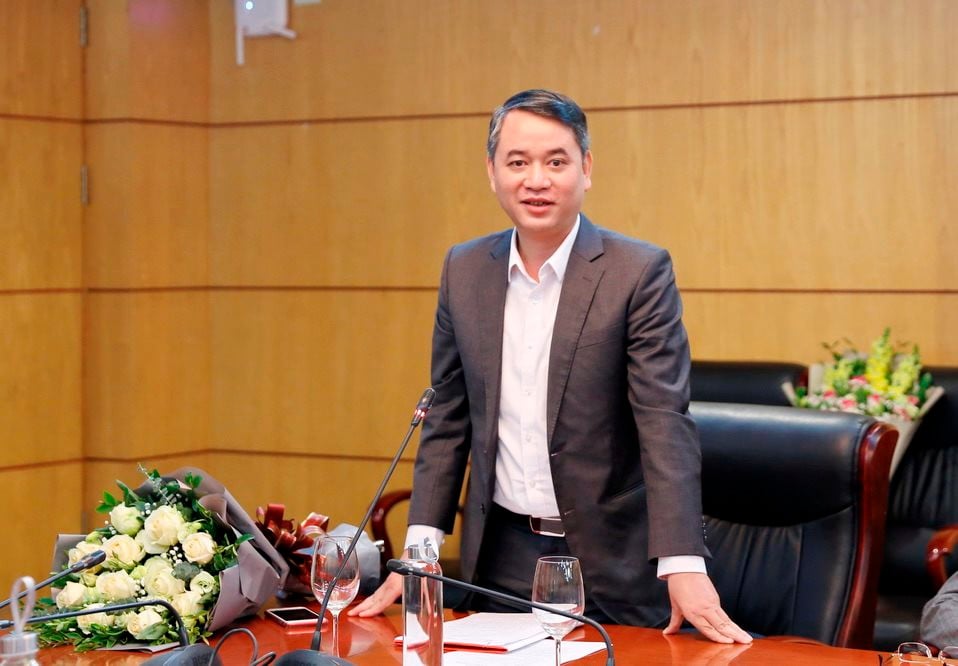
Inspection and supervision are important tools in state management of resources and the environment, aiming to promote positive factors, prevent and handle violations, and ensure that agencies, organizations, and individuals comply with and abide by the law. How has the reform of resource and environmental inspection and supervision been implemented, sir?
Mr. Le Vu Tuan Anh:
Following the directives of the Party Committee, the Party Standing Committee, and the Ministry's leadership on innovation in inspection and auditing work over the past years, the Ministry's Inspectorate has thoroughly reformed its inspection work through various specific solutions. Accordingly, inspection, auditing, and complaint resolution work is constantly reviewed, evaluated, and lessons learned are regularly applied so that specialized departments can proactively implement thorough reforms from the preparation stage to the completion of each inspection, auditing, or complaint case.
Accordingly, the Ministry's Inspectorate has made many innovations in its inspection and auditing work. First, regarding the development of inspection and auditing plans, the Ministry's Inspectorate has directed its specialized departments to gather information and documents related to the management and use of resources and environmental protection in localities nationwide to serve the development of the Ministry's annual inspection and auditing plan. This information and document gathering process is carried out regularly through working with the Departments of Natural Resources and Environment, through media outlets, and through feedback from the public.
In addition, the Ministry's Inspectorate annually organizes 3-5 working groups to meet with the Departments of Natural Resources and Environment to address difficulties and obstacles in inspection and supervision work in the field of natural resources and environment, and to urge the resolution of complaints and denunciations related to natural resources and environment. The regional inspection offices proactively gather information within their assigned areas to propose inspection content and plans.
The Inspectorate of the Ministry assigns staff to be on duty during office hours to man the hotline and promptly receive feedback and suggestions from the public; at the same time, the Inspectorate of the Ministry also receives feedback sent by the public via the Inspectorate's email address.
In particular, the Ministry's Inspectorate regularly coordinates with the Natural Resources and Environment Newspaper to gather information on violations of laws regarding natural resources and the environment (this coordination is carried out daily or multiple times a day depending on the quantity and nature of the information); the information is recorded, compiled, and evaluated so that it can be included in inspection and audit content in the annual plan; at the same time, it will consider organizing surprise inspections and audits when necessary.
In addition, the Ministry's Inspectorate proactively coordinates with relevant units to promptly review and address overlaps and submits proposals to the Ministry for the issuance of adjustments and additions to the annual inspection and audit plan to ensure it is consistent with the actual situation.
Regarding the implementation of inspection and audit work, in 2023, after the inspection plan was approved by the Minister, the Ministry's Inspectorate developed an implementation plan, assigning detailed tasks to the Inspectorate leadership and specialized departments for execution. With the aim of minimizing the time spent on direct inspections at the local level, from the beginning of the year, the specialized departments assigned to lead the tasks proactively developed outlines and report forms, requested the inspected entities to provide documents and conducted research to prepare for the inspection. After collecting documents, the specialized departments and assigned officers conducted research and prepared reports on the research results, proposed detailed content for the inspection, and defended their proposals before the Inspectorate leadership.
After the inspection leadership team listens to and provides feedback on each content and subject of the inspection, and agrees on the detailed implementation plan for each inspection team, they will submit the inspection decision for issuance and commence the inspection. Meetings to discuss the implementation of each inspection or audit may be held multiple times if the requirements have not yet been met.
In addition, the Ministry's Inspectorate annually organizes training courses for its inspection staff from the grassroots level. Through inspection work, dispute resolution, handling of complaints and denunciations, and processing of land-related violations, professional expertise has been exchanged, and difficulties and shortcomings in the performance of official duties have been addressed. This has led to the review and proposal to competent authorities to adjust and supplement policies and laws to better suit practical realities.
Thanks to innovations in the planning and implementation of inspection and audit activities, the detailed implementation plans of each inspection and audit team have ensured that the targets and content are correct, shortening the time spent directly working at the locality or inspection site by 40-50%; while ensuring effectiveness and efficiency; and ensuring that the time for issuing inspection conclusions meets the requirements.
Thanks to this, the Ministry's Inspectorate and its affiliated units have basically completed the 2023 inspection and audit plan with a total of 160 inspections and audits of 495 organizations. This includes 2 administrative inspections, 3 multi-sector inspections, 66 specialized inspections according to the plan, and 89 unscheduled inspections. Through these inspections and audits, 138 administrative violation penalties have been issued, totaling nearly 57 billion VND. Unscheduled inspections and audits have been carried out in accordance with the Minister's directives, with 89 out of 160 inspections (56%) conducted during the period, representing a 17% increase compared to the same period in 2022.
So, how have we handled the work of receiving citizens and resolving complaints and denunciations, sir?
Mr. Le Vu Tuan Anh:
Under the direction of the Ministry's leadership, since 2020, the Ministry's Inspectorate has thoroughly implemented reforms in handling complaints under the Minister's authority, specifically: directing the Citizen Reception and Complaint Handling Department to coordinate with other departments of the Ministry's Inspectorate to evaluate, learn from experience, and propose solutions to thoroughly address obstacles in citizen reception and complaint/denunciation resolution.
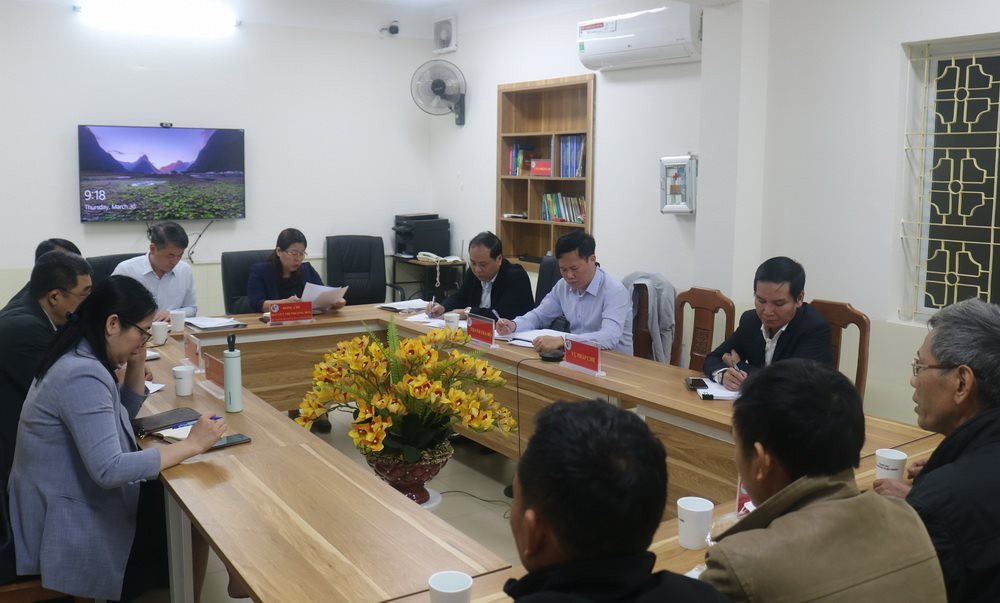
The Ministry strictly adheres to the legal regulations on citizen reception, assigning qualified and competent staff to regularly receive citizens at the Ministry's designated citizen reception location. During the citizen reception process, efforts are intensified to disseminate information and provide explanations to ensure citizens understand and comply with legally binding decisions. Regular citizen reception is ensured by the Ministry's leadership and heads of its affiliated units in accordance with regulations.
In particular, the Ministry receives, classifies, and processes complaints and petitions in accordance with the law. Complaints, denunciations, suggestions, and feedback from citizens sent to the Ministry have been entered and tracked on the complaint and denunciation management system, classified, and processed according to regulations. For complaints within the Ministry's jurisdiction, those assigned by the Prime Minister are handled and resolved according to the law; for complaints outside the Ministry's jurisdiction, guidance is promptly provided, and the complaints are forwarded to the competent authorities for consideration and resolution in accordance with regulations, resulting in virtually no backlog of complaints.
Regarding complaint resolution, the Ministry's Inspectorate focuses on preparing for the verification of cases. For cases within its jurisdiction or assigned by the Prime Minister, before implementation, the Ministry issues a written notice to the parties involved regarding the acceptance of the case for resolution, and simultaneously requests the Provincial People's Committee and the parties involved to provide information, documents, and evidence for resolving the complaint. Based on this, they agree on the plan, the content to be verified, and the documents, files, and evidence to be collected. This approach is very effective, helping the verification teams to focus on key areas, shortening the time spent in the localities, and also serving as a form of training to improve the skills of officials, especially those assigned as team leaders, making them feel confident and secure in their work.
Furthermore, during the verification and resolution of complaints, emphasis is always placed on dialogue, mediation, and dissemination of policies and laws so that citizens understand and voluntarily withdraw their complaints.
Innovations in complaint resolution have contributed to the successful mediation of many land disputes, saving time and costs and eliminating the need for issuing complaint resolution decisions. Through dialogue, the Provincial People's Committee has withdrawn administrative decisions that were appealed, and citizens have withdrawn their complaints. As a result, the number of cases where complaint resolution was suspended reached 62% of the cases resolved within its jurisdiction.
In 2023, the Ministry's Inspectorate focused on verifying 100% of the cases assigned by the Prime Minister and those falling under the Ministry's jurisdiction. This resulted in reports on 10 out of 14 cases assigned by the Prime Minister and written resolutions on 28 out of 115 complaints under the Ministry's jurisdiction (including 58 cases with the same issue). The Ministry also received 399 pieces of feedback and suggestions via hotline and email. The Ministry issued 96 documents requesting localities to check and process eligible information and guide citizens according to regulations, and provided direct guidance on 134 cases.
Could you please tell us what directives the Ministry's Inspectorate will issue to continue implementing reforms in inspection, examination, and complaint resolution in the coming period?
Mr. Le Vu Tuan Anh:
The Ministry's Inspectorate will continue to direct and promote innovation in inspection, examination, and complaint resolution work in the coming period. Specifically, it will continue to strengthen the work of gathering information and documents, and organize meetings with the Departments of Natural Resources and Environment to promptly resolve difficulties in inspection, examination, and complaint resolution work, and to serve the development of inspection and examination plans and to promptly implement surprise inspections when necessary.
At the same time, strengthen inspection and supervision of inspection teams to ensure that inspections are of high quality, effective, and on schedule, especially regarding compliance with legal regulations on the issuance of inspection reports and conclusions; strengthen the inspection and monitoring of the implementation of inspection conclusions and recommendations; and strictly adhere to regulations on compilation and reporting.
Strictly implement the Law on Receiving Citizens' Complaints and the Government Decree No. 64/2014/ND-CP detailing the implementation of some articles of the Law on Receiving Citizens' Complaints. Receive and process complaints and denunciations from citizens promptly and effectively. Maintain regular duty shifts and receive feedback through the Ministry's hotline. Focus on resolving definitively the cases assigned by the Prime Minister and those falling under the Minister's authority and responsibility.
In addition, annual training will continue to be organized for officials in the field of natural resources and environment on inspection work from the commune, district, and departmental levels.
Thank you very much, sir!
Source



![[Photo] General Secretary and President To Lam presides over the meeting to approve the draft report on the results of the second inspection by the Politburo of the Standing Committee of the Hanoi City Party Committee.](https://vphoto.vietnam.vn/thumb/1200x675/vietnam/resource/IMAGE/2026/05/26/1779789811432_a2-bnd-4430-9620-jpg.webp)









































































Comment (0)