 |
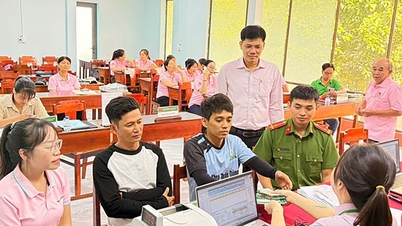
| Patients have their respiratory function measured using an AI-powered system at Thong Nhat General Hospital. Photo: Hanh Dung. |
Embracing the trend of digital transformation and the application of artificial intelligence (AI) in medicine, Thong Nhat General Hospital has implemented an AI-integrated respiratory function testing machine to improve the quality of medical examination and treatment at the hospital.
Get results immediately
Pulmonary function testing is a crucial technique for assessing lung capacity, airflow velocity, and detecting obstructive or restrictive ventilatory disorders. It is an indispensable tool in the diagnosis and monitoring of conditions such as asthma, COPD, occupational lung diseases, and pre-surgical evaluation.
Previously, this method relied heavily on the patient's blowing technique, the nurse's guidance, and the doctor's analytical experience. If the patient performed the procedure incorrectly or the results contained technical errors, interpreting the results could take longer, potentially affecting the quality of the diagnosis.
From mid-April 2026, Thong Nhat General Hospital officially put into use an AI-powered respiratory function testing system. This technology allows the system to automatically identify technical errors during measurement, guiding patients to adjust blowing force, breathing time, and posture at the time of testing. Simultaneously, the AI analyzes flow and volume graphs, compares data with standard values based on age, gender, and physical condition, and provides suggested initial results almost immediately.
According to Ms. Hoang Thi Nhu Huong, a nurse in the Functional Examination Department at Thong Nhat General Hospital: "Previously, the machine mainly measured parameters, and then the doctor read and analyzed the results. Now, with AI, the system can suggest results immediately after completion."
Patients benefit from modern technology.
Having suffered from asthma for the past 15 years, Ms. NTHN (49 years old, residing in Trang Dai ward) shared: "Previously, every time I had a regular check-up, I had to spend extra time waiting for the doctor to read the results after the measurement. But now, thanks to AI, the results are displayed faster, helping me understand my health status immediately after the measurement without having to worry about waiting for the doctor to read the results like before."
Mr. D.QM (70 years old, residing in Long Binh ward), who regularly undergoes routine health checkups due to persistent cough and shortness of breath, also highly appreciates the technological advancements in medical examination and treatment. Modern equipment allows for faster respiratory function testing and earlier results, making Mr. M. feel more at ease when going for checkups.
According to Dr. Tran Lam Giang, head of the Functional Examination Department, AI does not replace doctors but plays the role of an effective "assistant." The new technology significantly reduces the time spent reading results, supporting doctors with initial guidance before re-examining. This both reduces workload and speeds up the delivery of results to patients while still ensuring accuracy.
"More importantly, AI helps standardize the measurement process according to international standards, limiting errors due to manipulation or subjective experience. This is a major advantage in the context of the increasing number of patients with chronic respiratory diseases, especially in industrial areas like Dong Nai , where workers are at high risk of exposure to fine dust, chemicals, and industrial fumes," said Dr. Giang.
According to Dr. Nguyen Tuong Quang, Director of Thong Nhat General Hospital, thanks to AI technology, minor abnormalities in respiratory function can be detected earlier; contributing to improved community screening effectiveness, especially for long-term smokers, hazardous environment workers, the elderly, or post-Covid-19 patients.
In the near future, Thong Nhat General Hospital will continue to apply AI in reading electrocardiogram (ECG) and echocardiogram results. AI will become an important part of the hospital's digital healthcare ecosystem, supporting the entire process from patient reception, screening, diagnosis to treatment monitoring. Integrating big data from electronic medical records will also allow for personalized treatment and better prediction of future disease risks.
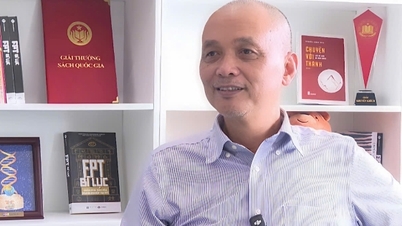
Dr. Nguyen Tuong Quang, Director of Thong Nhat General Hospital
Doctors believe that the application of AI in respiratory function testing not only serves treatment but also expands its role in prevention. If widely implemented in lower-level medical facilities, industrial zones, schools, or routine health check-up programs, this technology could help detect thousands of potential lung diseases early before they become severe. This would mean reduced long-term treatment costs, less burden on higher-level hospitals, and most importantly, protection of people's health from an early stage.
Hanh Dung
Source: https://baodongnai.com.vn/xa-hoi/y-te/202605/ung-dung-aide-do-chuc-nang-ho-hap-af6049f/




































































































Comment (0)