

Testing shipping and delivery

Following the successful use of UAVs for rescue and relief operations serving people affected by storms and floods in Central Vietnam, several businesses have been experimenting with UAVs for transportation and delivery since the end of 2025.
In late December 2025, Duc Giang General Hospital (Hanoi), in collaboration with Vietnam Post , will pilot the application of UAVs in transporting patient samples, medicines, and medical supplies using small aircraft. The drones are specifically designed for medical transport trials, flying within a 10 km radius, expandable to 20 km when needed; two flights per day are planned.
The UAV has a payload capacity of approximately 10 kg, and its specialized storage compartment is designed to ensure the necessary conditions for storing specimens, medications, and medical supplies. Based on this pilot model, the city aims to build a smart, modern healthcare system that approaches international standards.
In mid-February 2026, VietnamPost, in collaboration with the Ho Chi Minh City Department of Science and Technology and CT UAV Joint Stock Company, launched the Can Gio - Vung Tau (Ho Chi Minh City) sea freight route. In the initial phase, VietnamPost prioritizes transporting small parcels under 5kg, including documents, files, and e-commerce packages.
The drone completes the journey of over 12 km each way between Can Gio and Vung Tau in 15 minutes, which is about 6 times more efficient than road transport and 3 times more efficient than water transport, significantly shortening delivery time between two areas with unique geographical conditions.
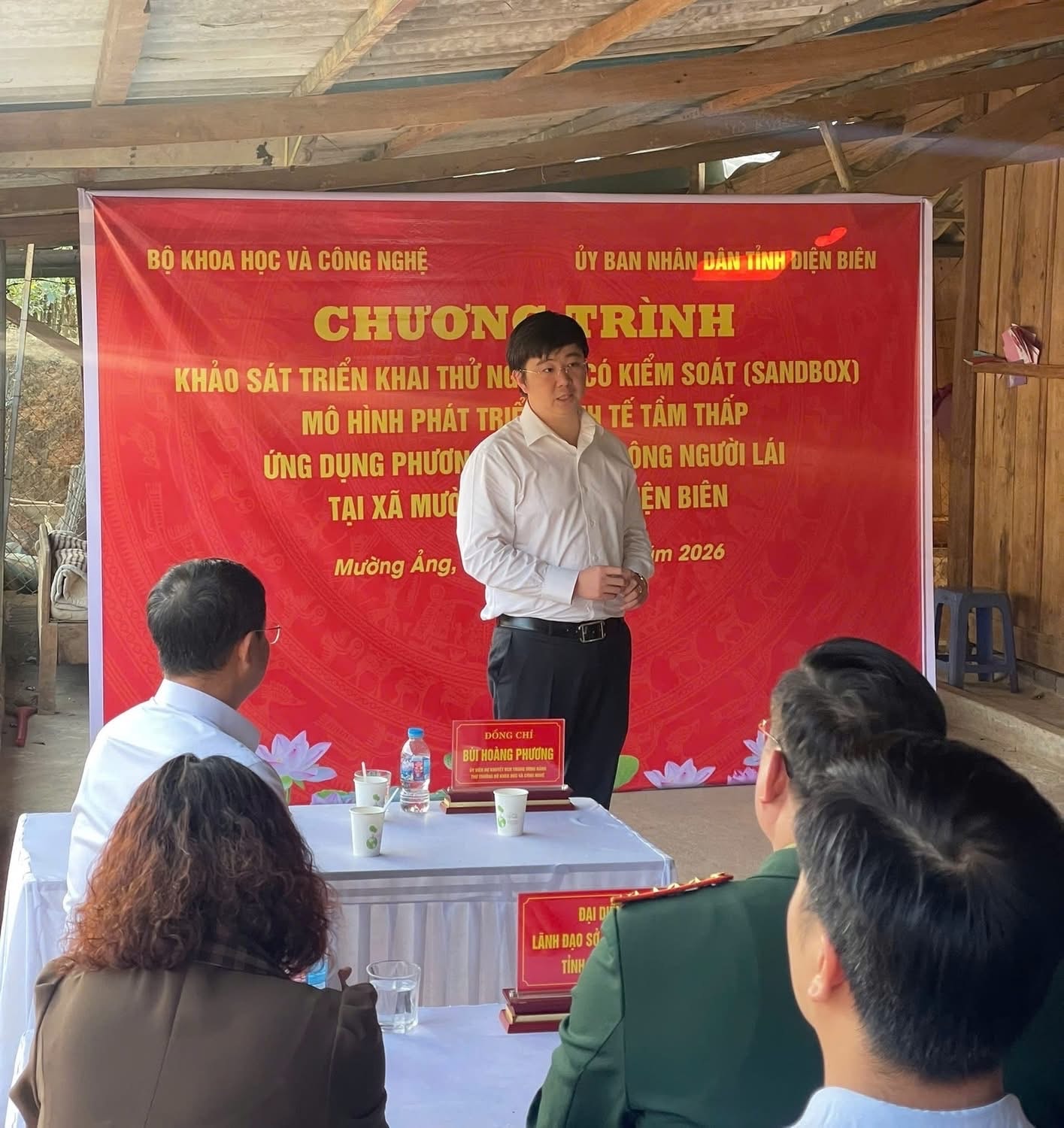
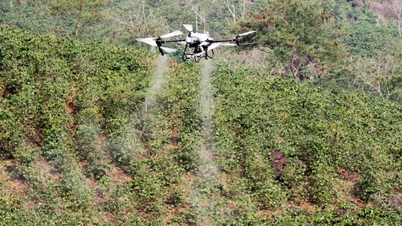
In early March, VietnamPost tested a UAV for transporting harvested Shan Tuyet tea in Dien Bien province. The application of UAVs contributes to shortening transportation time, reducing costs, minimizing post-harvest losses, and enhancing the value of the product in areas with difficult transportation access.
At the Vietnam Low-Tech Economy International Forum 2025 held late last year, experts stated that the global low-tech aviation industry alone is valued at approximately US$700 billion by 2035. In Vietnam, the potential of the low-tech economy is estimated to reach US$10 billion. With its geopolitical advantages, policies encouraging innovation, and a young and dynamic workforce, Vietnam is poised to become a regional and global hub for low-tech industries.
Previously, the Low-Level Economic Alliance, with the participation of dozens of domestic technology companies and investment funds, was established and launched in October 2025. The alliance expects this new economy to boost thousands of supporting businesses, create 1 million high-quality jobs, and bring in tens of billions of USD for Vietnam in the next 10-15 years.
UAVs open up a low-altitude space economy model.

In 2026, the Ministry of Science and Technology, in coordination with other ministries, sectors, and localities, will commission research and development of core technologies and strategic technology products, directly linked to the actual needs of state agencies, localities, and the market. Accordingly, six specific products will be prioritized for research and development, including: Large-scale language models and Vietnamese virtual assistants; UAVs; AI edge processing cameras; autonomous mobile robots; blockchain infrastructure platforms; and 5G mobile network systems and equipment.

Previously, unmanned aerial vehicles (UAVs) became one of the three products in the aerospace technology group – one of the 11 strategic technology groups that Vietnam aims to master. The above information shows that the Party and the State are very interested in the development of this field.
Experts also believe that UAVs and aerospace technology in low-level economic development open up new, sustainable industries and are pillars for the digital economy, smart cities, and modern agriculture.
According to Mr. Vu Anh Tu, Director of FPT UAV (part of FPT Group), the global market has reached hundreds of billions of USD, growing by 30% annually, and has been identified as a strategic industry by major economies such as the US, China, and Europe. Vietnam is facing a "golden opportunity" to enter this field, opening up a completely new economic sector based on aviation, aerospace, and UAV technology.

Analyzing the development potential of the low-level economy, Mr. Vu Anh Tu pointed out that the low-level economy opens up opportunities for the formation of a completely new industry in Vietnam - not only producing UAVs, but also including equipment, chips, sensors, building air traffic management platforms and 3D digital maps, developing operational services, insurance, training, and applications in agriculture and other fields.
“By seizing opportunities and investing in LAE, we are promoting the three pillars of the new era: the digital economy, the green economy, and the knowledge economy, while simultaneously awakening the creative potential of Vietnamese engineers and scientists, providing better services to people in remote areas and islands, and affirming Vietnam's position on the global technology map,” Mr. Tu said.
According to the latest information from Vietnam Post, testing of unmanned aerial vehicles (drones) in postal transportation and operations is still ongoing. Based on these pilot models, the corporation will evaluate, refine, and gradually expand the scope of application in the future.
Source: https://hanoimoi.vn/ung-dung-uav-cho-phat-trien-kinh-te-so-737924.html

![[Photo] General Secretary and President To Lam presides over the meeting to approve the draft report on the results of the second inspection by the Politburo of the Standing Committee of the Hanoi City Party Committee.](https://vphoto.vietnam.vn/thumb/1200x675/vietnam/resource/IMAGE/2026/05/26/1779789811432_a2-bnd-4430-9620-jpg.webp)










































































Comment (0)