

 |
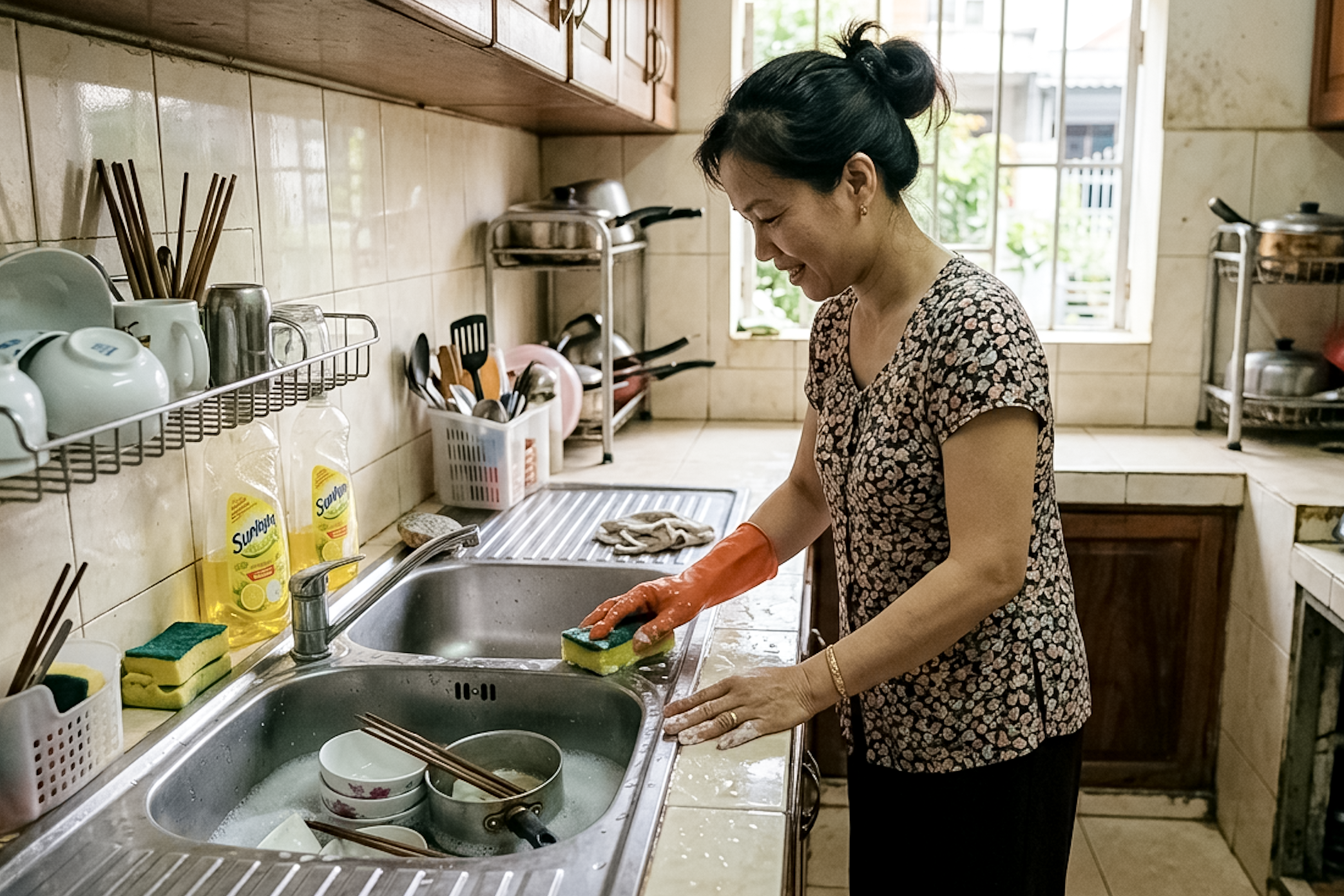
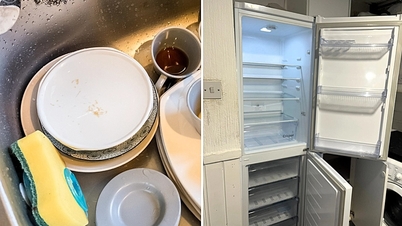
| People should clean their kitchens regularly to prevent food safety-related illnesses. (Image: AI illustration) |
Being careful in selecting and preparing food is the strongest "shield" to protect your own health and that of your family.
The changing weather during the transitional seasons creates favorable conditions for bacteria to thrive.
According to Ms. Le Thi Xuan, M.Sc., Department of Nutrition, City Center for Disease Control, the transition period from the dry season to the rainy season, with its humid environment, creates favorable conditions for bacteria and viruses to thrive. Specifically, high humidity facilitates the growth of bacteria and mold. When the rainy season officially begins, some areas in Dong Nai will experience flooding. This poses a risk of water contamination. Specifically, drinking water and food are easily contaminated by bacteria that cause cholera, dysentery, typhoid, E. coli, etc. These are leading causes of acute diarrhea, food poisoning, and enteritis. If people use well water or untreated water for food preparation, the risk of cross-contamination is very high.
To ensure food safety during transitional weather conditions, people should choose fresh, clean food; cook food thoroughly; eat food immediately after it is cooked; cover and store food carefully and reheat it thoroughly before eating; and avoid placing cooked food next to raw food.
The transitional period between seasons also creates favorable conditions for the proliferation of insect vectors. Rain and humidity increase the density of flies, cockroaches, and rats. These are the main agents that transport disease-causing microorganisms from the contaminated environment into food.
"Compared to the dry season, when food spoils easily due to high temperatures, in the rainy season food is more susceptible to contamination from polluted water sources, harmful viruses and bacteria, and disease-carrying insects..." - Ms. Le Thi Xuan, M.A., emphasized.
During seasonal changes, grains and seeds are susceptible to mold. Leafy vegetables and raw vegetables are easily contaminated with bacteria and parasites such as E. coli, salmonella, and worm eggs carried by rainwater carrying organic waste from the soil surface. Furthermore, vegetables are easily damaged by rain, creating conditions for bacteria to penetrate the plant tissues, making it difficult to completely remove them with ordinary water washing.
For processed foods and street food, especially during the transitional seasons with "sunny mornings and rainy afternoons," Staphylococcus aureus bacteria often enter the food from the hands of food handlers or insects (flies, cockroaches), producing toxins that cause gastrointestinal illnesses.
For live seafood, the water environment (salinity, turbidity) changes drastically after rain, making seafood such as clams, mussels, snails, oysters, shrimp, etc., easily contaminated from coastal waters.
Preventing food safety-related diseases.
The transition from hot to rainy weather, with fluctuating humidity, creates favorable conditions for the growth of viruses, bacteria, and fungi that cause disease. This increases the risk of illnesses directly related to food safety and hygiene. A prime example is acute diarrhea caused by E. coli and salmonella. These two "culprits" often contaminate food through contaminated water sources or unhygienic hands during food preparation.
Shigella dysentery is often associated with eating unwashed raw vegetables and fruits during the rainy season. Typical symptoms include abdominal cramps, tenesmus, and bloody, mucous stools. Staphylococcus aureus infections are usually caused by bacterial toxins present in cooked foods left at room temperature for too long (especially processed foods, sticky rice, and rice cakes). Parasitic infections such as liver flukes, tapeworms, and roundworms are common among people who habitually eat raw vegetables, raw fish dishes, or raw blood dishes during this time.
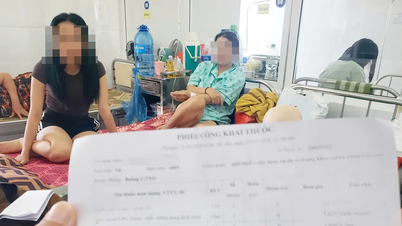
According to Master's degree holder Le Thi Xuan, after consuming contaminated food or drink, patients may experience symptoms such as: nausea and vomiting, sometimes even vomiting blood; headache, dizziness, discomfort, abdominal pain, frequent diarrhea (stool and urine may contain blood), and possibly no or high fever. More severe symptoms include: hypotension (sweating, cold hands and feet...), altered consciousness, seizures, coma... Symptoms may appear after a few minutes, a few hours, or even after 1-2 days depending on whether the causative agent is bacteria, virus, or toxin.
For mild cases of food poisoning (nausea, mild diarrhea, symptoms gradually subsiding), patients can self-monitor at home; replenish fluids by drinking plenty of water, fruit juice, or oral rehydration solution (ORS) (prepared according to the correct ratio); use probiotics to stabilize the gut; eat soft, easily digestible foods (porridge, soup); and divide meals into smaller portions to avoid putting pressure on the digestive system. It is important to note that patients should not self-medicate with anti-diarrheal drugs.
In severe cases (persistent vomiting, severe diarrhea, low blood pressure, seizures), the patient should be taken to the nearest medical facility for immediate emergency treatment.
To prevent food poisoning at home, according to Master's degree holder Le Thi Xuan, people need to regularly clean their kitchen environment, especially the kitchen counter and sink area, and ensure that cooking utensils are clean and hygienic. Kitchen towels are the place where the most bacteria accumulate, so they need to be washed thoroughly and dried in the sun or replaced frequently. Regarding water sources, only use clean, treated tap water for washing food and cooking. Regularly clean household water storage tanks, especially after heavy rains or localized flooding…
Sea Swallow
Source: https://baodongnai.com.vn/dong-nai-cuoi-tuan/202605/an-toan-thuc-pham-khi-giao-mua-04802b3/

![[Image] Close-up view of the interchange connecting the two expressways and Long Thanh Airport.](https://vphoto.vietnam.vn/thumb/1200x675/vietnam/resource/IMAGE/2026/05/25/1779703378210_ndo_br_z7863716673926-224453a31600126cce10622af6290afd-4549-jpg.webp)


![[Image] Hanoi's urban life under the challenge of a "scorching hot" environment](https://vphoto.vietnam.vn/thumb/1200x675/vietnam/resource/IMAGE/2026/05/25/1779706979265_nang-nong-t5-2026-minh-duy-7-4636-jpg.webp)










































































Comment (0)