

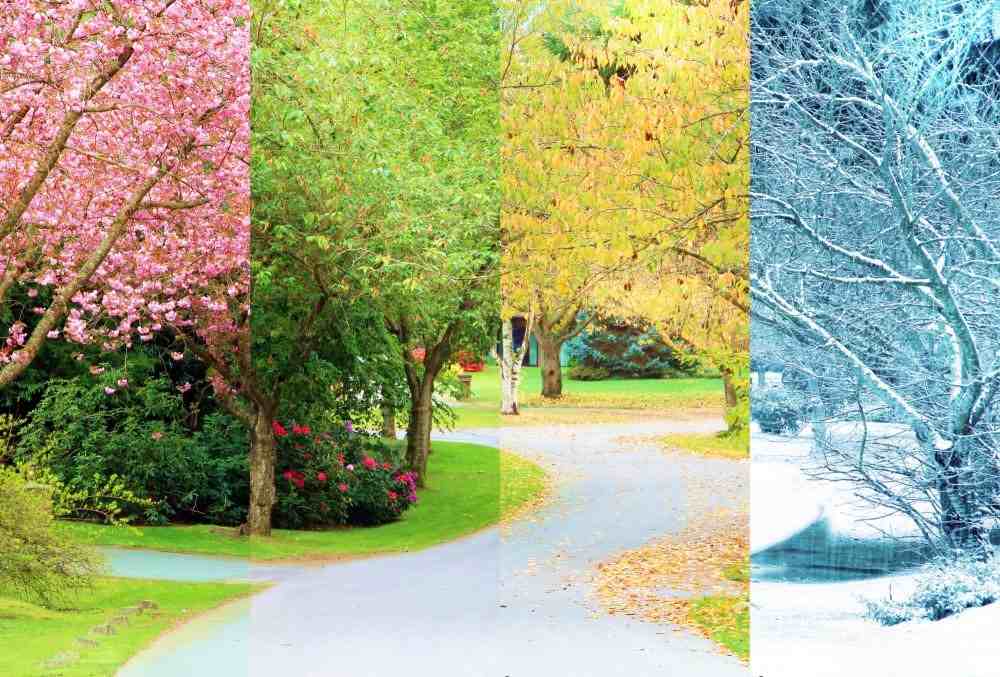
Spring, summer, autumn, and winter each have their own distinct characteristics, profoundly impacting the human spirit and, consequently, strongly influencing creative inspiration in literature and art.
Seasonal Spaces - Symbols of Emotion and Thought
"Spring, Summer, Autumn, Winter" symbolizes the cycle of life, representing the growth, maturation, decay, and rebirth of the physical environment. Spring is associated with beginnings, hope, and new life. Summer is vibrant and passionate, carrying the explosion of youth and emotion. Autumn is the season of contemplation, reflection, and lingering sadness. Winter often suggests the end, the coldness, but also the quietude preparing for rebirth. Each season, when entering literature, not only serves as a description but also becomes a symbol of mood, contributing to shaping the inner world of characters and the main ideas of the work. Poetry – the fertile ground of the four seasons.
In literary genres, poetry is the field that most powerfully and subtly explores the imagery of the four seasons. With its high expressive capacity, poetry uses seasons as a means to convey emotions and philosophical insights into human life. Nature in poetry is a "mental landscape," reflecting the inner transformations of the poet. Spring in poetry is often a symbol of life, love, and faith in the future – Xuân Diệu – a modern poet with contemporary ideas, presented spring as a symbol of life and love. He evoked a passionate, fervent view of spring and youth, exemplified in his poem "Hurry." For Xuân Diệu, spring is not just about blooming flowers and green grass, but also about the yearning to live fully in the moment.
Spring is coming, which means spring is passing.
Spring is still young, which means spring will grow old...
For Vu Dinh Lien, spring is sometimes a time of nostalgia, with a lingering sadness and a lament for the brevity of human life.
The peach blossoms are blooming again this year.
The old scholar is nowhere to be seen.
People of the olden days
Where is the soul now?
(The Calligrapher)
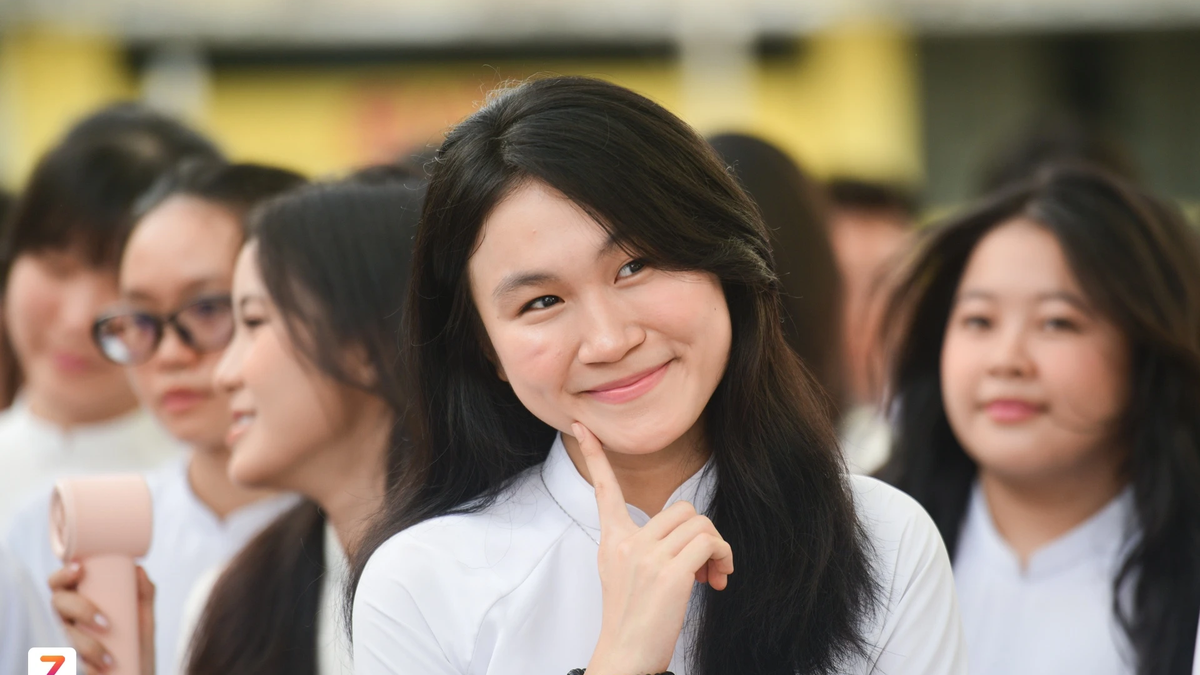
Summer carries within it a vibrant energy, sometimes accompanied by farewells and school memories. Summer is tinged with a touch of sadness and regret for the fleeting spring. The vast expanse of white clouds, golden sunshine, sudden showers, and the chirping of cicadas among the flamboyant trees evoke memories of school days that everyone has experienced… There are many beautiful poems about summer by famous Vietnamese poets – each with its own unique emotion and perspective on summer, leaving an unforgettable mark.
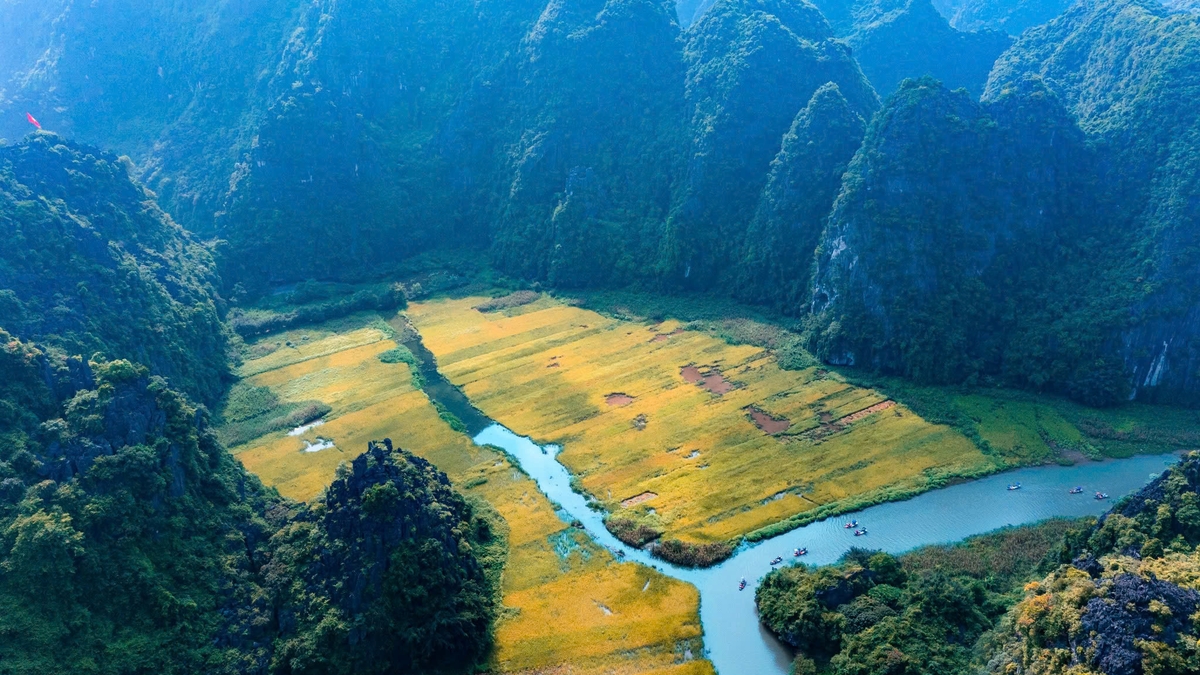
My hometown has a beautiful blue river.
The clear water reflects the hair of the bamboo trees.
My soul is like a summer afternoon.
The sunlight shone down on the shimmering river.
(Remembering the River of My Homeland - Te Hanh)
Te Hanh doesn't directly mention summer, but through the image of "summer noon," we clearly feel the overflowing love and attachment to his homeland under the brilliant summer sun.
With Huy Cận:
The cicadas chirp loudly across the sky.
As if evoking the memories of school days.
At noon, the shadows slanted, the flame trees blazed with the vibrant red color of the flame tree.
A time of silent, nameless longing.
(The sound of cicadas in summer)
Autumn evokes a tranquil beauty, tinged with a touch of melancholy. Nguyen Khuyen, a quintessential classical poet, left a deep impression through his poems about autumn in the countryside, simple yet refined. In his poetry, autumn is a manifestation of silence, reflecting the loneliness of a reclusive scholar. Nguyen Khuyen's collection of poems, including "Autumn Fishing," "Autumn Drinking," and "Autumn Recitation," exemplifies this.
The autumn pond is cool and the water is crystal clear.
A tiny little fishing boat.
With his surreal and melancholic poems, Han Mac Tu used "seasons" to express his own state of mind. Han Mac Tu, representing the romantic and surrealist movement, sees autumn in his poetry imbued with sadness and longing, like the mood of a lonely soul yearning for light and love.
This is a desolate, cold, and indifferent beach.
With a lingering sadness, a desolate emptiness.
What a slender tree, trembling uncontrollably.
The omen of a barren, withered autumn.
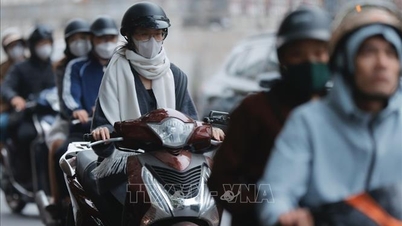
Winter in poetry is often associated with loneliness, silence, and even decay or endings – but it is also a time when people return most deeply to themselves. Perhaps from within the harshness of winter, strong seeds of life are kindled, awaiting a season of rebirth. Nguyen Binh's depiction of winter carries the melancholic, chilling undertones of folklore:
Do you remember the first cold winds of the season?
As he passed through the alley, he saw a crowd.
For Phan Thị Thanh Nhàn specifically, the winter season in the poet's work is associated with the image of a young Hanoi woman:
That winter, the wind blew gently.
She's wearing a smoky-colored sweater.
Hair flowing down to her shoulders, lips slightly chilly.
The road stretches endlessly into the distance, the footsteps of a drunken man.
Seasonal spaces in modern art
In contemporary art, seasonal themes are not only present in poetry but also extend to painting, music , film, and other visual arts. Modern artists increasingly explore seasonal elements from symbolic, philosophical, and even environmental perspectives. Seasonal themes become a means of reflecting social moods, environmental awareness, and reflections on the transformation of human life in the new era.
In Vietnam, many musicians have successfully composed songs with various seasonal themes, such as: Xuân Hồng with Xuân Chiến Khu, Mùa Xuân Trên Thành Phố Hồ Chí Minh; Văn Cao with Mùa Xuân Đầu Tiên; Vũ Hoàng with Phượng Hồng (poem by Đỗ Trung Quân); Hạ Trắng by Trịnh Công Sơn; Phan Huỳnh Điểu with Thư Tình Cuối Mùa Thu; Thu Ca by Phạm Mạnh Cương; Đức Huy with Mùa Đông Sắp Tới Trong Thành Phố; and Em ơi Hà Nội Phố by Phú Quang. Talented painters are also drawn to the captivating and emotionally resonant "seasonal themes," such as Chợ Hoa Đào (Lương Xuân Nhị), Ba Thiếu Nữ (Tô Ngọc Vân), and Mùa Thu Vàng by Levitan (Nga).
In the fields of cinema and theater, viewers can enjoy films, plays, and operas in which the seasonal setting forms the foundation, with meaningful compositions that subtly and emotionally explore the hidden depths of the characters' souls and thoughts, such as: "Spring Remains" (directed by Nguyen Danh Dung), "Autumn Leaves Falling" (adapted from the novel by Quynh Dao), "Autumn on Bach Ma Mountain" (Yen Lang cải lương opera),... Foreign films such as Kim Ki-duk's "Spring, Summer, Fall, Winter... and Spring," or Monet's impressive seasonal paintings—all demonstrate the vibrant vitality of seasonal space in global art. The seasonal space—spring, summer, autumn, winter—has long transcended the meaning of natural time to become a rich and profound artistic material in literature, art, and especially poetry. Each season is a symbol rich in emotion, carrying a philosophy of life, contributing to the expression of the rich inner world of humankind. Over time, the imagery of seasons in literature has constantly transformed, reflecting the artistic thinking of each era, yet remaining an endless source of inspiration in humanity's journey of artistic creation and appreciation. The seasonal landscape sometimes leaves artists and the general public feeling wistful: The four seasons, following the cycle of nature, will return, but humans may not follow that natural law – this is both a source of suffering and a source of creative inspiration throughout the ages…/.
Mai Ly
Source: https://baolongan.vn/cam-hung-tu-khong-gian-mua-a205109.html



































































Comment (0)