

According to the Central Hospital for Tropical Diseases, during the rainy and stormy season and post-storm circulation causing flash floods, the hospital often receives patients infected with bacteria in floodwater, including Leptospira bacteria (yellow spirochetes).
Recently, after storm No. 10, the hospital received a 46-year-old female patient residing in Hai Phong with a continuous high fever, yellow eyes, yellow skin, frequent diarrhea, blood pressure dropped to 80/50 mmHg, quickly progressing to shock, multiple organ failure. The patient was diagnosed with suspected biliary tract infection and Leptospira infection.
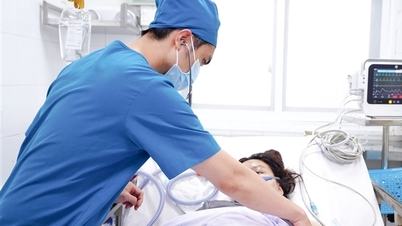
The patient had to undergo intensive care, mechanical ventilation, and continuous blood filtration with a serious prognosis. Doctors warned that in the context of the rainy season causing flooding in many areas, the risk of Leptospira bacteria surviving and spreading more strongly. If this bacterial infection is not diagnosed and treated promptly, it will cause life-threatening complications.
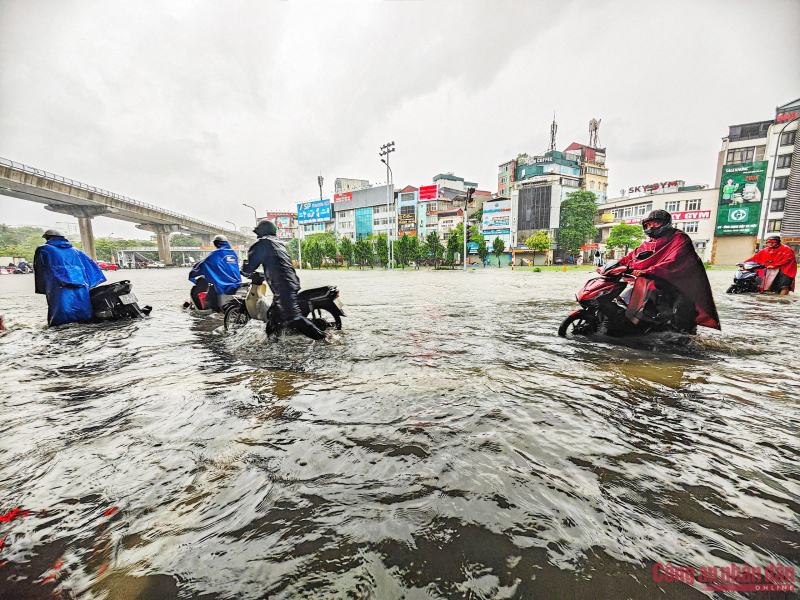
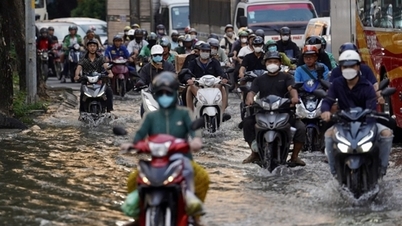
Two consecutive storms No. 10 and 11 and their circulation have caused heavy rains and flooding in many localities in the North and Central regions. Floodwater, garbage, animal carcasses, clogged drainage systems... create favorable conditions for bacteria and viruses to develop.
Accordingly, common diseases after storms include: Respiratory diseases (pneumonia, flu, COVID-19) with the highest rate after natural disasters; diarrhea, hepatitis A/E, cholera, typhoid due to using contaminated water or food.
In addition, people are at risk of skin infections, tetanus due to wounds coming into contact with dirty water or mud; diseases caused by mosquitoes and rodents such as dengue fever, malaria, and leptospirosis (rat-borne disease).
The risks of mold and food contamination often occur within 48 hours of an area being flooded due to compromised food storage and disruption of the supply chain of infection control supplies.
To prevent epidemics after storms and floods, Dr. Truong Anh Thu, Head of the Infection Control Department, Bach Mai Hospital, said that the hospital needs to conduct screening as soon as a patient moves from a storm-hit area or develops the disease during their stay. Screen people with symptoms such as fever, cough, rash, open wounds, vomiting, or diarrhea. Transfer patients at risk of infection to an isolation area or a separate area.
Health care workers should use appropriate personal protective equipment when caring for sick patients. Tetanus or other vaccinations should be administered as needed.
"Hand hygiene is the most important measure. If there is clean water, everyone should wash their hands with soap. If not, use alcohol-based hand sanitizer. When to wash hands: Before eating and after using the toilet, after handling garbage, cleaning water," Dr. Thu emphasized.
For people in flood-affected areas, the most important thing is to clean the water source. Bacterial contamination in water poses a great health risk. Therefore, it is necessary to boil water for at least 1 minute before drinking. If clean water is not available, you can mix 1/8 teaspoon of chlorine bleach (odorless, containing 5.25% sodium hypochlorite) for every 3.8 liters of water. Active chlorine usually inactivates more than 99.99% of intestinal bacteria and viruses. Well water needs to be cleaned and disinfected with chlorine solution. You must wait at least 48 hours after disinfection to test the water (for coliform bacteria and E. coli) before using.
Food should be kept dry and covered, and refrigerated food should be discarded if left at room temperature for more than 2 hours. People with symptoms of infectious diseases (such as cholera, dysentery, typhoid, hepatitis A/E, diarrhea) should not prepare or serve food.
Enhance surface disinfection, prioritizing flooded areas. Especially treat the environment immediately to avoid creating conditions for mold growth.
Provide adequate personal protective equipment (PPE) for anyone involved in cleanup or exposed to floodwater. Avoid touching your face or mouth with dirty hands. Anyone injured during cleanup should have their wound treated immediately and be assessed for tetanus vaccination.
Properly handle waste and corpses to avoid spreading pollution; remediate and monitor after storms, daily monitor for unusual signs (fever, rash, diarrhea, skin infections...) to detect early risks of epidemics.
When the water recedes, it is extremely necessary to thoroughly clean and disinfect the entire living area, hospital, and school. Clean the floor, walls, and utensils, disinfect with a diluted chlorine solution (0.1%-0.5%). Treat mold and insects, check and clean the ventilation system to ensure natural ventilation. Check the water source, waste treatment system, dining room, restroom, etc.
After cleaning up and coming into contact with a flooded environment, wash your hands with soap, take a shower, and pay attention to controlling rats – the main source of disease – as well as keeping the environment around the house clean.
Source: https://cand.com.vn/y-te/can-trong-voi-nhung-vi-khua-nguy-hiem-trong-nuoc-lu-i783959/








































































Comment (0)