

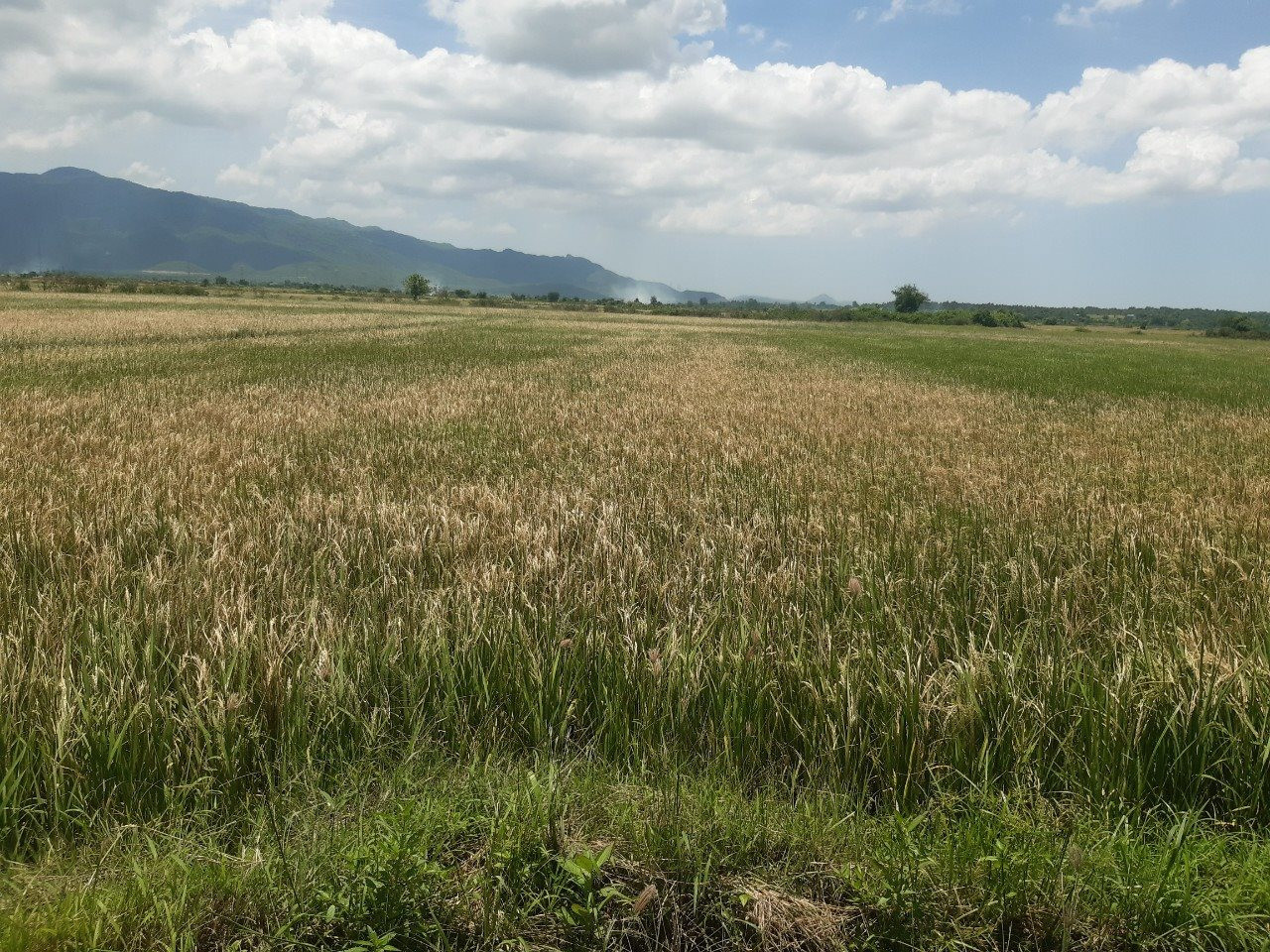
According to information from the Provincial Department of Crop Production and Plant Protection, based on the results of field inspections of rice pests and diseases in the summer-autumn and main crop seasons of 2023 in Tuy Phong and Bac Binh districts, the department predicts that in the coming period, rice stem borer is likely to cause severe and widespread damage, significantly affecting yields in the main crop rice fields.
Given the above situation, to prevent the widespread emergence, development, and damage caused by rice stem borers affecting rice crop yields, the Department of Crop Production and Plant Protection recommends that the Agricultural Technical and Service Centers of districts, towns, and cities disseminate information and guide farmers on several control measures. Specifically, farmers are advised to regularly inspect their fields to promptly detect and effectively control rice stem borer damage. These measures include manual methods such as using light traps, removing withered rice plants, and destroying egg clusters during the early stages of stem borer development (moths or adults).
Regarding chemical control, using pesticides to control stem borers 5-7 days after the moths appear is the most economical method, choosing systemic pesticides. One of the following drug groups can be used: Abamectin (Reasgant 5WG, Abasuper 1.8EC, Actamec 75EC, Voliam targo® 063SC...), Azadirachtin (Misec 1.0EC, Ramec 18EC, Agiaza 4.5EC...), Bacillus thurigiensis (Amatic, Tp-Thanh Toc, Anhui...), Carbosulfan (Marshal) 200SC, Sulfaron 250EC, Afudan 20SC, Coral 5GR...) Cartap (Branded Chicken 4GR, Padan 4GR...), Chlorantraniliprole (Virtako® 40WG, Prevathon® 35WG), Cyantraniliprole (Benevia® 100OD, Minecto Star 60WG)...
For rice fields severely infested with rice stem borers, after harvesting, the stubble should be plowed down and the field thoroughly cleaned to destroy larvae and pupae, preventing the emergence of stem borers in the next season. It is especially important to limit the use of chemical pesticides within 40 days after sowing to protect natural enemies of the stem borer, such as ladybugs, parasitic wasps, spiders, and three-segmented beetles. If stem borer infestation occurs at the seedling stage (under 25 days old), supplemental fertilization and thinning should be carried out. If necessary (when butterflies are abundant and the egg density is high), spray with biological preparations such as Bacillus thurigiensis (Amatic, Tp-Thần tốc, An huy...), Beauveria bassiana (Muskardin 10WP...), or specialized insecticides such as Chlorantraniliprole (Virtako® 40WG, Prevathon® 35WG), Cyantraniliprole (Benevia® 100OD, Minecto Star 60WG...).
In addition, the Department of Crop Production and Plant Protection requested the Agricultural Technical and Service Centers of districts, towns, and cities to strengthen the investigation and forecasting of pest and disease situations affecting rice crops in order to promptly detect and guide farmers in effectively controlling rice stem borer to protect rice yield in the main crop season.
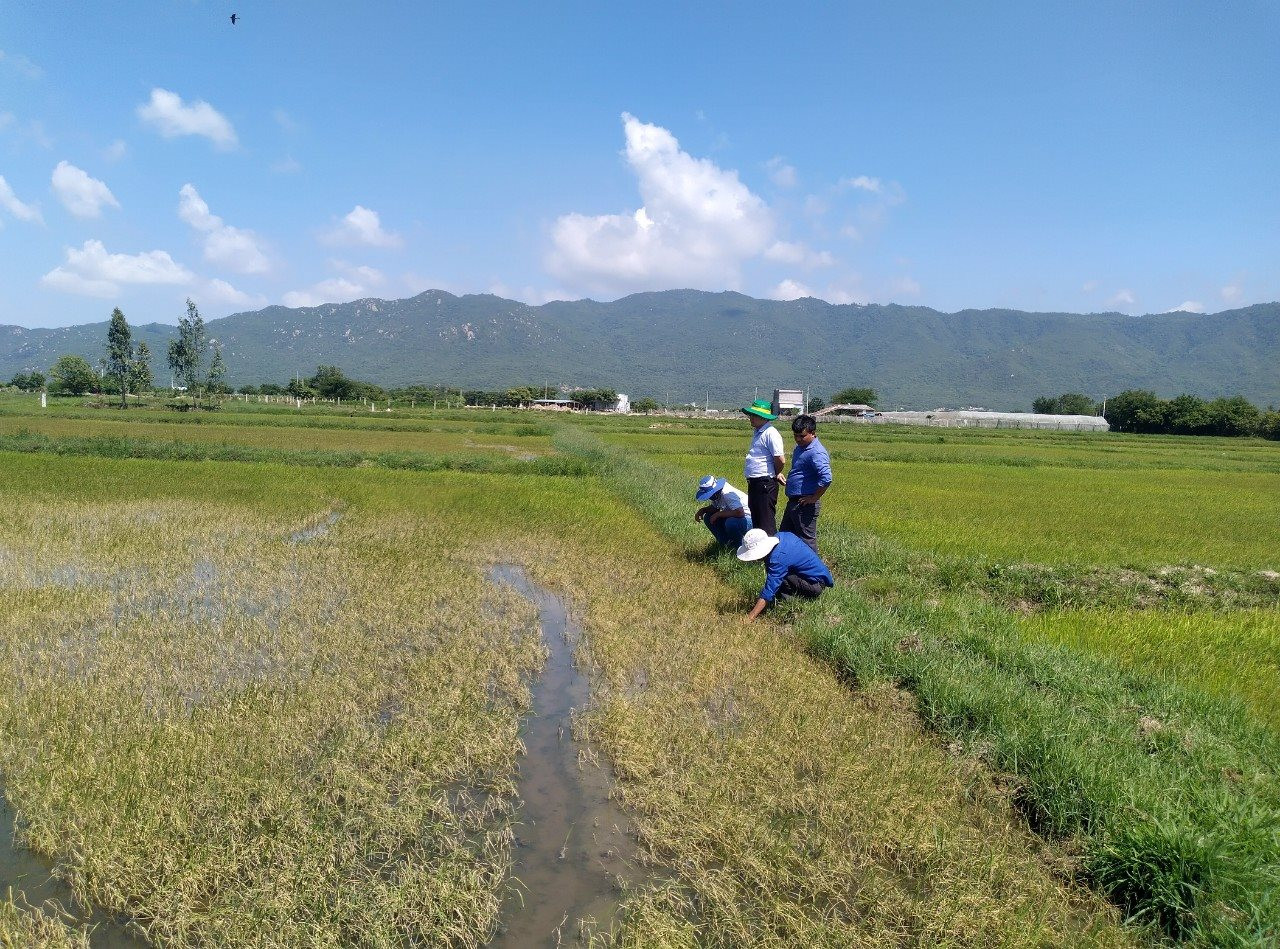
A few days earlier, in Bac Binh district, while most of the summer-autumn rice crop had been harvested, achieving the highest yields and dry rice prices ever, in the communes of Phan Hoa, Phan Ri Thanh, Phan Hiep, Hai Ninh, and Phan Dien, approximately 245 hectares of rice in the ripening-to-harvest stage were showing signs of blight (empty grains), causing losses for farmers. The damage rate was commonly 30-40%, affecting about 230 hectares, with some areas experiencing damage rates exceeding 70%, covering about 15 hectares. Stem borer infestation affected most rice varieties produced in the 2023 summer-autumn crop. According to the assessment of the field inspection team, the areas affected by stem borer were mainly due to ineffective pest control by farmers, particularly in areas where sowing was done outside the local planting schedule.
Source


![[Photo] The heat at the fireworks display site on the opening night of the Da Nang International Fireworks Festival 2026](https://vphoto.vietnam.vn/thumb/1200x675/vietnam/resource/IMAGE/2026/05/27/1779889741485_ndo_br_z7872039145157-fecaba5112f39e8352544099d7ef4738-5140-jpg.webp)



























































































Comment (0)