

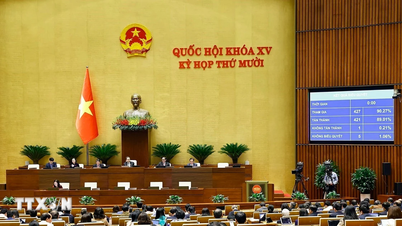
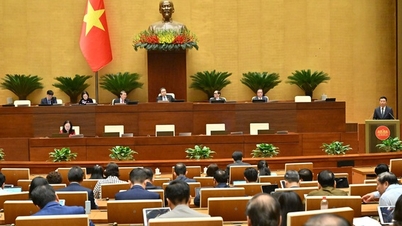
National Assembly deputies from Tay Ninh province approved the comprehensive amendment of the Law on Civil Aviation of Vietnam to further institutionalize the Party's policies and guidelines related to civil aviation activities, promptly institutionalize the Politburo 's resolutions to create strong momentum for the country to enter a new era; and at the same time, promote strategic breakthroughs in building a synchronous and modern infrastructure system to meet the requirements of rapid and sustainable development of the civil aviation industry.
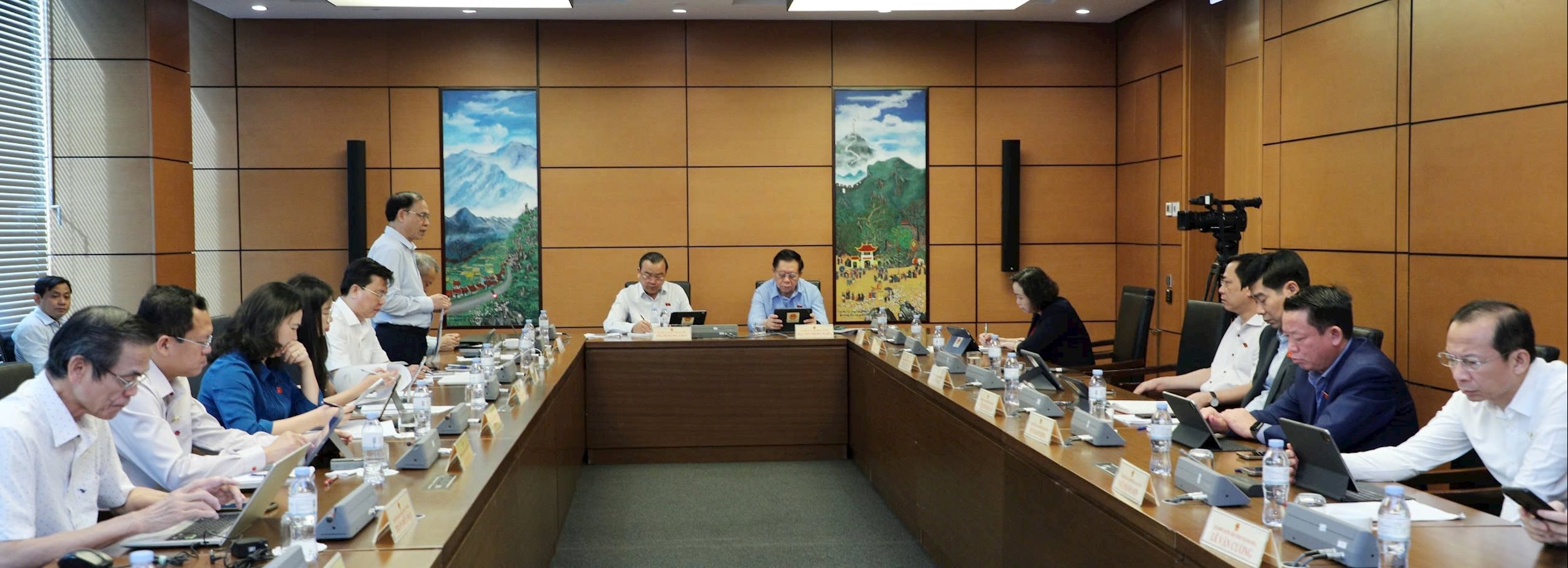
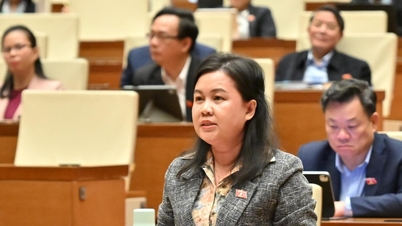
Commenting on the principles of civil aviation operations stipulated in Article 4, National Assembly Deputy Le Thi Song An ( Tay Ninh ) proposed adding a new principle (Clause 8) after Clause 7 of this article. Specifically, it should be: “Ensuring digital transformation, protecting passenger data and transparency of information in civil aviation operations; publicly and transparently disclosing information on ticket prices, services and operational status to protect passenger rights and improve service quality.”
The representative explained that the Vietnamese aviation industry currently lacks a comprehensive legal framework for managing, connecting, and sharing data between airlines, airport authorities, and state management agencies. This makes it difficult to monitor the market, track service quality, and handle passenger complaints. Numerous reports from the press and consumers indicate that flight delays, delayed refunds, and price discrepancies between different sales channels remain common, while management agencies lack a unified data tool for timely inspection and resolution.
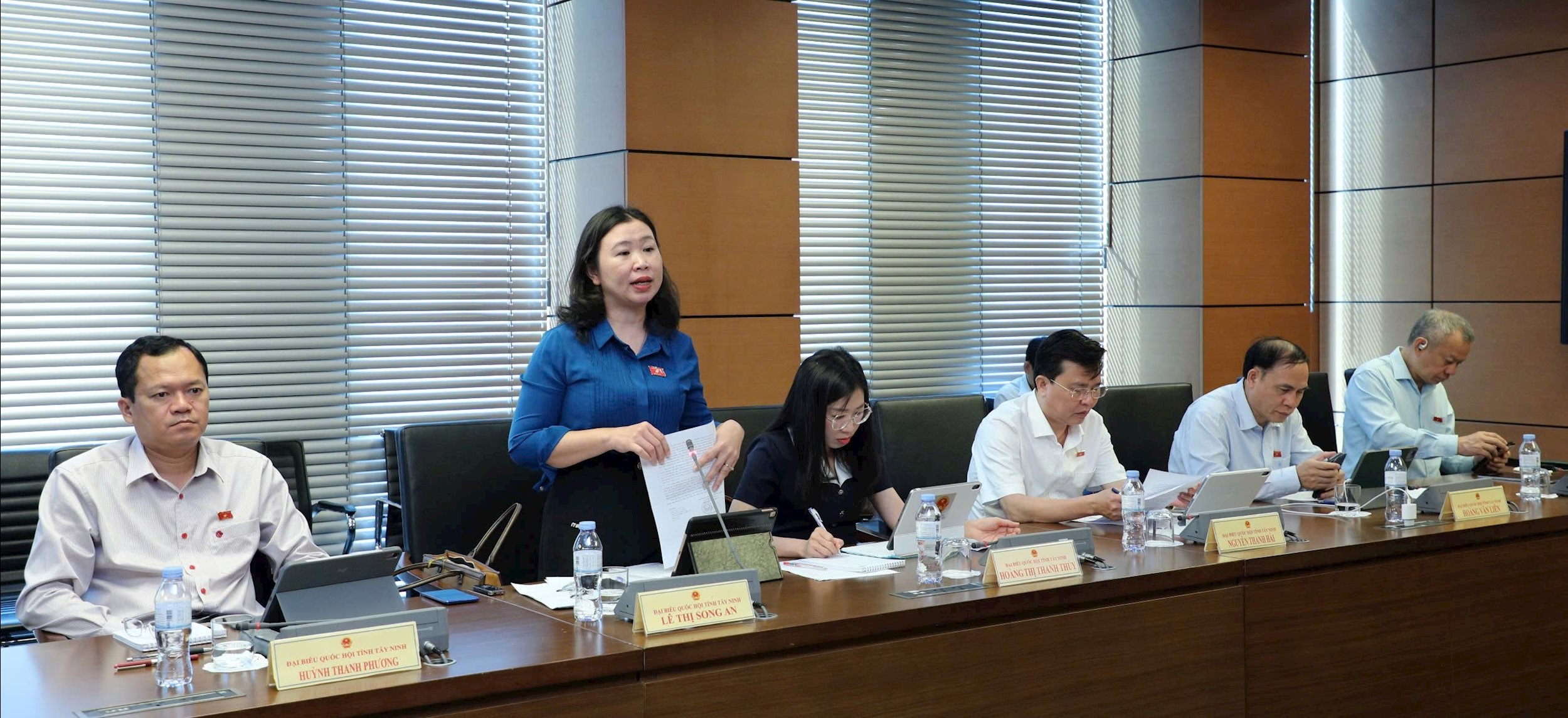
“The digital transformation process in the aviation sector has so far focused on the enterprise level and has not yet formed a shared data system for the entire industry. Adding this principle will help create a clear legal basis for the application of digital technology , data connectivity, and information transparency, contributing to protecting passenger rights, improving management capacity, and promoting healthy competition,” emphasized delegate Le Thi Song An.
The policies on civil aviation development stipulated in Article 5 also received special attention from National Assembly deputies from Tay Ninh province. The deputies proposed adding the phrase "encouraging socialized investment, ensuring transparent public and private interests" to Clause 2, Article 5; and simultaneously, adding the phrase "digital transformation, clean energy and green technology; environmental protection and sustainable development" to Clause 5, Article 5.
According to delegates, Article 5 of the draft law on civil aviation development policy covers many aspects, but it does not fully emphasize the key elements of current development trends. Given the overloaded aviation infrastructure at key airports such as Tan Son Nhat, Noi Bai, Da Nang, and Phu Quoc, and the limited public investment capital, supplementing regulations on mobilizing diverse resources, socializing investment, and ensuring transparency of public and private interests is necessary to attract private capital, especially to remote areas where aviation infrastructure is weak and lacks connectivity.
Furthermore, supplementing the development orientation of supporting industries, promoting digital transformation, applying clean energy, and protecting the environment aims to increase technological self-reliance, reduce operating costs, and meet the trend of "Smart Aviation." This is also an essential requirement in the process of international integration, as many countries such as the EU, Japan, and Singapore have committed to the goal of net zero emissions by 2050. Institutionalizing these contents in the law will help Vietnam develop its aviation industry in a modern, sustainable direction that conforms to ICAO and IATA standards.
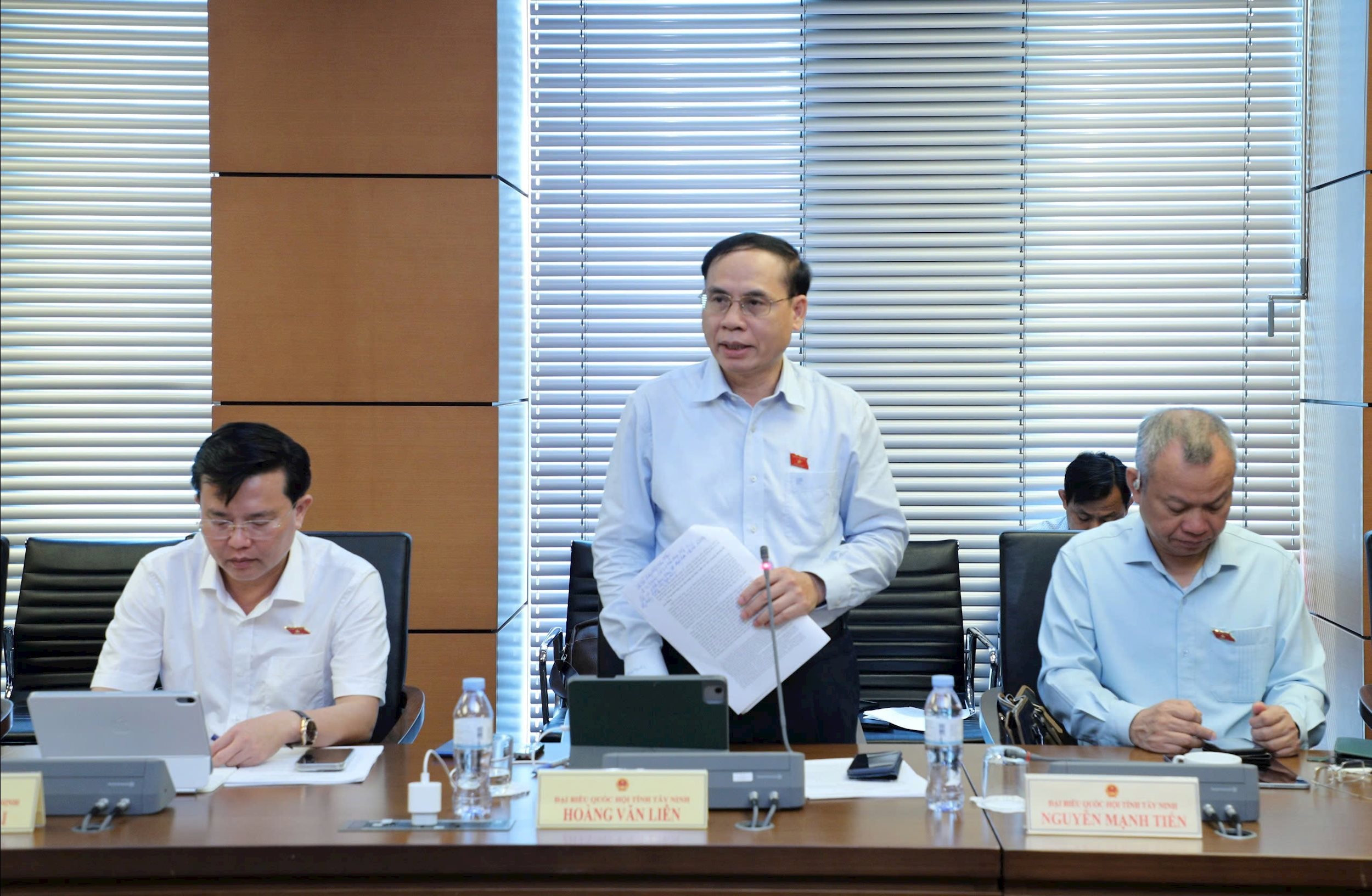
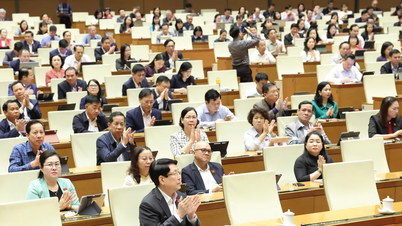
During the group discussion, National Assembly deputies from Tay Ninh province also expressed concern about the continued occurrence of flight delays, which cause inconvenience to passengers and waste social resources. Deputy Hoang Van Lien shared his experience: “Over the years, I have been a frequent passenger of airlines, and in reality, flight delays have occurred very often. This greatly affects customers; important meetings and plans have to be canceled simply because of flight delays.”
National Assembly Deputy Hoang Van Lien suggested that the draft law should stipulate the responsibility of airlines in ensuring on-time flights; and at the same time, clearly define the responsibilities of airlines towards customers if flight delays occur.
According to National Assembly deputies from Tay Ninh province, evaluating the quality of an airline involves many criteria, the most fundamental of which is punctuality. This shows that domestic airlines still have a lot of work to do to ensure the quality that customers expect. Although airlines have made many efforts and improvements to make flights more on time in recent years, according to the deputies, these efforts are still insufficient and do not meet the general requirements of customers and the development of the economy.
During group discussions, National Assembly deputies from Tay Ninh province proposed adding a provision to Clause 1, Article 6 of the draft Law encouraging businesses to apply advanced technology. This is because, in practice, the application of modern technology in Vietnam's civil aviation sector remains limited, mainly confined to flight coordination and passenger management. Highly technical activities such as flight monitoring, maintenance forecasting, operational data analysis, or emissions management are still performed manually, lacking a system for analyzing and sharing data between units. This results in flight safety monitoring, operational efficiency optimization, and risk management not reaching the necessary level of automation.
Source: https://daibieunhandan.vn/cu-the-trach-nhiem-cua-cac-hang-hang-khong-khi-de-cham-chuyen-bay-10392411.html

![[Photo] Explore the US Navy's USS Robert Smalls warship](/_next/image?url=https%3A%2F%2Fvphoto.vietnam.vn%2Fthumb%2F1200x675%2Fvietnam%2Fresource%2FIMAGE%2F2025%2F12%2F10%2F1765341533272_11212121-8303-jpg.webp&w=3840&q=75)



















































































Comment (0)