

A new era of prosperity in the challenging border region.
Pha Long is a highland commune established by merging four former communes: Ta Ngai Cho, Pha Long, Din Chin, and Ta Gia Khau. The locality has a natural area of over 105,000 hectares, a population of approximately 14,000 people, and nearly 25km of border with China.
This area has a unique topography with many high mountain ranges, heavily dissected by deep ravines, making transportation difficult. Previously, agricultural production relied mainly on corn and upland rice, resulting in low efficiency and many hardships for the local people; the percentage of poor and near-poor households remained high.
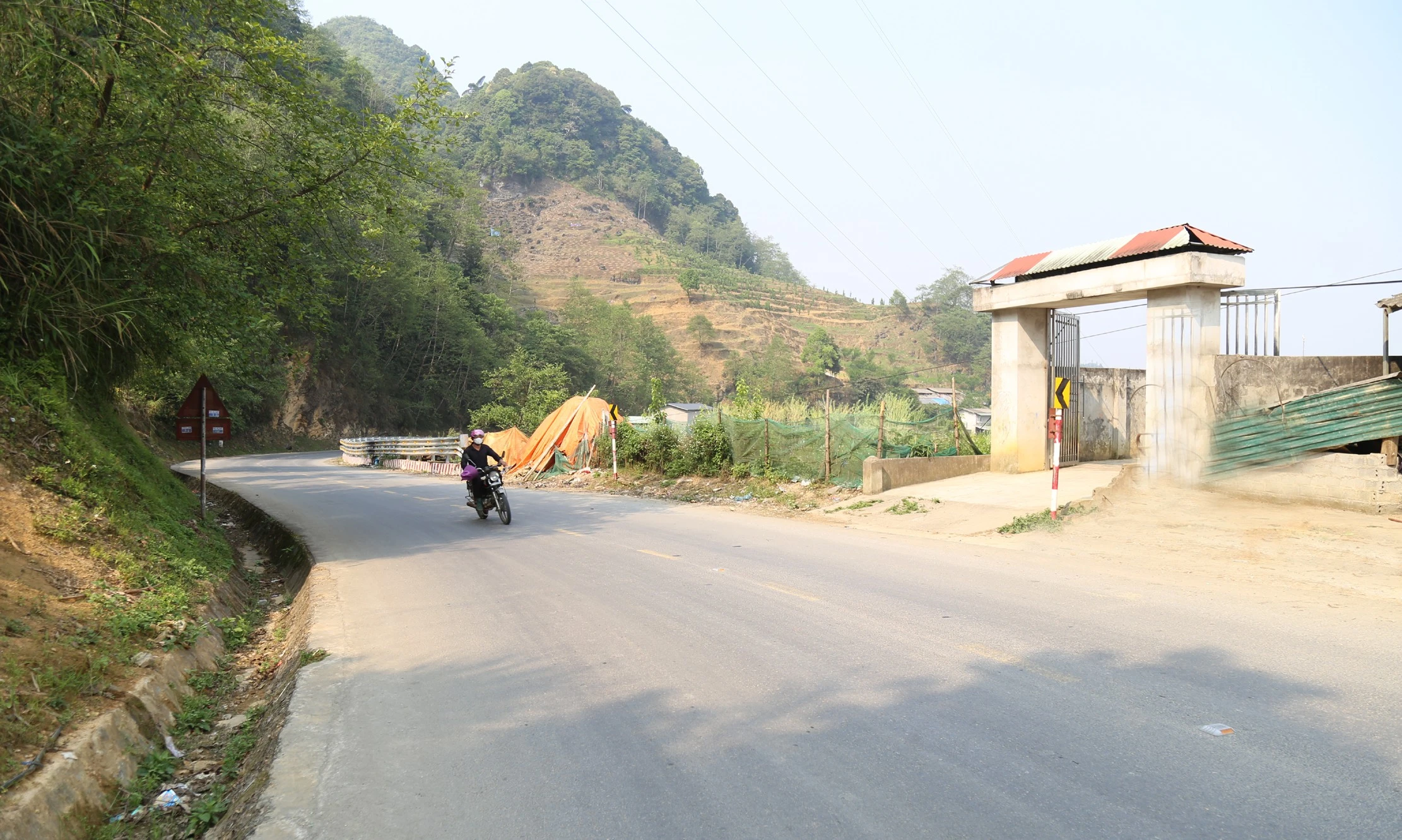
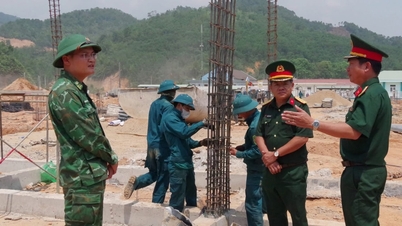
Besides challenging natural conditions, Pha Long is also a border area with many potential complexities regarding security, order, smuggling, and illegal immigration. Therefore, economic development is always closely linked to ensuring national defense, security, and maintaining national border sovereignty .
In recent years, thanks to the effective implementation of national target programs on building new rural areas, sustainable poverty reduction, and socio-economic development in ethnic minority areas, the appearance of Pha Long has undergone many noticeable changes.
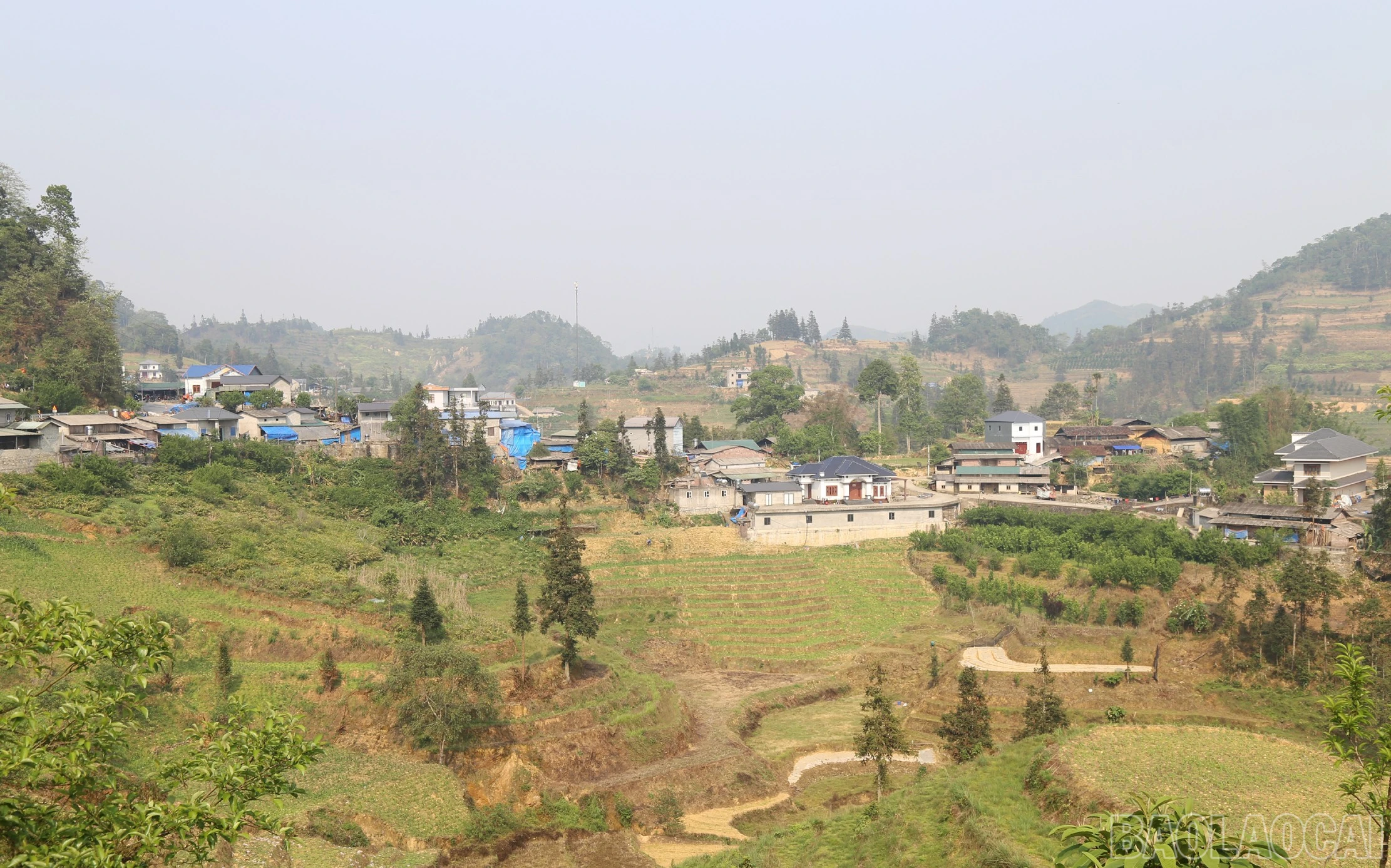
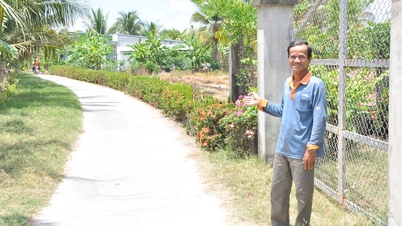
To date, most inter-village roads have been paved, ensuring convenient access for vehicles. The national power grid covers all 35 villages. Irrigation works continue to be invested in, with over 71km of reinforced canals, providing irrigation for over 84% of agricultural land.
In particular, the program to eliminate temporary and dilapidated houses has helped hundreds of households stabilize their lives. The entire commune has implemented the construction and repair of 560 houses for poor and near-poor households. These sturdy houses are gradually replacing the previous temporary wooden houses, creating a new look for the villages.
Mr. Sung Seo Chu from Pha Long commune shared: "The roads are much more convenient now than before, and the houses are more spacious, so the people are very happy. With concrete roads, selling agricultural products is easier, and life is becoming more stable."
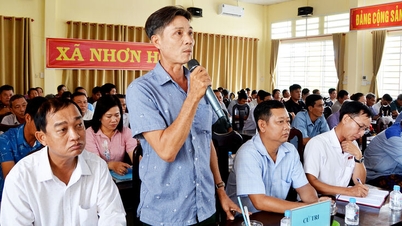
According to Mr. Pham Tat Minh, Chairman of the People's Committee of Pha Long commune, building new rural areas in the locality is not only about investing in infrastructure but also about creating motivation for people to change their production mindset, develop the economy, and maintain security in the border region. "We have identified raising people's income as the core goal in building new rural areas," Mr. Minh emphasized.
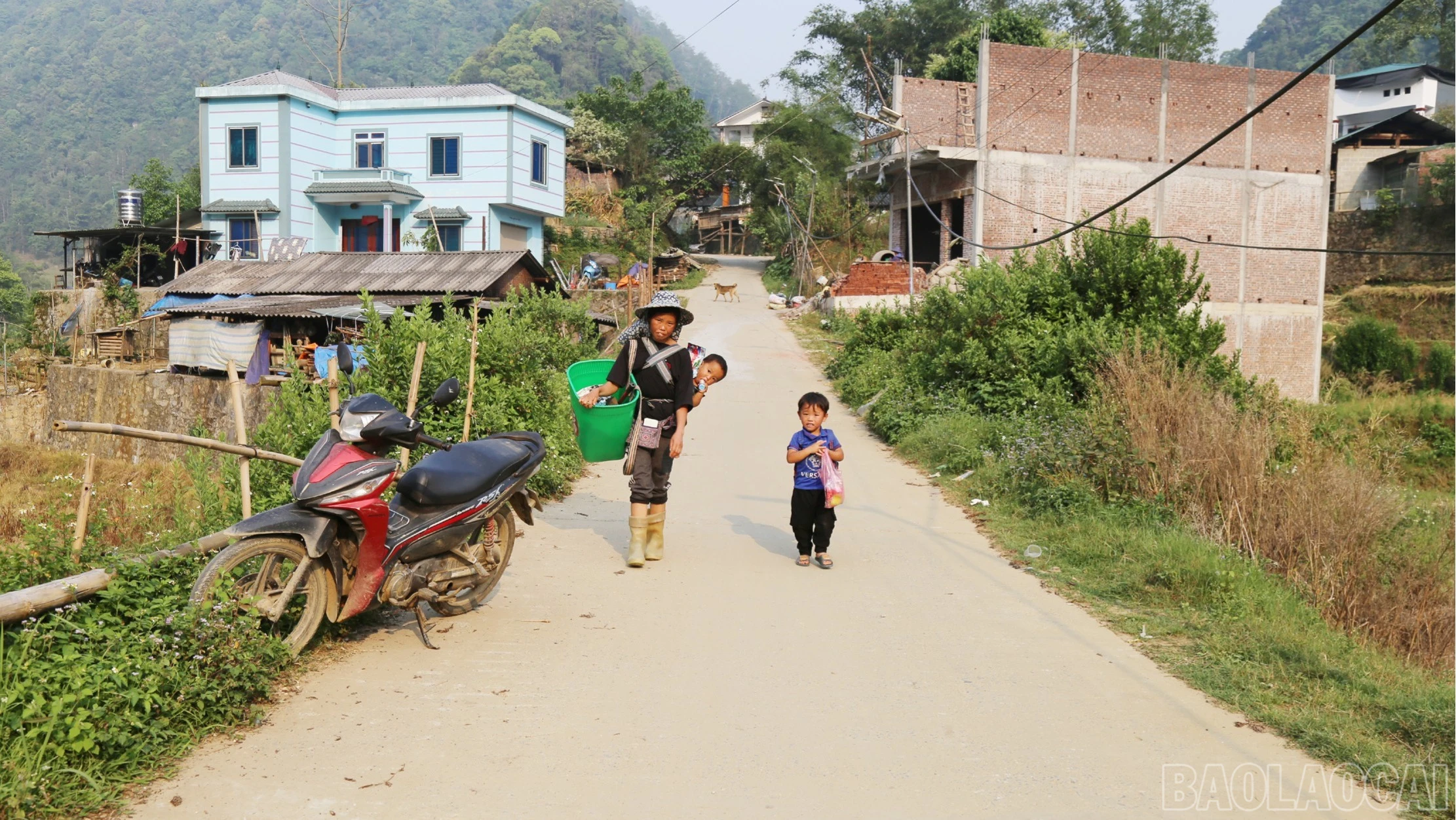
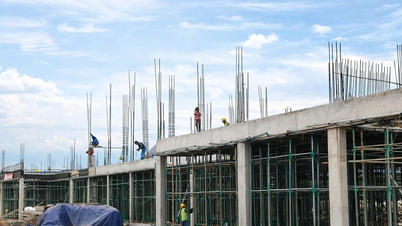
Not only has transportation infrastructure been invested in, but the education sector has also seen many positive changes. Currently, 10 out of 13 schools in the commune meet national standards. In particular, the Pha Long Ethnic Boarding Primary and Secondary School is under construction with a total investment of approximately 220 billion VND, meeting the educational needs of nearly 1,000 students in the highlands upon completion.
A new direction from commercial crops.
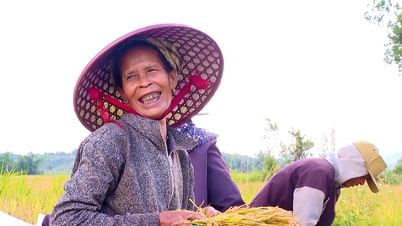
One of the most noticeable changes in Pha Long is the shift in agricultural production mindset. Previously, people mainly practiced small-scale farming, heavily reliant on corn, but now much of the land has been converted to crops with higher economic value.
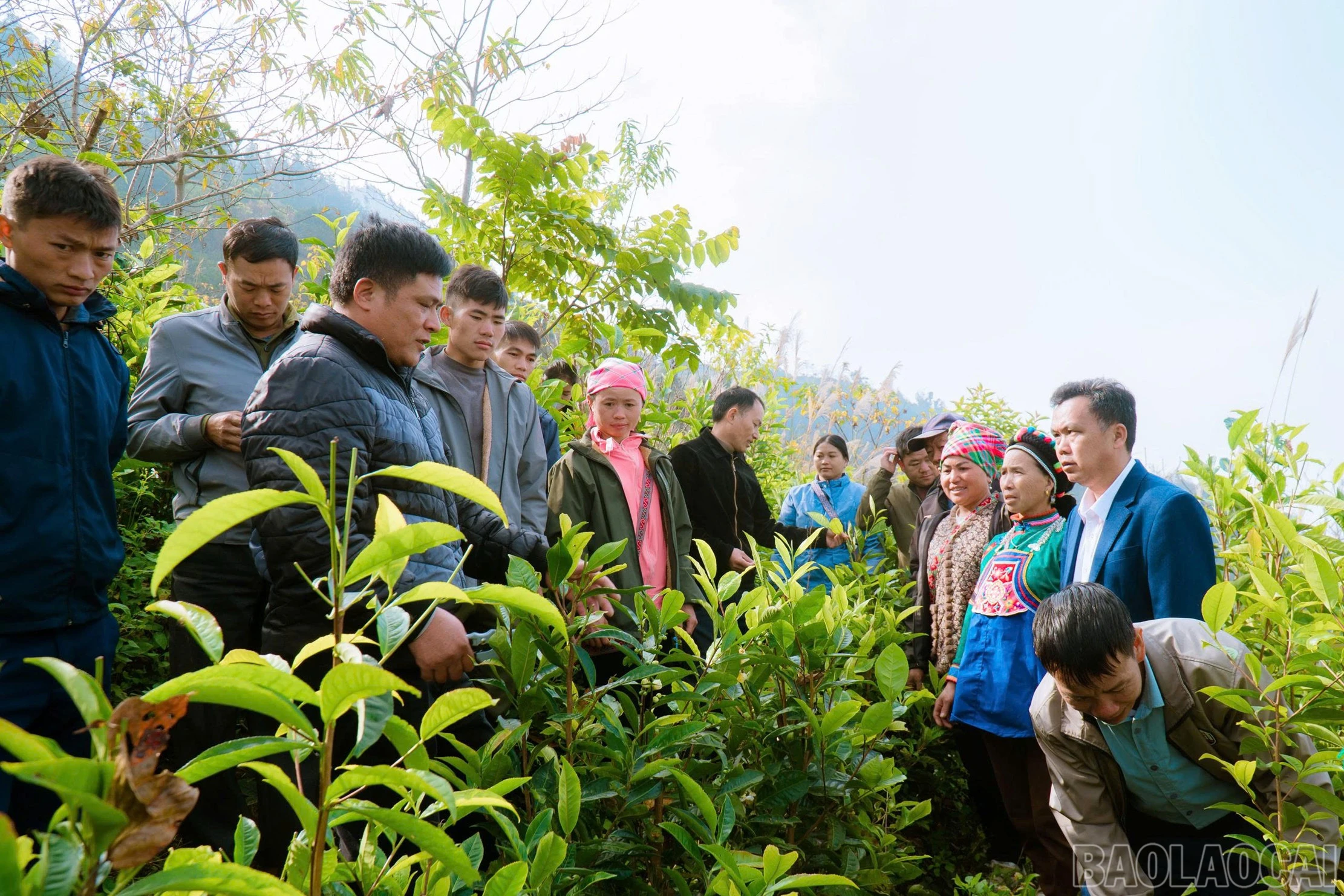
Currently, the total area planted with food crops in the commune is approximately 1,282 hectares, of which corn accounts for over 942 hectares and rice about 340 hectares. To improve production efficiency and economic development, the locality is focusing on promoting key crops suitable to the climate and soil conditions, forming commodity production areas linked to increasing people's income.
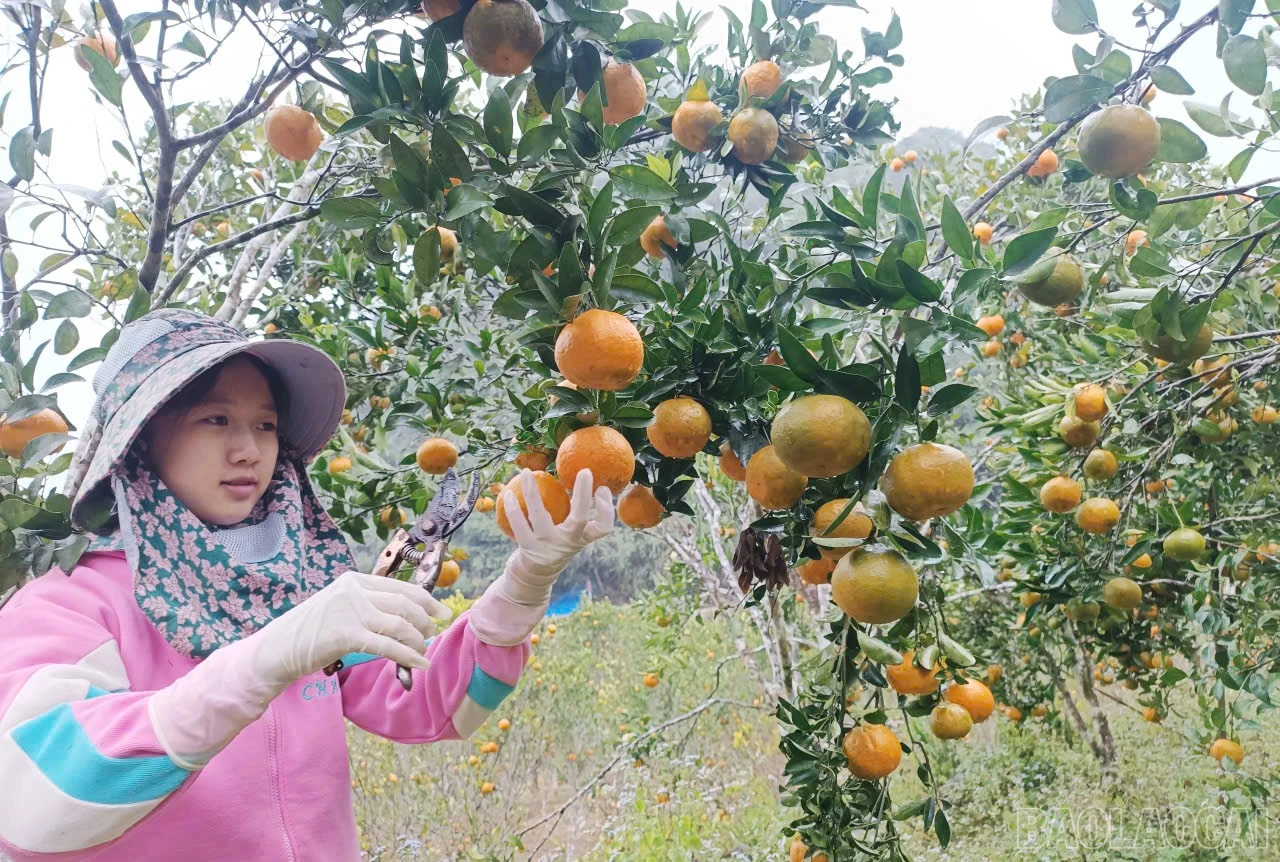
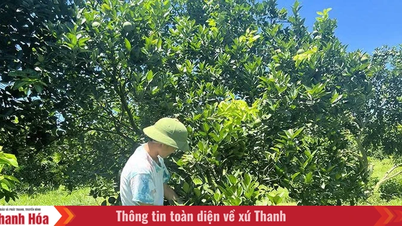
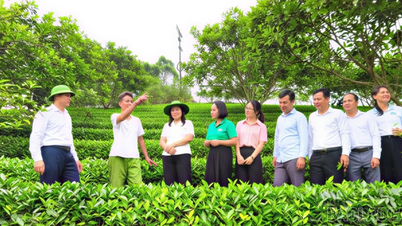
Among the local specialties, mandarin oranges are considered one of the area's competitive advantages. The entire commune currently has 152 hectares of mandarin orange orchards, concentrated in villages such as Sin Chai A, Sin Chai B, Hoang Phi Chai, Ta Lu, and Pha Long. With a yield of approximately 100 quintals/hectare and an average selling price of 15,000 VND/kg, mandarin oranges have helped many households increase their income.
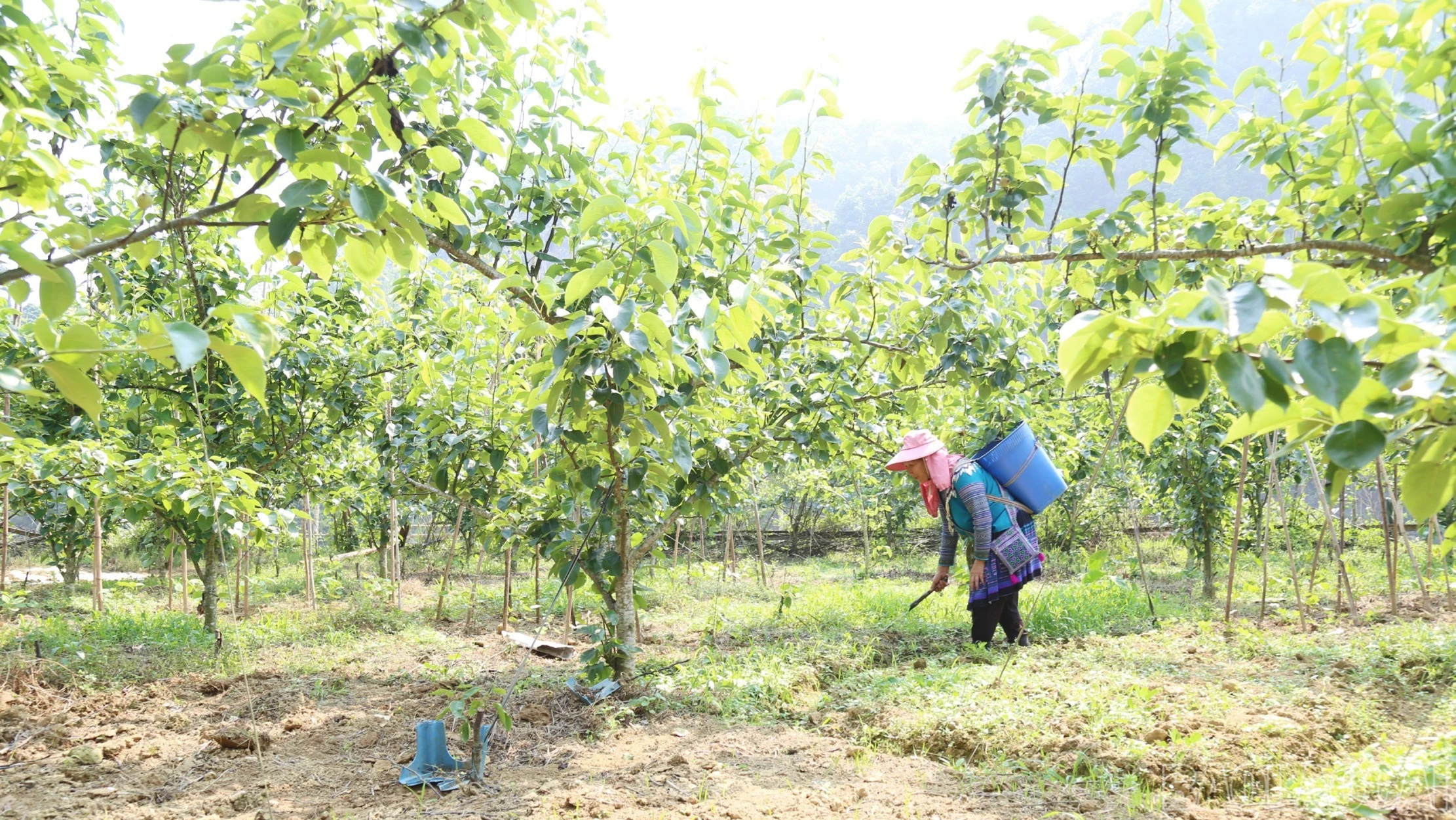
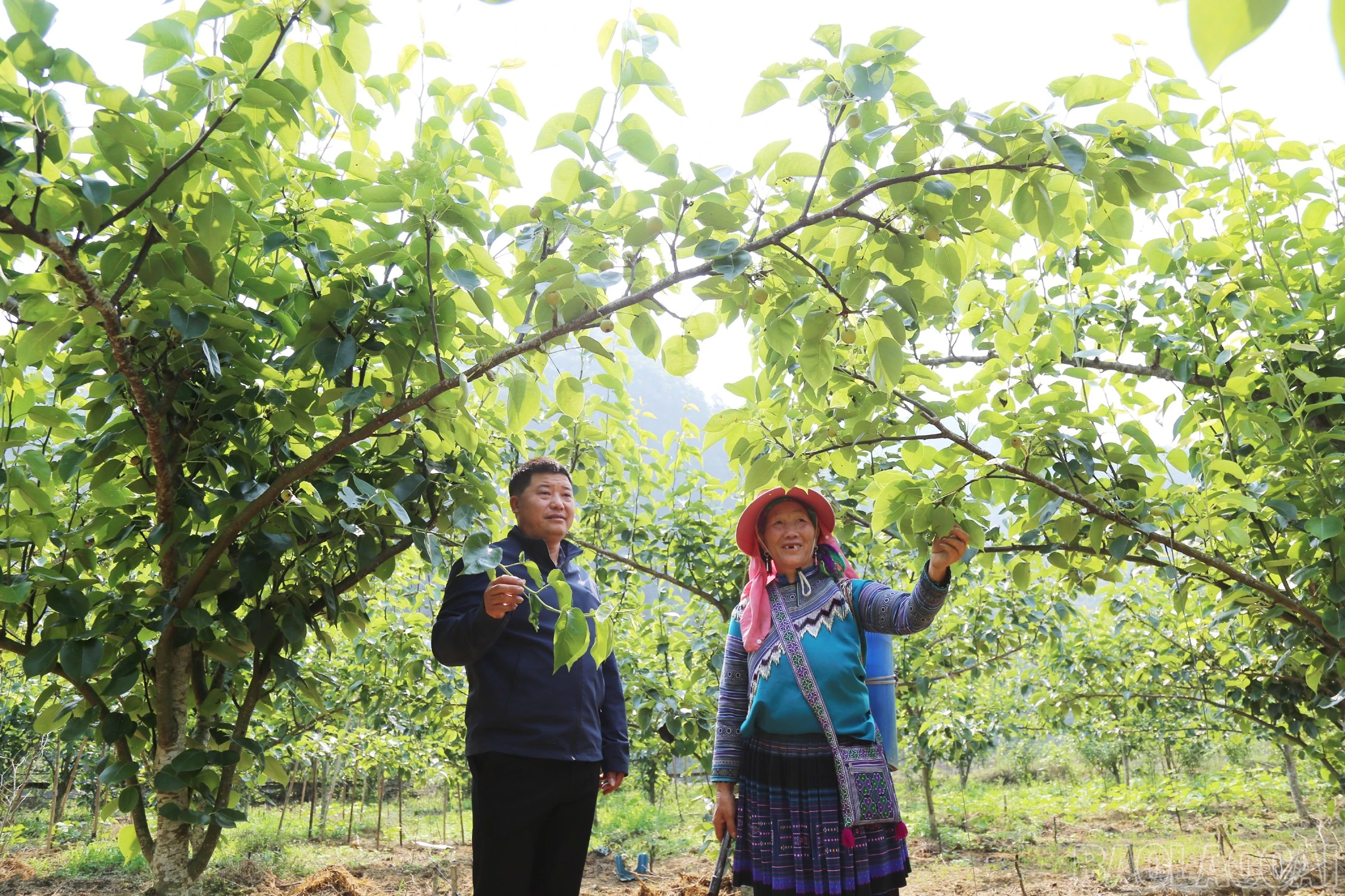
Along with tangerines, the VH6 pear variety has also opened up new economic development opportunities for people in the highlands. Currently, the total pear growing area in the commune reaches 113 hectares, of which about 19 hectares are already producing fruit. Thanks to the cool climate year-round, Pha Long pears are of good quality and are favored by the market, selling for about 25,000 VND/kg.
In addition, the Ta Van plum orchard is maintained at an area of over 42 hectares; the banana plantation covers nearly 20 hectares and the local authorities are planning to expand it to over 300 hectares to form a raw material area for export.
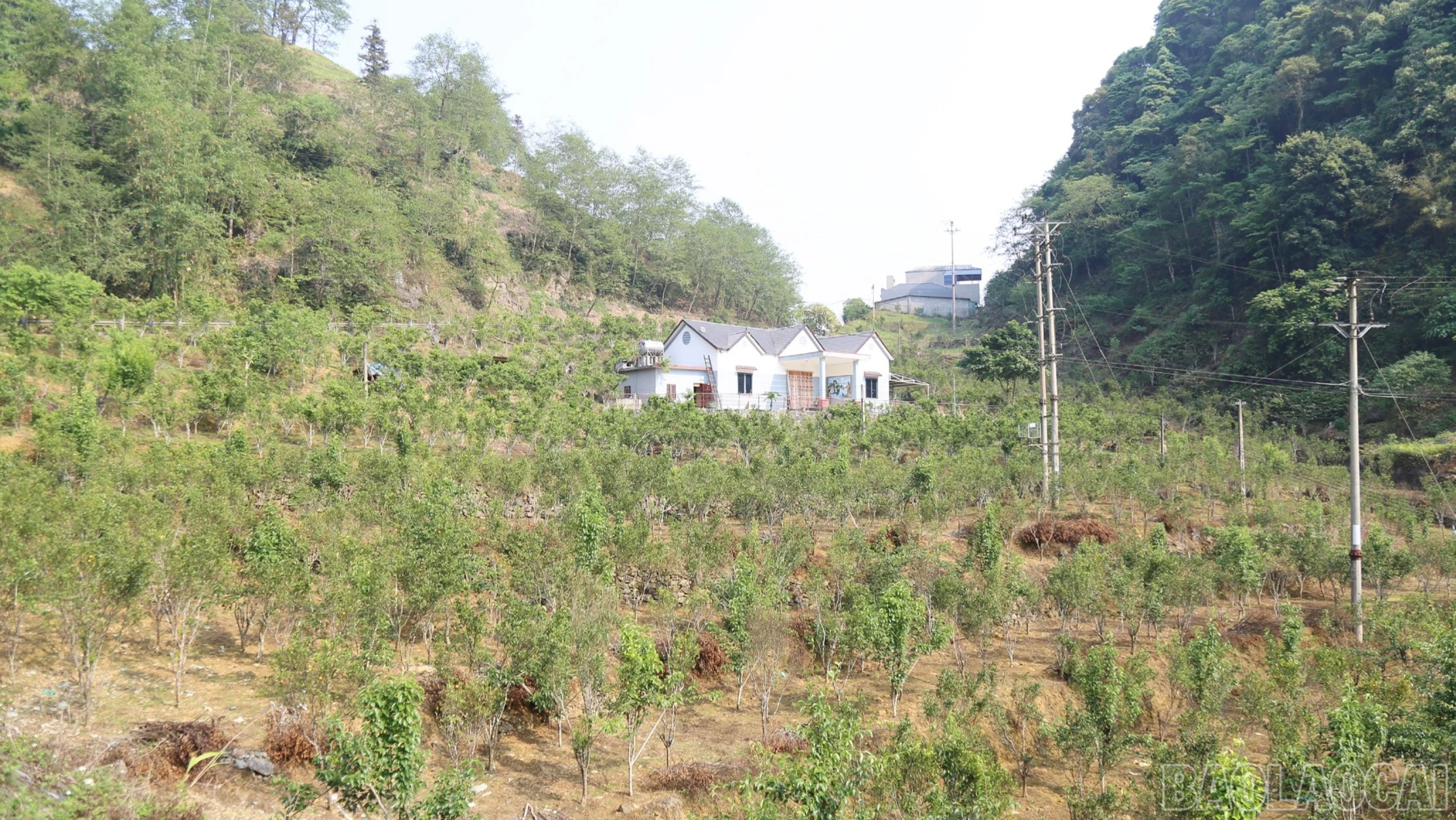
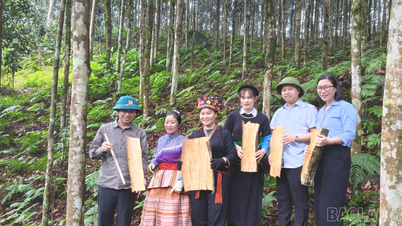
Notably, cardamom is becoming a "poverty alleviation" crop for many households. Currently, the area planted with cardamom in the locality reaches over 450 hectares. With a selling price of 65,000 - 70,000 VND/kg, each hectare of cardamom yields an income of 100 - 120 million VND per year.
Mr. Thào Seo Dín from Pha Long commune said: "In recent years, thanks to the local authorities' efforts in promoting and supporting the conversion of crops to tangerines, pears, and cardamom, people's incomes have improved. Some years, my family earned nearly 100 million dong from tangerines and cardamom, and our lives are much more stable than before."
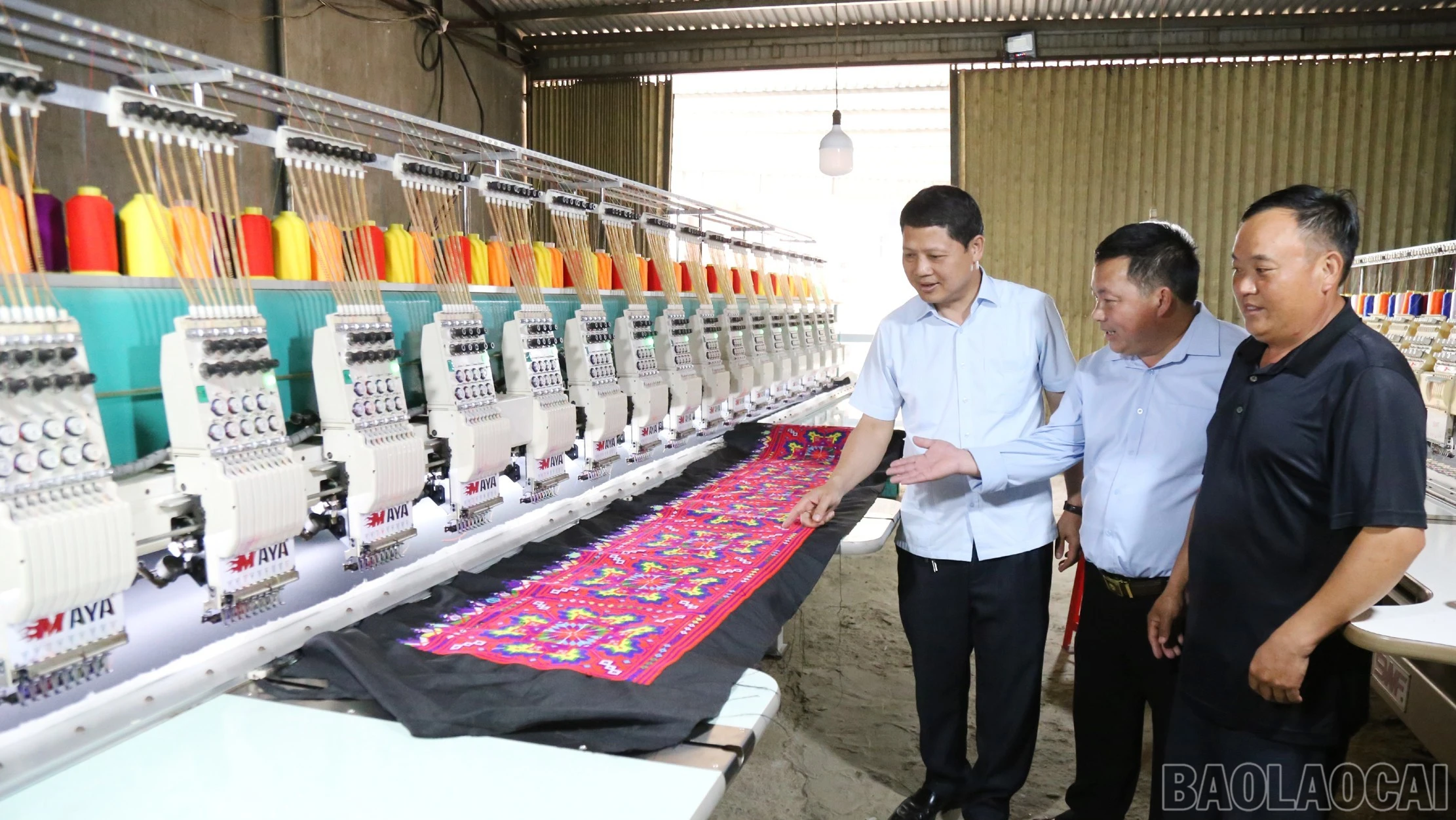
According to Mr. Pham Tat Minh, Chairman of the People's Committee of Pha Long commune, in the coming time, the commune will continue to expand the area of medicinal plants and high-economic-value fruit trees; and at the same time build product consumption linkage models to improve production efficiency. The locality is also implementing a model of growing medicinal ginger in the villages of Pac Ta, Lao Chai, and Ta Gia Khau, and developing a sweet corn raw material area linked with a fruit and vegetable processing factory for export.
Thanks to the transformation of production and synchronized infrastructure investment, people's incomes have increased; by 2025, the average per capita income of the commune will reach nearly 30 million VND/person/year.
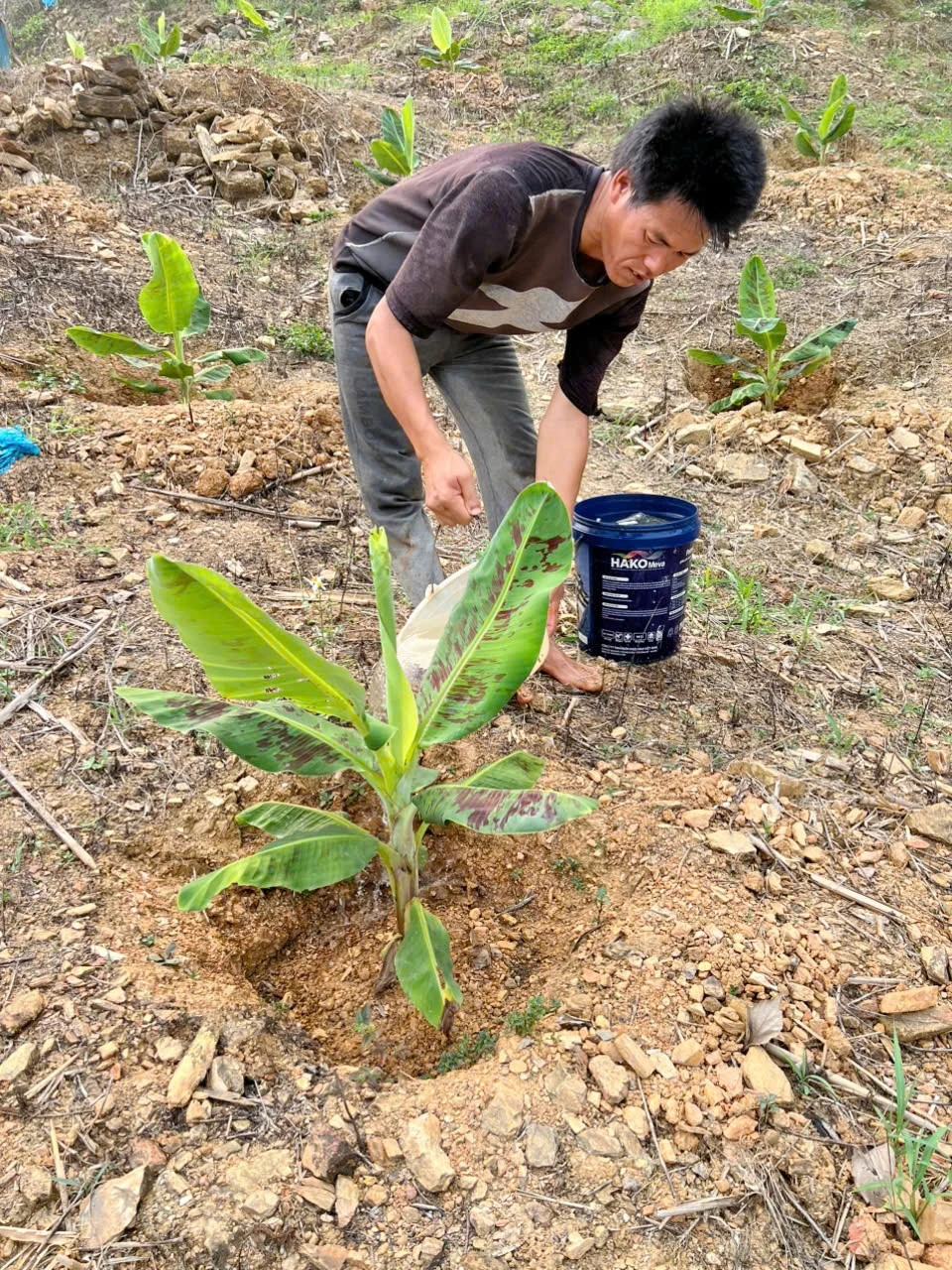
Despite facing many challenges, especially the high poverty rate and small-scale production, with the determination of the Party committee and the government, along with the consensus of the people, Pha Long is gradually fulfilling the criteria for a new rural area.
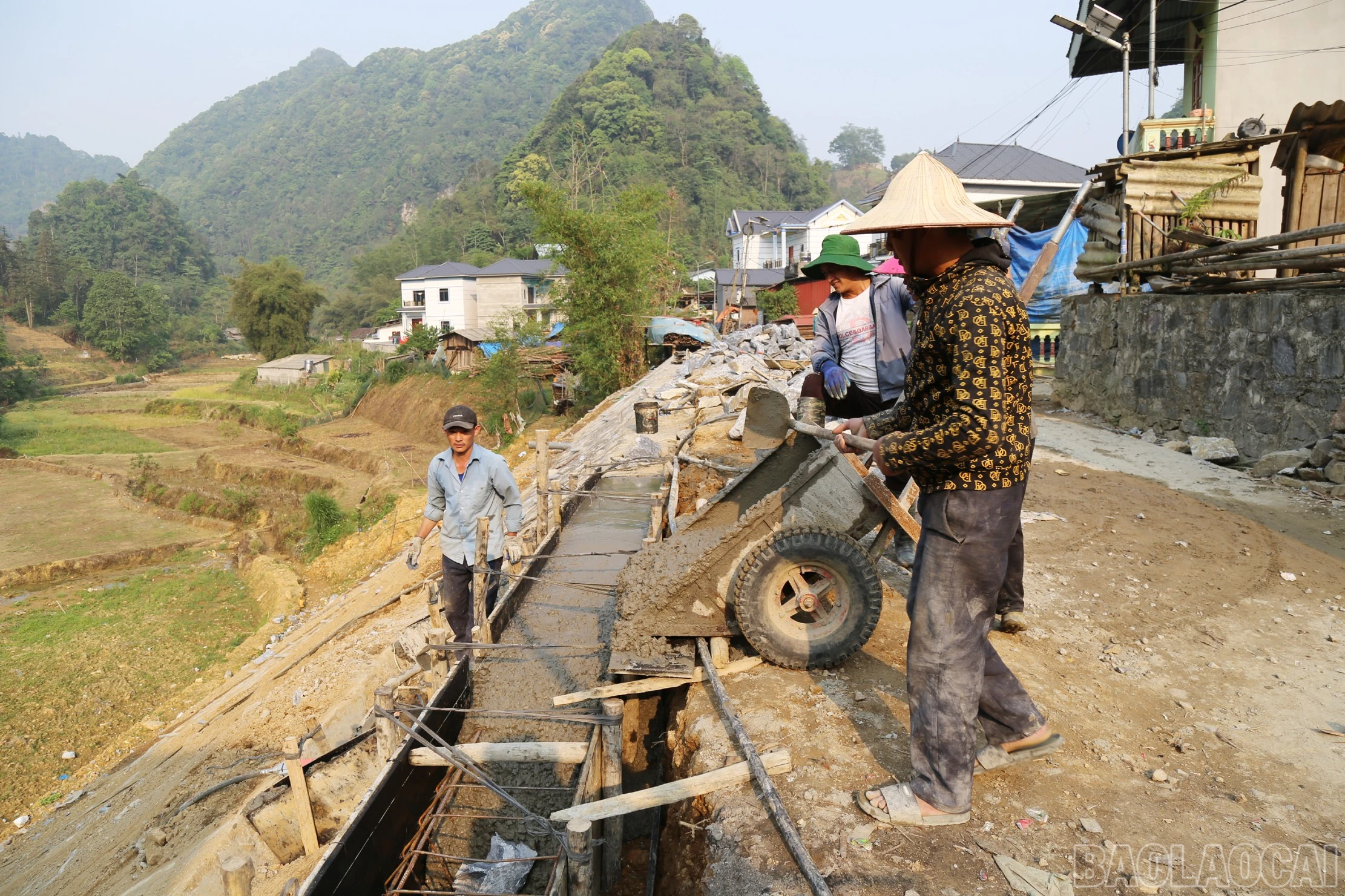
The transformation of Pha Long today is a clear result of the effectiveness of national target programs in the border region. From newly opened roads and agricultural economic models that bring stable income to the people's confidence in the future, all contribute to creating a vibrant appearance and new vitality for this border commune.
Source: https://baolaocai.vn/doi-thay-o-xa-bien-gioi-pha-long-post899192.html






























![[Workers' Month 2026] Spreading love on the Vinh - Dong Hoi frontline: Nearly 1 billion VND spent on caring for the lives of workers.](https://vphoto.vietnam.vn/thumb/402x226/vietnam/resource/IMAGE/2026/05/20/1779237885217_img_8650.jpeg)

























Comment (0)