

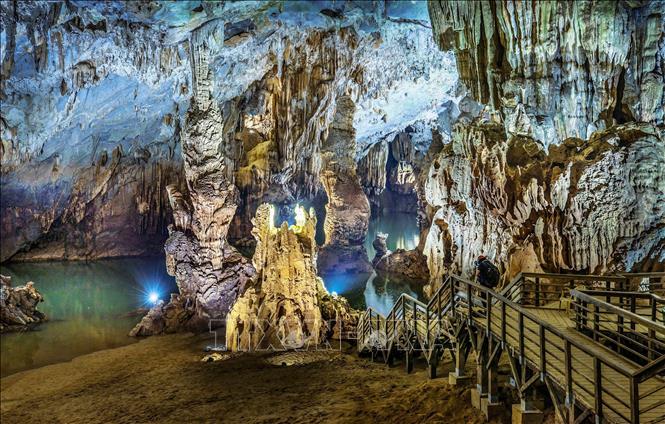
Elevating destination positioning
In Quang Tri province, the goal is to attract 13-15 million tourists by 2030, contributing approximately 10% to the province's GRDP, making tourism a key economic sector linked to community benefits and sustainable development. The province is maximizing its natural advantages and geographical location, with nearly 200 km of coastline, diverse ecosystems, and numerous scenic spots and historical-cultural relics, to plan and develop key tourist areas with international competitiveness. Quang Tri aims to become an attractive destination and a center for adventure tourism in Asia. Specifically, Phong Nha-Ke Bang National Park is envisioned to become a world-class regional tourism hub, while Dong Hoi and Cua Viet are to become the coastal tourism centers of Central Vietnam.
Quang Tri province will focus on building technical infrastructure for major tourist centers and destinations; attracting strategic investors with potential and experience; developing diverse types and products of tourism to meet the varied needs of domestic and international tourists; and prioritizing the development of resort, sports and entertainment complexes, shopping centers, and urban areas in suitable locations. In addition, the province will strengthen in-depth tourism promotion and marketing; strongly apply digital transformation; develop tourism human resources; and build a safe, civilized, courteous, friendly, and hospitable tourism environment.
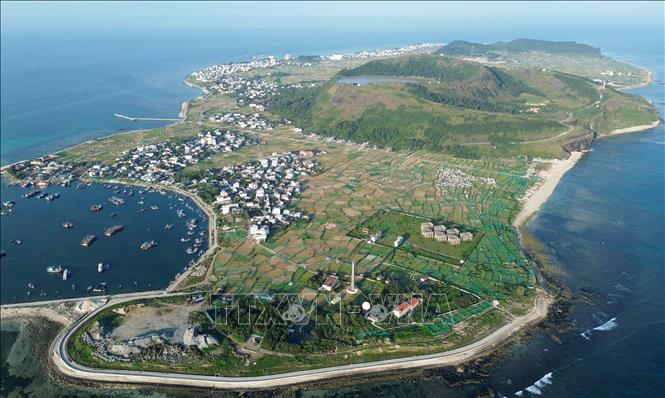
In Quang Ngai, one of the five key and breakthrough tasks for the 2025-2030 term is tourism development. The province aims to transform the Ly Son Special Economic Zone into a center for marine and island tourism, and the Mang Den tourist area into a center for eco-tourism and resort tourism. Quang Ngai's tourism sector focuses on developing tourism routes connecting forests and the sea, based on promoting the diverse cultural identities of each region, ethnic minority groups, historical and cultural relics, and scenic spots with the distinctive characteristics of the Central Highlands. In addition, the province is attracting strategic investors to develop large-scale, high-quality urban-service-tourism and entertainment complexes along the Dung Quat - Sa Huynh coastal road, the Ly Son Special Economic Zone, the Thach Bich - Nui Chua tourist area, and Ca Dam mountain...
Gia Lai aims to welcome approximately 18.5 million tourists by 2030, including 1.1 million international visitors. The province is orienting tourism development towards becoming a key, green, and sustainable economic sector; building Gia Lai into a world-class destination with diverse, high-quality tourism products that are competitive domestically and internationally, based on its advantages of the sea, mountainous and forest ecosystems, natural lakes, Central Highlands cultural heritage, and the culture and history of Binh Dinh associated with the Tay Son movement... The province will focus on developing the Phuong Mai - Nui Ba area and the Bien Ho - Chu Dang Ya tourist area into national tourist zones; and exploiting tourism along the An Khe - Eastern Truong Son Road - National Highway 24 - Mang Den route…
Developing high-quality tourism and services.
Not only the coastal provinces of Central Vietnam, but also the Central Highlands region is making strong breakthroughs in tourism development, exploiting the potential of its landscapes, climate, and unique cultural identity to create high-quality destinations with regional competitiveness. Among them, Lam Dong is considered a locality with many outstanding advantages, possessing famous and well-known destinations such as Da Lat, Bao Loc, Phan Thiet, Mui Ne, Phu Quy, the UNESCO Global Geopark Dak Nong, and Ta Dung Lake.
The province is determined to continue restructuring the service - tourism industry, creating new development momentum, diversifying tourism products, prioritizing new, high-quality types, associated with digital technology applications and promoting local specific advantages. Outstanding tourism products include agricultural, music, adventure, sports, medical, resort, cultural, MICE and sea sports tourism...
Simultaneously, Lam Dong province is focusing on attracting investment in urban-commercial-service-tourism complexes, high-end resorts, and large-scale projects to develop and effectively exploit the Mui Ne National Tourist Area, Tuyen Lam Lake, Dak Nong Global Geopark, Ta Dung landscape, Phu Quy special economic zone, and other key tourist areas, thereby creating momentum to promote the province's leading economic sector.
Da Nang City – a dynamic coastal metropolis – possesses numerous potentials, most notably its advantageous regional connectivity and two World Cultural Heritage sites: Hoi An Ancient Town and My Son Sanctuary. The city aims to become a leading global tourist destination. With Da Nang International Airport and Chu Lai Airport, the city currently has 17 international routes and 10 domestic routes, averaging approximately 120 flights per day, facilitating convenient access to tourist attractions.
In recent years, Da Nang's tourism brand has been increasingly affirmed on the international tourism map with many prestigious titles such as: "Asia's Leading Event and Festival Destination", top 10 Asian cities with the highest return visitor rates, and top 50 attractive destinations globally. Notably, Hoi An was ranked 6th in the top 25 most beautiful cities in the world in 2025...
In just the first nine months of 2025, Da Nang welcomed approximately 14.4 million visitors, including 5.8 million international tourists, generating nearly 41,000 billion VND in revenue from accommodation, food, and travel services, further solidifying its position as a leading tourism center in the Central region and the entire country.
Da Nang city's tourism infrastructure and service capacity are constantly being improved. The city currently has over 2,200 accommodation establishments with nearly 66,000 rooms, ranking first nationwide in the number of 4-5 star rated tourist accommodations; 57 tourist attractions; over 1,700 tourist transport vehicles, 118 tourist boats meeting operating requirements, 682 travel companies, over 7,000 tour guides; and nearly 10,000 quality food and shopping establishments.
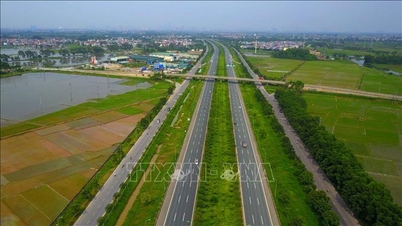
Tourism is a comprehensive economic sector, and achieving the aforementioned breakthrough development goals requires synchronized investment and development in many different areas, especially the transportation network. During the 2025-2030 term, provinces and cities in the Central and Central Highlands regions are determined to coordinate efforts to complete or commence new expressways as planned, and to invest in improving waterway, air, and rail transportation infrastructure. Da Nang City will expand Terminals T1 and T2 of Da Nang International Airport to a capacity of 10 million passengers per year; build Chu Lai Airport to meet international airport standards; and transform Tien Sa Port into a tourist port and marina after 2030. Gia Lai Province will also invest in a new terminal, expand the apron, and build a second runway and taxiways in accordance with the planning of Phu Cat Airport and Pleiku Airport. Dak Lak province is upgrading Tuy Hoa Airport to meet domestic airport standard 4C, expanding Buon Ma Thuot Airport, and moving towards meeting the requirements for operating international flights. Lam Dong province is also attracting investment in projects to upgrade and expand Lien Khuong International Airport; and Phan Thiet Airport. Quang Ngai province is researching and developing an airport in the Ly Son special economic zone, Mang Den Airport, etc.
According to Ms. Truong Thi Hong Hanh, Director of the Department of Culture, Sports and Tourism of Da Nang City, to achieve the goal of building Da Nang into an attractive destination of the world, the city has determined to take the value of cultural heritage, historical traditions of Vietnam, of the land and people of Quang Nam as the core foundation to create new, unique tourism products, bearing its own mark, creating a difference on the world tourism map. These are cultural heritage tourism associated with Hoi An Ancient Town, My Son Sanctuary, Ma Nhai Marble Mountains; high-end beach resort tourism combined with sea sports, yachting, golf, health care; strongly developing MICE tourism and festival and event tourism. The city also invests in night tourism products such as: light festivals, shows, food streets, night markets, Han River cruises to enhance the experience and increase the length of stay of tourists. In addition, the city is also stepping up its communication efforts, expanding its market, and attracting high-end tourists, business travelers, leisure tourists, and golf enthusiasts, promoting Da Nang as a destination of culture, heritage, beaches, islands, and diverse experiences…
Source: https://baotintuc.vn/du-lich/du-lich-mien-trung-hoi-tu-ban-sac-huong-den-chat-luong-cao-20251022103355643.htm






















![[Video] The craft of making Dong Ho folk paintings has been inscribed by UNESCO on the List of Crafts in Need of Urgent Safeguarding.](https://vphoto.vietnam.vn/thumb/402x226/vietnam/resource/IMAGE/2025/12/10/1765350246533_tranh-dong-ho-734-jpg.webp)











































Comment (0)