

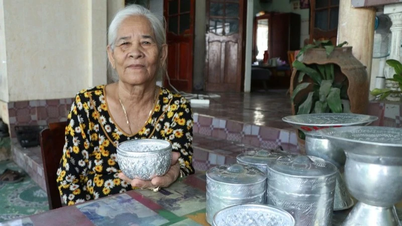
- 40 years of preserving the mat weaving craft.
- The essence of heritage craftsmanship
- Preserving traditional crafts
- Distinctive Chinese cuisine
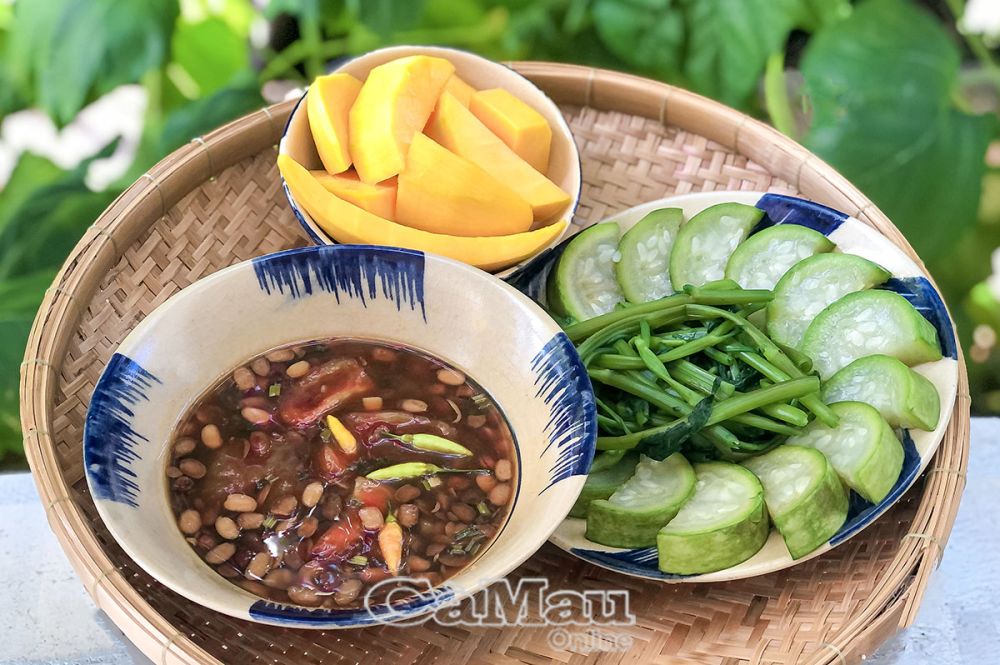
Coming from a family of Chinese descent, Mrs. Phu Xi Cuc inherited the art of making fermented soybean paste from her mother. She and her husband, Mr. Tran Viet Phuong, sell the paste to markets throughout the district. Their fermented soybean paste factory, named after the couple, opened in 1986.
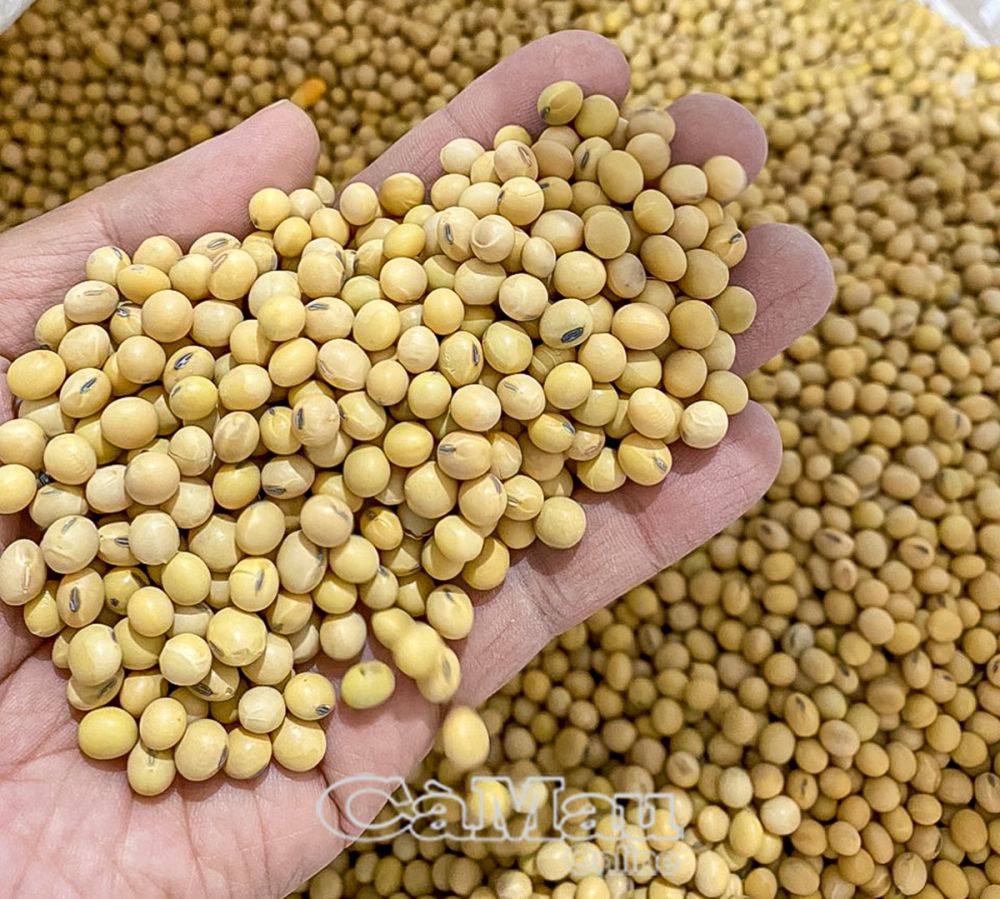
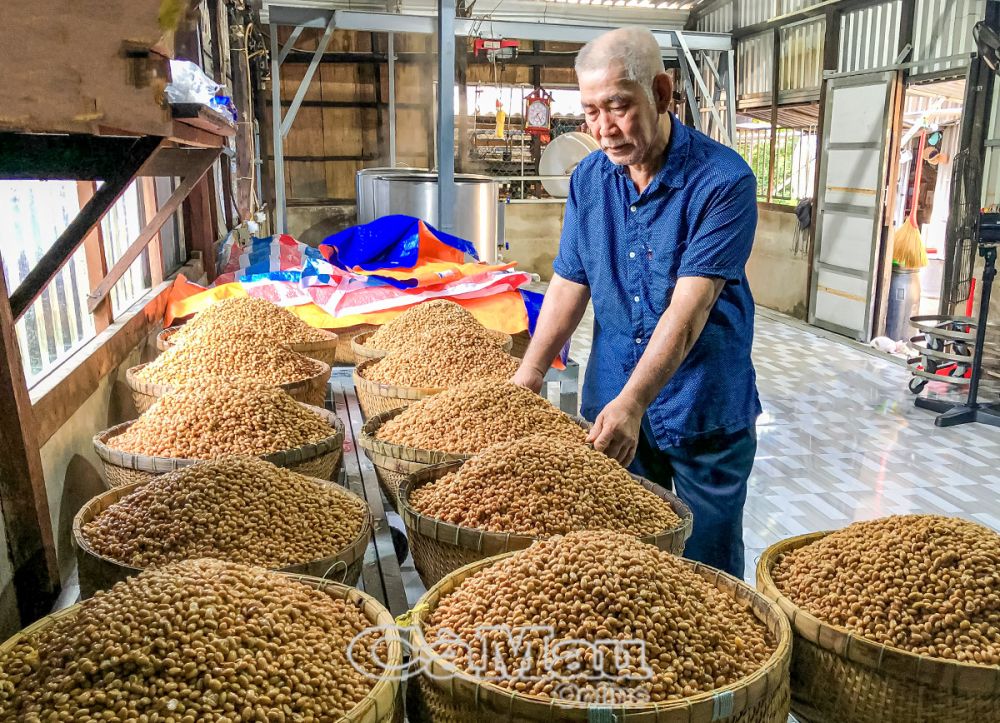
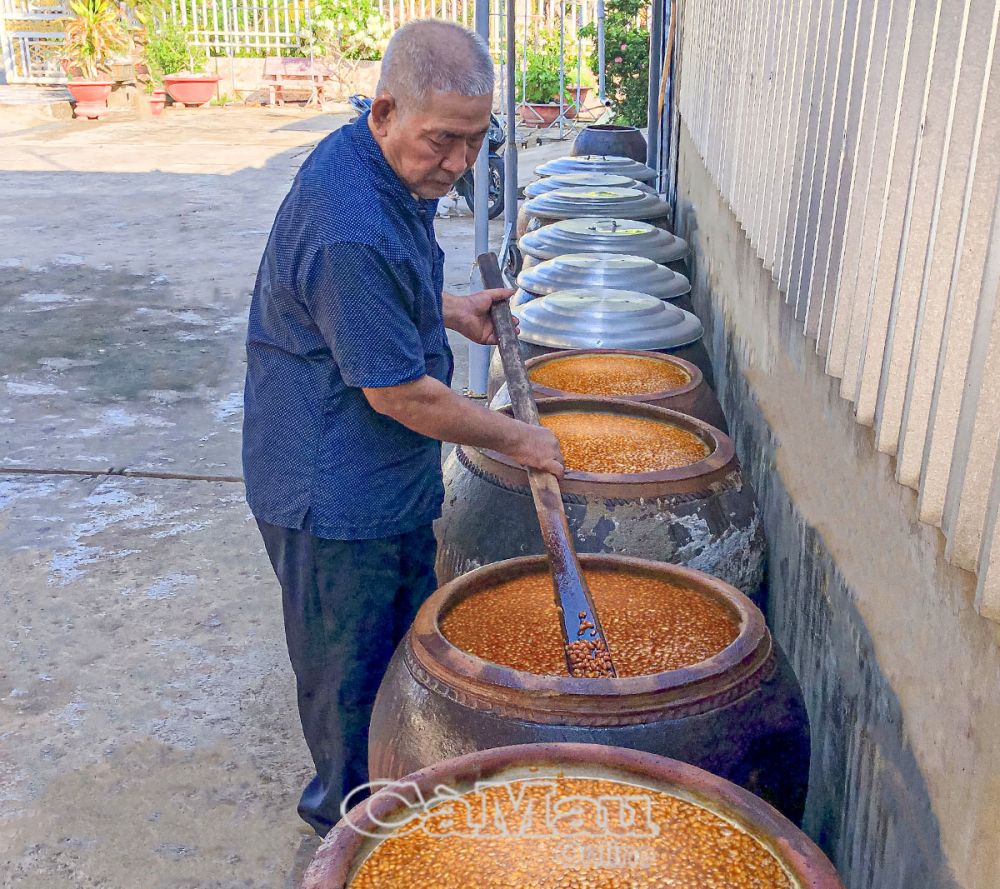
Mr. Phuong shared: “The recipe for making soybean paste among the Chinese in Southern Vietnam is similar, but each household has its own secret to creating the perfect balance of saltiness, sweetness, and distinctive aroma. There are four basic steps: first, cleaning and cooking the soybeans; then, draining and fermenting them; after a certain period, when the soybeans have fermented to the desired level, mixing them with salt and sugarcane syrup; and finally, continuing to ferment them in earthenware jars in a cool, sunny place for a further period. At this point, the paste will have a distinctive aroma, a balanced salty and sweet taste, and beautiful reddish-brown soybeans that are intact, soft but not mushy. The most important thing in making soybean paste is choosing the best quality soybeans, which will make the subsequent steps easier.”
Currently, fermented soybean paste is sold wholesale at 12,000 VND/kg and retail at 14,000 VND/kg.
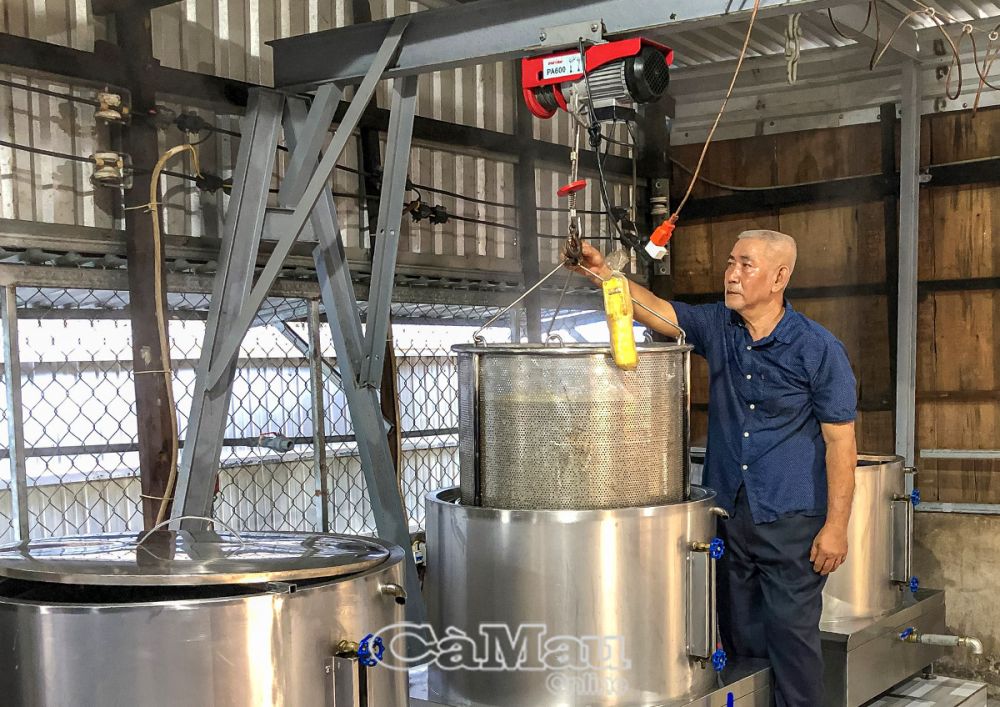
Mr. and Mrs. Phuong are very dedicated to preserving and developing the traditional craft. For the past two years, Mr. Phuong has been researching and investing nearly 400 million VND in an electric bean cooking oven system.
Performed by Thao Mo
Source: https://baocamau.vn/gan-40-nam-giu-nghe-lam-tuong-hot-a32904.html
![[Photo] General Secretary and President To Lam presides over a meeting with the Central Organizing Committee.](https://vphoto.vietnam.vn/thumb/1200x675/vietnam/resource/IMAGE/2026/06/03/1780482764658_a1-bnd-4741-3342-jpg.webp)
![[Photo] Secretary of the National Assembly Party Committee, Chairman of the National Assembly presides over the meeting of the Standing Committee and Executive Committee of the National Assembly Party Committee.](https://vphoto.vietnam.vn/thumb/1200x675/vietnam/resource/IMAGE/2026/06/03/1780480353201_ndo_br_bnd-2585-jpg.webp)

![[Photo] First session of the 14th Congress of the Vietnam Trade Union](https://vphoto.vietnam.vn/thumb/1200x675/vietnam/resource/IMAGE/2026/06/03/1780465947883_ndo_br_img-3852-jpg.webp)























![[Video] Sunset at Lap An Lagoon – Where the sun sets over the fishing nets](https://vphoto.vietnam.vn/thumb/1200x675/vietnam/resource/IMAGE/2026/05/31/1780192137701_beach-landscape-sea-water-nature-grass-745871-pxhere-com.jpeg)



























Comment (0)