


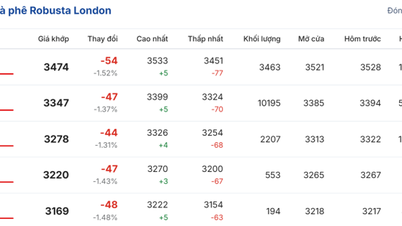
According to MXV, at the close of trading on December 4th, the industrial raw materials market witnessed a widespread decline across most commodities in the group. Among them, coffee stood out as a bright spot, bucking the general trend of the group.
Specifically, Arabica coffee prices recorded an impressive increase of over 2.1% to $8,388 per ton, while Robusta coffee prices also rose by nearly 0.5% to $4,232 per ton.
The upward trend in Arabica coffee prices is strongly supported by supply shortages from Brazil. The country's record-breaking export surge of 50.5 million bags in 2024 has led to significant domestic inventory constraints.
Data from the Ministry of Development, Industry, Trade and Services (MDIC) shows that in the first 10 months of the year, Brazil exported only about 34.2 million bags, a decrease of 17.8% compared to the same period in 2024, further reinforcing the upward price trend.
Meanwhile, Conab reported that after the harvest in Brazil ended in September, Minas Gerais – the largest coffee-producing state – recorded 25.17 million bags of Arabica, down 9.2% from the previous season, due to an unfavorable two-year cycle and a prolonged drought before flowering. In São Paulo, production fell 12.9%, estimated at only 4.7 million bags, due to the biological impact of a low cycle and unfavorable climatic conditions such as drought and high temperatures.
According to Climatempo forecasts, drought and high temperatures will continue to blanket Brazil's major coffee-growing regions next week. Farmer Rafael Stefani in the Alta Mogiana region expressed concern that the combination of lack of rain and intense heat will negatively impact fruit ripening, threatening the quality of the 2026 crop.
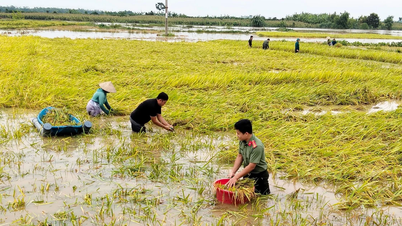
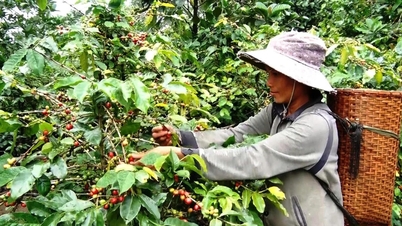
Furthermore, the global Robusta supply picture remains a cause for concern due to the extremely complex weather situation in Vietnam. Prolonged heavy rains causing widespread flooding in the Central Highlands are seriously affecting the progress and quality of the harvest. Although farmers have harvested 50%-60% of the crop, the storms have made drying difficult and resulted in significant fruit drop. Market sources estimate that storms and floods could reduce Vietnam's coffee production by approximately 5% to 10%.
Source: https://vtv.vn/gia-ca-phe-phuc-hoi-manh-me-100251205144750878.htm





































































































Comment (0)