

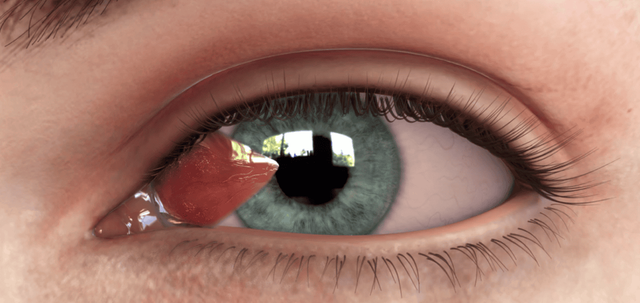
Pterygium is a benign tumor but can reduce vision by spreading to the cornea.
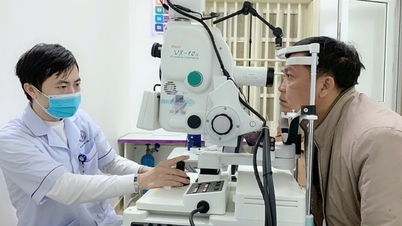
Pterygium is one of the most common diseases that doctors regularly receive at Binh Tam Eye Hospital, Thanh Hoa , especially in patients who often have to work under the harsh sunlight. Many people mistakenly think that this is just a benign change, but in fact, this mass of tissue can silently progress and cause serious consequences for our vision.
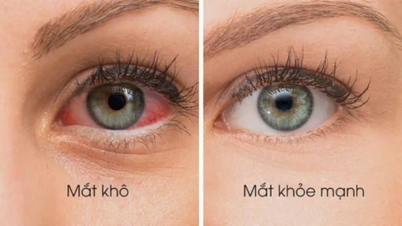
As the pterygium grows and deepens, it covers the cornea, changes the shape of the corneal surface and eventually obscures the pupil. This process not only causes blurred vision and poor vision but also significantly increases the symptoms of dry eyes, redness and irritation when the patient is exposed to a smoky environment.
Assessment of the degree of invasiveness of pterygium
Monitoring and assessing the progression of pterygium is a key factor in deciding when to intervene. Doctors at Binh Tam Eye Hospital often base their classification on the extent of the pterygium's head spreading into the cornea. The deeper the invasion, the higher the risk of vision loss.
In prognostic classification, doctors can divide pterygium into two main types: Progressive pterygium (thick body, many blood vessels, pointed tip, high recurrence) and Fibrous (stable) pterygium (round tip, few blood vessels, low progression).
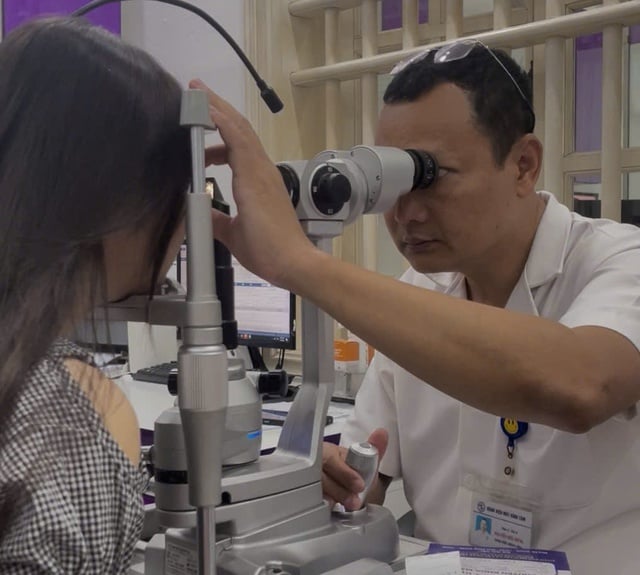
Dr. Nguyen Huu Dung - Director of Binh Tam Eye Hospital shares about the causes, treatment and prevention of pterygium.
According to Dr. DD. Ths Nguyen Huu Dung - Director of Binh Tam Eye Hospital, people should come for regular check-ups as soon as they see pterygium appear. For cases of pterygium with 'progressive' characteristics, the possibility of recurrence is very high. Close monitoring is needed to intervene in time, to avoid pterygium spreading too deep into the optical area, causing astigmatism or obscuring the pupil, at which point vision recovery will be much more difficult.
Special treatment methods at Binh Tam Eye Hospital
Treatment strategies for pterygium are divided into two main stages, depending on the severity of the disease.
1. Medical treatment (using drugs)
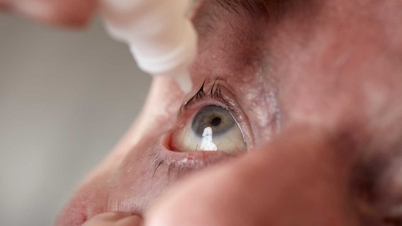
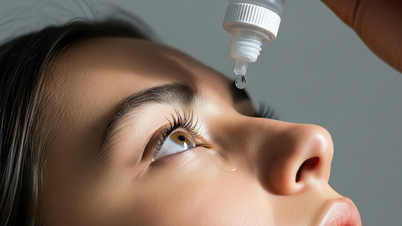
For small (Grade 1) pterygiums that are not causing discomfort or significant invasion, your doctor will advise medical treatment. The main goal is to relieve symptoms of irritation, redness, and dryness of the eye by using products such as artificial tears and eye ointments.
"I have noticed that many patients often buy eye drops containing Corticoid on their own to reduce red eyes. This is a serious mistake! Abusing these drugs can cause unpredictable complications such as secondary glaucoma or cataracts, causing irreversible damage to the eyes. Use the drug as prescribed by an ophthalmologist," Dr. Dung shared.
2. Surgical removal of pterygium (gold standard)
Surgery is the definitive treatment when pterygium has developed, deeply invaded the central area of the cornea (usually Grade 2 or higher), significantly reduced vision, or caused prolonged uncomfortable symptoms.
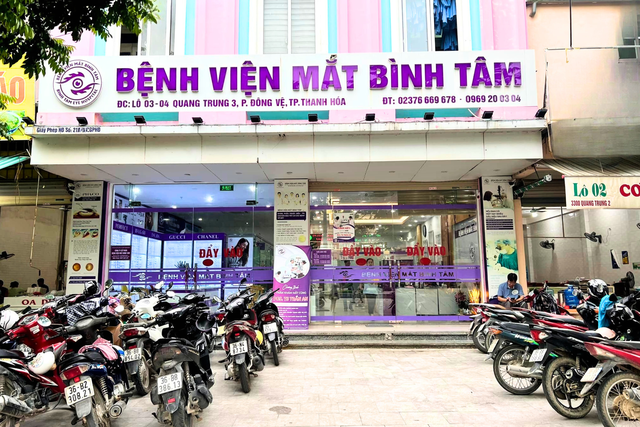
Binh Tam Eye Hospital with a team of dedicated experts and advanced technology provides high quality services.
Optimal surgical technique:
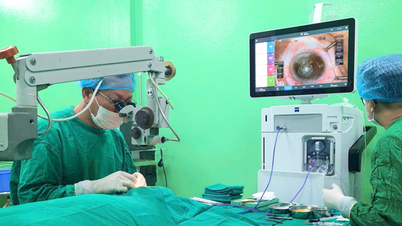
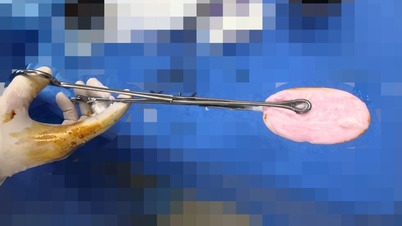
At Binh Tam Eye Hospital, doctors prioritize pterygium removal surgery and autologous conjunctival transplantation. This is considered the gold standard in modern pterygium treatment.
Dr. Dung shared about this technique, the goal of surgery is not only to remove the pterygium but more importantly to prevent recurrence. The autologous conjunctival graft method is the key. After removing the pterygium, we take a piece of healthy conjunctiva from the patient's own eye to cover the defect. This graft contains stem cells that help regenerate the surface of the eyeball, reducing the recurrence rate to less than 5%, much more optimal than old techniques such as simple excision. Even in cases of multiple recurrences, we can combine additional anti-metabolic factors (such as Mitomycin C) to ensure results.
Protect your eyes today
Although pterygium can be treated, prevention is the smartest course of action. Since the leading cause is ultraviolet rays, each of us should proactively limit our eyes' direct and frequent exposure to sunlight, dust and wind.
"If your job requires you to be outdoors frequently, consider wearing 100% UV-blocking sunglasses as a mandatory protective measure, just like wearing a helmet. UV rays are the main culprit in causing pterygium. Protecting your eyes with good quality sunglasses will significantly reduce the risk of pterygium formation and progression. Don't wait until the pterygium has spread to the center before seeking treatment.
Pterygium is a disease that can be effectively treated and prevented. If the patient notices any unusual signs in the eyes, go immediately to Binh Tam Eye Hospital for examination, accurate diagnosis and timely treatment advice, to protect the "windows of the soul", Dr. Dung emphasized.
Khanh Linh
Source: https://suckhoedoisong.vn/hieu-ro-ve-benh-mong-thit-va-phuong-phap-dieu-tri-hien-dai-169251201091723408.htm
![[Photo] Prime Minister Pham Minh Chinh receives President of Cuba's Latin American News Agency](/_next/image?url=https%3A%2F%2Fvphoto.vietnam.vn%2Fthumb%2F1200x675%2Fvietnam%2Fresource%2FIMAGE%2F2025%2F12%2F01%2F1764569497815_dsc-2890-jpg.webp&w=3840&q=75)


![[Photo] President Luong Cuong holds talks with Sultan of Brunei Darussalam Haji Hassanal Bolkiah](/_next/image?url=https%3A%2F%2Fvphoto.vietnam.vn%2Fthumb%2F1200x675%2Fvietnam%2Fresource%2FIMAGE%2F2025%2F12%2F01%2F1764567099556_ndo_br_1-jpg.webp&w=3840&q=75)























































































Comment (0)