

Health & Life Newspaper would like to introduce Associate Professor, Dr. Nguyen Trong Hung, Director of the Center for Nutritional Rehabilitation and Obesity Control, National Institute of Nutrition, to answer these questions.
Micronutrients are substances that the body only needs in very small amounts but play a very important role in growth, intellectual development, maintaining and improving health, and preventing diseases, especially in young children. Micronutrients include: Vitamins (A, B, C, D, E, etc.); Minerals (Calcium, Phosphorus, Iron, Zinc, Iodine, Selenium, etc.).
Question: Doctor, my child is 7 years old this year and is a bit skinny. So what nutrients do primary school-age children need to develop comprehensively both physically and mentally?
duonga@gmail.com
Associate Professor, Dr. Nguyen Trong Hung : Primary school children are in the stage of strong growth in height, brain and immune system. Therefore, children's diet needs to have enough of 4 basic nutrient groups: protein, fat, starch (carbohydrate), vitamins and minerals. In which, micronutrients such as calcium, iron, zinc, vitamins A, D, C are especially important for height growth, brain development and increased resistance.
Question: My 9-year-old child is a bit short and thin, so what vitamins and minerals are especially important for the development of children from 6 to 11 years old?
tranhinh@gmail.com
Associate Professor, Dr. Nguyen Trong Hung : Some essential nutrients for children of this age include:
• Calcium and vitamin D: help develop strong bones and teeth.
• Iron: supports blood production and prevents iron deficiency anemia.
• Vitamin A: important for vision and immune system.
• Vitamin C: supports iron absorption, is an antioxidant and increases resistance.
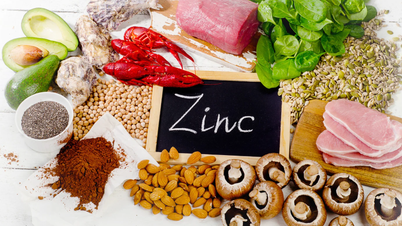
• Zinc: helps increase height, develop nervous and immune systems.

Associate Professor, Dr. Nguyen Trong Hung, Director of the Center for Nutritional Counseling, Rehabilitation and Obesity Control, National Institute of Nutrition
Question: I just gave birth and have no experience raising a baby. Can you please share the specific roles of common vitamins such as A, D, C, and minerals such as calcium, zinc, and iron?
098555xxx
Associate Professor, Dr. Nguyen Trong Hung:
Vitamin A: helps children have bright eyes, protects mucous membranes and increases resistance.
• Vitamin D: supports calcium absorption, helps bones grow strong and healthy.
• Vitamin C: increases resistance, helps wounds heal quickly, supports iron absorption.
• Calcium: necessary for height and strong bone development.
• Iron: Iron deficiency leads to anemia, making children tired and reducing their ability to concentrate.
• Zinc: helps children eat well, improve height and immune system.
Question: My child is 3 years old this year. He has a poor appetite and pale skin. Doctor, can children absorb enough vitamins and minerals from their daily diet, or do they need to supplement them with functional foods?
lha900@gmail.com
Associate Professor, Dr. Nguyen Trong Hung:
If children have a varied and scientific diet, they can completely absorb all the necessary nutrients from natural foods. However, for children with anorexia, who do not eat a varied and complete diet of food groups or are malnourished, doctors may prescribe micronutrient supplements from functional foods, but must be in the right dosage and closely monitored.
Question: My child is in 4th grade this year but he is so skinny that I am worried. So can you suggest a sample menu rich in nutrients suitable for primary school students?
0912xxxxx
Associate Professor, Dr. Nguyen Trong Hung:
A simple but nutritious menu could be as follows:
• Breakfast: Chicken pho (noodles: 150g; chicken: 35g; bone broth; green onions).
• Lunch: 2 bowls of rice (100g of rice); fried pork (lean shoulder meat: 70g); stir-fried cabbage (cabbage: 100g); green cabbage soup (green cabbage: 30g); vegetable oil/fat: 5g.
• Afternoon: 1 glass of milk or 1 box of yogurt suitable for age.
• Dinner: 2 bowls of rice (100g of rice); steamed shrimp (70g of shrimp); fried beans (beans: ½ board); boiled squash (squash: 100g).
Encourage children to drink enough water and avoid sugary soft drinks, fried foods, and processed foods.

If children have a varied and scientific diet, they can completely absorb enough necessary nutrients from natural foods.
Question: My son is 8 years old, has thin hair and pale skin. Doctor, what are the signs that a child is lacking nutrients, especially vitamins and minerals?
traha@gmail.com
Associate Professor, Dr. Nguyen Trong Hung:
Some signs parents should watch out for include:
• Hair loss, dry, cracked skin (lack of vitamins A, B)
• Children often get sick and are tired (lack of vitamin C, zinc, iron)
• Slow growth, no increase in height, poor sleep (lack of calcium, vitamin D, zinc)
• Brittle nails, brittle hair, dark circles under the eyes (lack of iron, zinc, vitamin C, vitamin D, biotin)
• Poor appetite, decreased taste (lack of zinc, vitamin B1)
Question: What are the long-term consequences of vitamin and mineral deficiencies in children ?
09222xxx
Associate Professor, Dr. Nguyen Trong Hung:
Long-term malnutrition can cause children to:
• Slow growth in height and weight.
• Reduced learning ability, poor thinking.
• Weakened immune system, susceptible to disease.
• Increased risk of rickets, anemia, and osteoporosis later in life.
• Causes psychological and behavioral development disorders.
Question: My child is a picky eater and does not eat vegetables. Can you give any advice to parents on choosing food and planning meals for their children?
Associate Professor, Dr. Nguyen Trong Hung:
Prioritize fresh foods, simple preparation, low in fat. Each meal should include 4 different food groups. Children should not eat too much fried food or drink soft drinks regularly. In addition, create a habit of eating on time, eating with your children and encouraging them to exercise outdoors every day.
Question: My child eats lunch but the food doesn't suit his taste, so I'm worried. So I'd like to ask how the school should coordinate in ensuring nutrition for primary school students?
thubinh3999@gmail.com
Associate Professor, Dr. Nguyen Trong Hung:
Schools need to ensure that the meals are nutritious, varied, and fast food is limited. In addition, nutrition education should be integrated into subjects and extracurricular activities should be organized so that students understand and practice healthy eating.
Question: What message would you like to send to parents who are concerned about nutrition for their school-age children?
09233xxx
Associate Professor, Dr. Nguyen Trong Hung:
Accompany your child on the journey of healthy development. A balanced, reasonable diet right from primary school age will be a solid foundation for the child's physical, intellectual and psychological health in the future. Don't wait until your child shows signs of malnutrition to start caring - be proactive in prevention today.
Source: https://suckhoedoisong.vn/bac-si-tu-van-ve-vi-chat-dinh-duong-can-thiet-doi-voi-tre-tieu-hoc-169251127181526163.htm

























































































Comment (0)