

According to the Ministry of Health , based on the results of the 2019-2020 nutrition survey, micronutrient deficiencies remain high in the Vietnamese community.
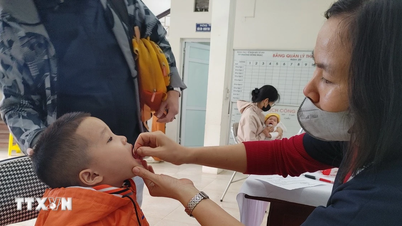
Children in mountainous areas, pregnant mothers, and women of childbearing age are all deficient in micronutrients such as iodine, zinc, iron, and vitamin A.
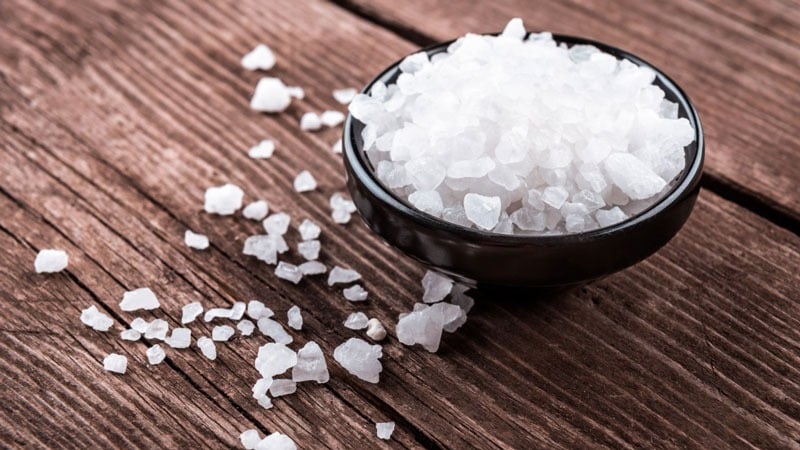
Providing information on the use of micronutrients in Vietnam, at the workshop to provide feedback on the draft Decree amending and supplementing some articles of Decree No. 09/2016/ND-CP on strengthening micronutrient fortification in food, Associate Professor Dr. Truong Tuyet Mai, Deputy Director of the National Institute of Nutrition, said that after 7 years of implementing Decree 09, the percentage of households using iodized salt in the community that meet the standards has decreased.
 |
| According to the Ministry of Health , based on the results of the 2019-2020 nutrition survey, micronutrient deficiencies remain high in the Vietnamese community. |
In particular, the rate of iodine use among children nationwide is at the lower end of the WHO recommended risk level, especially very low among children in mountainous areas (not meeting the recommendation).
The rate of iodine use falling short of WHO recommendations is also found in pregnant women, women of childbearing age (only about half achieved this), and households at only 27%, while the WHO recommendation is 90%.
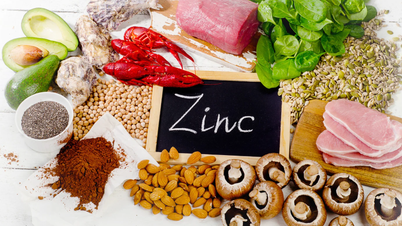
In addition, serum iron, zinc, and vitamin A deficiencies also occur in the community, especially in women and children, who are the most vulnerable groups and require the most supplementation.
According to Deputy Minister of Health Do Xuan Tuyen, to ensure adequate nutrition and micronutrients for human development, the Food Safety Law requires organizations and individuals producing food to fortify food with micronutrients, as deficiencies will affect public health.
The Ministry of Health advised the Government to issue Decree 09/2016/ND-CP in 2016. After 7 years of implementing Decree 09, based on the results of the 2019-2020 nutrition survey, the prevalence of micronutrient deficiencies in the community remains high.
According to the Ministry of Health leadership, following requests from several businesses, the Government issued Resolution 19 in 2018, which encourages food processing businesses to add micronutrients to their products, but it is not yet mandatory.
However, field surveys have shown that iodine, zinc, iron, and vitamin A are still deficient in the community. The World Health Organization (WHO) assesses Vietnam as being among the 26 countries with iodine deficiency; therefore, community intervention measures are urgently needed to ensure that Vietnamese people do not suffer from micronutrient deficiencies.
According to the Deputy Minister of Health, micronutrient deficiencies can be addressed in accordance with WHO recommendations, which include fortifying food with iodine, iron, zinc, and vitamin A.
In Decision 53/2024/QD-CP dated January 15, 2024, the Government assigned the Ministry of Health to research and propose amendments and additions to Decree 09. To date, the draft amendments and additions to Decree 09 have been largely completed, and feedback has been solicited from relevant agencies and units.
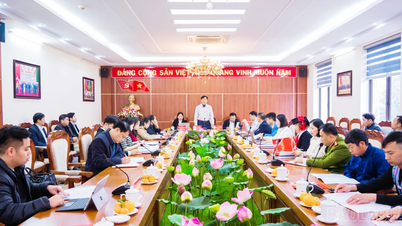
However, the drafting committee still received some opinions from businesses suggesting that the inclusion of micronutrients should not be mandatory in the draft. Therefore, the Ministry of Health organized this workshop to gather opinions from domestic experts and experts from international organizations to analyze and clarify the matter, providing a scientific basis for reporting to the Government, so that when the Government issues the amended Decree, it will have a full legal basis.
According to Dr. Loland Kupka, Regional Nutrition Advisor, UNICEF East Asia and Pacific Office, micronutrient fortification of food is being implemented in 10 ASEAN countries. Vietnam and other ASEAN member states have demonstrated a commitment to widespread mandatory micronutrient fortification of food.
In Vietnam, a full range of tools is needed to address this deficiency through widespread and large-scale micronutrient fortification. We recommend mandatory micronutrient fortification of cooking oils, flour, and salt to address the widespread vitamin and mineral deficiencies currently prevalent in Vietnam.
According to Dr. Tran Anh Dung, Director of the Institute of Health Strategy and Policy, some businesses are concerned about the economic impact of adding micronutrients to food, fearing it will increase selling prices and create competition with businesses that do not add micronutrients.
However, through economic, legal, and administrative impact assessments, the option of mandating the fortification of salt and flour with micronutrients offers more benefits than the incentive option, meeting the practical demands of rapidly reducing the alarming micronutrient deficiencies at the community level in our country.
From an economic perspective, this option offers higher economic benefits (13,451 billion VND) and a cost-benefit ratio that is almost double (85.0:1 compared to 46.3).
Dr. Dung added that, given Vietnam's socio-economic context and low per capita income, the optimal medium-term solution is to fortify salt and flour with essential micronutrients.
This ensures equitable access to micronutrients and allows for a public-private partnership, where food producers handle the production and distribution of micronutrient-fortified foods, and consumers pay for these health-beneficial products at a low cost.
Experts both domestically and internationally have expressed their views and proposed retaining Clause 1, Article 6 of Government Decree 09 regarding the supplementation of micronutrients in food.
Ms. Dinh Thi Thu Thuy, Deputy Director of the Legal Department, Ministry of Health, said that the Ministry of Health will gather all contributions and analyses based on scientific evidence presented by experts and representatives of international organizations at the workshop to provide a basis for reporting to the Prime Minister and for discussions with businesses. At the same time, the Ministry will soon finalize the draft Decree amending and supplementing several articles of Decree No. 09/2016/ND-CP on strengthening micronutrient fortification in food for submission to the Government.
Ms. Truong Tuyet Mai's opinion emphasizes that iodine, iron, zinc, and vitamin A deficiencies in serum are still significant public health issues. The number of businesses complying with the requirement to fortify table salt with iodine, oils with vitamin A, and flour with iron and zinc has decreased since Resolution 19 was issued.
Specifically, the survey showed that the median urinary iodine values in children in mountainous areas, women of childbearing age, and pregnant women did not meet WHO recommendations. In particular, this figure in pregnant women was only about half of the WHO recommendation.
Furthermore, only 27% of households have access to standard iodized salt, while the WHO requirement is over 90%. Similarly, we are experiencing quite severe levels of zinc and vitamin A deficiency in the population.
"We must continue to monitor and take measures to prevent micronutrient deficiencies. Regarding the mandatory fortification of food, Vietnam has not yet implemented it and remains stagnant while the world is moving towards mandatory fortification," Ms. Mai emphasized.
Experts suggest that the draft amendment to Decree 09 should not change Clause 1, Article 6. Accordingly, it is necessary to continue strengthening iodine fortification in salt used for direct consumption and in food processing; fortifying iron and zinc in wheat flour, and vitamin A in cooking oil. This is to ensure the prevention of micronutrient deficiencies in the community, contributing to the achievement of the goals of the National Strategy on Nutrition to 2030, with a vision to 2045.
Source: https://baodautu.vn/can-thiet-bo-sung-vi-chat-dinh-duong-vao-thuc-pham-d227218.html











































































Comment (0)