


Sharing information at the conference, the World Health Organization representative in Vietnam stated: At the 43rd meeting of the Emergency Committee on Polio under the International Health Regulations (IHR), convened by the Director-General of the World Health Organization in October 2025, it was concluded that: The risk of international spread of polio virus remains a global health emergency. Areas that have eliminated polio are still affected by polio outbreaks caused by genetically modified strains of the virus (cVDPV). Recent polio outbreaks in the region caused by genetically modified strains of the virus (cVDPV) include: Indonesia (2022-2025), Papua New Guinea (2025).
Notably, the first case of polio caused by the genetically modified virus type 1 (cVDPV1) was recently detected in Laos through acute flaccid paralysis surveillance, and Laos has identified a cVDPV outbreak. Alarmingly, the World Health Organization (WHO) has assessed that the risk of polio outbreaks in Vietnam is very high due to risk factors such as: epidemiological and geographical risk (bordering Laos); the risk of a polio immunity gap in recent years due to unmet vaccination targets; and the inadequacies in the acute flaccid paralysis surveillance and environmental monitoring systems.
According to Vo Hai Son, Deputy Director of the Department of Disease Prevention (Ministry of Health): Polio is a highly contagious disease that spreads from person to person, mainly through the fecal-oral route. Meanwhile, the risk of polio entering Vietnam is very high due to the large volume of travel between Vietnam and Laos; issues related to hygiene and food safety, especially the recent floods in many localities. In particular, with the Lunar New Year approaching, there is a significant movement of people returning home from working far away for the holiday.
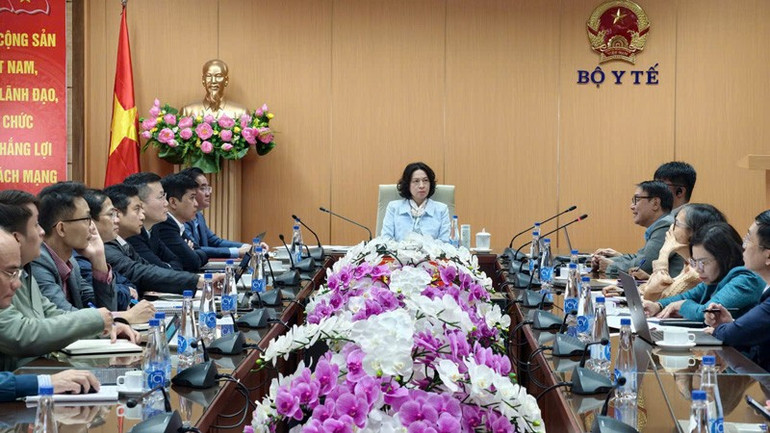
Given the risk of rabies entering and recurring in Vietnam, the Ministry of Health has issued a document requesting localities to strengthen surveillance and prevention of acute flaccid paralysis according to the Guidelines for Surveillance and Prevention of Polio; urgently review vaccination history, and organize polio vaccination (IPV, bOPV) for schools that have not received oral/injectable polio vaccine or have not received the full dose, especially in high-risk areas.
In localities bordering Laos, the local health sector closely coordinates with the Lao authorities to implement timely and effective polio prevention and control measures.
Sharing information about polio vaccination efforts, Associate Professor, Dr. Pham Quang Thai, Deputy Head of the Department of Infectious Disease Control (National Institute of Hygiene and Epidemiology), said: Due to the impact of the Covid-19 pandemic (2021-2022) and disruptions in vaccine supply in 2023, the polio vaccination rate in Vietnam has been affected. Specifically, the percentage of children vaccinated/administered polio vaccine in 2002 was 89.3%; in 2023: 87.3%; and in 2024: 93.2%.
Specifically for 2025, as of October 2025, the national vaccination rate reached 78.2%. Although localities have reviewed unvaccinated individuals and those who have not received all the required doses to implement catch-up vaccinations annually, the number of individuals receiving catch-up vaccinations only accounts for a small percentage of the total number needing such vaccinations. Meanwhile, maintaining a polio vaccination rate of ≥ 95% in routine immunization programs at the provincial level is essential for effective polio prevention.
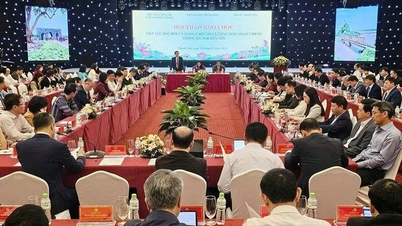
Speaking at the conference, Deputy Minister of Health Nguyen Thi Lien Huong stated: Thanks to the implementation of polio vaccination in the Expanded Immunization Program, more than 95% of children have received polio vaccine orally for many years. As a result, Vietnam has not recorded any cases of polio, and in 2000, Vietnam was recognized by the World Health Organization as having eradicated the disease nationwide. However, at the end of August 2025, a case testing positive for vaccine-derived polio virus type 1 (VDPV1) was recorded in Laos.
In early October 2025, Laos recorded two more positive cases from stool samples of two of 28 healthy children, leading to a nationwide polio outbreak on October 17th. Notably, the World Health Organization (WHO) has designated the outbreak in Laos as a regional outbreak and has advised countries sharing borders with Laos; in particular, the WHO warned that the risk of polio entering Vietnam is very high and imminent.

In response to warnings from the World Health Organization and to ensure timely and effective polio prevention and control, with the motto: "prevention from early on and from afar," the Ministry of Health requests the People's Committees of provinces and cities to focus on directing the People's Committees of communes, wards, special zones, and socio-political organizations to closely coordinate with the health sector to implement comprehensive measures to respond to and prevent polio, especially in communes, villages, and hamlets bordering Laos.
The Department of Health is directed to instruct all public and private medical facilities in the area to strengthen surveillance of acute flaccid paralysis, especially active and continuous surveillance of all children under 15 years old in the area; to organize the collection of specimens from all cases of flaccid paralysis under 15 years old at all medical facilities; to detect cases early and screen tourists under 15 years old at all land, air, and sea border crossings… to handle them promptly and minimize the risk of outbreaks and spread, especially in communes bordering Laos.
This includes strictly adhering to the online entry of information on acute flaccid paralysis cases within 48 hours of diagnosis and polio cases as stipulated in Circular No. 54/2015/TT-BYT.
Deputy Minister Nguyen Thi Lien Huong also requested that units under the Ministry guide provinces and cities under their responsibility to urgently review areas with low polio vaccination rates to organize supplementary vaccinations; guide localities to proactively strengthen monitoring and prevention of acute flaccid paralysis and polio; and strictly implement regulations on notifying test results, information, and reporting of infectious disease cases according to the guidelines of the Ministry of Health.
"At the same time, ministries, departments, agencies, and socio-political organizations in the area should coordinate with the health sector to implement activities to raise awareness about polio prevention and control, diversifying communication activities so that people understand and proactively implement polio prevention measures. This should focus on disseminating information on topics such as: limiting contact with patients, practicing personal hygiene, ensuring food safety, eating cooked food and drinking boiled water, using clean water; properly disposing of feces and waste, and using sanitary toilets; encouraging children to receive full vaccinations; and advising people to go to a medical facility immediately if they suspect they have the disease," Nguyen Thi Lien Huong emphasized.
Source: https://nhandan.vn/canh-bao-nguy-co-benh-bai-liet-xay-ra-tai-viet-nam-rat-cao-post929791.html

![[Image] Close-up of the newly discovered "sacred road" at My Son Sanctuary](/_next/image?url=https%3A%2F%2Fvphoto.vietnam.vn%2Fthumb%2F1200x675%2Fvietnam%2Fresource%2FIMAGE%2F2025%2F12%2F13%2F1765587881240_ndo_br_ms5-jpg.webp&w=3840&q=75)









![[Image] Close-up of the newly discovered "sacred road" at My Son Sanctuary](https://vphoto.vietnam.vn/thumb/402x226/vietnam/resource/IMAGE/2025/12/13/1765587881240_ndo_br_ms5-jpg.webp)





















































Comment (0)