

Heritage - the unique features that make up the Cao Bang brand
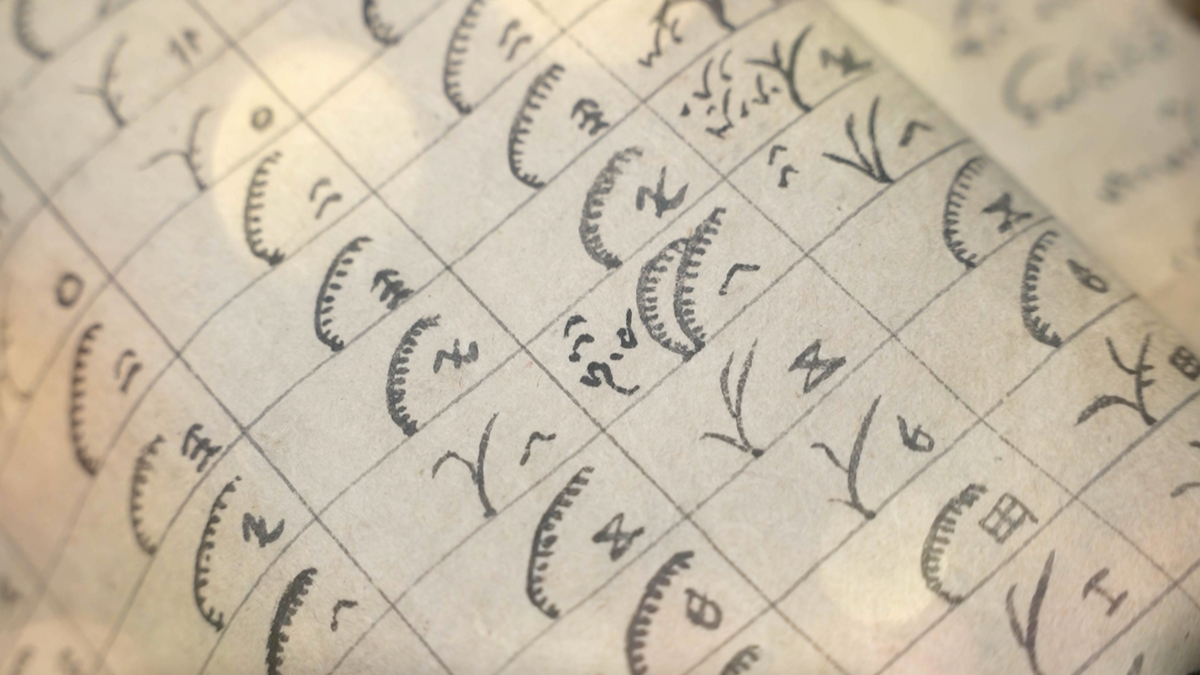
In the province, there are currently 35 ethnic groups living together, closely connected for a long time, building a culture imbued with national identity, both diverse and unified, of which 8 ethnic minorities have a population of 500 people or more including: Tay, Nung, Mong, Dao, Kinh, San Chi, Lo Lo, Hoa. Each ethnic group has its own unique customs, practices and cultural identity, clearly expressed through costumes, cuisine , social relations, customs, language, writing... contributing to creating a diverse, rich and colorful cultural picture of the province.
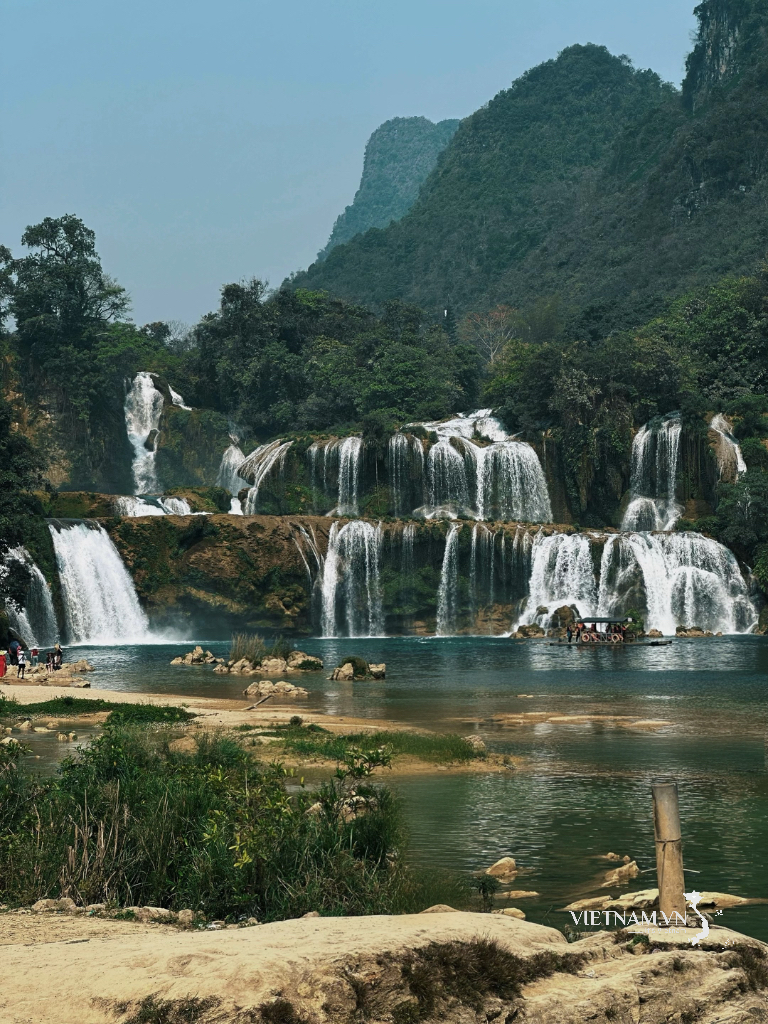
The province's intangible cultural heritage is rich, diverse and contributes significantly to the preservation of national identity. With 396 heritages, existing and practiced at 2,002 locations, including: 46 oral traditions and expressions; 51 folk performing arts; 96 social customs and beliefs; 83 traditional festivals; 50 folk knowledge; and 70 traditional crafts. Highlights include 3 special national relics that attract a large number of tourists to visit and study: Pac Bo Special National Relic Site, Tran Hung Dao Forest Special National Relic Site, and 1950 Border Victory Site Special National Relic Site. In particular, Non Nuoc Cao Bang UNESCO Global Geopark, which is over 3,000 km² wide, is a rare "outdoor geological museum", where traces of 500 million years of the Earth's formation are preserved.

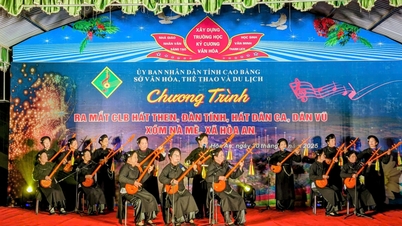
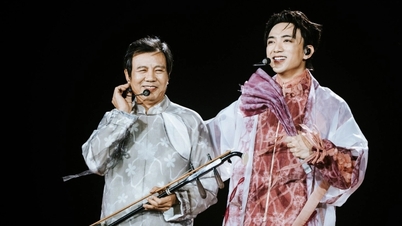
Then singing and Tinh lute are unique folk art forms, deeply associated with the spiritual and cultural life of the Tay and Nung people.
As a locality with many traditional festivals, up to now, traditional festivals in the province are still maintained and organized periodically, mainly in early spring. Some major festivals such as: Tranh Dau Phao, Thanh Minh, Co Sau, Hoang Luc Temple, Long Vuong Temple... Besides, in the localities, there are also maintained and organized seasonal festivals such as Long Tong, Nang Hai, temple festivals... along with a rich treasure of folk songs and dances: Pa Thang singing, Then singing, Tinh lute, Sli - Luon singing, and the Dao people's cap sac ceremony. These values not only affirm the cultural depth of the ethnic communities but also create a special attraction for tourism in Cao Bang, a land with wild, majestic beauty and rich identity.
Director of the Provincial Museum Ngo Thi Cam Chau said: The cultural heritage treasure of Cao Bang province is extremely rich and diverse, including a system of historical relics, scenic spots, folk cultural values, customs and unique traditional occupations of ethnic communities in the province. This is an important resource that not only contributes to preserving local cultural identity but also creates a driving force for socio-economic development. In addition to conservation work, the activities of displaying, educating, researching and exploiting heritage associated with tourism development at museums and the Management Boards of relics, scenic spots, and Geoparks have opened up many opportunities to promote the image of Cao Bang to domestic and foreign tourists. By introducing heritage in a lively and attractive way, it contributes to raising public awareness, attracting visitors, while creating more jobs, increasing income for people, and positively contributing to the sustainable development of the locality.
Awakening the potential of heritage
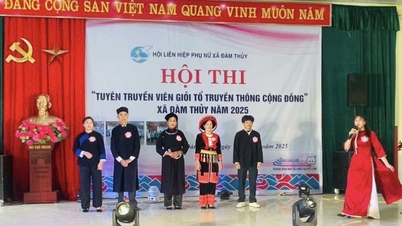
In recent years, the province has synchronously implemented programs to preserve and promote heritage values associated with tourism development. Many festivals have been restored with proper rituals; Then, Sli, and Luon artisans have been supported in teaching; brocade weaving and musical instrument making villages have been restored and developed. The work of teaching and promoting intangible cultural heritage values has been implemented in many forms such as: Organizing training classes, teaching traditional crafts; teaching folk songs, dances, and traditional music; typical traditional rituals of ethnic minorities, such as: classes to teach Lo Lo ethnic language; teaching traditional weaving; weaving, indigo dyeing, and embroidery; teaching folk songs of ethnic groups and Then singing, Tinh lute, etc.
In addition, the work of preserving and promoting intangible cultural values is focused on through the implementation of scientific research topics on cultural values, literature, folk art, folk music, folk dance of the nation, such as: Topic "Research and restoration of the wedding of the Red Dao ethnic group in Cao Bang province", "Restoring, preserving and promoting the value of the intangible cultural heritage of the Thuon Puon ceremony of the San Chi people in Cao Bang", "Research and propose solutions to preserve and promote the value of folk songs of the Tay, Nung, Mong, Dao ethnic groups in Cao Bang province", "Wedding rituals of the Lo Lo people in Cao Bang province". Restoring the traditional folk festival Long Tong of Cao Chuong commune, Bo Puong festival of Le Loi commune...
Up to now, Cao Bang has 9 intangible cultural heritages included in the National Intangible Cultural Heritage List. In addition, the preservation of cultural heritage of ethnic minorities in the province is organized with many other activities and forms such as: Maintaining the organization of the annual Then singing and Tinh lute Festival to preserve and promote the cultural heritage of Then singing and Tinh lute of the Tay - Nung community in the province; maintaining the organization of the Mong ethnic cultural festival in localities such as Hoa An, Bao Lam, Bao Lac, Tra Linh with many rich contents to preserve and promote the values of Mong ethnic cultural heritage.
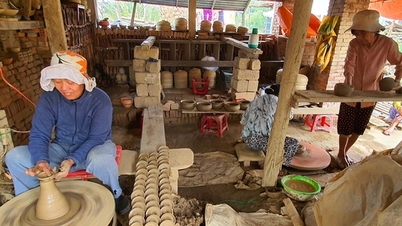
Traditional crafts are quite rich with 70 heritages, some traditional crafts of the Nung An people are maintained and developed such as: blacksmithing, incense making, paper making... However, some crafts are at risk of being lost due to not being able to compete in mass production, beautiful designs, low prices such as brocade weaving, silver carving...

The blacksmithing profession at Phuc Sen is still passed down through generations.
Mr. Luong Van Do, an elder in Phuc Sen blacksmith village, Quang Uyen commune, said: Blacksmithing is very hard and laborious, each product requires a lot of effort and meticulousness, and the income is not high. But thinking about the family tradition, we still try to maintain and preserve the profession passed down from our ancestors to our children. Doing the job is also preserving a part of the memories and traditional culture of our homeland.
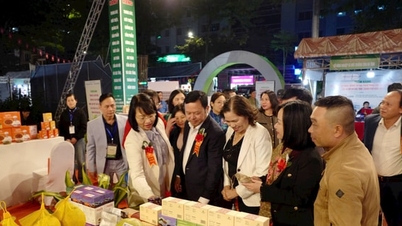
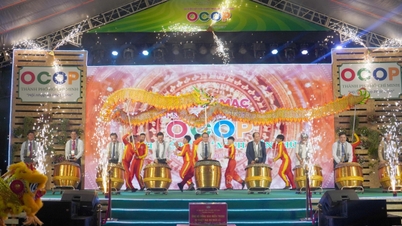
The community tourism villages of Khuoi Khon (Bao Lac), Phja Thap (Quang Uyen), Khuoi Ky (Dam Thuy) ... have now become favorite destinations for domestic and international tourists. Here, visitors can experience sleeping in stone houses, Tay stilt houses; watch Then dances and songs, play Tinh lutes; participate in making Khao cakes, Ap Chao cakes; or walk to explore the ecological routes in the Geopark area. Along with tourism, Cao Bang promotes the development of typical products associated with heritage such as Phja Den dong vermicelli, leaf-fermented wine, Tra Linh tangerines, Trung Khanh chestnuts, sour pho, Khao cakes... Many products meet OCOP standards, contributing to increasing the value of local agricultural products.
Preservation and development of traditional craft villages by diversifying products based on exploiting traditional cultural values, while implementing responsible tourism; developing community tourism villages to exploit traditional cultural heritage values for experiential activities, contributing to improving livelihoods and increasing income for people. Activities are closely linked to the exploitation of experiential tourism routes at Non Nuoc Cao Bang UNESCO Global Geopark.
Thanks to the effective exploitation of heritage, Cao Bang tourism has had impressive growth. Every year, the province welcomes millions of visitors, creating an important source of income for the local economy. Tourism revenue has increased on average over the years, leading to the development of a series of services, creating stable jobs for thousands of highland workers. Efforts to preserve and exploit heritage in a sustainable manner are gradually turning traditional values into competitive advantages, creating an important driving force for the local socio-economic development.
Butterfly
Source: https://baocaobang.vn/phat-huy-gia-tri-di-san-thuc-day-phat-trien-kinh-te-xa-hoi-3182750.html


![[Photo] Prime Minister Pham Minh Chinh receives President of Cuba's Latin American News Agency](/_next/image?url=https%3A%2F%2Fvphoto.vietnam.vn%2Fthumb%2F1200x675%2Fvietnam%2Fresource%2FIMAGE%2F2025%2F12%2F01%2F1764569497815_dsc-2890-jpg.webp&w=3840&q=75)
























































Comment (0)