

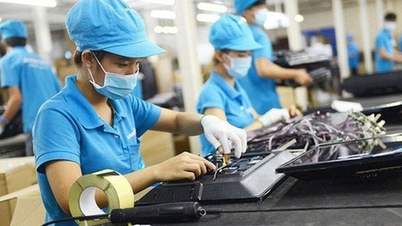
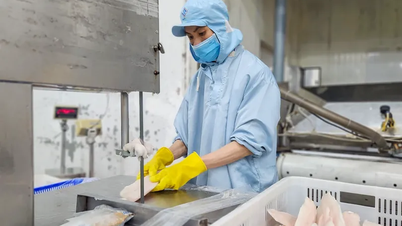
In 2025, economic sectors in the area attracted and provided employment for over 494,000 people; creating more than 177,000 new jobs. The rate of trained workers reached 86.7%; the unemployment rate decreased to 3.68%. These figures show that the labor market continues to develop stably. However, it is noteworthy that the structure of recruitment demand is changing very rapidly.
While businesses previously needed a large number of unskilled laborers for traditional manufacturing industries, the requirements have now changed. Businesses are now looking for artificial intelligence engineers, data specialists, automation system operators, high-tech technicians, digital logistics specialists, or workers capable of adapting to new technologies.
This shift is even more evident as Ho Chi Minh City's development space expands following the administrative boundary reorganization. The former Ho Chi Minh City area continues to play a central role in innovation; Binh Duong offers advantages in manufacturing; while Ba Ria - Vung Tau creates significant potential for seaports, logistics, and tourism .
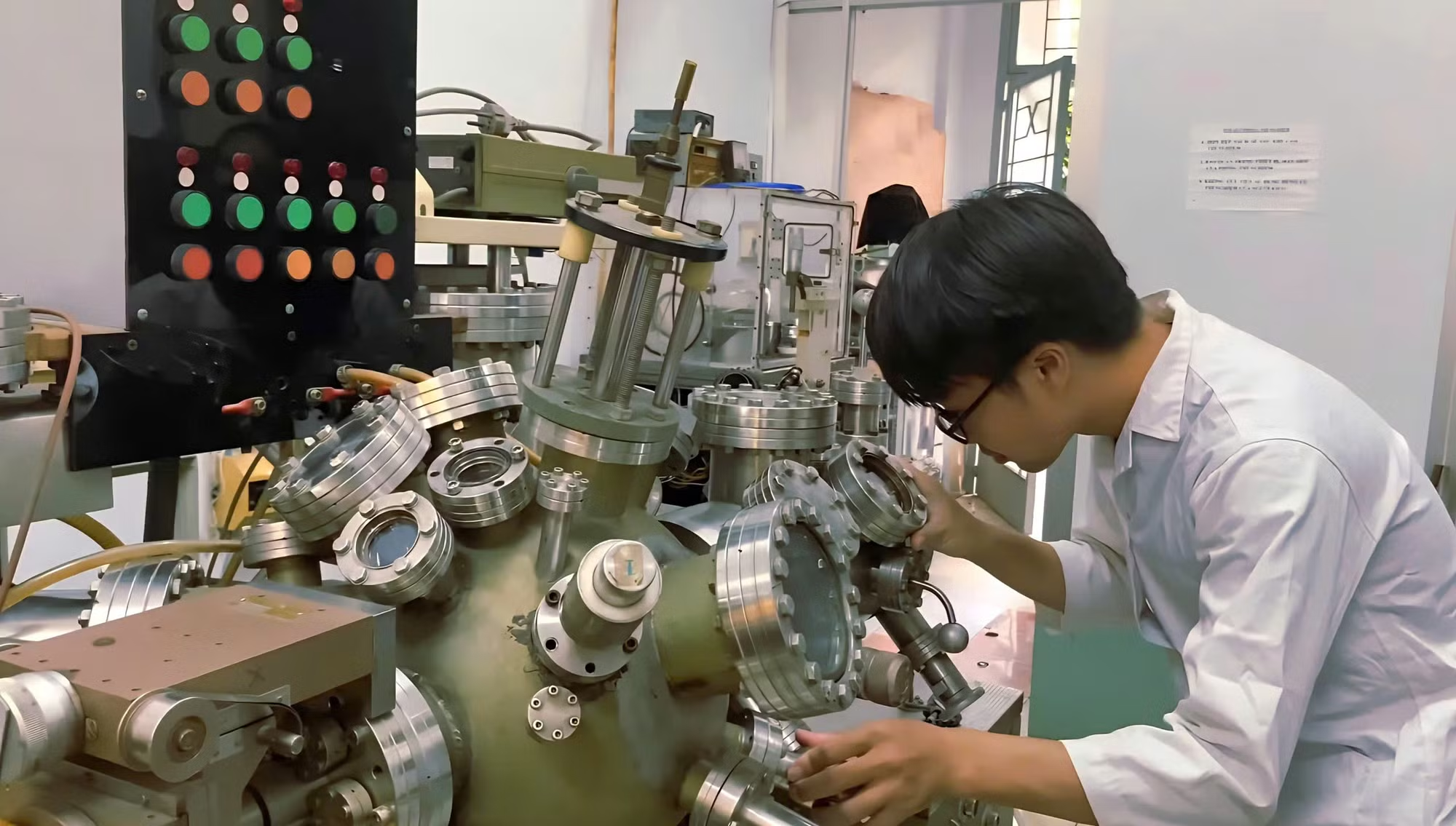
The synergy between regions has created a new economic structure, leading to new demands for human resources. As industry, logistics, high technology, digital transformation, and the green economy flourish, the market is seeing the emergence of a range of previously uncommon professions.
This means that many traditional fields of study may face greater competitive pressure, while some new fields will experience labor shortages in the coming years.
Experts believe that in the digital economy, the question of "what major to study" is gradually being replaced by "what skills to acquire." This is because technology changes so rapidly that a profession today can be vastly different in a few years. An engineer needs not only specialized knowledge but also the ability to adapt to technology. A logistics professional needs not only to understand supply chain operations but also to master data and digital management systems.
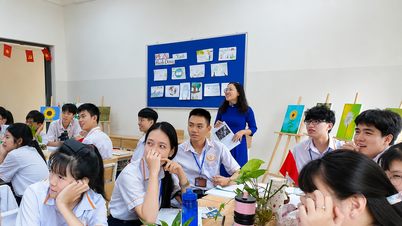
To address this challenge, the city is shifting strongly from a mass training model to market-driven training.
In 2025, the city approved a plan to develop Ho Chi Minh City into a center for training high-quality human resources for the whole country and the region. In addition, the city is also implementing a project to apply artificial intelligence and big data in training; building a personalized learning platform to help learners access skills relevant to their real-world needs.
The distinguishing feature of this model is that technology not only supports teaching and learning but also helps predict workforce trends, identify the skills the market needs, and adjust training programs in real time. In other words, schools are no longer detached from the labor market.
Another noteworthy point is that current training methods are shifting towards a more open approach. Instead of studying in school and then starting work, a model of collaboration between businesses and training institutions is being strongly promoted. Businesses are involved from the very beginning, from curriculum development and internship placement to skills assessment and training orders. This approach significantly reduces the gap between academic knowledge and job market demands.
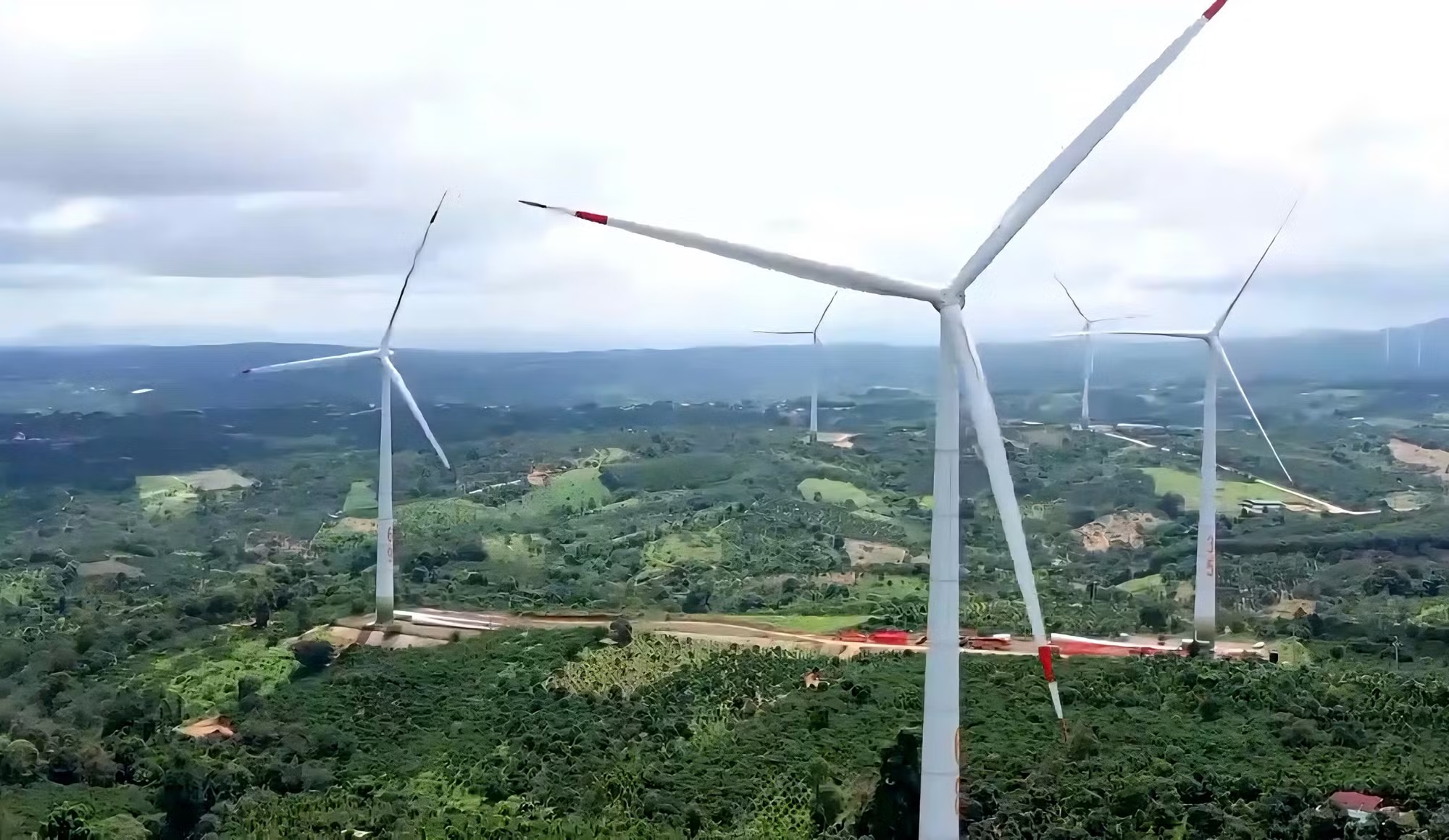
Many vocational schools in Ho Chi Minh City have now partnered with Japan, South Korea, Germany, the United States, and other countries, creating opportunities for students to participate in short-term training programs or international study transfers.
Ho Chi Minh City is also planning to develop 19 high-quality colleges along with 4 regional and national vocational training centers. Many new fields are being researched and included in training programs, such as semiconductors, microchips, high technology, green industry, artificial intelligence, digital transformation, precision mechanics, and high-speed rail industry. This is seen as preparation for the future economy and also represents fields of study that offer good job prospects.
In particular, the microchip industry is receiving special attention from the city. According to the plan for implementing the Microchip Industry Development Program in the High-Tech Park for the period 2025-2030, many intensive training courses will be organized in 2026.
Beyond training students, the program aims to enhance the capacity of faculty and researchers, and strengthen international connections. In addition, numerous workshops and science and technology experiential programs are organized for students to ignite a passion for research in the semiconductor field. This signals that Ho Chi Minh City is not only seeking to address the immediate workforce shortage but is also preparing for a high-tech value chain in the years to come.
From a higher education perspective, the city also aims to increase the percentage of students studying basic sciences, engineering, and technology to 35% or more during the 2026–2030 period.
According to the roadmap, by the end of 2026, this rate will reach at least 28%, then increase by about 2% each year to reach a minimum of 36% by 2030. This figure clearly reflects the direction of STEM human resource development in the coming years.
The remaining challenge is retaining talent. Over the years, the phenomenon of "brain drain" has become commonplace. Many highly qualified individuals choose the private sector or move abroad due to better development opportunities and more attractive compensation packages.
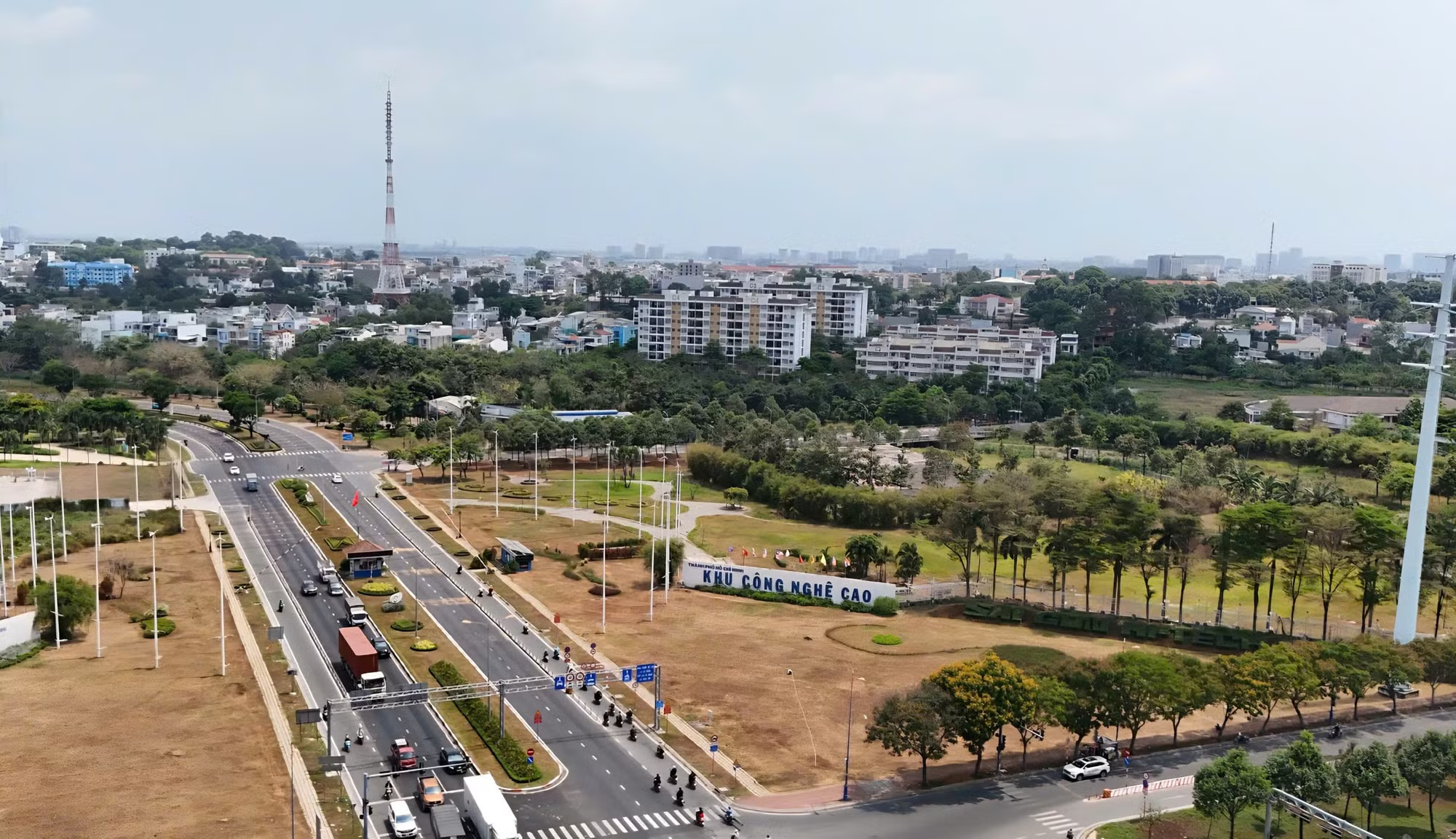
To address this situation, Ho Chi Minh City is implementing various policies to attract and utilize talent; building mechanisms for recruiting outstanding students, experts, scientists, and highly qualified personnel. However, experts believe that retaining talent cannot rely solely on salary and bonuses.
What talented people need is opportunities for development, a creative environment, and conditions to contribute. A scientist will find it difficult to stay if they lack the conditions for research. A technology expert will also find it difficult to remain if the innovation ecosystem is not attractive enough. Income is a necessary condition, but the working environment is the sufficient condition.
Furthermore, quality of life is becoming a crucial factor in the competition for talent. Housing, transportation, education, and living environment are increasingly directly influencing employees' decisions to stay with a company long-term.
During the period 2021-2025, Ho Chi Minh City completed nearly 17,900 social housing units; and simultaneously prepared approximately 732 hectares of land to develop around 230,000 units in the future. This is not only a social welfare policy but also a solution to retain the workforce.
Source: https://cand.vn/hoc-gi-de-de-xin-viec-lam-o-tp-ho-chi-minh-post811995.html


![[Photo] General Secretary and President To Lam presides over the meeting to approve the draft report on the results of the second inspection by the Politburo of the Standing Committee of the Hanoi City Party Committee.](https://vphoto.vietnam.vn/thumb/1200x675/vietnam/resource/IMAGE/2026/05/26/1779789811432_a2-bnd-4430-9620-jpg.webp)




















































































Comment (0)