

Currently heavily focused on financial independence.
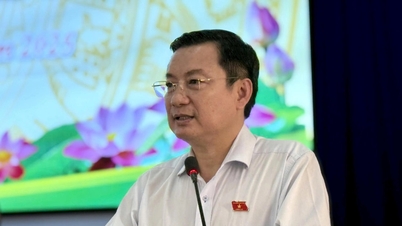
According to National Assembly Deputy Dao Ngoc Dung, in recent times, the Politburo and General Secretary To Lam have made very strong decisions in the field of education. These include policies on tuition fee exemptions and reductions, moving towards universal secondary education, waiving lunch fees, and especially the policy of investing in 248 schools in border and disadvantaged communes. These are practical and humane policies in education that the people have long awaited.
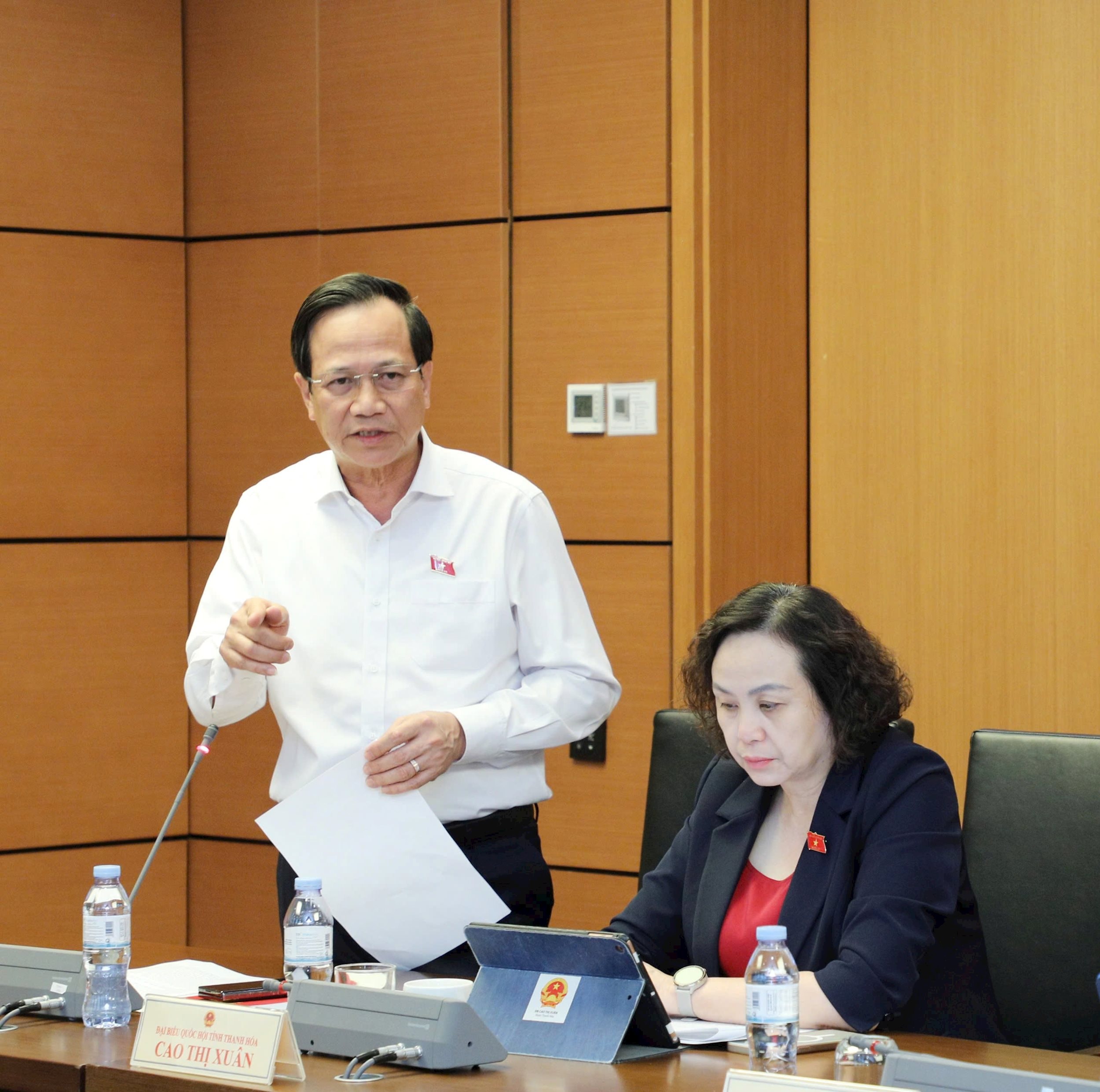
Representative Dao Ngoc Dung noted that the three draft laws on education and training submitted to the National Assembly for amendment this time have fundamentally updated the ideas and content in Resolution 71 and the Central Committee's guidelines. These draft laws not only codify but also concretize the viewpoints, ideas, and groundbreaking solutions for the period up to 2035, with the larger goal of "training, fostering, and developing high-quality human resources with a high degree of integration."
Delegates highly appreciated the three draft laws and expected that the amendments would create a breakthrough in education and training in line with the spirit of Resolution No. 71.
Commenting on the draft Law on Higher Education (amended), delegate Dao Ngoc Dung remarked: "We are updating our thinking on autonomy, but autonomy here is being equated with the autonomy of individual schools, while autonomy differs between the three levels of education. Autonomy in secondary schools is different, autonomy in vocational training is different, and autonomy in universities is different."
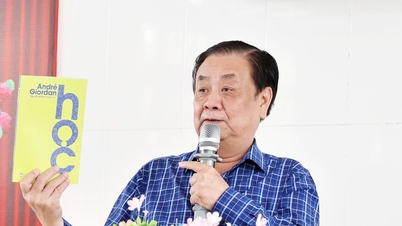
According to the Minister, for universities, autonomy is the most important breakthrough. Any university that wants to develop rapidly must improve quality and have complete autonomy in academic matters, degree assessment, curriculum development, student recruitment, and tuition fee collection.
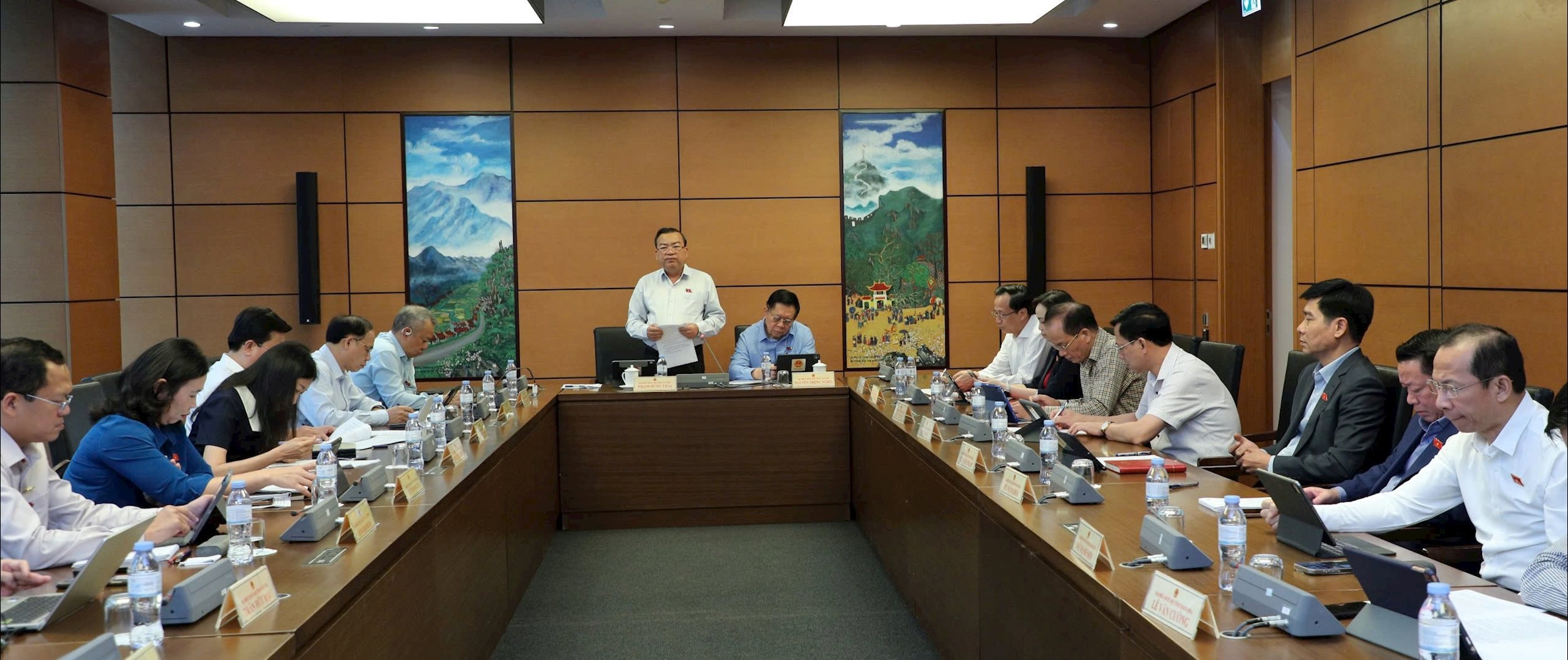
The Minister cited examples from other countries where universities focus on research and the application of science and technology, while domestic universities are weak in this area. Globally, there are three groups of universities: high-level universities with new initiatives and innovations; applied universities; and practical universities. In Vietnam, there is a strong emphasis on knowledge rather than practical experience.
Accordingly, the Minister suggested that the law should specify the concept of autonomy, as currently autonomy is being equated with financial autonomy, with organizational structure and personnel autonomy. Therefore, the section on autonomy in the draft law needs to be written more thoroughly and allow universities autonomy in three areas: finance, personnel decisions, and boldly delegating state management of education at all levels to local authorities.
Regarding the school council, the Minister supports the draft law to abolish the school council in public higher education institutions to ensure unified management, overcome inadequacies in the relationship between public school councils and the school board in the past; and at the same time, strengthen the leadership role of the Party in public higher education institutions.
National Assembly Deputy Dao Ngoc Dung stated that in public schools, the organizational structure involves Party leadership, government management, and participation from mass organizations, leading to overlapping responsibilities when the school council makes decisions. Therefore, he suggested abolishing school councils entirely in public universities and colleges. However, private schools should retain school councils because they receive funding from organizations and individuals, making effective management impossible without them.
Allow vocational colleges to offer training in multiple disciplines, fields, and levels.
Commenting on the amended Law on Vocational Education, National Assembly Deputy Dao Ngoc Dung pointed out that currently there are three levels of vocational education: college, intermediate, and basic. The draft law has removed the basic level. In practice, while 70% of Vietnam's workforce has received training, only 29% actually possess certificates or degrees ranging from basic to university level. Therefore, what will happen if the basic level is removed, considering that the majority of workers in industrial zones have only received basic training?
"If we eliminate basic training, we are inadvertently eliminating the role of businesses, while the Labor Code stipulates that businesses are obligated to train and develop their employees," Representative Dao Ngoc Dung emphasized.
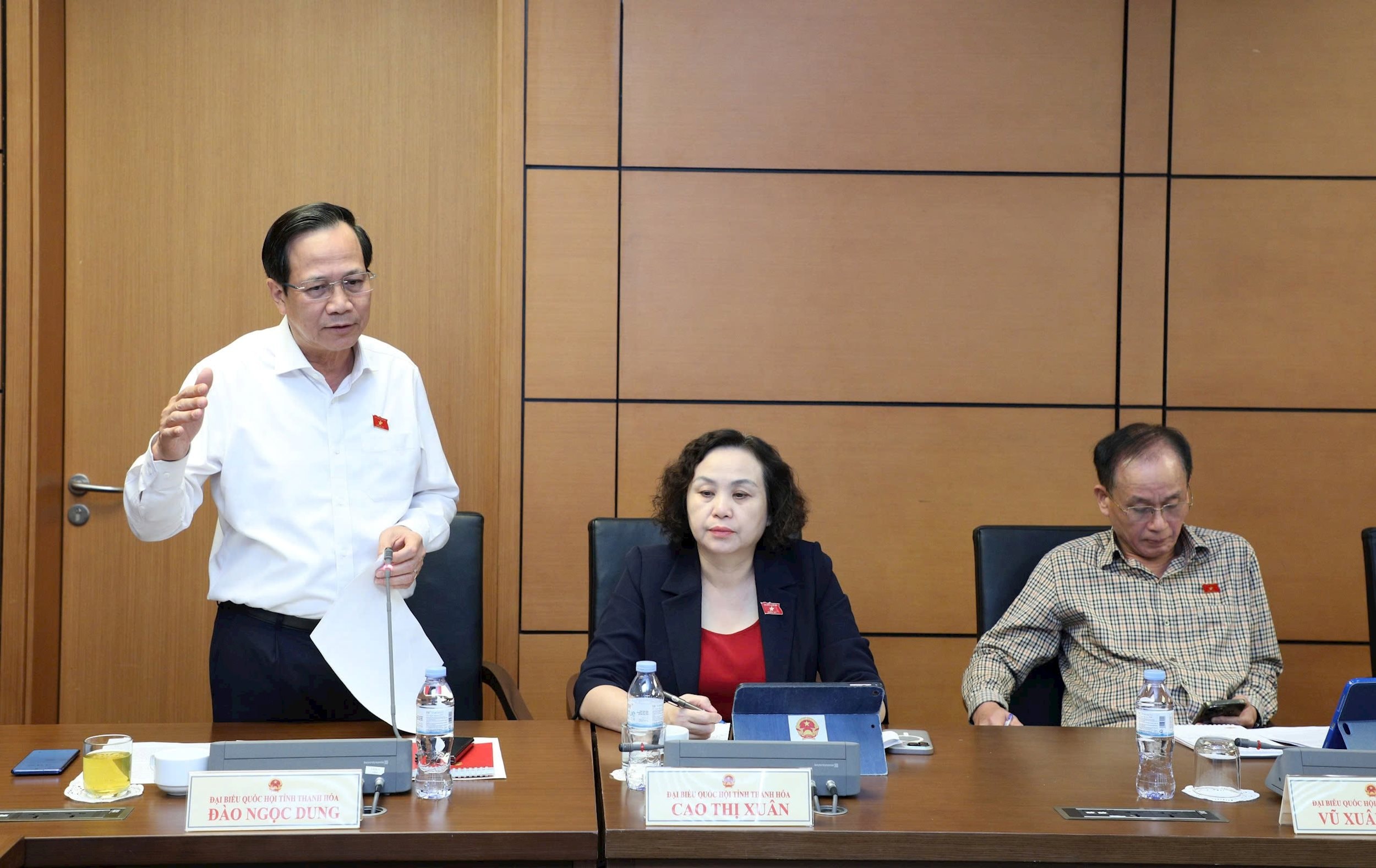
Currently, there are some sectors that cannot offer multi-disciplinary, multi-field, and multi-level training, such as the cultural and artistic fields. Pointing out this reality, the Minister suggested that the draft law should stipulate that vocational colleges should offer multi-disciplinary, multi-field, and multi-level training, meaning they should provide training at the college, intermediate, and basic levels, and even through articulation programs. Representatives shared this practical perspective.
The draft law outlines a "vocational high school" model, allowing students who have completed lower secondary education to study both general education and vocational skills concurrently. According to the Minister, over 600 vocational schools currently operating in Vietnam perform two functions simultaneously: vocational training and general education. The provision that "vocational high schools" are equivalent to upper secondary schools is inappropriate because the nature of vocational schools is to train technical skills, not academics.
Regarding the current state of vocational education and training, National Assembly Deputy Dao Ngoc Dung stated that the majority of learners are children from disadvantaged families and those who do not need or are unable to pursue higher education. Their goal is to secure immediate employment and graduate early to support themselves and their families. On average, about 500,000 students do not pursue higher education each year, making vocational training a crucial option.
"The State must play a leading role in providing vocational training for children. Every enterprise must be a vocational school, and within those vocational schools, there must be enterprises," Minister Dao Ngoc Dung emphasized.
The Minister cited the dual training model, drawing on experience in Germany, where businesses connect with schools and schools connect with businesses. Students must sign contracts with businesses from the outset, and during their studies, they practice at the businesses with a salary to ensure they have solid skills upon graduation.
Regarding the draft law amending and supplementing a number of articles of the Law on Education, National Assembly Deputy Dao Ngoc Dung stated that all secondary schools and vocational schools should move towards abandoning their current management bodies in order to achieve autonomy and should instead be placed under the state management of local authorities and the Ministry of Education and Training.
Regarding specialized training, the draft law stipulates that specialized schools are established, dissolved, and managed by the Chairman of the Provincial People's Committee. This is a correct regulation, but for schools under the three ministries: the Ministry of Public Security, the Ministry of Ethnic Minorities and Religion, and the Ministry of National Defense, the decisions should be made by the Ministers of these ministries to better suit practical realities.
Source: https://daibieunhandan.vn/ky-vong-tao-dot-pha-trong-linh-vuc-giao-duc-va-dao-tao-theo-dung-tinh-than-nghi-quyet-so-71-cua-bo-chinh-tri-10392466.html


































































Comment (0)