

Weight gain is a common symptom during perimenopause and menopause. Losing weight also becomes more difficult with age, according to Women's Health.
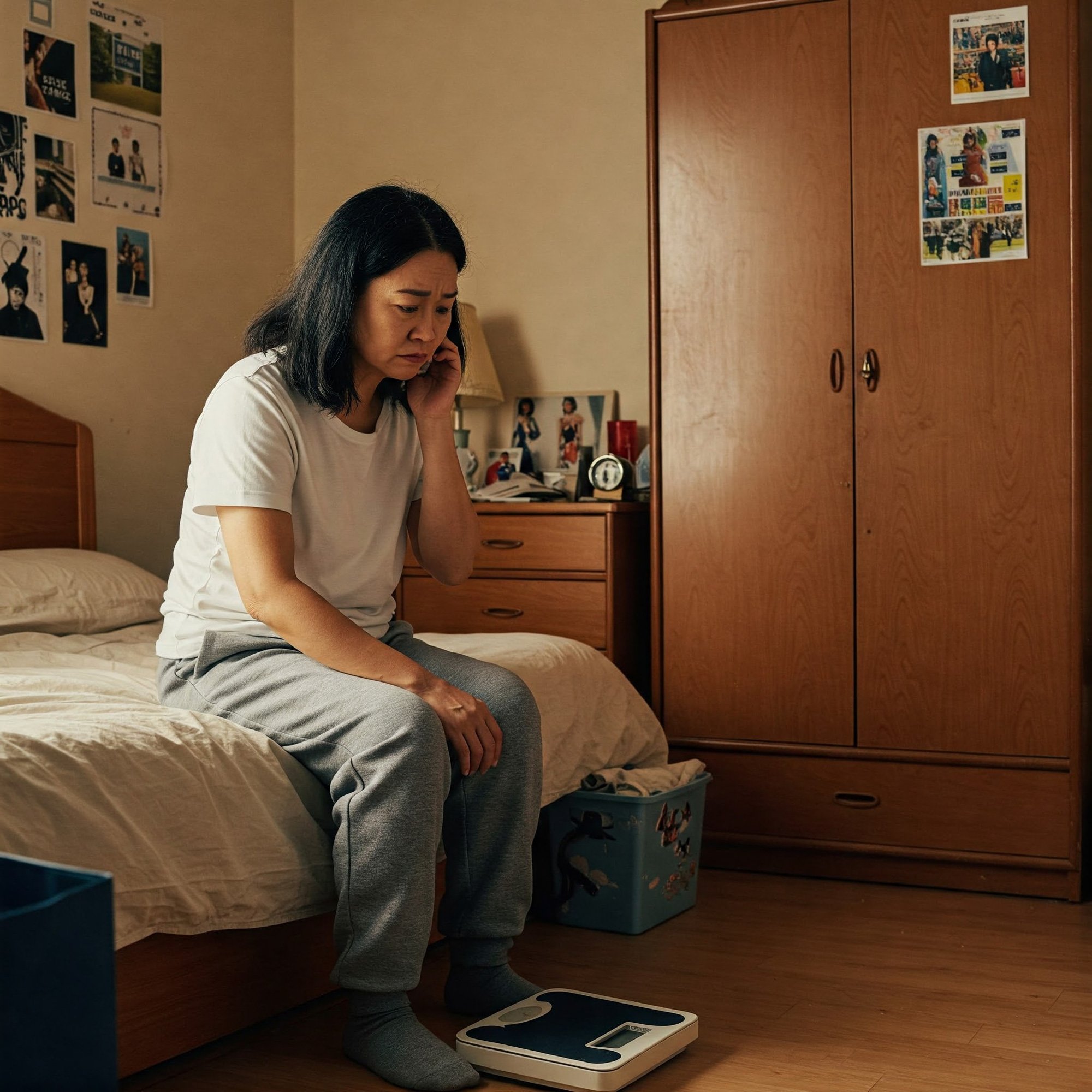
Weight gain can be a source of anxiety for women during perimenopause and menopause - Illustration by AI
However, according to Dr. Mir Ali, medical director of MemorialCare Weight Loss Surgery Center in California, weight gain during perimenopause and menopause is entirely manageable.
Weight gain is common during the pre-menopausal period .
If you make small adjustments to your diet, exercise habits, and lifestyle before entering perimenopause, you can absolutely manage your weight effectively, according to Dr. Jessica Shepherd, an obstetrician and gynecologist in Texas.
Dr. Ali agrees: "If you enter perimenopause and menopause with a healthy weight and maintain healthy habits, you will avoid excessive weight gain."
Several factors make weight management difficult during this period, including hormonal changes, as estrogen levels decrease and the stress hormone cortisol increases, making it easier for the body to store fat; decreased testosterone affects fat metabolism, making it easier for the body to store fat, especially in the abdominal area.
Additionally, during this time, women tend to lose muscle mass and bone density as they age, slowing down their metabolism. Other factors such as stress, sleep disorders, and decreased activity levels also contribute to weight management difficulties.
What are some ways to prevent weight gain during menopause?
Increase your protein intake to help maintain muscle mass, boost metabolism, and reduce the risk of muscle loss with age.
According to research, athletes need 1.2-1.5 grams of protein per kilogram of body weight per day, equivalent to about 30-35 grams of protein per meal. Good sources of protein include poultry, eggs, beans, and nuts.
Don't forget to include plenty of fiber, which helps maintain a healthy gut microbiome, control blood sugar, and support digestion.
Good sources of fiber include non-starchy vegetables such as broccoli, cauliflower, cucumber, carrots, beans, and whole grains.
Additionally, the U.S. Centers for Disease Control and Prevention (CDC) recommends at least 150 minutes of moderate-intensity exercise per week, combined with at least two strength training sessions per week. Exercise not only helps control weight, but also maintains muscle and bone mass.
Limit added sugars because they have no nutritional value and can cause the body to store excess fat. The American Heart Association (AHA) recommends that women consume no more than 25 grams of added sugar per day to maintain a healthy weight.
Finally, get enough sleep. Sleep plays a crucial role in weight management, provides the body with enough energy for activity, and reduces stress. However, hormonal changes during menopause can disrupt sleep.
To improve your sleep, maintain a regular exercise routine, eat a healthy diet, and limit alcohol consumption. If you experience serious problems, you should consult a sleep specialist.
Source: https://tuoitre.vn/lam-the-nao-de-tranh-tang-can-khi-man-kinh-20250214121919184.htm
![[Image] Central Party Office summarizes work in 2025](/_next/image?url=https%3A%2F%2Fvphoto.vietnam.vn%2Fthumb%2F1200x675%2Fvietnam%2Fresource%2FIMAGE%2F2025%2F12%2F18%2F1766065572073_vptw-hoi-nghi-tong-ket-89-1204-jpg.webp&w=3840&q=75)





















































































Comment (0)