

In Ngoi Dong 1 residential area, Au Lau ward, during the last days of the year, hundreds of sheets of vermicelli are spread out to dry in every open space. The distinctive, subtle aroma of cassava starch and galangal blends with the winter breeze.
From early morning, taking advantage of the rising sun, Mrs. Nguyen Thi Oanh's vermicelli processing facility becomes bustling with activity. Some stir the dough, others operate the machines, and still others set up the drying racks… each person has a specific task, working together seamlessly to create a smooth production line.
Ms. Oanh shared: “We use pure cassava starch without mixing it with other flours, and we don't use any chemicals in the production process. The noodles are finely shredded and sun-dried for only one day on bamboo racks placed 1-1.2 meters above the ground, in locations at least 100 meters away from roads to prevent dust contamination. Importantly, the lard used to wipe the racks must be homemade.”
In Ngoi Dong 1 residential area, there are 26 vermicelli production facilities, and 2 vermicelli products have received OCOP 3-star certification. Instead of manual production, many households have boldly invested in large-scale production facilities, applying flour grinding machines and hydraulic presses to press and roll vermicelli into sheets.
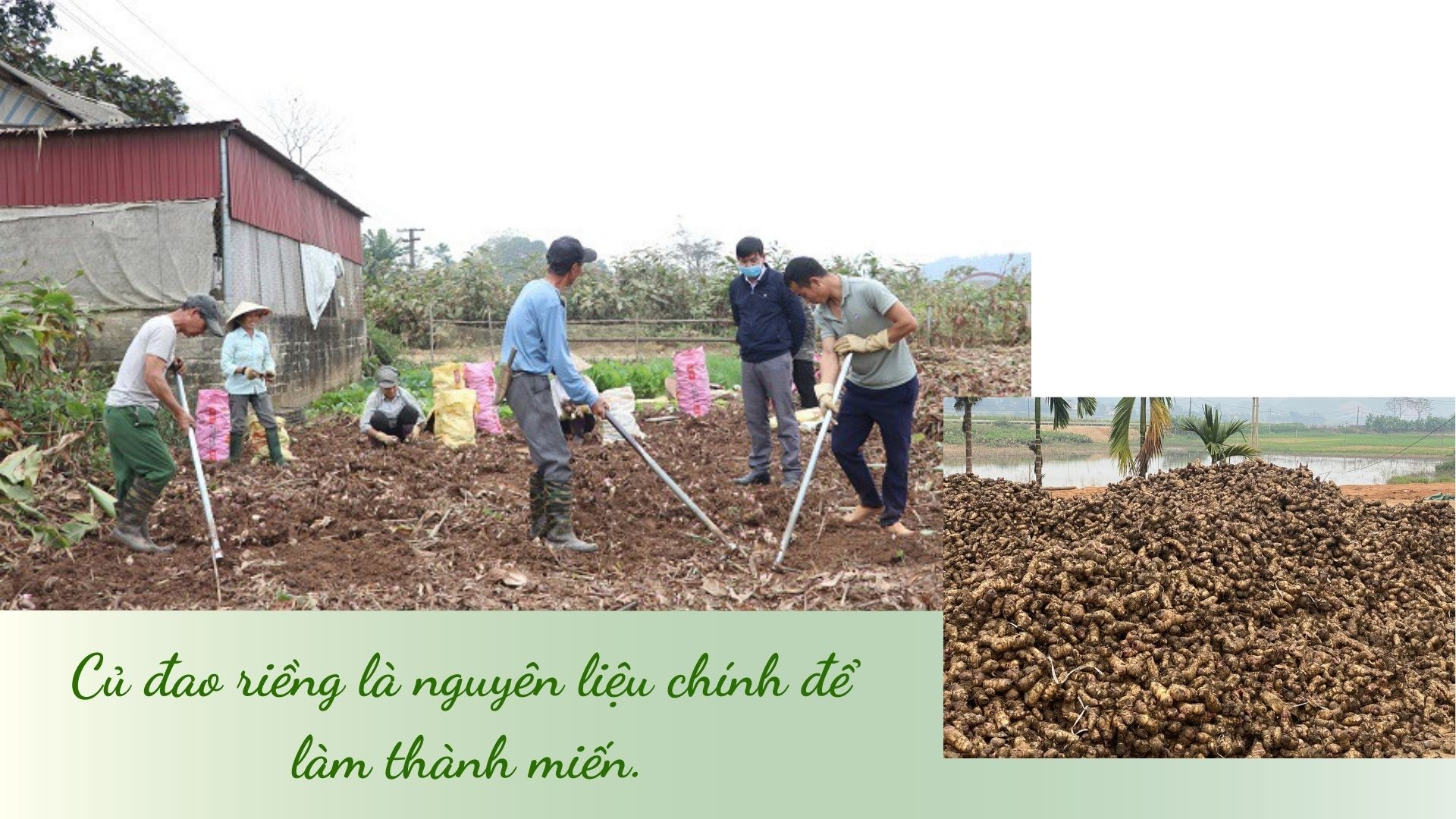
As a result, not only is labor reduced, but it also creates higher production capacity and better quality, supplying over 100 tons of finished vermicelli to the nationwide market each year, including supermarket chains.
The cooperative currently has two vermicelli products that have received OCOP 3-star certification. Each year, we sell over 10 tons of finished vermicelli products to the market. Our products have clear origins and are trusted by consumers, so they are not only sold domestically but also expanded to the Thai market through the Go supermarket system.
Similarly, the atmosphere in Quy Mong vermicelli village is equally bustling with activity. The villagers are eagerly awaiting sunny days to speed up production and meet the increased demand during the year-end season.
Mr. Do Danh Toan, Director of the Green Startup Cooperative, shared: “Weather is a decisive factor. Just one sudden rain shower can ruin an entire batch of vermicelli, resulting in losses of tens of millions of dong. Therefore, we have to monitor the weather constantly. This year, due to the newly invested factory, we started production late. We only began production at the beginning of November, so currently we have only processed 200 tons of cassava starch, producing over 2 tons of dried vermicelli, which we have sold to markets in Ninh Binh, Hung Yen, Hanoi … The rest is still in powder form, waiting; we will continue to press it into finished vermicelli when the weather is sunny.”
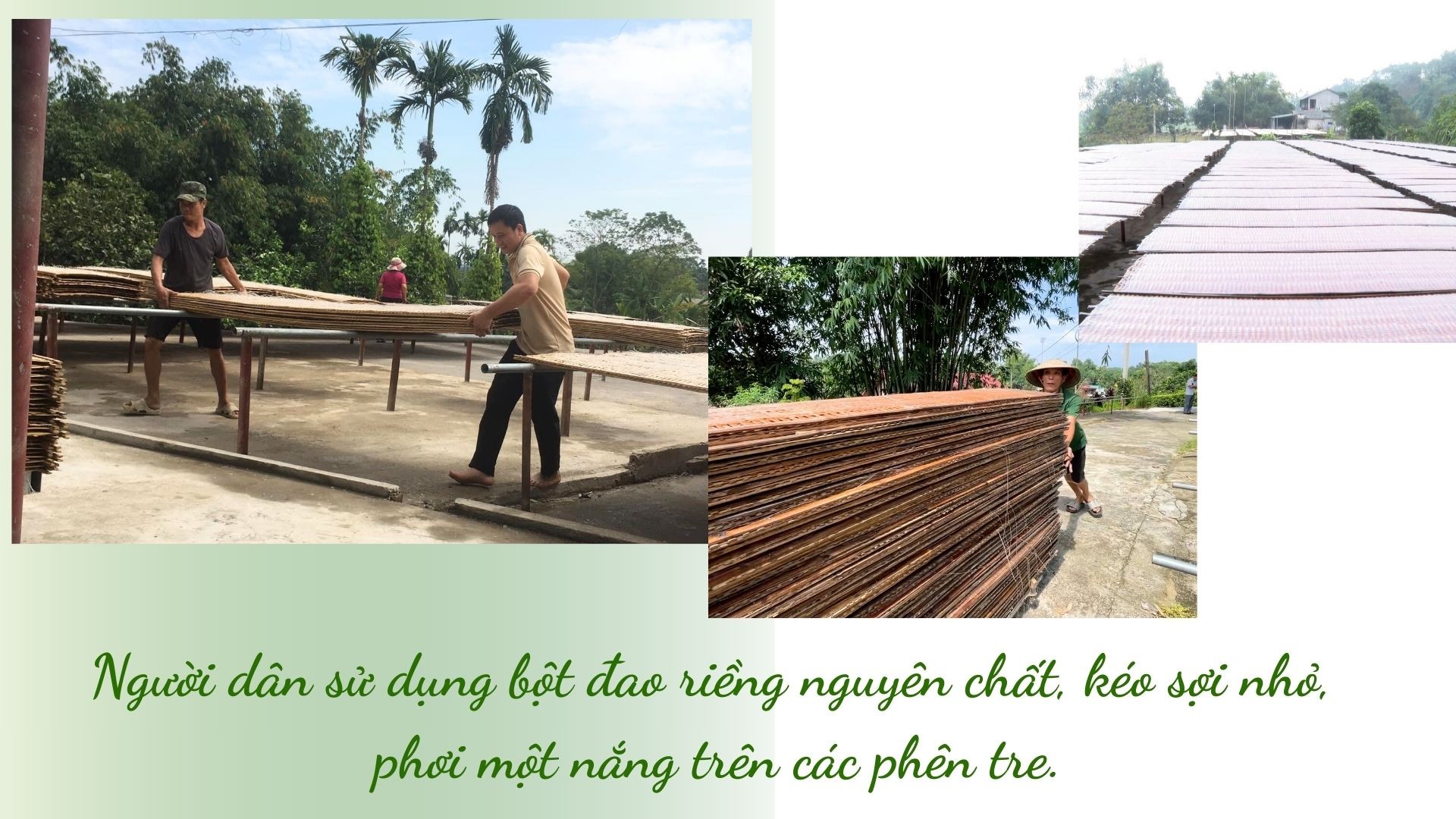
The vermicelli production facility of the Green Startup Cooperative is the largest in the region, with an annual consumption of approximately 800 tons of galangal root, supplying about 30 tons of dried vermicelli to the market.
Reportedly, thanks to government support, the Green Startup Cooperative has built a 1,500 m2 workshop with complete facilities for preliminary processing, processing, warehousing, and packaging, along with a system of machinery: washing machines, coating machines, fiber pressing machines, etc. Currently, the facility is awaiting the installation of a drying machine to eliminate dependence on weather conditions.
Along with the Green Startup Cooperative, Quy Mong commune also has 3 vermicelli production facilities and 3 cassava starch processing facilities to supply starch to vermicelli production facilities inside and outside the province.
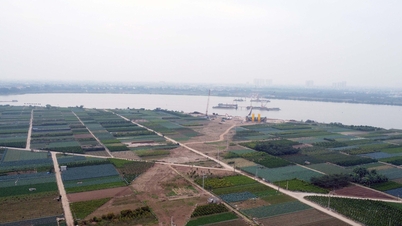
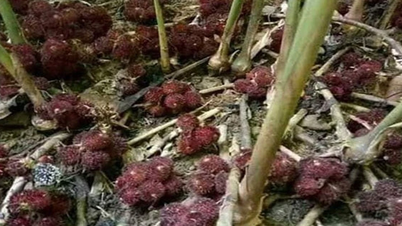
Quy Mong commune has also established a concentrated ginger growing area of 72 hectares in villages along the Red River. With an average yield of about 60-70 tons/ha and a selling price of 1,300 VND/kg of fresh tubers, ginger growers in Quy Mong can earn 84 million VND/ha.
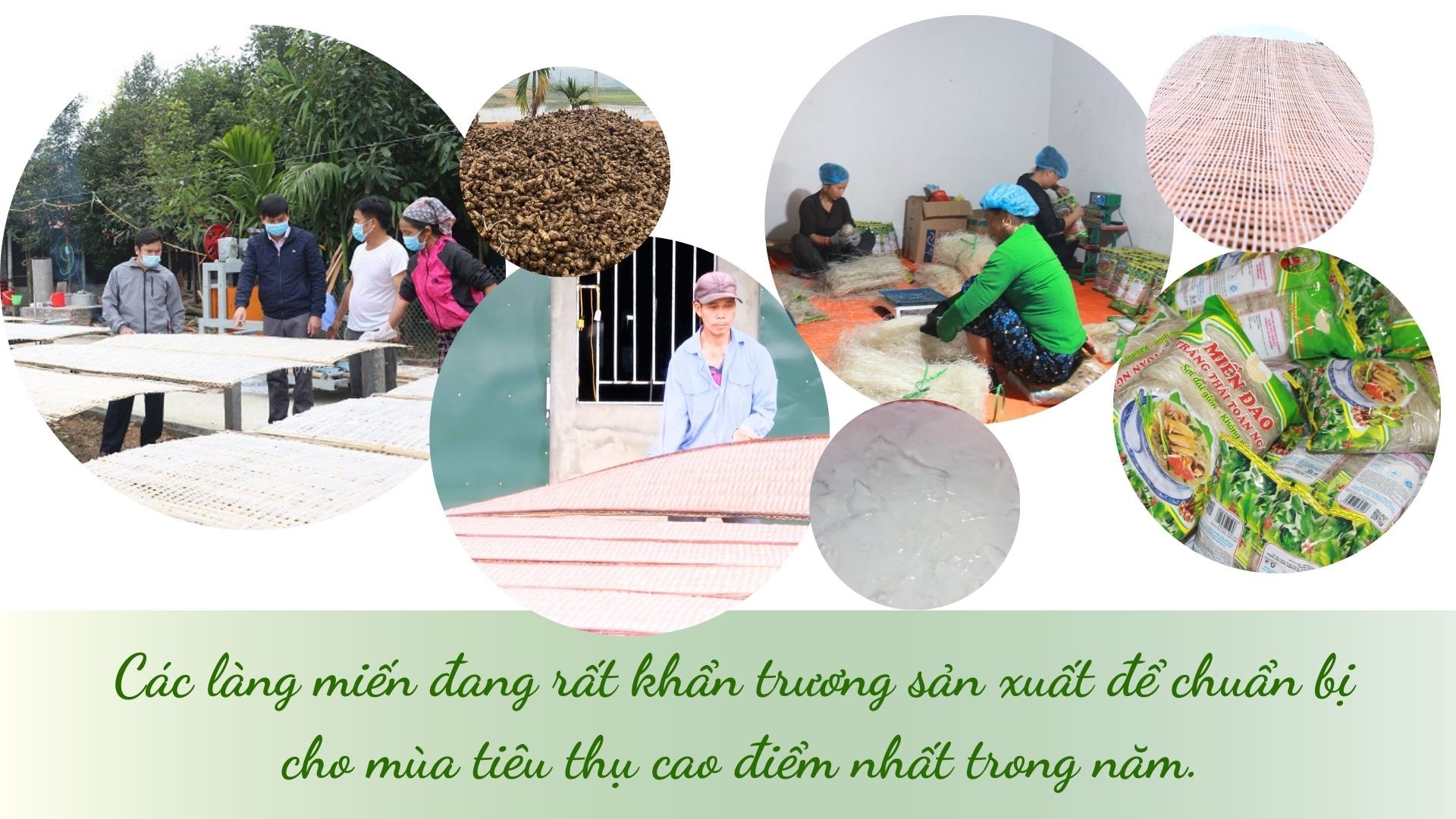
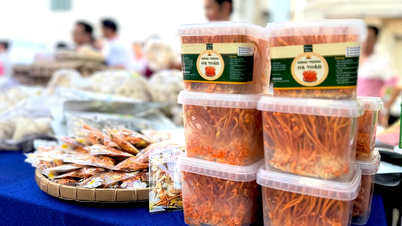
Whether it's Ngoi Dong vermicelli or Quy Mong vermicelli, both are produced using a clean process, without preservatives or additives, resulting in a translucent white color, and naturally chewy and crispy strands. They don't become mushy or sticky even when overcooked, which is why they are popular with customers and sales are steadily increasing.
This dish is also indispensable in the Vietnamese Tet (Lunar New Year) feast. Therefore, these two vermicelli-making villages on the banks of the Red River not only produce agricultural products but also preserve and pass on traditional flavors to all corners of the world.
A new day begins, and along the Red River embankment, the lights blaze in the vermicelli factories. The heat from the coating and pressing machines blends with the morning mist, creating a hazy smoke that mirrors the gradually spreading atmosphere of Tet, warm and bustling, promising a prosperous Tet holiday.
Source: https://baolaocai.vn/lang-mien-ngay-cuoi-nam-post889536.html




































































Comment (0)