

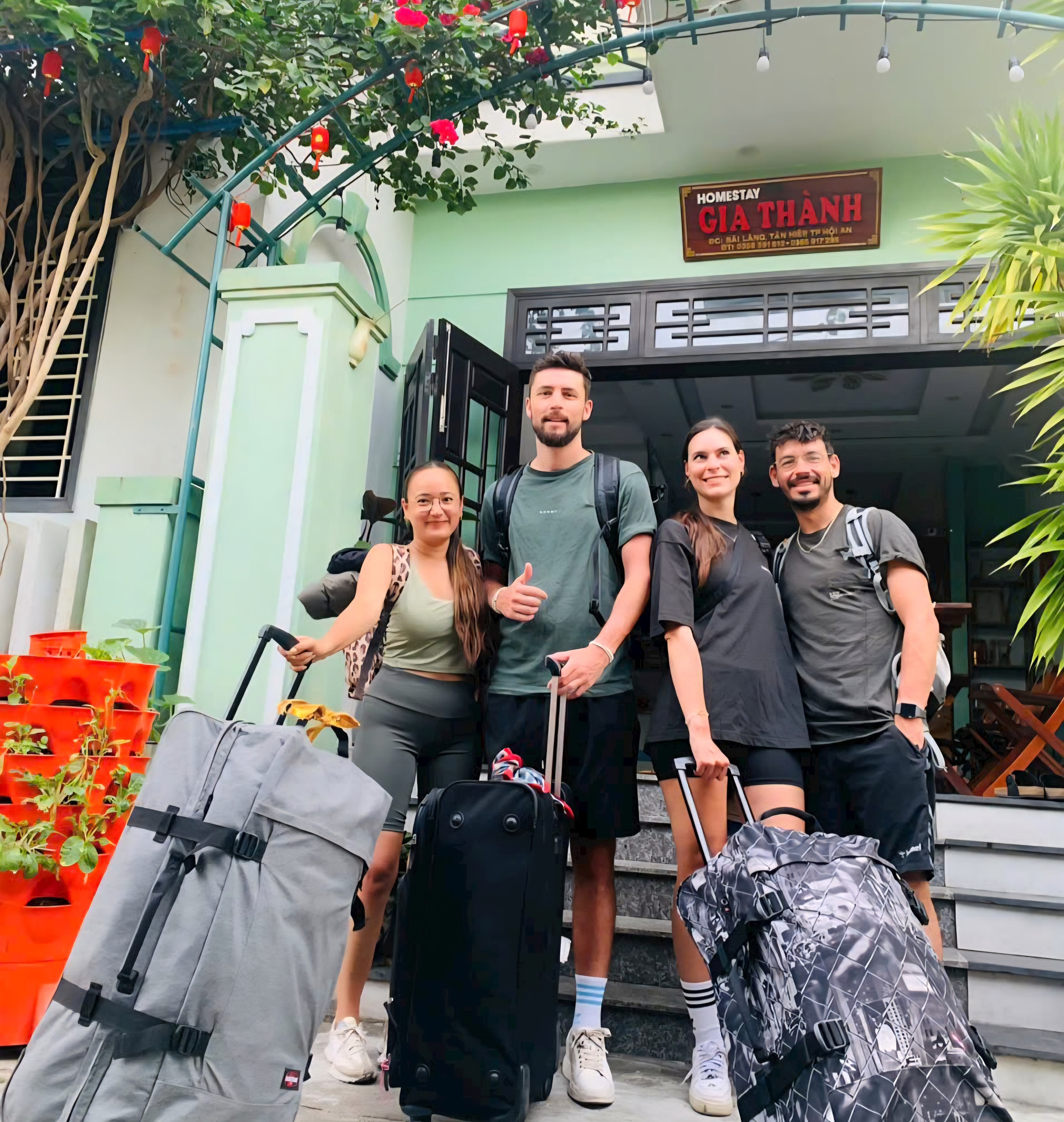
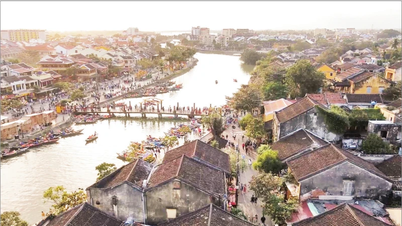
In the ancient town of Hoi An, the first homestays emerged in the late 1990s, aligning with the local government's initiative to promote community-based tourism. This type of "accommodation with locals" has created a strong appeal, significantly contributing to Hoi An's rapid rise as a favorite destination for international tourists after its recognition as a UNESCO World Heritage Site in 1999.
Hoi An's homestays have gained international recognition, having been awarded the ASEAN Homestay Award at the 2017 ASEAN Tourism Forum for the Thanh Nam homestay cluster. The An Bang coastal fishing village community also received the ASEAN Tourism Award for the 2016-2018 period in the category of "Group of households with houses offering rooms for tourists to rent". This can be considered the golden age of homestay accommodation in Hoi An, with over 300 establishments expanding by 2018.
Unfortunately, due to various reasons, homestays in Hoi An are gradually "going off track" and losing their appeal to tourists. According to a representative of the Villas & Homestay Association ( Da Nang Tourism Association), homestays in Hoi An are losing their appeal because the number of accommodation establishments has increased too rapidly, with many newer homestays simply offering cheap overnight stays. Furthermore, some guests prefer accommodations with swimming pools, making homestays increasingly less competitive...
Many tourists are impressed by the simple lifestyle and hospitality of the people of Quang Nam when they leave Da Nang. This is a crucial factor for homestays to thrive and attract tourists who choose to "stay with the locals." Not limited to just the wards of Hoi An, Hoi An Dong, and Hoi An Tay, Da Nang city is poised to develop a unique network of homestays stretching from the islands to the highlands.
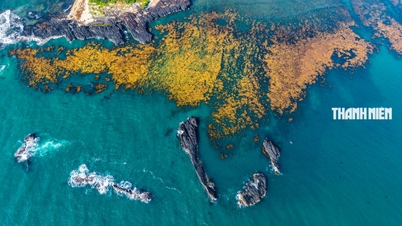
Cham Island is perhaps the best place to promote homestay tourism in Da Nang today. Nearly 50 homestays on Cham Island, all housed with local residents, offer a rustic, authentic seaside charm that captivates visitors as they share meals and stay with the villagers.
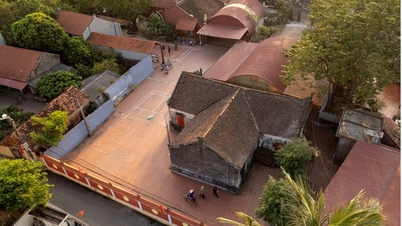
In most community-based tourism destinations in Da Nang, basic, standardized homestays have been established to meet the needs of tourists. Notable examples include Hoa Bac (Hai Van ward), Cam Phu (Go Noi commune), Dai Binh (Trung Phuoc commune), Bho Hoong (Song Kon commune), Tak Po (Tra Tap commune)... all associated with distinctive eco-cultural tourism products.
While the revenue from homestays may not be substantial compared to other types of accommodation, the important thing is that the benefits are shared harmoniously with the community. Homestays are also environmentally friendly, minimizing the potential for disruption to the natural ecosystem of the destination and, more broadly, the village structure.

Mr. Cao Tri Dung, Chairman of the Da Nang Tourism Association, believes that eco-tourism and community-based tourism, linked to the culture and people of Quang Nam province, is a distinctive feature of Da Nang and could become a pillar of tourism; this type of tourism should be promoted by investing in the formation of a "kingdom" of homestays.
"We've been working on this for a long time, but we haven't really done it properly... Da Nang has the potential to become an ideal destination for homestays," Mr. Dung said.
In the current trend, with some responsible tourist markets seeking to experience the authentic local values of a destination, homestays still have room for development. The key is for homestays in Quang Nam to restore and preserve their unique "staying with the locals" identity and integrate them into the destination's experiential product chain. Then, with a network of homestays stretching from the mountains to the cities and even to the islands, the aspiration of a "kingdom" of homestays is not impossible.
Source: https://baodanang.vn/mo-ve-vuong-quoc-homestay-3324526.html




























































































Comment (0)