

Walking gently through the Phù Ủng temple complex, amidst the fragrant incense smoke and the scent of spring, one's heart feels light, as if traveling back in time to the roots of history. Phù Ủng is famous in the 13th century for the story of Phạm Ngũ Lão, a young man who wove baskets by the roadside and became a victorious general of the Trần dynasty. Born in 1255 and died in 1320, Phạm Ngũ Lão played a major role in two great victories against the Mongol-Yuan army. Despite his humble origins, Phạm Ngũ Lão made significant contributions to the defense of the country in the 13th century. He possessed exceptional talent in both literature and martial arts, and his virtue surpassed all others; wherever his army went, no one dared to oppose him. All spoils of war were added to the army's treasury, treating wealth as nothing, making him a renowned general of his time.
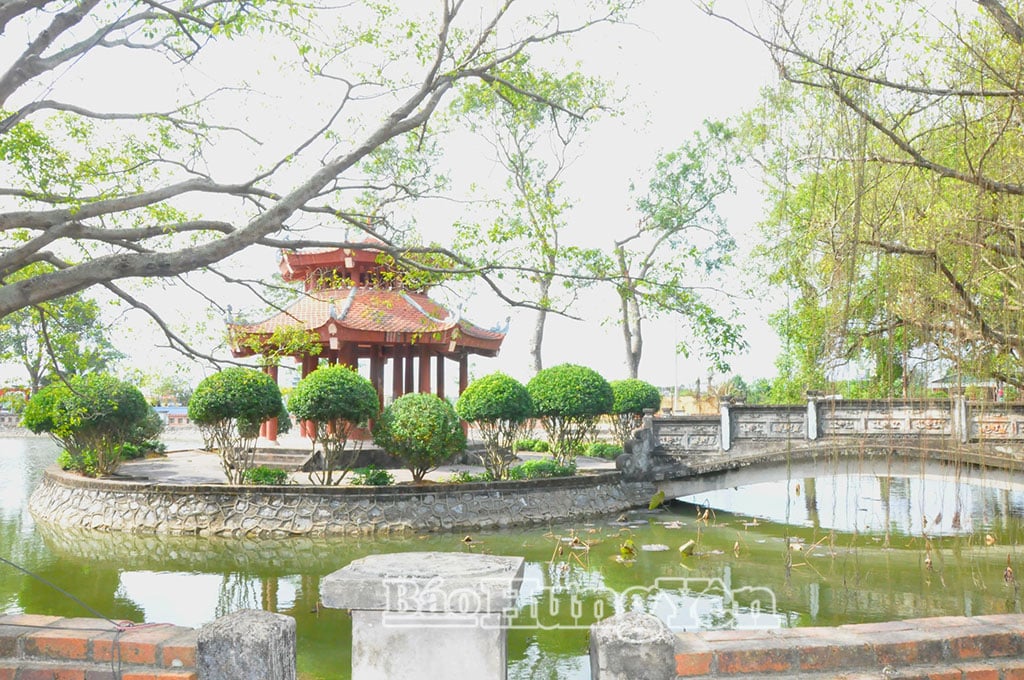
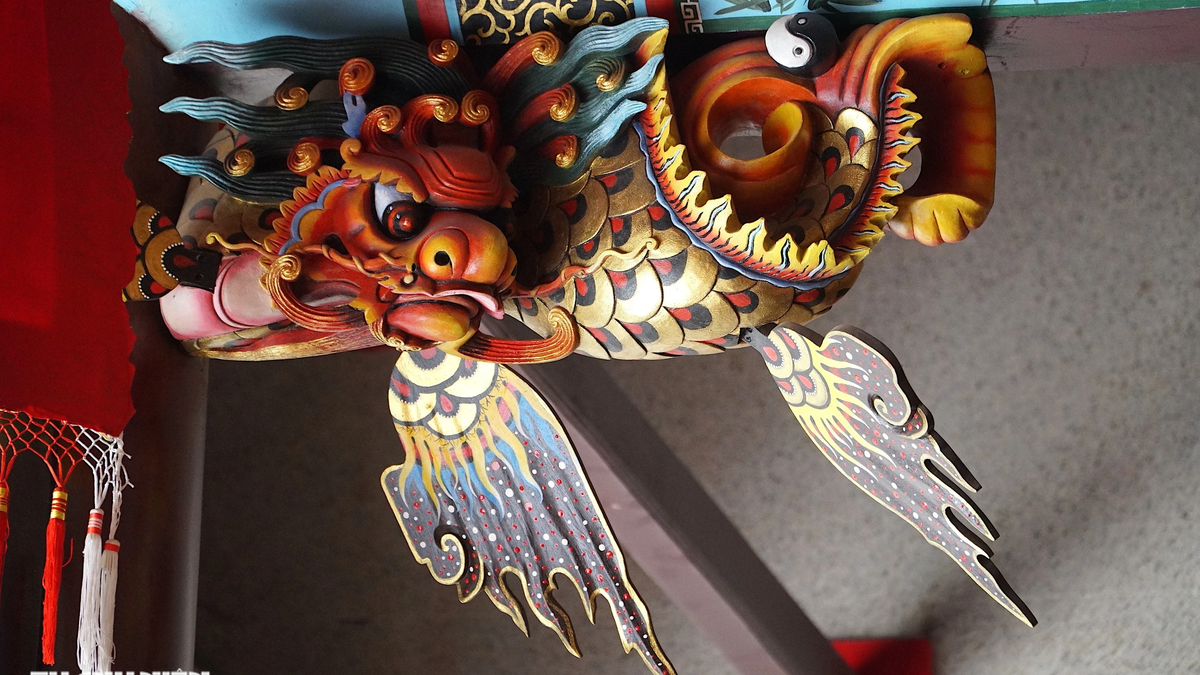
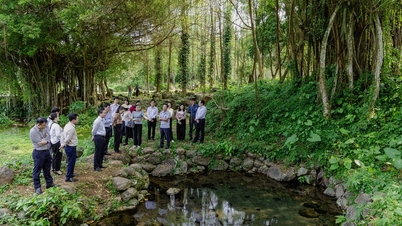
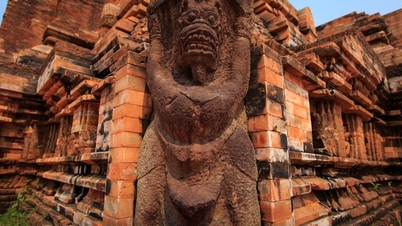
Legend has it that the 11th day of the first lunar month is the day General Pham Ngu Lao led his army to fight the enemy. Due to his great contributions to the country, after his death, a temple was erected on the site of his family's former house, and every year the local people hold a festival to commemorate him. The Phu Ung Temple complex includes many structures, each with its own value, including: the Phu Ung Temple dedicated to General Pham Ngu Lao, the Mother Goddess Temple, the Tien Cong Shrine, the Literary Platform, the Cam An Temple, the temple dedicated to the concubines of the Tran Dynasty, the tomb of General Vu Cong Luong (the tomb of Vu Cong Luong), and the Confucian Temple. In 1988, the Phu Ung Temple was classified as a national historical and architectural monument.
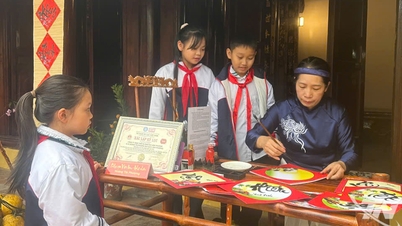
The Phù Ủng Temple complex preserves relics related to the Confucian tradition, recording the names of the village's scholars. The monument dedicated to Doctor Vũ Hồng Lượng, a typical example of stone sculpture from the Lê Trung Hưng period, still retains many intact stone carvings. Two stone steles record the life, career, and praise of General Vũ. The Tư Văn Pavilion symbolizes the scholarly tradition of Phù Ủng village. This tradition is inscribed on stone steles as a reminder for future generations to inherit the scholarly legacy of their ancestors. Four steles placed in the Tư Văn Pavilion record the names and achievements of those who passed the examinations in the village during the Lê and Nguyễn dynasties. These steles are valuable culturally and historically, serving as important sources for understanding the history of the examination system, the patriotic tradition, and the culture nurtured over generations of Phù Ủng people.
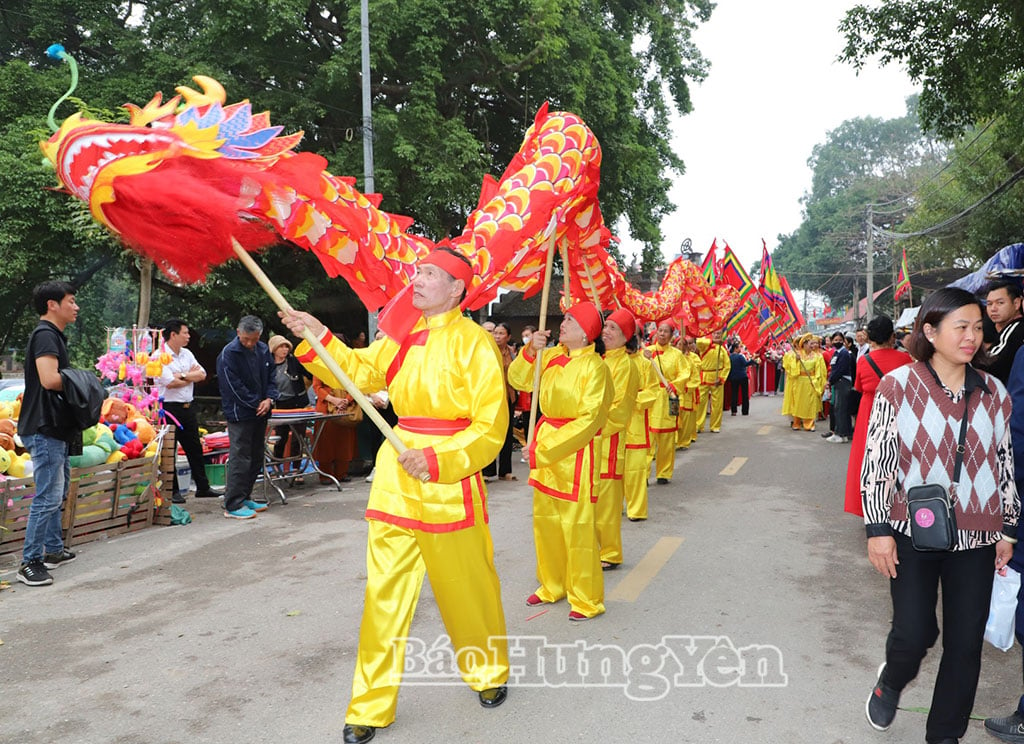
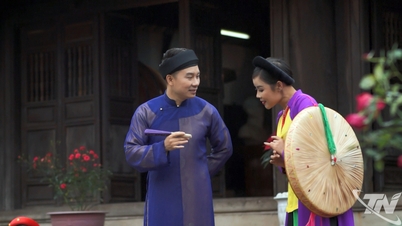
In the warm spring weather, Pham Ngu Lao commune is preparing to hold a commemoration ceremony for the day General Pham Ngu Lao led his army to fight the enemy and defend the country, and to hold the traditional Phu Ung Temple festival. This is on the 11th day of the first lunar month. This is also an opportunity to educate future generations about the will to strive, patriotism, and the preservation of traditional cultural values of the nation, especially to encourage young people in Pham Ngu Lao commune to prepare for military service. The Phu Ung Temple festival begins on the 25th day of the twelfth lunar month with the ritual of bathing the sacred statue and religious artifacts. On New Year's Eve, there is a ceremony to bless the Saint. On the morning of the first day of the Lunar New Year, the spring opening ceremony is held, and the sacred image of Pham Ngu Lao is carried from the village to the temple. The main festival takes place from the 11th to the 14th day of the first lunar month, with ceremonies such as the grand ceremony, internal and external offerings. The festival is celebrated vibrantly with the procession of Princess Tinh Hue (daughter of Pham Ngu Lao) from the Lord's palace to the tomb of Pham Tien Cong to present her to her grandfather and then to the Pham Ngu Lao Temple to present her to her father. A unique feature of the Phu Ung Temple festival is that during the procession, people crowd under the palanquin, hoping their wishes will come true.
During the festival days, traditional folk games, traditionally believed to originate from the story of General Pham Ngu Lao's youth, which he played to improve his health, are organized, such as wrestling competitions, performances of traditional art forms, and healthy sports and cultural activities, creating a joyful atmosphere for the festival.
The Phù Ủng Temple complex, steeped in history, is a place where people can reconnect with their national roots, gain a deeper understanding of and take pride in the ancient culture that has bequeathed to future generations a vast legacy of patriotism, respect for learning, and profound moral values that will endure forever.
Source: https://baohungyen.vn/ngay-xuan-tham-den-phu-ung-3191650.html
![[Photo] General Secretary and President To Lam presides over a meeting on preparations for the review of one year of operation of the three-tiered government system.](https://vphoto.vietnam.vn/thumb/1200x675/vietnam/resource/IMAGE/2026/06/02/1780391821195_a1-bnd-4595-9717-jpg.webp)















![[Image] Affirming the aspirations and new standards of the Vietnamese real estate market in the new era.](https://vphoto.vietnam.vn/thumb/1200x675/vietnam/resource/IMAGE/2026/06/03/1780441948766_giai-thuong-bat-dong-san-2026-minh-duy-6-7364-jpg.webp)
































Comment (0)