

Circular 29, which came into effect on February 14th, is causing a stir and concern among parents, students, and even teachers in the classroom.
In just a few days, starting February 14th, Circular 29 of the Ministry of Education and Training will officially come into effect, with the key content being the "tightening" of extracurricular tutoring activities for teachers and students. Ahead of the new regulation, many tutoring classes across the country have had to temporarily suspend operations, as the important entrance exams for secondary and high school are fast approaching.
On social media forums, many parents have expressed their concern and anxiety about the new regulations regarding tutoring and extra classes. " My child has been diligently studying and improving their knowledge since the beginning of last year with the hope of getting into a prestigious specialized school in the province. However, the teacher's decision to stop the extra classes has made my child extremely worried, fearing it will affect their upcoming exam results ," one parent shared.
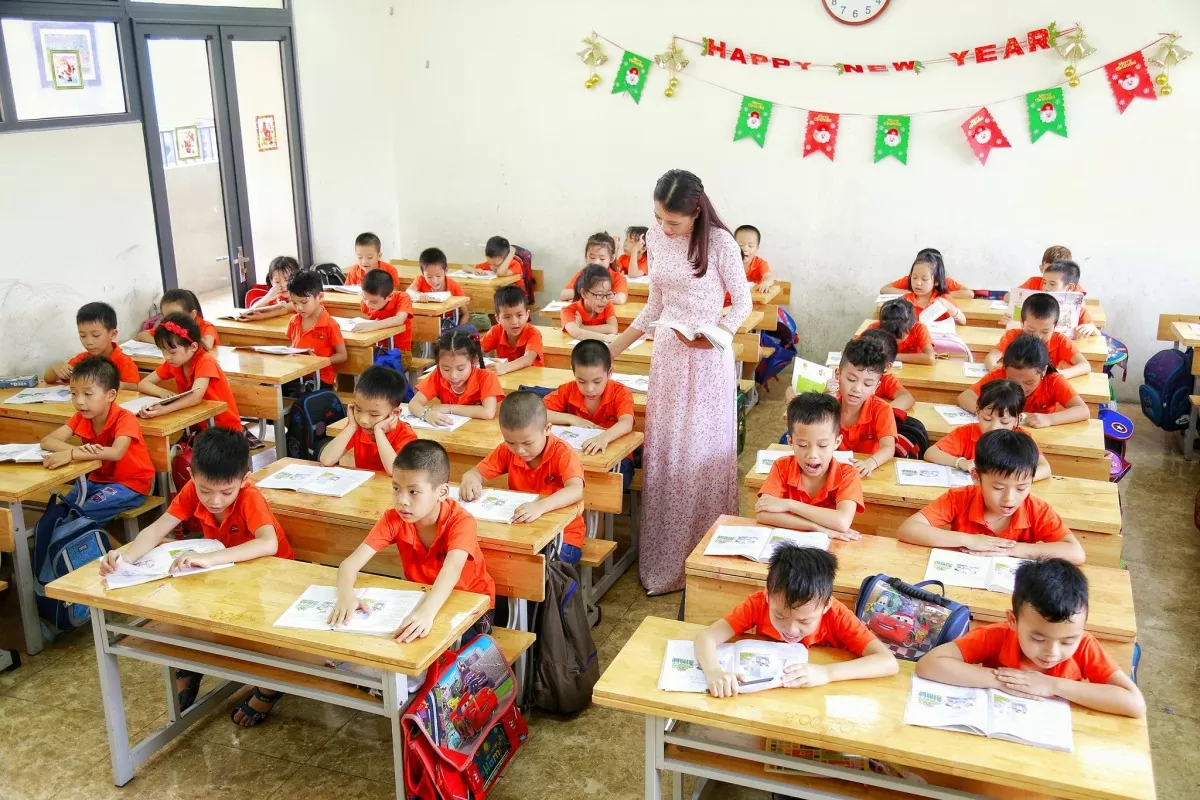 |
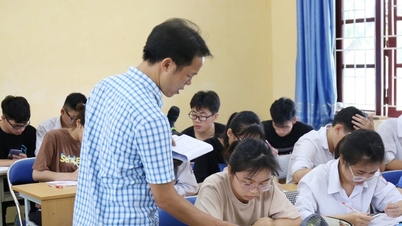
| Concerns ahead of Circular 29: Teachers at a disadvantage, parents confused (Illustrative image) |
My personal observation is that this parent's anxiety and unease reflect the common feelings of many families whose children are preparing for crucial entrance exams. Many people share my view that, undeniably, the need for extra tutoring is entirely legitimate for a segment of students, especially those with average or weak academic performance.
Everyone's academic abilities are different, as are their thinking and cognitive skills. For example, based on my school experience, for social science subjects like math, physics, and chemistry, after the teacher finishes lecturing and demonstrates one or two exercises, if they give a new problem, I think only a few in the class can solve it immediately. After solving the first problem and moving on to the second, the number of people who can solve it right away decreases even further.
It's important to understand that a lesson only lasts 45 minutes, and teachers shouldn't rush through the lesson. Therefore, the need for extra tutoring comes from students who haven't understood the lesson, haven't grasped the material clearly, or haven't been able to complete the assignments; they need further guidance. Basically, in extra tutoring, teachers only provide additional instruction and explain the parts the students didn't understand in class, not teach new material or go beyond the lesson plan. Thus, extra tutoring is a positive and commendable activity; why should it be banned?!
That's from the students' perspective; from the teachers' perspective, is "tightening" regulations on tutoring fair treatment for them, treating them the same as those working in other professions?
A teacher must also be a university graduate, an engineer must have sufficient qualifications and professional certifications (pedagogical skills, teaching theory, computer skills, foreign languages, etc.), and so must a pharmacist, doctor, lawyer, architect, etc.
So why is it that a doctor is allowed to work overtime at the hospital where they work, or at another hospital, or even open their own private clinic... while teachers are not allowed to work overtime and use their labor freely and comfortably?!
Therefore, from many perspectives, extra tutoring is necessary and justified. If students need and want to learn, there will surely be places to meet their needs! If we strictly prohibit it at school, parents will hire tutors to teach their children at home if they are struggling academically (in fact, many people have already hired private tutors).
Source: https://congthuong.vn/noi-niem-truoc-them-thong-tu-29-372984.html


![[Photo] General Secretary and President To Lam meets with National Assembly delegates from ethnic minorities.](https://vphoto.vietnam.vn/thumb/1200x675/vietnam/resource/IMAGE/2026/04/20/1776696701056_a1-bnd-8331-3342-jpg.webp)
![[Image] National Assembly discusses the implementation of the socio-economic development plan.](https://vphoto.vietnam.vn/thumb/1200x675/vietnam/resource/IMAGE/2026/04/20/1776696707422_ndo_br_img-20260420-185419-jpg.webp)






























































Comment (0)