

During the group discussion on the draft Law on Real Estate Business (amended) on the afternoon of June 19th, the opinions of National Assembly deputies in Group 14 all agreed on the necessity of comprehensively amending the draft Law; at the same time, they suggested that further review and comparison with related draft Laws are needed to ensure the consistency of the legal system…
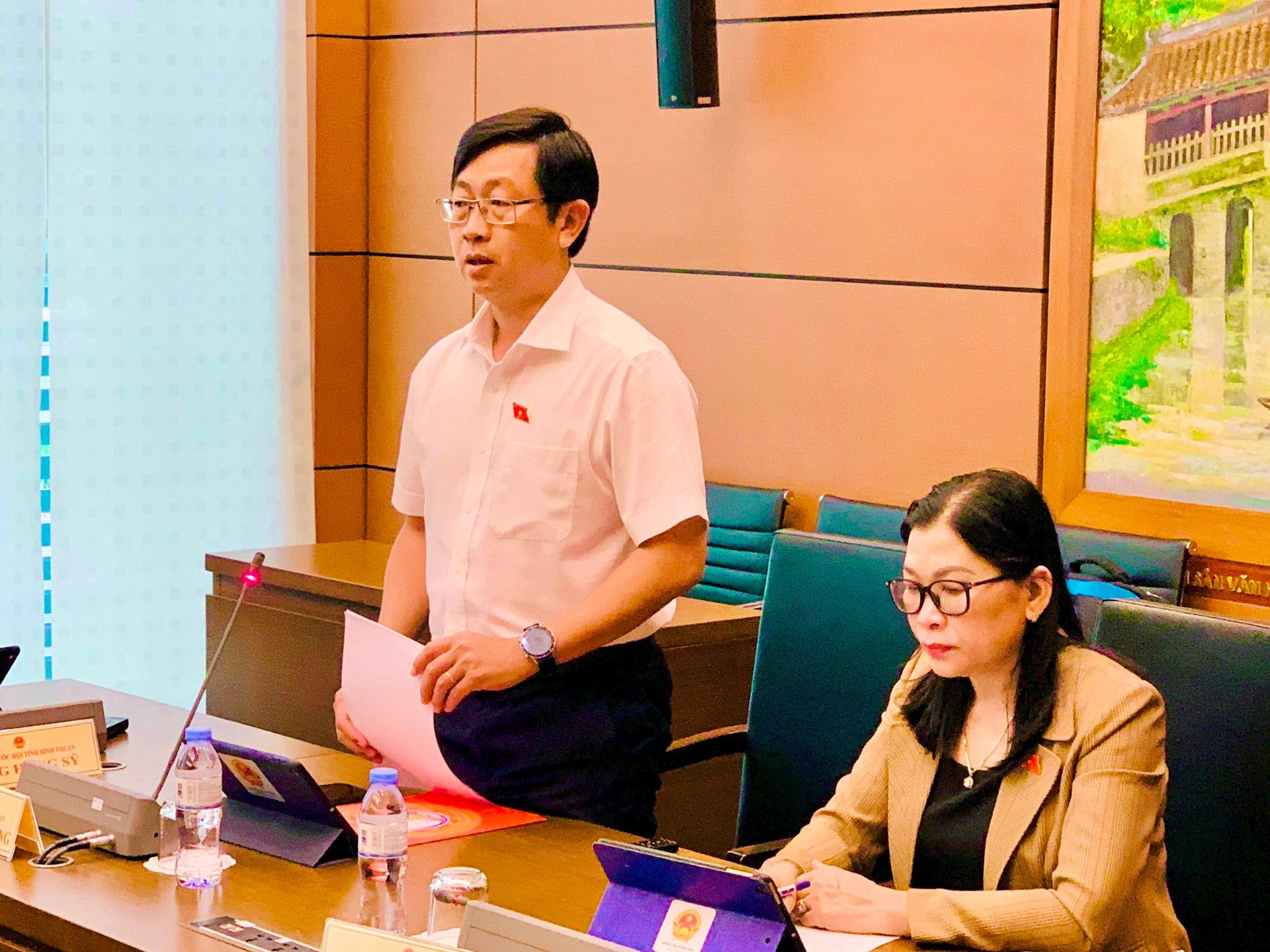
Regarding point g, clause 2, Article 21 of the draft Law, which stipulates that the tenant of a house or construction project has the right to "unilaterally terminate the contract when the landlord commits one of the following acts: failing to repair the house or construction project when it is unsafe for use or causes damage to the tenant; unreasonably increasing the rent for the house or construction project; or restricting the right to use the house or construction project due to the interests of a third party," Representative Nguyen Huu Thong - Deputy Head of the Standing Committee of the National Assembly Delegation of the province - argued that the above regulation is not entirely comprehensive because in cases where the tenant intentionally damages the house or construction project, the tenant is obligated to carry out the repairs, not the landlord. Furthermore, the draft lacks detailed regulations on unreasonable increases in rent for houses and construction projects. Therefore, the delegates proposed amendments and additions to the contract, stating that the tenant of a house or building has the right to "unilaterally terminate the contract when the landlord commits any of the following acts: failing to repair the house or building when it is unsafe for use or causes damage to the tenant through no fault of the tenant; increasing the rent for the house or building not in accordance with the agreement in the contract or legal regulations; restricting the right to use the house or building due to the interests of a third party."
Regarding the conditions for housing and construction projects under construction to be put into business, Clause 2 of Article 25 stipulates: “Before selling or leasing housing under construction, the project investor must notify the competent real estate market management authority in writing that the housing meets the conditions for sale or lease. The provincial-level competent real estate business management authority is responsible for inspecting the conditions of the housing to be put into business and responding in writing if the housing does not meet the conditions for sale or lease.”
Delegates argued that the aforementioned regulation is incomplete as it does not specify a time limit for provincial-level real estate management authorities to inspect the conditions of housing units offered for sale and provide written responses if the housing units do not meet the conditions for sale or lease. Therefore, delegates proposed adding a time limit of no more than 15 days from the date of receiving notification from the project investor for the provincial-level real estate management authority to take action…
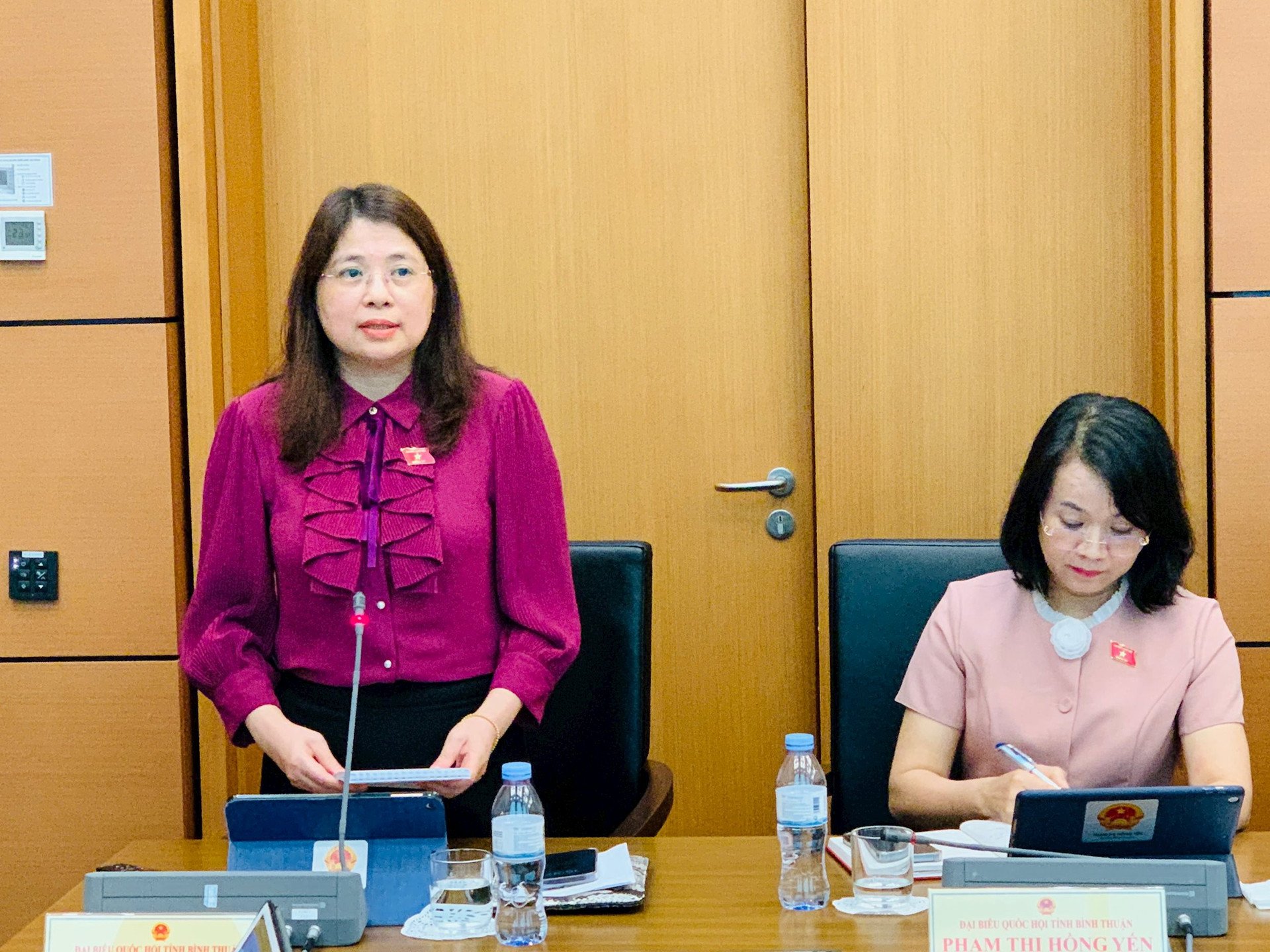
Commenting on the draft law, National Assembly Deputy Tran Hong Nguyen noted that the draft law adds several legal relationships related to real estate in Article 10, Clause 3. However, these relationships are already regulated by other laws such as the Civil Code, the Bankruptcy Law, and the Law on Credit Institutions. Therefore, the deputy suggested that the drafting agency review the content related to these legal relationships, as they may overlap with other laws.
Point d, Clause 4, Article 24 of the draft Law stipulates that "Deposits may only be received from customers when the housing or construction project has met all the conditions for being put into business and the transaction has been carried out in accordance with the provisions of this Law"; the representative noted that this deposit regulation is very necessary, but needs to be considered more carefully, in detail, and specifically to ensure the rights of customers. Regarding the conditions for transferring all or part of a real estate project, the representative argued that the overly strict regulations on financial obligations related to land will make it difficult for businesses. Therefore, there needs to be a more flexible approach to allow businesses to transfer rights and obligations to other entities so that they can continue the project...
Source


![[Image] Pleasant weather helps students enter the 10th grade entrance exam with confidence.](https://vphoto.vietnam.vn/thumb/1200x675/vietnam/resource/IMAGE/2026/05/29/1780034401612_ngay-1-thi-lop-10-minh-duy-8-5009-jpg.webp)

![[Photo] Ba Lang An Lighthouse - the "eye of the sea" amidst the "rock museum" of Quang Ngai province.](https://vphoto.vietnam.vn/thumb/1200x675/vietnam/resource/IMAGE/2026/05/29/1780038698840_anh-man-hinh-2026-05-29-luc-14-10-42.png)




















































































Comment (0)