

The Central Highlands is a region renowned nationwide for coffee production and processing. Producing safe, high-quality, and sustainable coffee in this basaltic land is not only a solution to current challenges but is becoming a crucial trend and a commitment to the future.
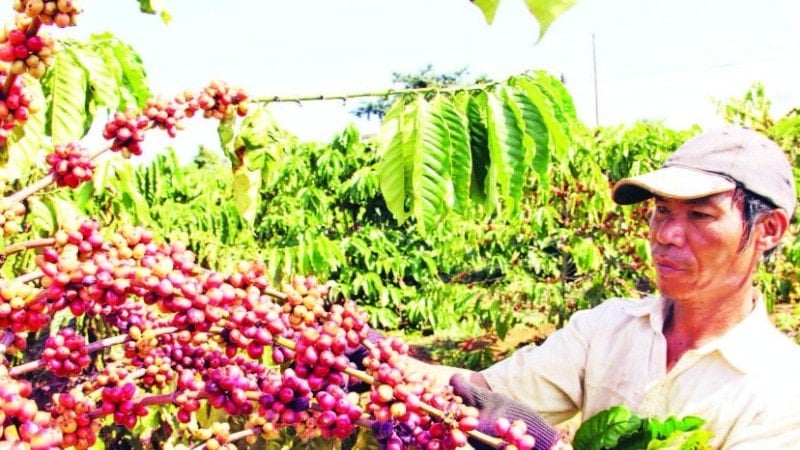 Coffee harvest season in Bao Lam district, Lam Dong province.
Challenges in Sustainable Coffee Production
Coffee has been approved as a pilot raw material area among the five key raw material areas of Vietnam's agricultural sector. Currently, the total area of coffee cultivation nationwide is approximately 710,000 hectares, mainly concentrated in the Central Highlands. It is one of the key agricultural export products, creating jobs and increasing income for millions of farming households. However, according to Mr. To Viet Chau, Deputy Director of the International Cooperation Department of the Ministry of Agriculture and Environment , the Vietnamese coffee industry is facing problems with waste management in production. The overuse of herbicides has negatively impacted water resources, public health, and the reputation of Vietnamese coffee in the international market.
In reality, coffee production in the Central Highlands still faces many limitations due to farmers' awareness, inconsistent treatment technologies, and a lack of supportive policies. Waste from coffee production, such as coffee husks, coffee grounds, processing wastewater, fertilizer and pesticide packaging, etc., is not collected and treated according to regulations, causing environmental pollution, soil degradation, and greenhouse gas emissions. The practice of intercropping fruit trees with coffee increases the risk of cross-contamination with pesticides, complicating the control of maximum pesticide residue levels in coffee beans.
Mr. Le Quoc Thanh, Director of the National Agricultural Extension Center, stated that ensuring the responsible use of agricultural inputs and the proper collection and treatment of waste is a long-term process requiring synchronized changes from policy to the behavior of producers. In this context, the Ministry of Agriculture and Rural Development (now the Ministry of Agriculture and Environment) approved the project “Building a policy dialogue, enhancing capacity and awareness on the responsible use of agricultural inputs, and the collection and treatment of waste in coffee production in Vietnam”. The project will be implemented in the Central Highlands region in 2024 and 2025, led by the National Agricultural Extension Center, with funding from the Global Coffee Forum (GCP) in Vietnam.
Responsible Coffee Production
Pham Quang Trung, Head of GCP's representative office in Vietnam, emphasized: "Currently, important markets such as the European Union (EU), the United States, and Japan are becoming increasingly stringent regarding food safety and traceability. Therefore, responsible actions in coffee production and processing are essential for Vietnamese coffee to confidently enter the global market."
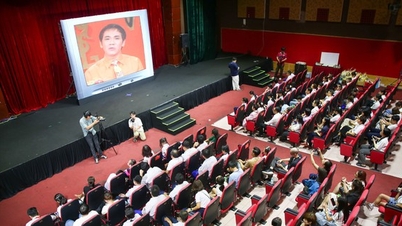
To achieve the project objectives, the National Agricultural Extension Center organized 12 training courses for 360 trainees from the Central Highlands provinces; two policy consultation workshops to develop solutions for waste collection and management in coffee production; and two communication seminars to disseminate awareness and responsibility regarding environmental issues in the community. Through these efforts, the project achieved significant results in raising awareness among agricultural extension officers, community extension workers, and coffee producers about the necessity of proper waste collection and treatment; and understanding the stringent market requirements for food safety and hygiene in coffee products. The project also disseminated essential knowledge and skills for applying sustainable farming practices; and provided information and recommendations to management agencies and stakeholders to review and adjust policies for safe, high-quality, and sustainable coffee production.
Mr. K'Cuong, a coffee farmer in Lac Duong district, Lam Dong province, shared: “My family has more than 2 hectares of specialty Arabica coffee being produced sustainably. With support from the project, we have accessed solutions for weed management, biological herbicides, and waste treatment in production.”
Binh Dong Farm, located in Bao Lam district, Lam Dong province, currently has 90 hectares dedicated to coffee cultivation and 2.5 hectares of factory space. Mr. Nguyen Thanh Loc, CEO of Binh Dong Farm, believes that the key issue in sustainable coffee production is the treatment of wastewater and coffee husks before discharging them into the environment. Binh Dong Farm prioritizes solutions that minimize water usage in wet processing plants and coffee hulling and sorting plants. Coffee husks are utilized as organic fertilizer in combination with biological preparations, while treated wastewater is reused.
Currently, Lam Dong province has 176,000 hectares of coffee plantations, of which 169,000 hectares are in production, yielding nearly 600,000 tons per year. The province has 86,000 hectares of coffee certified as organic, VietGAP, and 4C; and 170 processing facilities. In 2024, the export volume of green coffee beans exceeded 50,000 tons, with an export value of 170 million USD. According to Nguyen Hoang Phuc, Deputy Director of the Department of Agriculture and Environment of Lam Dong province, local coffee farmers use more than 350,000 tons of fertilizer annually. The province consistently prioritizes waste treatment from fertilizer and pesticide use. Provincial authorities will regularly inspect and monitor compliance with legal regulations on the collection and treatment of by-products and packaging of pesticides, as well as waste and wastewater treatment.
According to Mr. Le Quoc Thanh, in 2024, Vietnam's coffee exports reached 1.32 million tons, with a value of 5.48 billion USD. Although the volume decreased by 18.8%, the value increased by 29.11% compared to the same period in 2023. This is the first time Vietnam's coffee exports have exceeded 5 billion USD, demonstrating that we have accessed a value-added production chain through sustainable, high-quality, and green growth practices.
To produce safe and sustainable coffee that meets export market demands, Mr. Thanh emphasized that the first solution is to focus on building standardized raw material areas and reorganizing production; at the same time, applying solutions to support production, especially processes and technologies, that are both effective and ensure the high standards and quality that the market expects.
Source: https://baodaknong.vn/san-xuat-ca-phe-ben-vung-tai-tay-nguyen-249646.html












































































Comment (0)