

Unlocking ecological factors
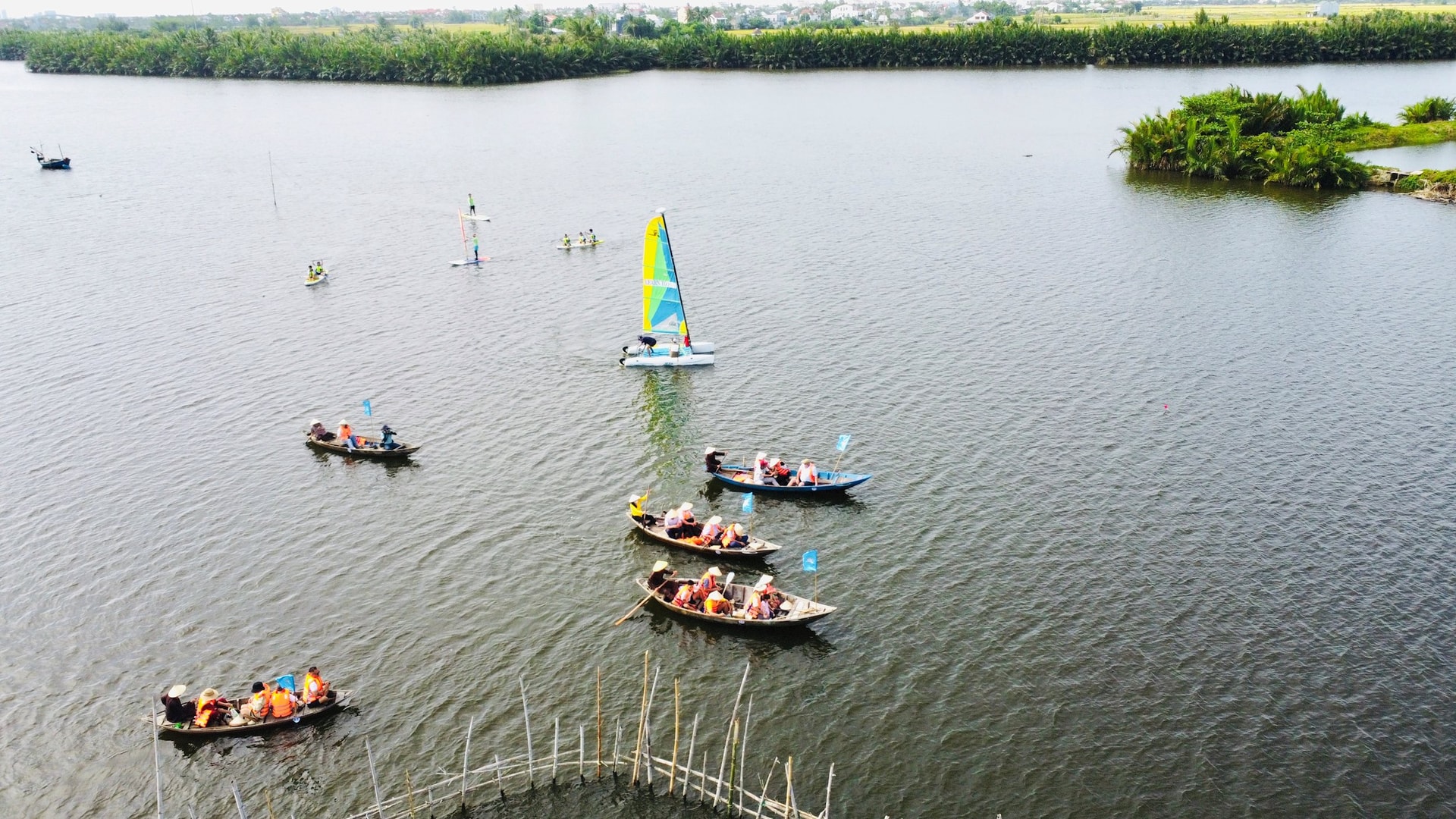
Hoi An is a small city but possesses many unique ecological features. It is the confluence of three rivers: Thu Bon, Truong Giang, and Co Co. Furthermore, Hoi An has a complex network of canals and islets closely connected to Cham Island. This preserved characteristic ecological space has helped Hoi An adapt quite well to natural disasters, especially floods.
According to Associate Professor Dr. Dang Van Bai, Vice Chairman of the National Cultural Heritage Council, the urban spatial planning of Hoi An in the future needs to prioritize the restoration of ecological elements.
“Da Nang city needs to expedite the dredging of the Co Co River, a vital waterway connecting the Hoi An heritage site to the world in the past. Alongside this, it's necessary to dredge the canal system – a unique feature of Hoi An – to meet multiple objectives: landscape improvement, climate change adaptation, and sustainable tourism promotion. Furthermore, it's crucial to establish eco-museums based on traditional craft villages, starting with the Kim Bong carpentry village,” suggested Associate Professor Dr. Dang Van Bai.
Mr. Nguyen Su, former Secretary of the Hoi An City Party Committee, believes that without the rivers, the Hoi An trading port would certainly not have been formed. Therefore, the preservation process requires a holistic view, not only focusing on the land but also on the waterfront. Similarly, heritage preservation should not only concentrate on maintaining the architecture but also on preserving the intangible values in the lives of the residents.
Overcoming the limitations of the old planning
According to Deputy Minister of Culture, Sports and Tourism Hoang Dao Cuong, the new phase of Hoi An's planning will focus on reviewing all the remaining issues from the 2012-2025 planning period.
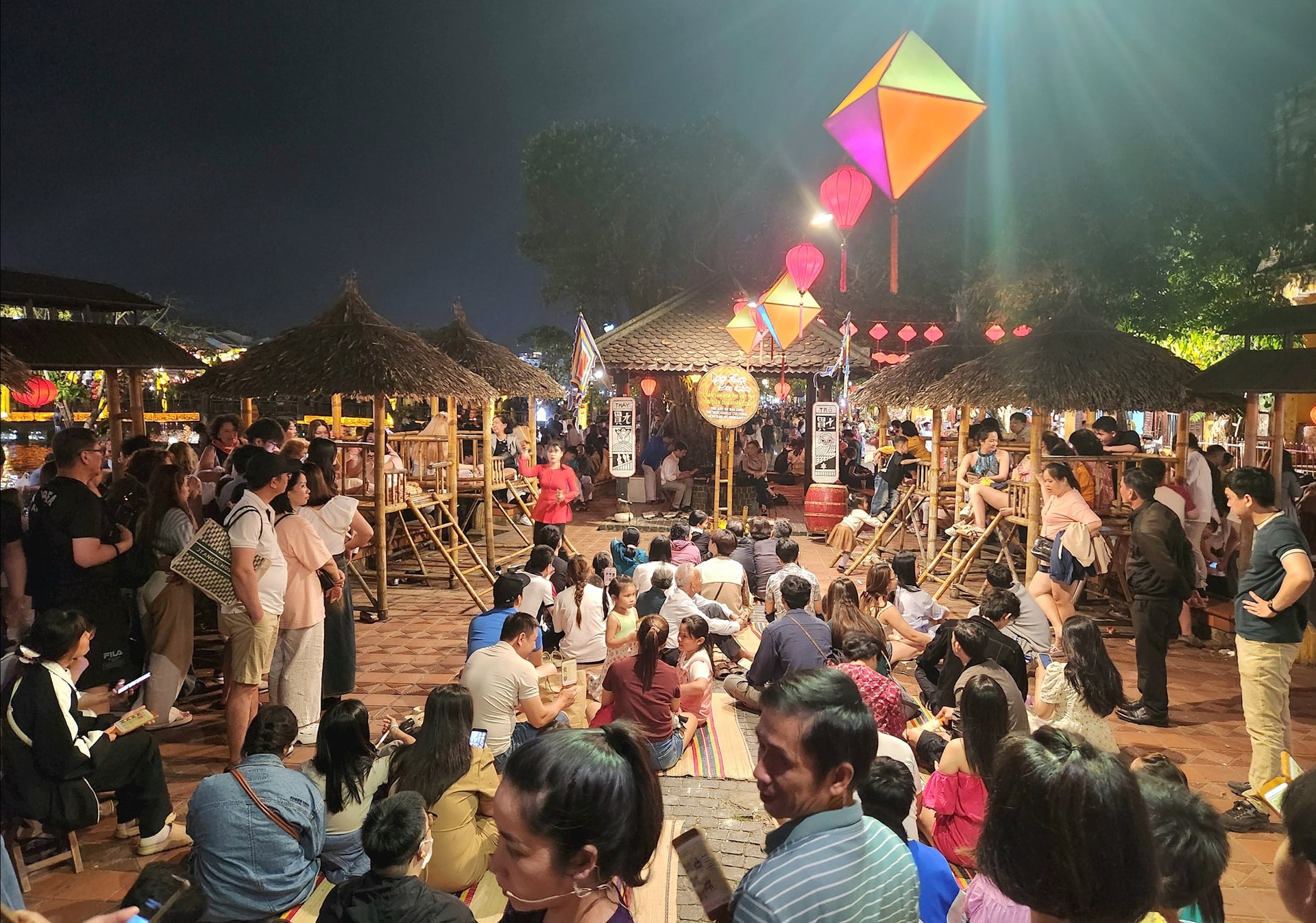
“The new phase of Hoi An planning needs to unify the perspective of viewing Hoi An as a historical, ecological, cultural, and humanistic landscape. Expanding the planning scope geographically needs careful consideration; the important thing is to place Hoi An within the context of the new Da Nang city, paying special attention to transportation connections and regional linkages,” said Mr. Hoang Dao Cuong.
Hoi An's defining characteristic is its status as a living heritage city; therefore, the new phase of planning requires addressing the issues of identity erosion as well as the displacement and weakening of the local community.
According to architect Do Thi Thanh Mai, former Deputy Director of the Institute of Construction Science and Technology (Institute of Science, Technology and Construction), Hoi An could be a pioneer in developing a "Living Heritage Index" to assess not only the number of tourists or conservation works but also the level of happiness, well-being, and participation of its residents - a core element of a livable city.
According to architect Dang Khanh Ngoc, Director of the Institute of Conservation of Monuments (Ministry of Culture, Sports and Tourism), the development of Hoi An city must be planned with a comprehensive and specialized master plan, consistent with the characteristics of a heritage city and based on heritage as a driving force. Particular attention should be paid to maintaining urban balance in terms of morphology and historical-humanistic ecological environment.
Mr. Dang Khanh Ngoc recommended urgent solutions that need to be implemented soon to preserve and promote Hoi An's heritage, such as: social welfare policies to protect the local community; controlling the conversion of the functions of ancient houses; establishing a data and monitoring system for heritage; managing the buffer zone with strict architectural management regulations…
Source: https://baodanang.vn/tam-nhin-tong-the-trong-quy-hoach-moi-3307962.html














































































Comment (0)