

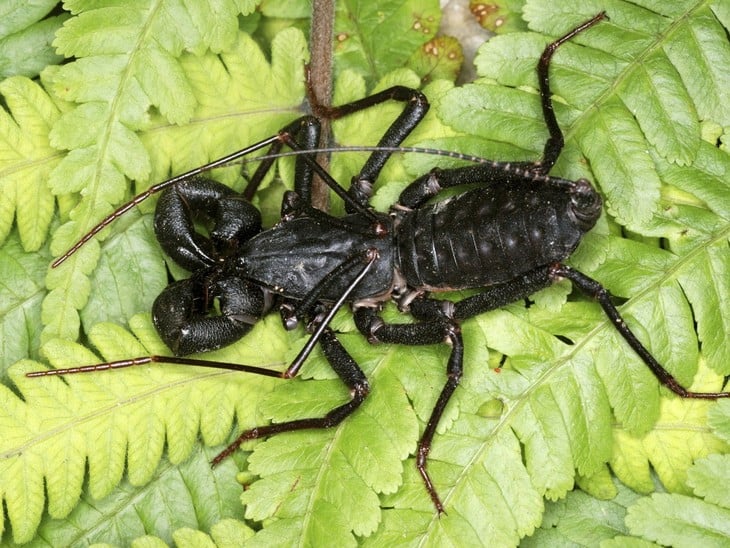
 |
| Distributed in tropical and subtropical regions worldwide , the order Uropygi includes scorpion species with unique appearances and interesting biological characteristics. Photo: Newsweek. |
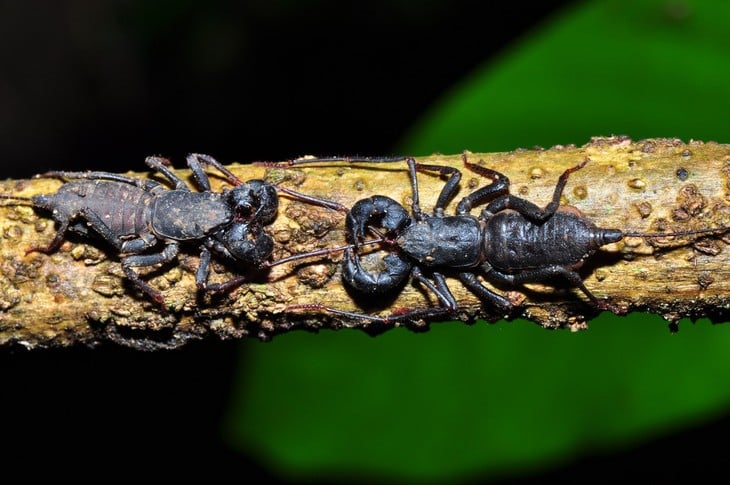 |
| With a head and body length that can reach up to 85 mm when mature, these scorpions look quite similar to real scorpions, but possess a slender, whip-like tail. Photo: Wikipedia. |
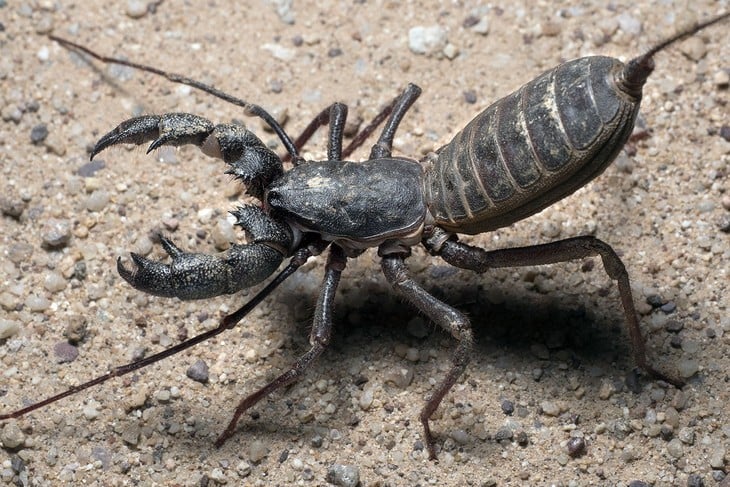 |
| Of its eight pairs of legs, the whip scorpion uses only six for locomotion, while the first two are sensory organs resembling antennae. It has large claws similar to those of a scorpion, but with an additional large spine at the tip of each claw. Photo: Bryan Maltais / Macrophotobug.com. |
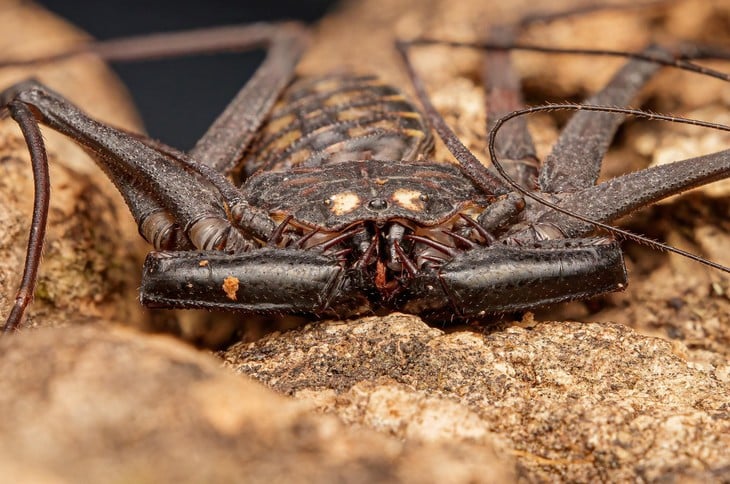 |
| Whip scorpions observe objects using a pair of eyes at the front and three eyes on each side of their head. This characteristic is similar to that of common scorpion species. Photo: Reddit. |
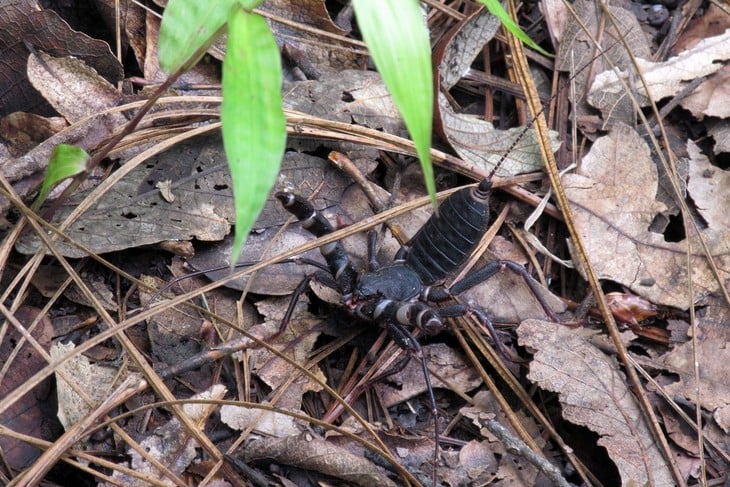 |
| Unlike true scorpions, whip scorpions lack venom glands and a stinger, but they do have glands near the back of their abdomen that can spray a solution of acetic acid and caprylic acid when threatened. Photo: Christian Frausto Bernal / Flickr. |
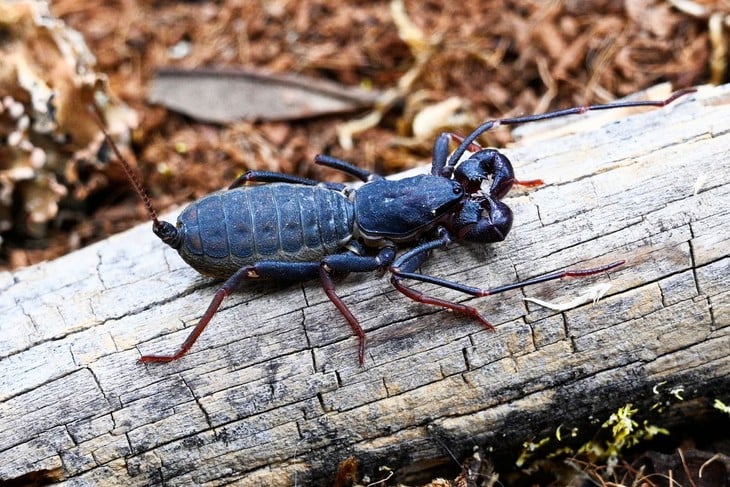 |
| The acetic acid component gives the liquid they spray a vinegar-like smell, leading to their other common name, the vinegar scorpion. Photo: Fear Not Tarantulas, Inc. |
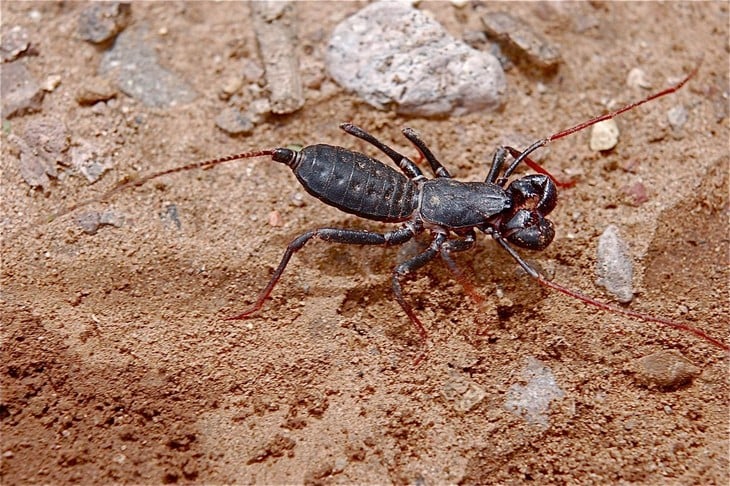 |
| The "whip" of this animal is an extension of the abdominal exoskeleton, serving only as a sensory organ and not as many people mistakenly believe. Photo: Things Biological. |
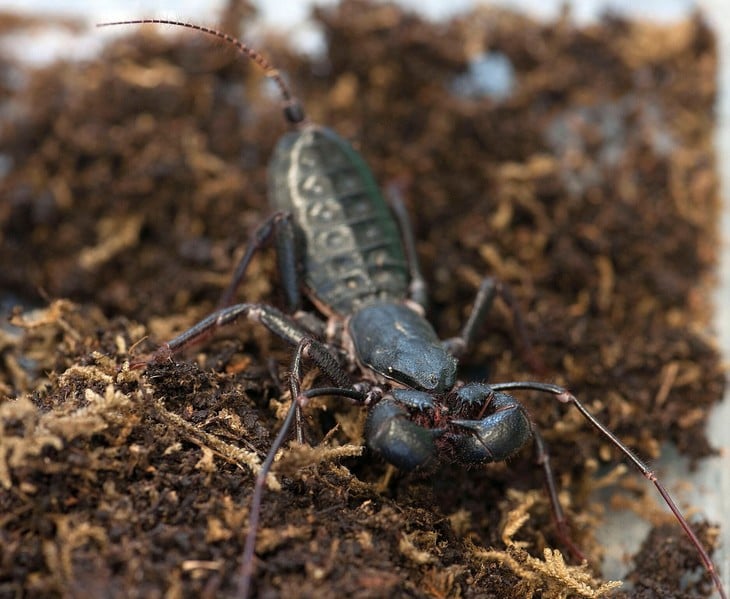 |
| As carnivorous creatures, whip scorpions hunt at night. They primarily feed on insects, millipedes, small scorpions, and other terrestrial millipedes. They sometimes also eat worms, slugs, and smaller vertebrates. Photo: Milwaukee Public Museum. |
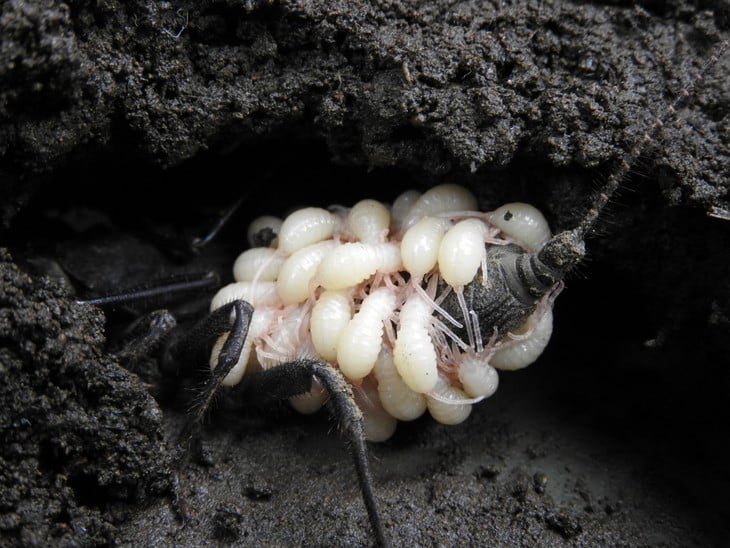 |
| The reproductive behavior of whip scorpions is similar to that of common scorpions. The female lays about 40 eggs. The eggs hatch in an egg sac under the mother scorpion's abdomen, becoming white hatchlings that climb onto their mother's back and cling to her. Photo: iNaturalist. |
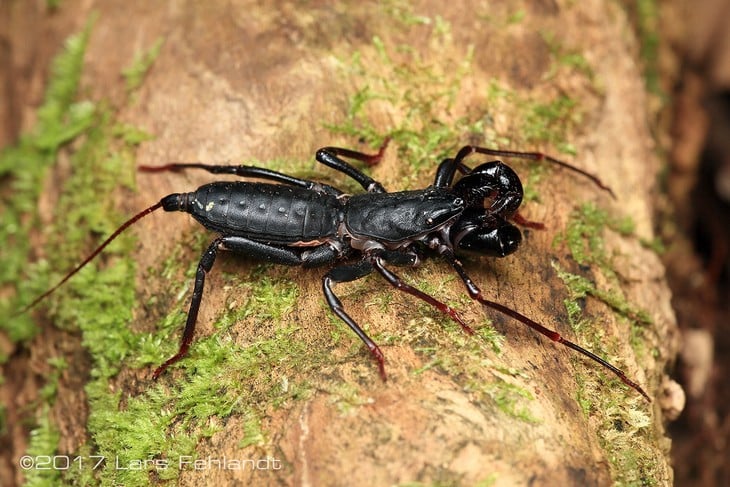 |
| Young scorpions develop slowly, undergoing four molts over a period of four years before reaching adulthood. They can live for up to four more years. Photo: Lars Fehlandt. |
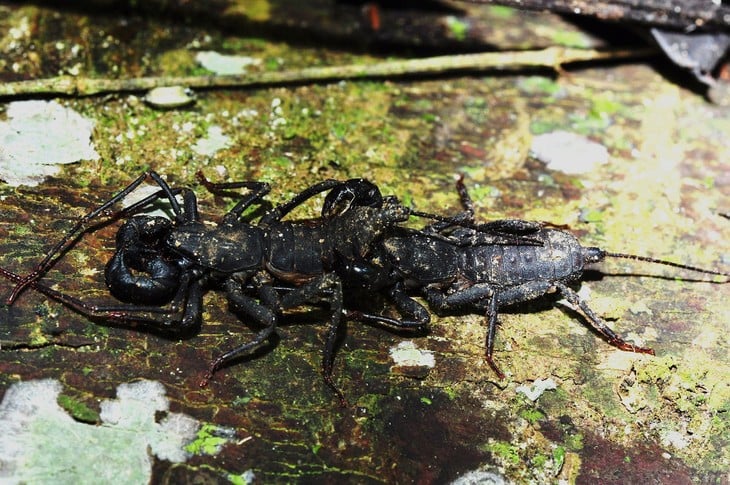 |
| In nature, whip scorpions prefer damp, dark places, often digging burrows or hiding under decaying logs, rocks, and other natural debris. Photo: Wikipedia. |
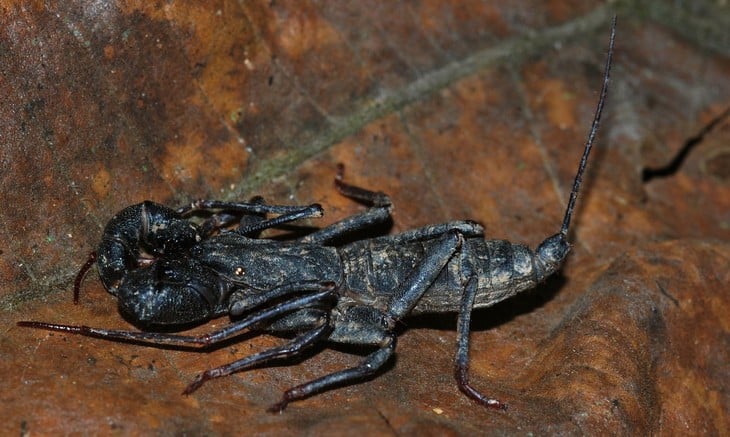 |
| Vietnam is home to several species of whip scorpions belonging to the genus Thelyphonus. They are common in the southern region, and can be found in Ho Chi Minh City. These species are not dangerous to humans and are beneficial in controlling pest insect populations. Photo: Bernard DUPONT / Flickr. |
We invite our readers to watch the video : When wild animals cry for help | VTV24.
Source

![[Image] Pleasant weather helps students enter the 10th grade entrance exam with confidence.](https://vphoto.vietnam.vn/thumb/1200x675/vietnam/resource/IMAGE/2026/05/29/1780034401612_ngay-1-thi-lop-10-minh-duy-8-5009-jpg.webp)

![[Photo] Ba Lang An Lighthouse - the "eye of the sea" amidst the "rock museum" of Quang Ngai province.](https://vphoto.vietnam.vn/thumb/1200x675/vietnam/resource/IMAGE/2026/05/29/1780038698840_anh-man-hinh-2026-05-29-luc-14-10-42.png)
















![[GALLERY] The million-dollar 007 blockbuster is causing a sensation on Steam, is it worth buying?](https://vphoto.vietnam.vn/thumb/402x226/vietnam/resource/IMAGE/2026/05/29/1780064112088_ta-2-png.webp)

![[GALLERY] Vietnamese people spend 302 billion VND watching 60-second films; Netflix is worried.](https://vphoto.vietnam.vn/thumb/402x226/vietnam/resource/IMAGE/2026/05/29/1780031393099_ve-5-png.webp)















































































Comment (0)