

A 26-year-old man diagnosed with bladder cancer had been a smoker for 10 years.
According to Dr. Do Bang (Head of the Urology Department at a Cancer Hospital in China), during his many years of practice, he has encountered numerous urinary tract cancer patients in their teens. The most memorable case was a bladder cancer patient who was only 26 years old but had been smoking for 10 years.
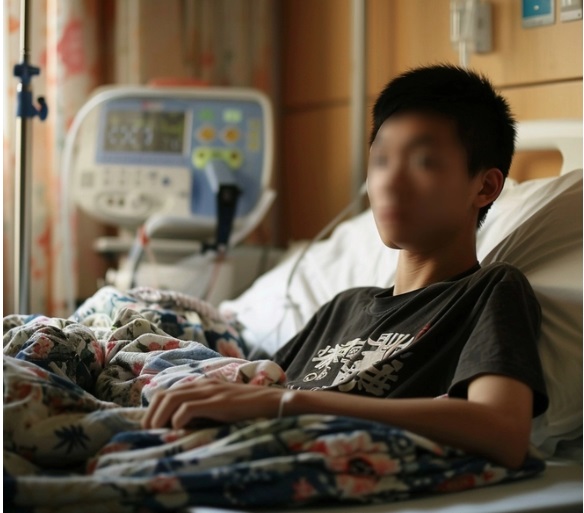
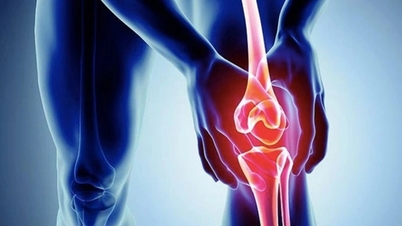
Illustrative image
According to doctors, almost all patients with cancer in this area have a smoking habit. One study showed that smokers have a four times higher risk of bladder cancer than non-smokers.
Speaking to Sohu Health, Dr. Do Bang said that when smoking, the benzene rings in cigarettes are metabolized and transported to the bladder via the kidneys. This irritation can also lead to early-onset bladder cancer, and there are increasingly more young patients.
In addition, carcinogens such as aromatic amines, found in related occupations like chemical processing, leather tanning, painting, and dyeing, put those working in these professions at high risk of developing the disease.
What is bladder cancer?
Bladder cancer, or bladder tumors, is one of the most common diseases among Vietnamese people. According to research published in 2013 by Assoc. Prof. Dr. Vu Le Chuyen, approximately 2,000 new cases of bladder cancer are detected in Vietnam each year, with a higher incidence among men than women.
The bladder is a ball-shaped organ in the pelvic region that holds urine. Therefore, bladder cancer is a type of cancer that originates in the bladder, usually from the cells lining the inside of the bladder. It can occur at any age but is most common in older adults.
Most bladder cancers are diagnosed at an early stage. At that point, the patient has a very high chance of being cured.
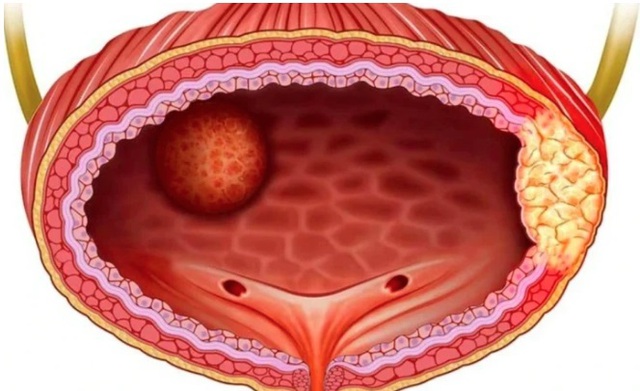
Illustrative image
Signs and symptoms of bladder cancer
Bladder cancer, if diagnosed early and treated promptly, has a high cure rate. The only symptom in the early stages is gross hematuria (blood in the urine from beginning to end), possibly accompanied by blood clots, but without pain. Sometimes, a bladder tumor is discovered incidentally during a health checkup.
When the tumor develops to a late stage, patients may experience frequent hematuria (blood in the urine), difficulty urinating due to the tumor compressing surrounding tissues, weight loss, and swollen lymph nodes in both groins…
Who is at risk of developing bladder cancer?
Older adults are at a higher risk of developing bladder cancer than younger adults.
Men are more likely to develop bladder cancer than women.
- Individuals with a family history of bladder cancer.
- People who smoke have a much higher risk of bladder cancer than people who don't smoke.
- People working in fields related to rubber, chemicals, leather, hairdressing, metalworking, printing, weaving, and truck driving. These are professions that involve frequent exposure to carcinogenic substances.
- In addition, people with chronic cystitis, recurrent urinary tract infections, or those who use urinary catheters for extended periods are also at risk of developing bladder cancer.
Is bladder cancer curable?
Bladder cancer often recurs. Because of this, even after successful initial treatment, patients need to be monitored for many years afterward. Doctors will order several tests at each follow-up visit. You should ask your doctor about your next treatment plan.
Generally, doctors will order cystoscopy, to examine the inside of the urethra and bladder, every 3 to 6 months in the first few years and every 6 months or 1 year thereafter.
People with bladder cancer who have a high risk of recurrence may need to undergo more frequent testing.
6 ways to prevent bladder cancer
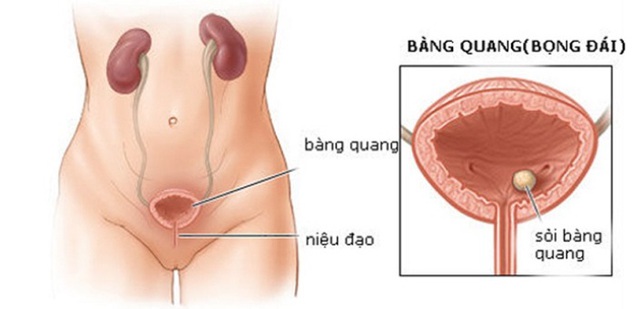
Illustrative image
Do not smoke.
Smoking is a major cause of many cancers – bladder cancer being one of them. Not smoking also means that the carcinogens in cigarette smoke cannot accumulate in the bladder. Saying no to cigarettes is the first step in preventing bladder cancer in particular and other diseases in general.
Be careful with chemicals.
If you work regularly with chemicals, you need to follow all safety guidelines to avoid exposure. Additionally, if you are using a new well, you should have it tested to check for arsenic levels so that corrective action can be taken.
Drink plenty of water.
Drinking enough water each day (about two liters) can reduce the risk of bladder cancer by 25%, because water can flush out any cancer-causing agents from the bladder before they spread and develop in the body.
Develop a scientific diet plan.
Eating plenty of cruciferous vegetables such as broccoli and cabbage may reduce the risk of bladder cancer in men.
Although we already know that eating plenty of fresh vegetables and fruits is good for overall health, only broccoli and cabbage appear to have an effect on reducing the risk of bladder cancer.
Regular health check-ups
Regular health checkups are important for early detection of health problems. Additionally, if you notice any unusual symptoms such as blood in your urine, you should see a doctor immediately for early detection and treatment of bladder cancer.
Source: https://giadinh.suckhoedoisong.vn/thanh-nien-26-tuoi-bi-ung-thu-bang-quang-thua-nhan-co-1-thoi-quen-nhieu-nam-gioi-viet-mac-phai-172240619125143606.htm




























































































Comment (0)