

 |
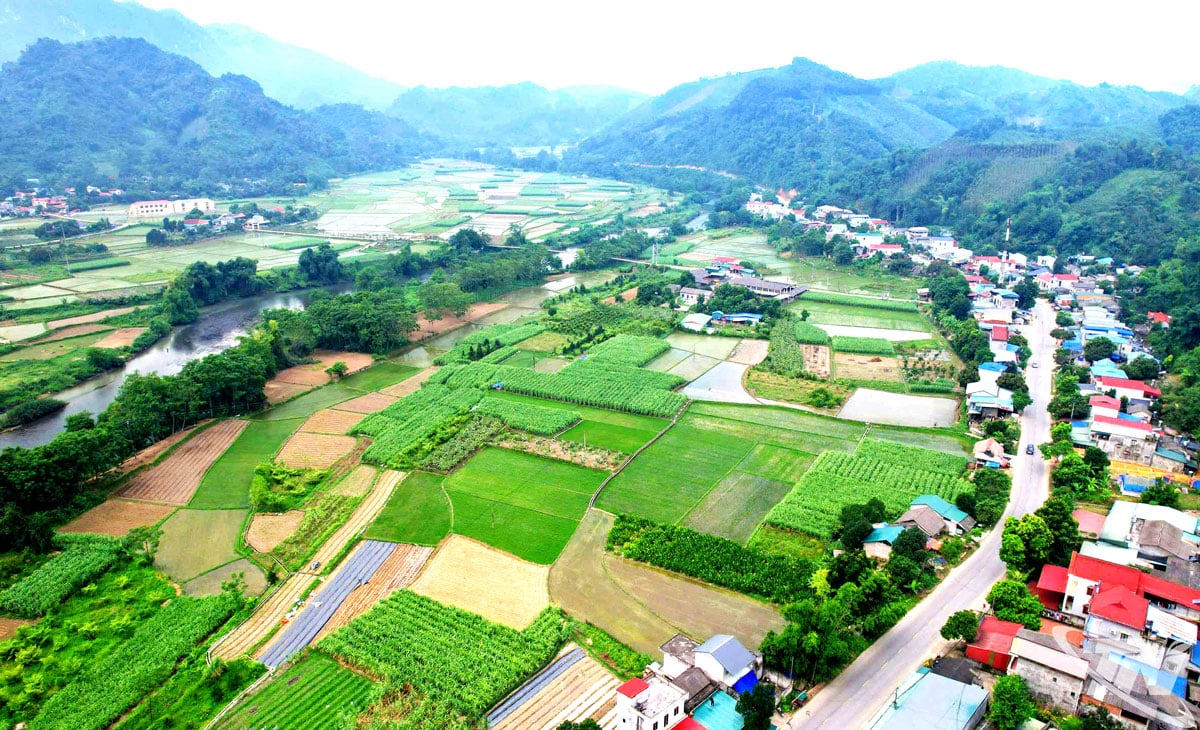
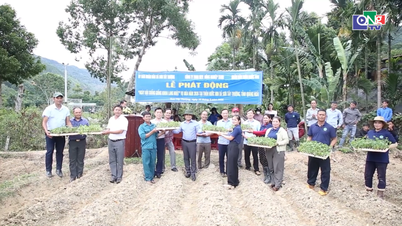
| Thanks to the increased cultivation of vegetables and crops in fields along rivers and streams, the people of Tan Ky commune are gradually increasing their income and improving their living standards. Photo: Provided |
Processing is linked to product consumption.
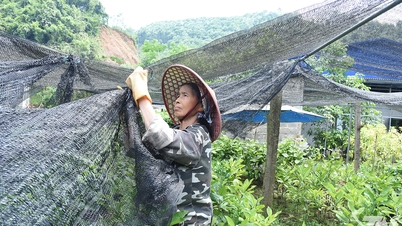
The family of Ms. Phan Thi Nguyet, in Ban Moc village, Yen Binh commune, has been involved with Shan Tuyet tea cultivation for many years and considers it an important source of livelihood. Their tea garden covers approximately 6,000 square meters. Previously, the product was mainly harvested and sold retail to traders, thus limiting its economic value.
Since joining the local tea cooperative and benefiting from the intensive cultivation and improvement support project implemented by the authorities, Ms. Phan Thi Nguyet's family's tea plantation has received systematic care and the application of intensive farming techniques, resulting in continuously improved productivity and quality. The cooperative purchases all of the production for processing, providing a stable income and improving the family's living standards.
Ms. Nguyet shared: "Thanks to projects supporting intensive cultivation and improvement of Shan Tuyet tea plants, and the consumption linkage through cooperatives, my family has a more stable livelihood. Tea plants provide a regular income and create conditions for my family to confidently commit to and invest in long-term economic development."
Currently, Yen Binh commune has developed a Shan Tuyet tea growing area of about 105 hectares, which is now yielding harvests. Thanks to the close cooperation between the people and cooperatives, the tea growing area is expanding, the product's value is increasing, and it is creating more jobs and raising the income of hundreds of households.
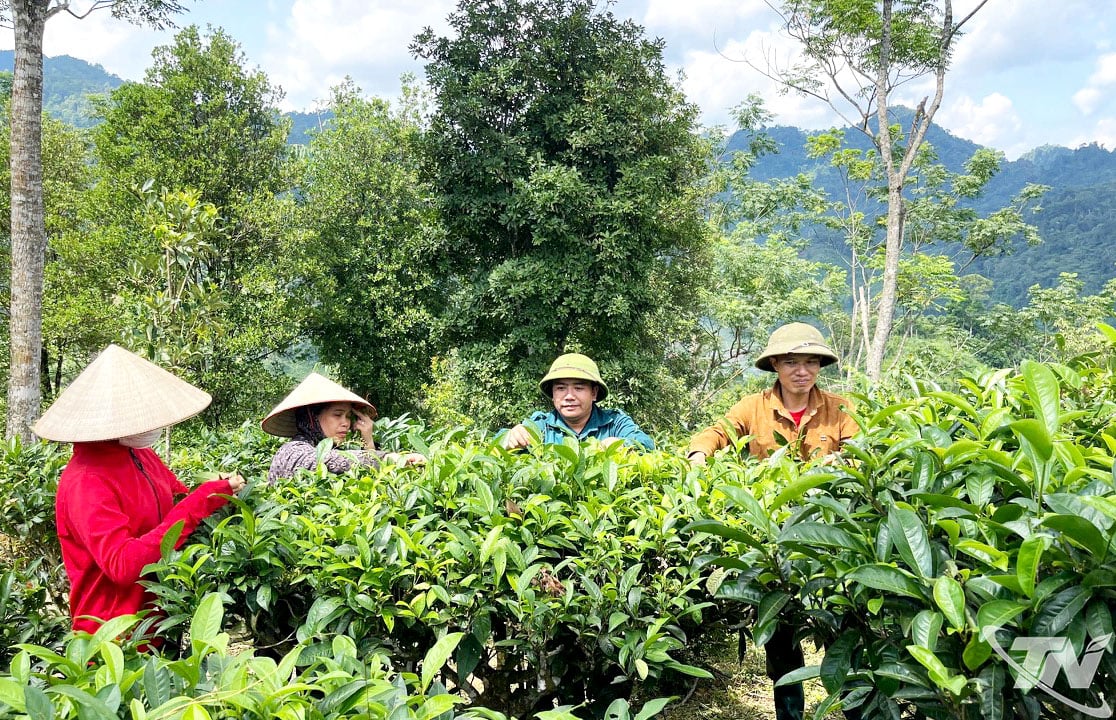 |
| Shan Tuyet tea plants have helped the people of Yen Binh commune to have additional livelihoods, increase their income, and improve their living standards. |
Along with Shan Tuyet tea, Yen Binh commune is exploiting its existing potential to develop star anise and cinnamon trees, aiming to diversify livelihoods and increase income for its people. The entire commune currently has about 900 hectares of star anise, of which 750 hectares are currently producing fruit, with an average yield of 3 tons of fresh fruit per hectare, equivalent to about 2,250 tons per year.
Cinnamon trees are also a major crop in Yen Binh commune, with a total area of approximately 1,200 hectares, of which 800 hectares are ready for harvesting and 400 hectares are newly planted. On average, each hectare of cinnamon yields about 20 tons, with purchase prices ranging from 15,000 VND/kg fresh to 40,000 VND/kg dried, providing a stable and sustainable source of income for many households.
Mr. Tran Ha Nam, Chairman of the People's Committee of Yen Binh commune, emphasized: The Resolution of the First Party Congress of the commune, term 2025-2030, identifies the breakthrough area as the development of industrial crops, focusing on key crops such as Shan Tuyet tea, anise, cinnamon, and tobacco, in order to diversify livelihoods and improve the lives of the people. The commune will focus on mobilizing resources from programs and projects to support seeds, science and technology, processing, and product consumption linkages, thereby creating a sustainable value chain and increasing income for the people.
Leveraging resources to develop livelihoods.
In Thanh Mai commune, leveraging resources from programs and projects under national target programs has yielded significant results in developing livelihoods for the local people.
Policies, projects, and sub-projects under the National Target Program for Sustainable Poverty Reduction have been implemented through numerous community production development support projects, with a total budget exceeding 3 billion VND. Practical models such as raising pigs for meat, chickens for meat, goats for breeding, and buffaloes for breeding have attracted the participation of 170 poor, near-poor, and disadvantaged households.
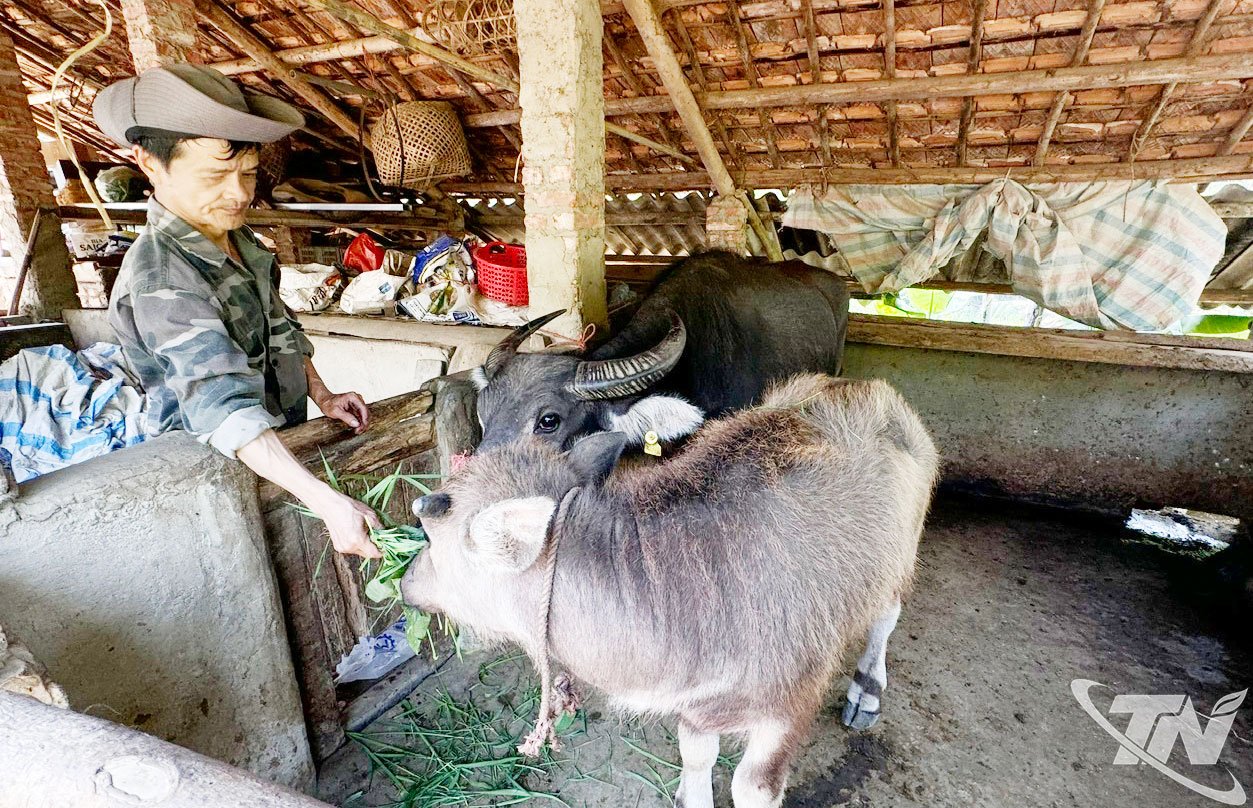 |
| People in ethnic minority areas of the province are being provided with breeding buffaloes, helping to create livelihoods and improve their living standards. |
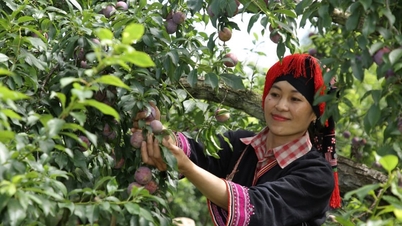
In addition, Thanh Mai commune maintains and effectively cultivates many high-economic-value crops, including 30 hectares of oranges, 33 hectares of tangerines, 2 hectares of seedless persimmons, 5 hectares of plums, 17 hectares of green pumpkins, and about 3 hectares of other fruit trees. Thanks to the diversification of crops and livestock, many households have gained a stable source of income.
Mr. Mai Trung Tuyen, Vice Chairman of the People's Committee of Thanh Mai commune, said: "We have identified livelihood diversification as a key solution to increase income and reduce poverty sustainably. Thanks to utilizing state support programs and projects, the commune continues to develop many production models such as breeding buffalo and goats, poultry farming, and expanding the area of fruit trees, helping people have more stable income and gradually improve their lives."
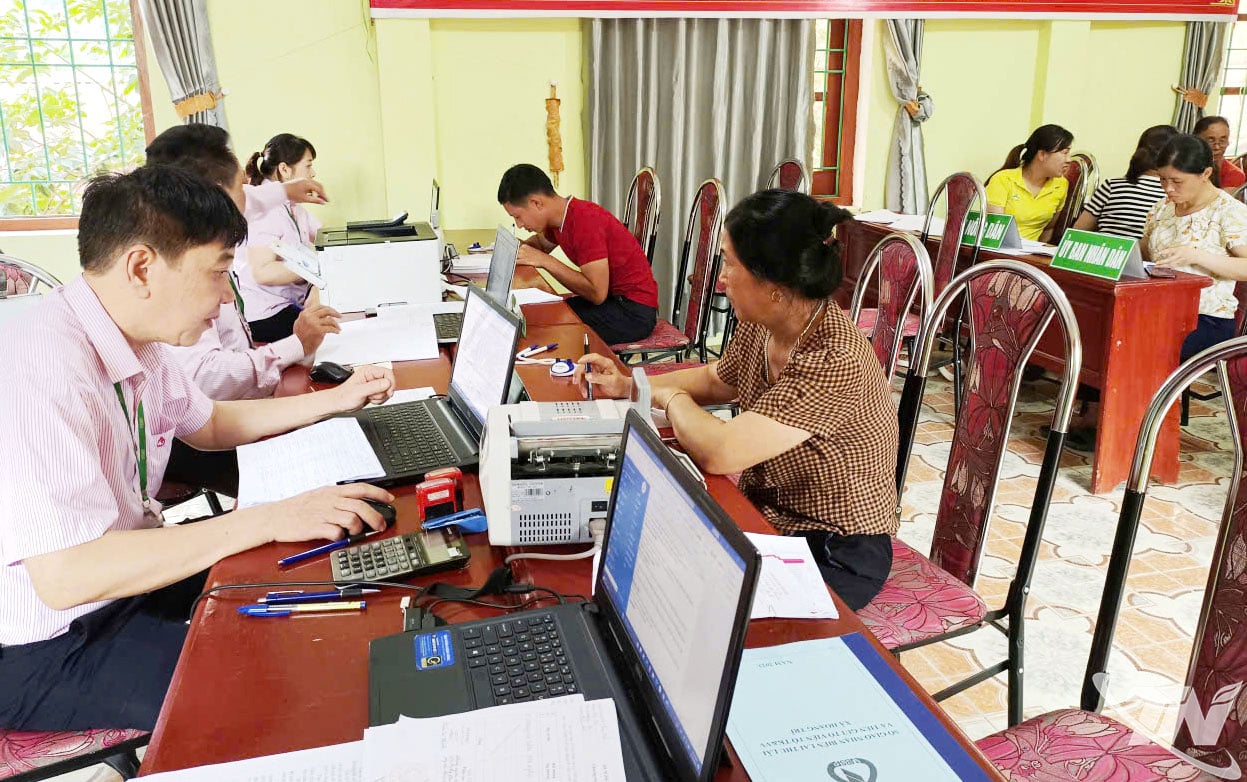 |
| The Ba Be branch of the Social Policy Bank is disbursing loans for job creation in Dong Phuc commune, contributing to providing livelihood support for local people. Photo: Provided. |
Over the years, the entire province has effectively mobilized and utilized resources from the National Target Program for sustainable poverty reduction, new rural development, and socio-economic development in ethnic minority and mountainous areas.
These programs not only support people in developing agricultural and forestry economic models but also promote production along the value chain, diversify livelihoods, and create a solid foundation for sustainable poverty reduction and income improvement. Through this, people have the opportunity to improve their lives and link local economic development with the province's overall goals.
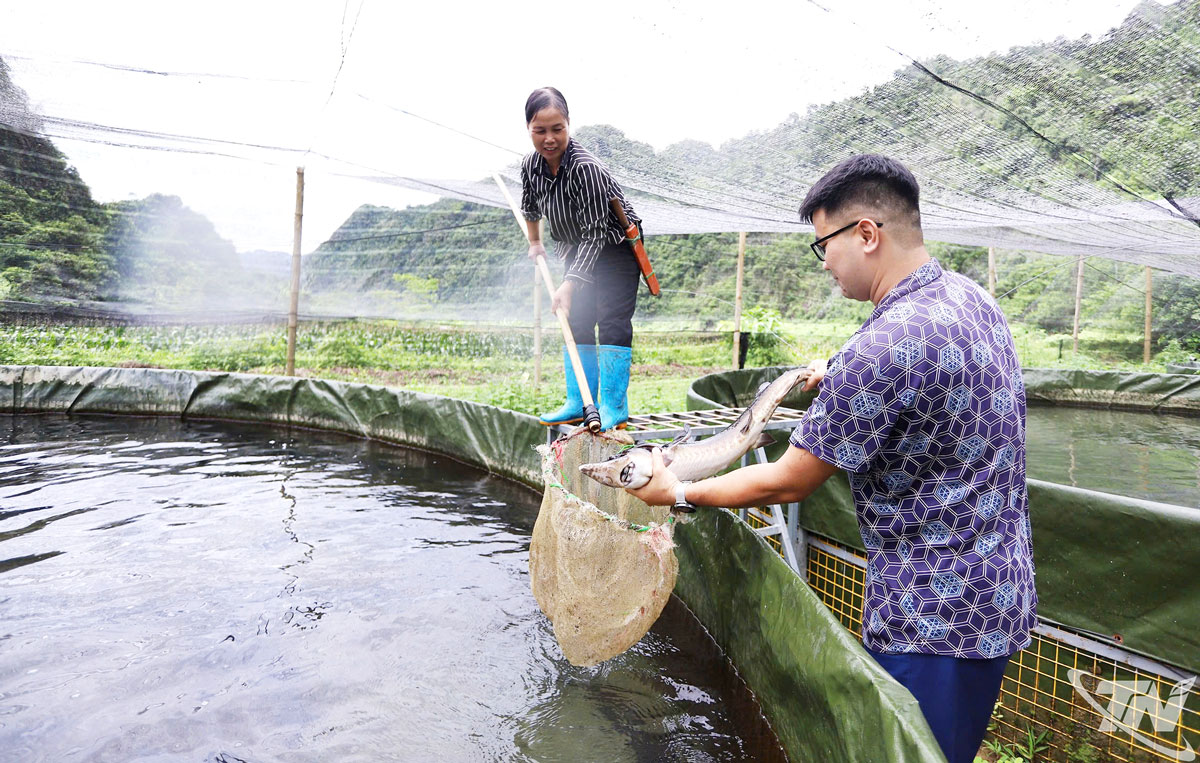 |
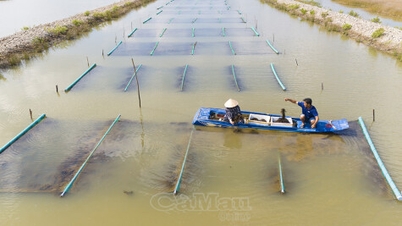
| The model of commercial sturgeon farming in Than Sa commune is proving effective, becoming a new direction in economic development. |
By 2025, the entire province is expected to implement approximately 80 poverty reduction projects and models, and 40 production development projects in the agricultural and forestry sectors under the National Target Program for Sustainable Poverty Reduction.
For the National Target Program on socio-economic development in ethnic minority and mountainous areas, localities are maintaining 317 projects supporting production development along value chains and community production. These projects create important momentum, helping to improve living standards and promote sustainable poverty reduction for people in ethnic minority areas.
Source: https://baothainguyen.vn/kinh-te/202509/them-sinh-ke-de-nguoi-dan-vuon-len-c8b218f/


























![[Photo] General Secretary and President To Lam presides over the meeting to approve the draft report on the results of the second inspection by the Politburo of the Standing Committee of the Hanoi City Party Committee.](https://vphoto.vietnam.vn/thumb/1200x675/vietnam/resource/IMAGE/2026/05/26/1779789811432_a2-bnd-4430-9620-jpg.webp)




























































Comment (0)