

The US National Defense Authorization Act of 2024, nearly 3,100 pages long, calls for a 5.2% pay increase for military personnel and an increase in the total defense budget of approximately 3%, to $886 billion.
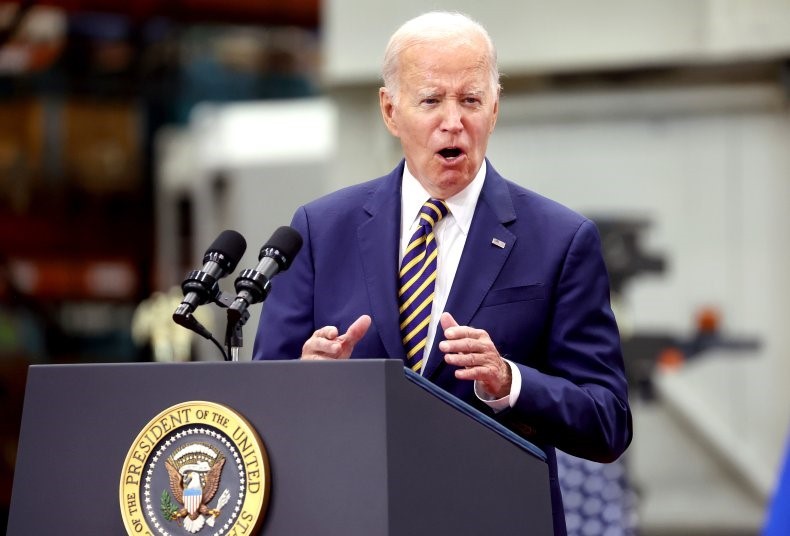 |
| US President Joe Biden signed into law the 2024 National Defense Authorization Act, which sets a record for military spending. (Source: Reuters) |
On December 22, US President Joe Biden signed into law the 2024 National Defense Authorization Act (NDAA), authorizing record military spending of $886 billion, along with policies such as aid to Ukraine.
The NDAA was passed by the US Congress last week. The Democratic-controlled Senate approved it with 87 votes in favor and 13 against, while the House of Representatives voted in favor with 310 votes in favor and 118 against.
The act encompasses everything from increasing military pay and purchasing warships and aircraft to policies such as providing support to foreign partners.
This nearly 3,100-page bill calls for a 5.2% pay increase for military personnel and an increase in the overall defense budget of approximately 3%, to $886 billion.
This year's NDAA also includes a four-month extension of a provision regulating overseas electronic surveillance of foreign nationals that was about to expire, a provision that has been heavily criticized by security groups.
This program allows U.S. security agencies to conduct electronic surveillance, by monitoring the email communications of non-U.S. citizens abroad without requiring a court order.
With the passage of the new NDAA, the Biden administration is expected to invest in strengthening military capabilities to compete with China and Russia, while also enhancing defense and deterrence in the Indo- Pacific with allies such as the UK and Australia.
This document also includes an initiative to support Ukraine's security with aid targets until the end of 2026, including the allocation of $300 million to Kyiv. However, this figure is far too small compared to the $61 billion aid package that Biden had requested Congress to approve – which has yet to reach a consensus.
Source


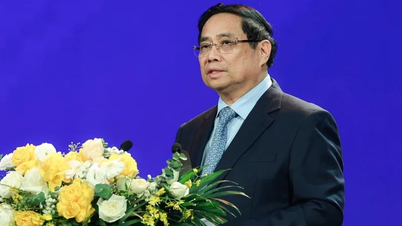
![[Photo] Prime Minister Pham Minh Chinh attends the Conference summarizing and implementing tasks of the judicial sector.](/_next/image?url=https%3A%2F%2Fvphoto.vietnam.vn%2Fthumb%2F1200x675%2Fvietnam%2Fresource%2FIMAGE%2F2025%2F12%2F13%2F1765616082148_dsc-5565-jpg.webp&w=3840&q=75)

























































































Comment (0)