


Average per capita income will reach $8,500 per year.
After the reunification of the country, Ho Chi Minh City's economy faced many difficulties. During the period 1976-1980, the city's GRDP growth was only 2.18% per year, but it subsequently began to develop strongly. Particularly, from 1991 to 2010, Ho Chi Minh City's economic growth averaged double digits, becoming one of the very few localities in the country to achieve double-digit growth for an extended period. The city's per capita GRDP increased from US$700 in 1996 to US$7,600 in 2024. According to the set target, by the end of this year, the city aims to reach US$8,500 per capita. Economic experts consider this a challenging goal, but the city has the potential and opportunity to achieve it.
Dr. Nguyen Quang Thang, Director of the Institute of Economics and Management of Ho Chi Minh City, believes that achieving an income level of up to US$8,500 per year for the city's residents this year would be a significant leap forward compared to the period before 1975. Before 1975, Ho Chi Minh City (then Saigon) had a more developed economy than many other regions in the country, but per capita income, in terms of economic self-reliance, was still low compared to international standards. This strong growth reflects the continuous efforts of Ho Chi Minh City in improving the economy and the lives of its people.
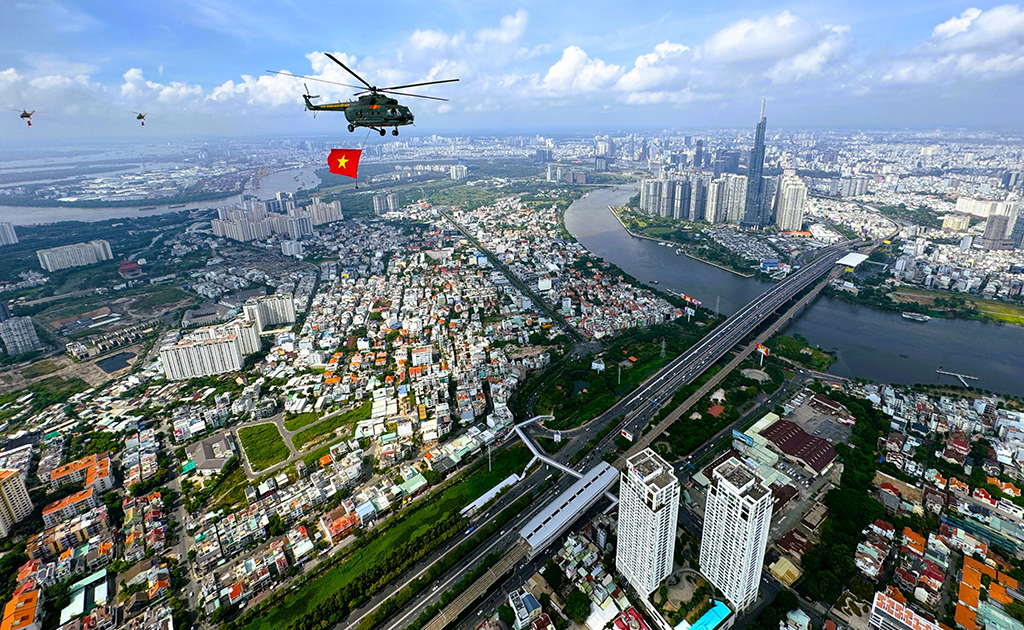
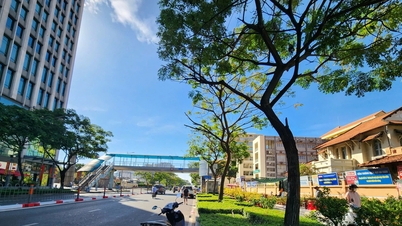
Ho Chi Minh City aims to become a megacity and improve people's incomes.
PHOTO: MAI THANH HAI
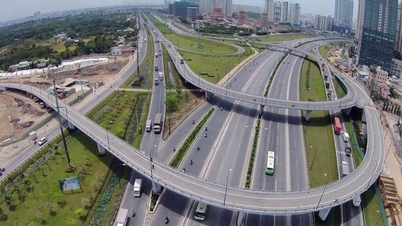
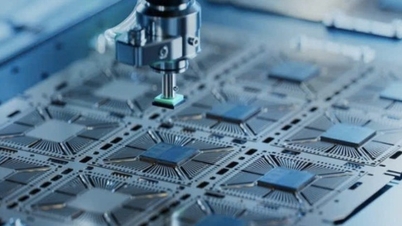
"Some of the main reasons why Ho Chi Minh City has achieved its goal of increasing per capita income are the focus on developing high-tech industries, services, and technology, gradually reducing dependence on agriculture . Large infrastructure projects such as the metro, expressways, and high-tech zones have created favorable conditions for economic development. At the same time, the city has attracted many large-scale foreign direct investment (FDI) projects, especially in high-tech and value-added service sectors. Ho Chi Minh City is an attractive destination for international investors thanks to its improved business environment and preferential policies," Mr. Thang analyzed.
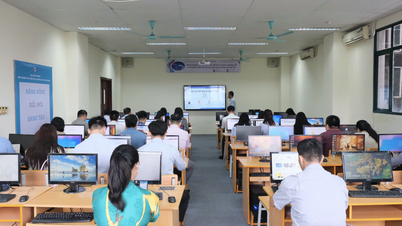
Furthermore, the application of technology and digital transformation has enhanced labor productivity and economic efficiency. The city also has groundbreaking solutions in the tourism sector, such as developing smart tourism and strengthening inter-regional cooperation… These policies not only contribute to economic growth but also lay the foundation for sustainable development in the future.
Towards a megacity
Dr. Do Thien Anh Tuan, from the Fulbright School of Public Policy and Management, analyzed: The merger of Ho Chi Minh City, Binh Duong, and Ba Ria-Vung Tau to form a megacity in the new era is not only about geographical expansion but, more importantly, about creating new strategic opportunities for the city to achieve strong growth rates and increase people's incomes, contributing and leading the country even more. This consolidation helps connect and synergize the strengths of the three localities, with Ho Chi Minh City as a center for finance, technology, and high-end services; Binh Duong with its modern and dynamic industrial production; and Ba Ria-Vung Tau with its advantages in oil and gas, seaports, and international tourism. When combined, the economic scale and market attractiveness of the entire region will skyrocket, becoming a magnet for FDI, multinational corporations, and global innovation initiatives.
One of the most prominent positive impacts of the merger is the significant reduction in logistics costs and increased regional economic efficiency. With localities no longer constrained by separate administrative boundaries, the planning of transportation infrastructure, seaports, airports, industrial zones, and urban areas will be implemented in a synchronized and optimal manner.
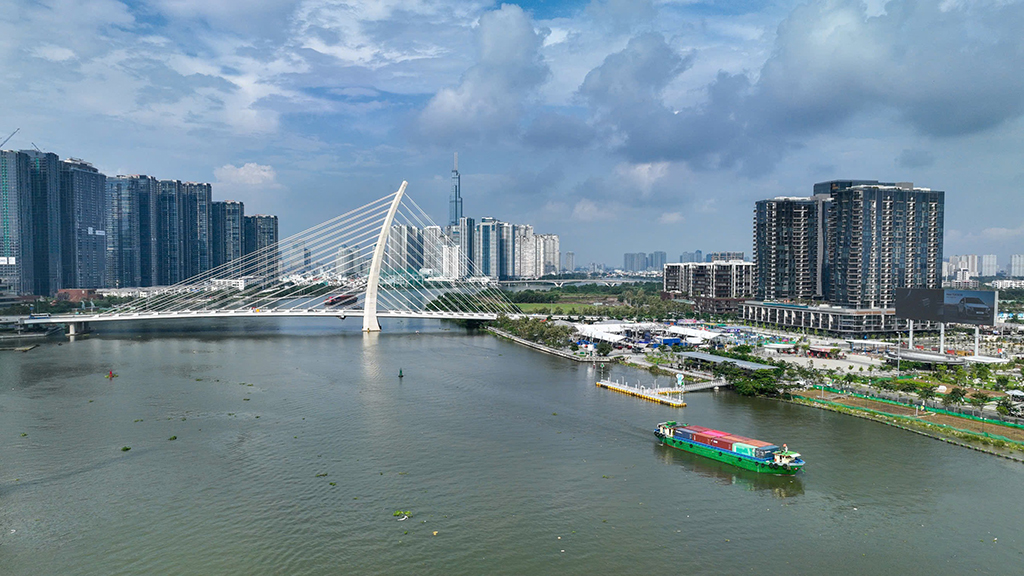
Per capita income in Ho Chi Minh City has increased sharply after 50 years of national reunification.
PHOTO: INDEPENDENT
Simultaneously, the new megacity will possess a large, diverse, and highly skilled workforce. In the digital age, the integrated megacity also has the opportunity to make breakthroughs in technology and smart urban development. With greater financial and human resources, Ho Chi Minh City can boost investment in innovation ecosystems, applying artificial intelligence, big data, automation, and green, sustainable urban platforms.
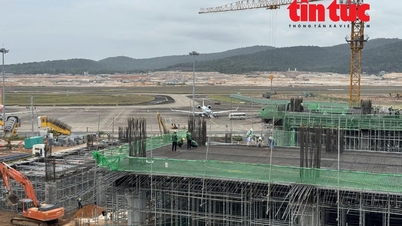
One undeniable advantage is the effective utilization of the existing seaport and international airport system. The seamless connection between Ho Chi Minh City and the Cai Mep-Thi Vai port complex and the future Long Thanh airport will create a large-scale international logistics network, transforming Ho Chi Minh City into a key transit and trade hub in Southeast Asia. Job opportunities in international trade, logistics services, and international tourism will flourish, opening up many avenues for increased income for urban residents.
Ultimately, the formation of megacities reshapes lifestyles and living standards for people. As standards for infrastructure, services, education, healthcare, and entertainment are upgraded to international levels, people will live in a safer, more civilized, and more modern environment. This not only increases nominal income but also improves real income by reducing social costs and enhancing welfare.
However, for these advantages to truly translate into growth drivers and income improvement for the people, strategic efforts, the ability to seize opportunities, and the capacity to overcome significant challenges are required. Dr. Do Thien Anh Tuan emphasized that Ho Chi Minh City needs to focus on five key tasks. These are: firstly, building a unified regional development strategy with a global vision, serving as the foundation for all future development decisions; secondly, investing heavily in transportation infrastructure connecting the region and internationally; thirdly, establishing a smart, interconnected, and efficient urban governance model; fourthly, developing a knowledge-based economy, innovation, and an international financial center; and fifthly, ensuring an improved quality of urban life.
Sharing the same view, Dr. Nguyen Quang Thang believes that after the merger, with its larger scale, Ho Chi Minh City needs to apply a multi-center governance model to allocate resources effectively, reduce the burden on the central area, and ensure balanced development between areas. The city needs to develop a master plan, focusing on the development of specialized areas such as industrial zones, seaports, ecological urban areas, and high-end service zones. This will help optimize development space and minimize overlapping. It is also crucial to accelerate the construction of a transportation system connecting different areas, including ring roads, seaports, airports, and inter-regional metro lines. Synchronized infrastructure will create favorable conditions for trade and economic development.
The opportunity presented by merging three localities to form a megacity is immense, but it won't happen automatically. Success requires a new mindset regarding regional governance, a comprehensive and flexible development strategy, and the proactive and innovative efforts of both the government and the business community and the people. Only by overcoming internal and external challenges can Ho Chi Minh City truly break through to become a global megacity, sustainably improving the income and quality of life for its citizens.
Dr. Do Thien Anh Tuan , Fulbright School of Public Policy and Management
Thanhnien.vn
Source: https://thanhnien.vn/tphcm-huong-den-sieu-do-thi-sieu-thu-nhap-185250428212731218.htm


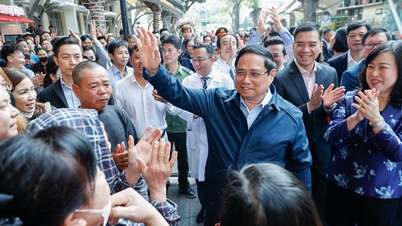
![[Photo] Prime Minister Pham Minh Chinh visits and encourages doctors, nurses and patients.](https://vphoto.vietnam.vn/thumb/1200x675/vietnam/resource/IMAGE/2026/02/16/1771235096645_ndo_br_dsc-3514-jpg.webp)


















































































Comment (0)