

Chili peppers are replacing rice and corn.
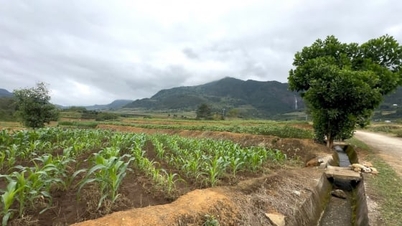
In many areas of Lao Cai province, land previously used for rice and corn cultivation is gradually being converted to growing green chili peppers, a new crop. This change is not only a shift in the agricultural production mindset of the people but also stems from the economic benefits that chili peppers bring. Especially thanks to the linkage model between farmers, cooperatives, and businesses, chili pepper cultivation has opened up a sustainable development direction, increasing income for the people.
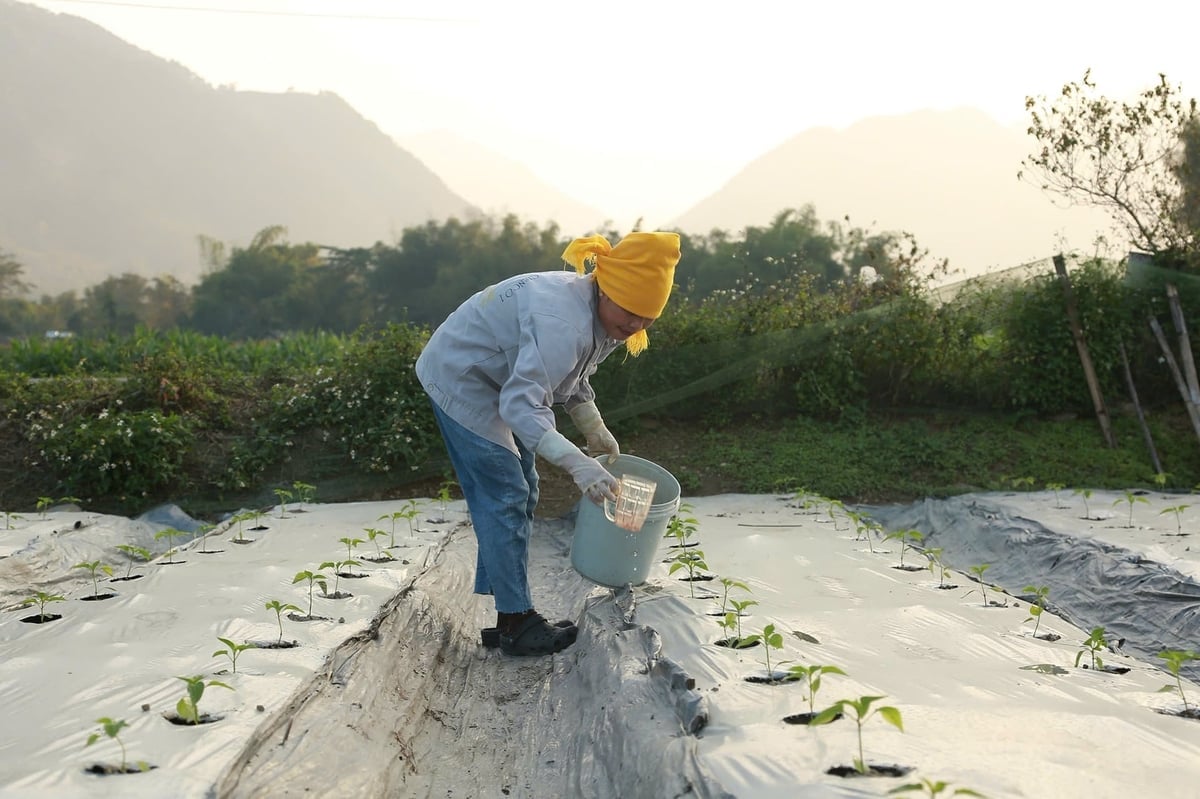
Many households in Cau Thia ward, Lao Cai province, have converted their less productive rice and corn fields to chili pepper cultivation. Photo: Thanh Nga.
This is the chili planting season in many localities, including Cau Thia ward, Lao Cai province. Here, Ms. Hoang Thi Chung has started growing chili peppers on an area of 600 square meters. This is the third year she has boldly switched from traditional crops like rice and corn to chili peppers. The chili pepper farming model is currently yielding high efficiency, helping hundreds of households in the area to have stable incomes and improve their living standards.
Ms. Hoang Thi Chung shared: “With about 600 square meters of land, my family harvests about 5 tons of chili peppers each year. At an average price of 6,000 - 7,000 VND/kg, we earn over 20 million VND in profit after deducting expenses. Chili peppers can be harvested in just over two months, much faster than growing rice or corn.”
The entire chili pepper cultivation process is carried out according to the cooperative's technical guidelines. Farmers are not only provided with sufficient seeds, fertilizers, and pesticides, but also receive technical support throughout the growing process. Importantly, the harvested product is guaranteed to be purchased, giving growers peace of mind and eliminating worries about bumper harvests leading to price drops or having to find markets for their produce on their own.
Ms. Hoang Thi Chung shared: “Growing chili peppers brings much higher economic efficiency than growing rice or corn. Thanks to the cooperative guaranteeing the purchase of our products, we don't have to worry about finding buyers, nor do we have to struggle to take them to the market to sell them by the kilogram like before.”
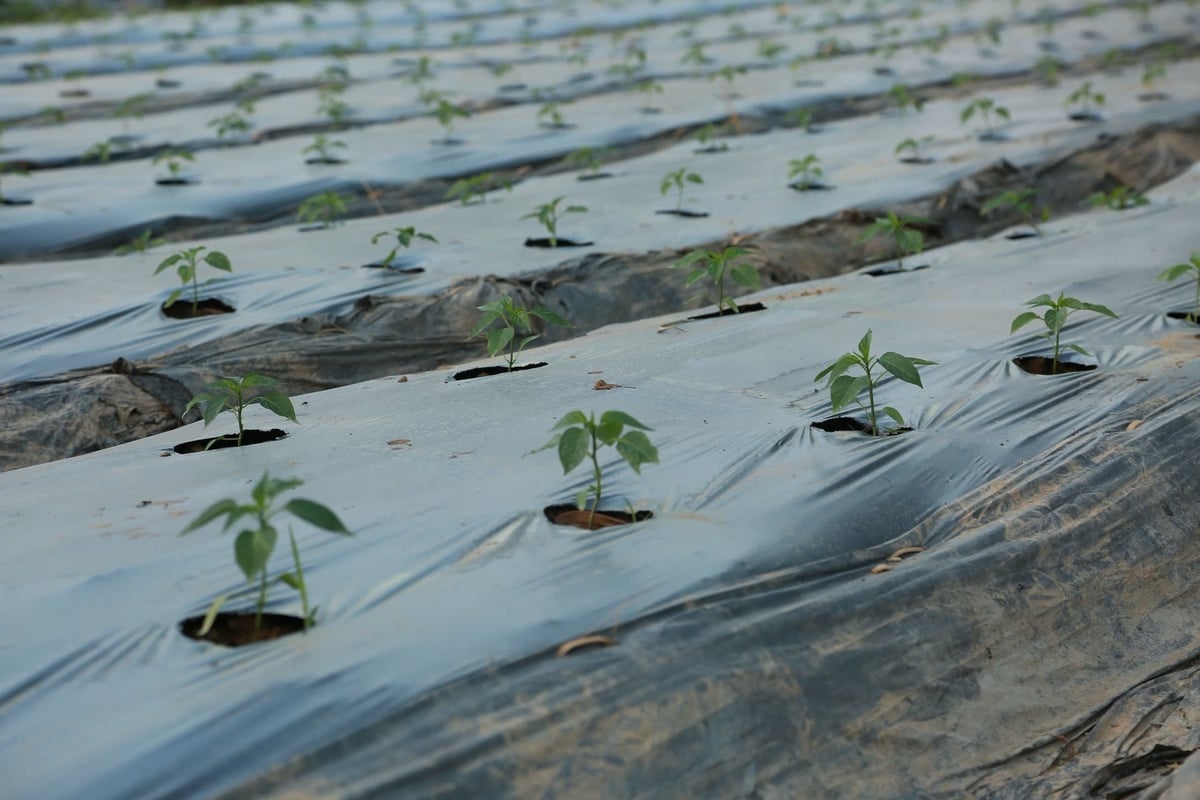
This is the planting season for chili peppers in many localities of Lao Cai province. Photo: Thanh Nga.
It's not just Ms. Chung; the family of Ms. Ha Thi Toan in Cau Thia ward, Lao Cai province, is also earning a high income from crop conversion. Since boldly switching 1,000 square meters of land from corn cultivation to chili pepper cultivation, Ms. Toan's family income has increased significantly. Most recently, she earns about 50 million VND per harvest, with a profit of about 40 million VND after deducting expenses. Ms. Toan shared: "Compared to growing corn, the economic efficiency is much higher; now we no longer want to go back to growing corn."
Besides providing a stable income, chili farming has also significantly improved working conditions for the people. According to Ms. Ha Thi Toan, current farming techniques are much safer and more labor-efficient. Specifically, the cooperative guides people to cover the surface of the beds with tarpaulin to limit weeds and retain soil moisture, thus eliminating the need for herbicides.
The pesticides used are all biological, safe for health, and have a short withdrawal period of only 2 to 3 days, or at most 5 to 7 days before harvesting. The pesticides used for chili plants are environmentally friendly, ensuring safety for both growers and consumers.
Linking together to create export-oriented raw material zones.
Behind the success of chili pepper cultivation in Lao Cai lies the significant role of businesses and cooperatives in building sustainable production chains. The GOC Agricultural Products Export Processing and Production Cooperative is one of the pioneering units in implementing this model, contributing to making chili pepper cultivation a new direction that brings high economic efficiency to the people.
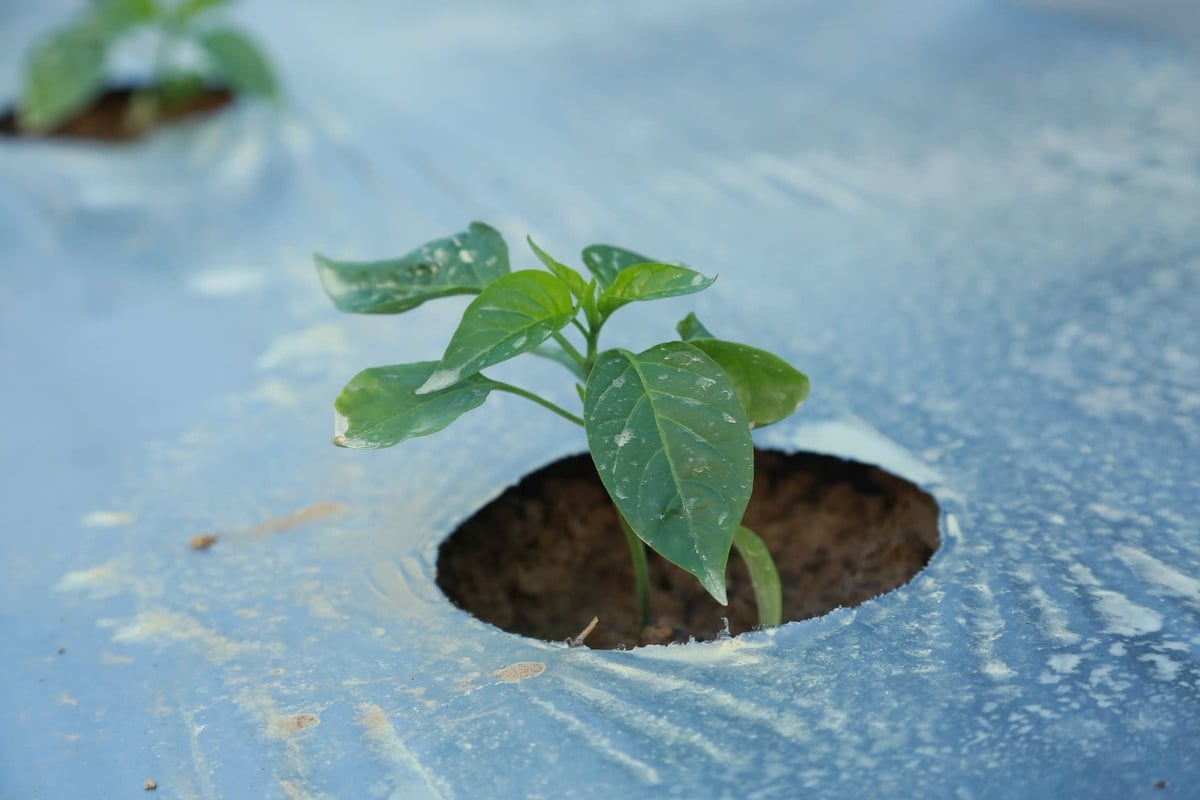
Farmers are guided by the cooperative on cultivation processes to ensure that chili peppers meet food safety standards and protect the health of growers. Photo: Thanh Nga.
Mr. Tran Minh Chien, Chairman of the Board of Directors and Director of GOC Agricultural Production and Processing Export Cooperative, said that the unit is currently collaborating with people in many areas of Lao Cai province to build a stable, high-quality raw material area for export. In Cau Thia ward alone, there are about 300 households participating in the model, and throughout the province, this number ranges from 500 to 600 households linked with cooperatives.
According to Mr. Chien, the chili pepper farming model yields profits 8-10 times higher than rice or corn farming. Importantly, farmers don't need to invest initial capital because they are provided with all the seeds, fertilizers, pesticides, and technical guidance. Investment costs are deducted after harvest, allowing farmers to focus on production without financial pressure.
The chili pepper variety chosen for cultivation is the green variety, known for its high yield and consistent quality, making it suitable for export to demanding markets such as the United States, Japan, and South Korea. However, to meet standards, the cultivation process must be strictly adhered to, especially regarding pesticide residue requirements.
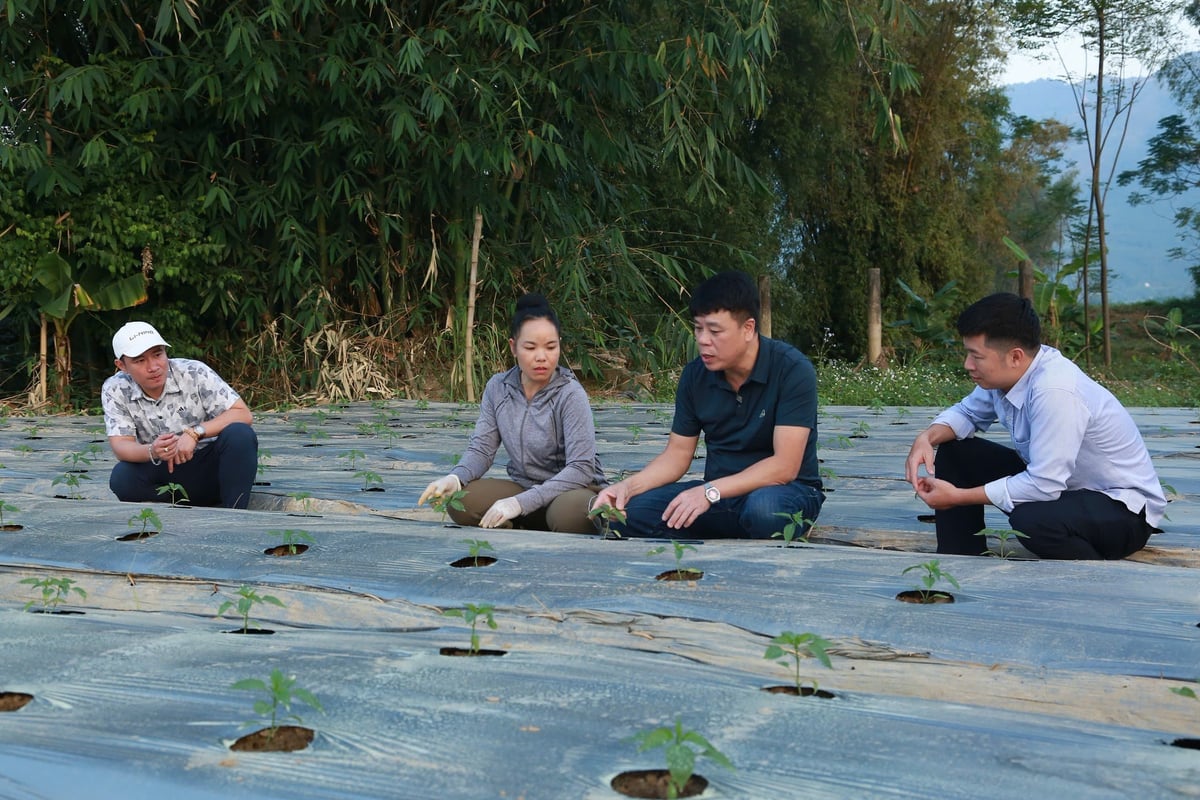
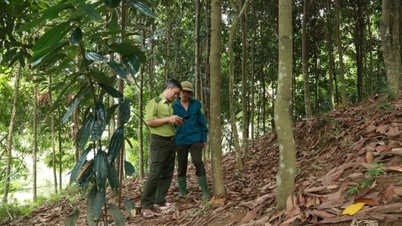
The GOC Agricultural Products Export Production and Processing Cooperative guides people on how to identify pests on chili plants. Photo: Thanh Nga.
The GOC Agricultural Production and Processing Export Cooperative stipulates that no herbicides are used; only biological pesticides with short withdrawal periods are permitted. This not only ensures that products meet food safety standards but also protects the health of growers. The cooperative also directly supplies the pesticides, preventing farmers from purchasing substandard pesticides from the market.
One of the biggest challenges is pest and disease damage to chili plants, especially thrips causing leaf curl. To address this, farmers are instructed to spray preventative pesticides regularly, even when no pests or diseases are detected. After each harvest, spraying continues to protect the plants and ensure yield throughout the season.
Thanks to the linkage model between businesses, cooperatives, and farmers, chili pepper growing areas in Lao Cai are gradually forming, creating a closed value chain from production to consumption. Each hectare of chili peppers yields 6-7 tons, and can even reach 10 tons if well-cared for. This is a very promising figure compared to many other crops.
From a little-noticed secondary crop, chili peppers are gradually gaining an important place in the crop structure of many localities in Lao Cai. This not only helps increase people's income but also opens up a direction for the systematic development of commercial agriculture , meeting the needs of domestic and international markets.
Source: https://nongnghiepmoitruong.vn/trong-ot-xuat-khau-lai-gap-8--10-lan-trong-lua-ngo-d789246.html


![[Image] Central Party Office summarizes work in 2025](/_next/image?url=https%3A%2F%2Fvphoto.vietnam.vn%2Fthumb%2F1200x675%2Fvietnam%2Fresource%2FIMAGE%2F2025%2F12%2F18%2F1766065572073_vptw-hoi-nghi-tong-ket-89-1204-jpg.webp&w=3840&q=75)


































































Comment (0)