

The deadline might be missed…
On January 22nd, the Director-General of the World Health Organization (WHO), Tedros Adhanom Ghebreyesus, expressed concern that many countries around the world might miss the May 2024 deadline to agree on a legally binding “pandemic pact” to ensure a more effective response to future pandemics. Specifically, according to the WHO head, many countries may not be able to fulfill their commitments to combat the pandemic, while several concerning issues remain unresolved.
More than a year ago, in his 2023 year-end message, Director-General Tedros Adhanom Ghebreyesus called on countries to sign a “grand” pandemic agreement to address the gaps in preparedness that had been revealed during the pandemic. The WHO already has binding regulations called the International Health Regulations (2005), which outline the responsibilities of member states when an epidemic could spread to other countries; recommend that the WHO declare a health emergency, as well as measures concerning trade and travel.
However, the WHO believes these regulations are still insufficient to respond to a global pandemic. Therefore, a new treaty to address future global pandemics is essential. “The pandemic agreement is being designed to bridge the gap in global collaboration, cooperation, and equity,” emphasized Tedros Adhanom Ghebreyesus. It is also worth noting that this new treaty is a top priority for WHO Director-General Tedros Adhanom Ghebreyesus during his second five-year term.
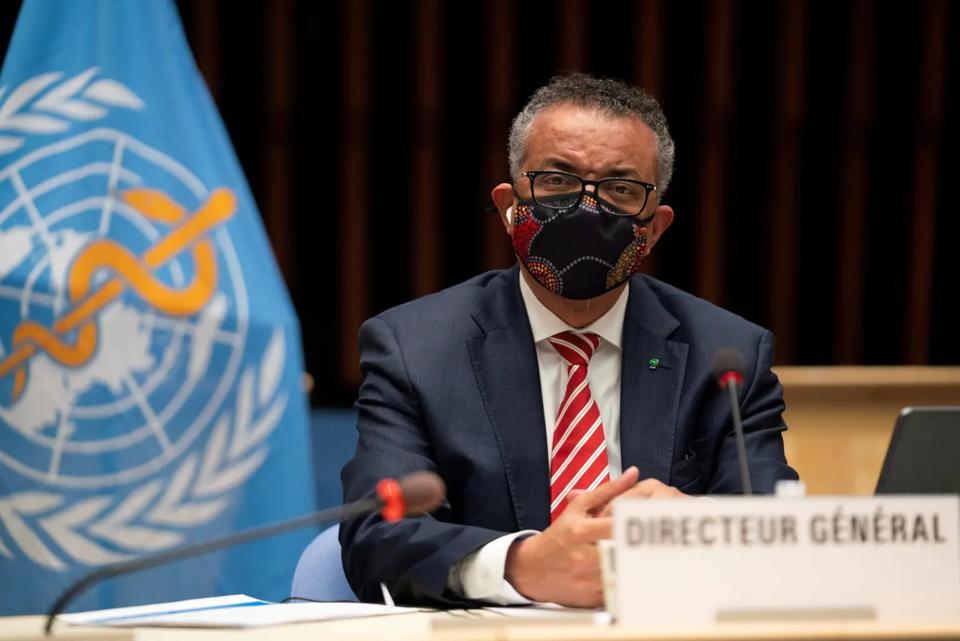
World Health Organization (WHO) Director-General Tedros Ghebreyesus. Photo: New York Post
In fact, the story of a so-called global pandemic treaty has been discussed for a long time. The idea of building an international treaty on pandemics was first put forward by the President of the European Council , Charles Michel, at the G20 summit in November 2020.
According to Michel, this treaty will help ensure equitable access to vaccines, treatments, and diagnostics when a pandemic occurs. Furthermore, in a joint article published on March 29, 2021, world leaders, including the British Prime Minister, the French President, and the German Chancellor, warned that the emergence of a global pandemic is inevitable in the future and that it is time for nations to abandon isolationism and nationalism, and together usher in a new era based on the principles of solidarity and cooperation. Specifically, a treaty similar to the one signed after 1945 is needed to establish cross-border cooperation before the next international health crisis.
According to the leaders, a pandemic response treaty would help countries act responsibly, share responsibility, be transparent, and cooperate within the framework of the international system and adhere to its principles and norms. “There will be other pandemics and other major health emergencies. No single government or multilateral organization can address this threat alone. As leaders of nations and international organizations, we believe it is our responsibility to ensure the world learns lessons from the COVID-19 pandemic,” the leaders stated in a joint communiqué published in the media.
By the end of 2022, member states of the World Health Organization were reportedly negotiating a new international treaty on how to respond to future pandemics, with the goal of having this legally binding agreement adopted by all 194 WHO member states by May 2024. The main objective of this treaty is to enhance the world's ability to respond to future pandemics through better warning systems; data sharing; research; production and distribution of vaccines, treatments, diagnostics, and personal protective equipment.
However, despite its necessity and support, as Director-General Tedros Adhanom noted, the world is in danger of missing out on this treaty again as the May 2024 deadline approaches.
Warnings about an outbreak of "disease X" that could be 20 times more dangerous than COVID-19.
Along with warning about the potential failure of the agreement, the WHO also warned about the outbreak of Disease X – a term coined by the WHO in 2018 to represent the next unknown disease with potential for epidemics. Accordingly, Disease X is not a specific disease but the name of a potential virus similar to COVID-19. It could be a new agent, a virus, bacteria, or fungus – in general, an unidentified pathogen that could cause a serious global epidemic.
According to Professor Lam Sai Kit, one of the scientists who discovered the Nipah virus, the disease is most likely caused by deforestation and wildlife trafficking. Therefore, authorities should strengthen surveillance of this disease. The WHO has now compiled a list of viruses that have the potential to become pathogens causing disease X, which has a higher mortality rate than Covid-19.
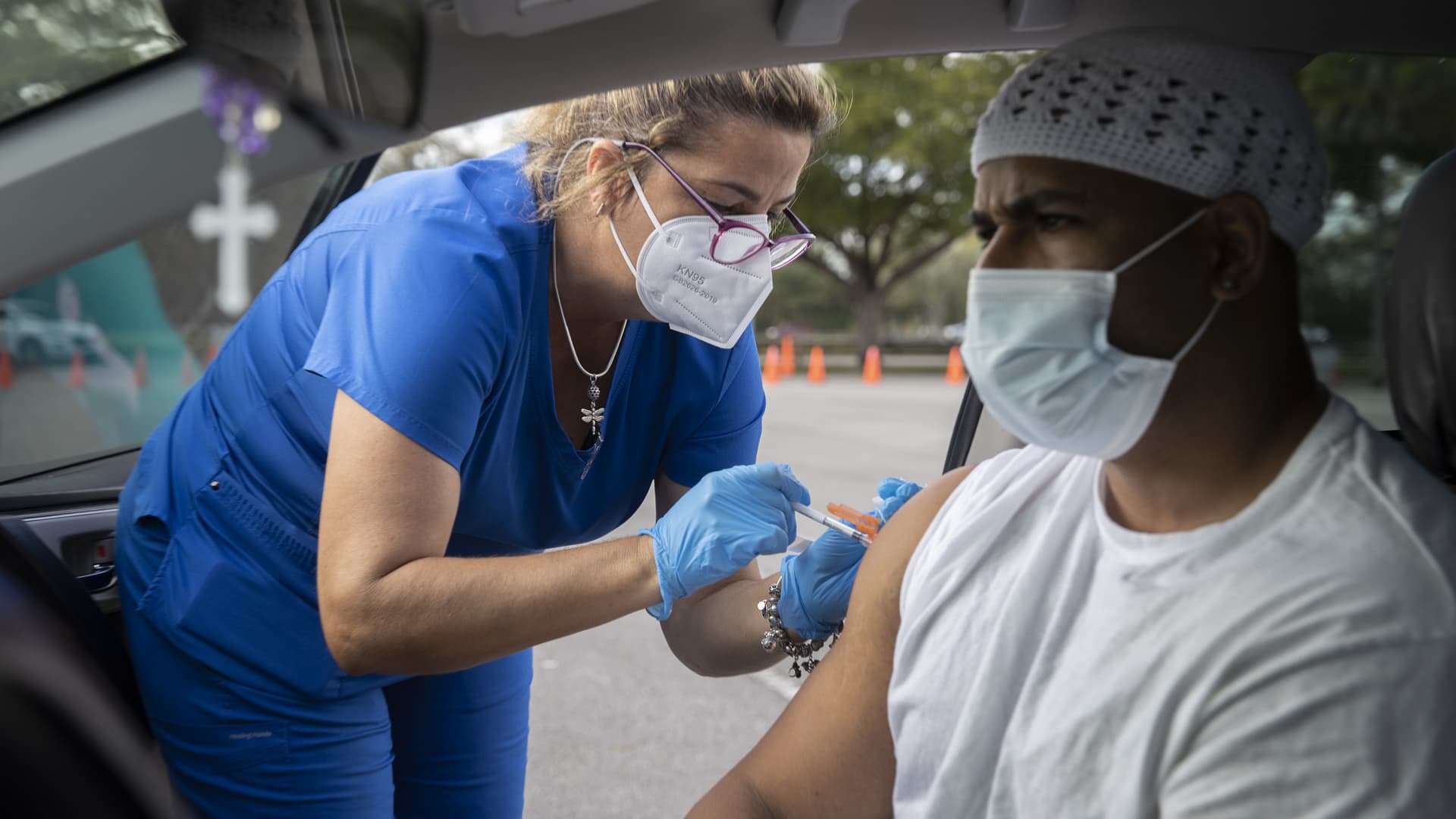
A new wave of Covid-19 is rapidly increasing globally.
Along with warnings about disease X, the WHO has recently issued further warnings about the Covid-19 pandemic. According to the latest WHO report, the world recorded over 1.1 million new Covid-19 cases in the past month, a 4% increase compared to the previous month. Data from Worldometer shows that as of January 23rd, there have been a total of 702.1 million Covid-19 cases and 6.97 million deaths. The WHO warns that the reported figures do not reflect the true infection rate, due to a decrease in testing and reporting globally.
Although COVID-19 is no longer a global health emergency, the virus continues to spread, mutate, and cause many deaths. The WHO Director-General stated: “There is certainly an increase in cases in other countries that is not being reported. Just as governments and individuals take preventative measures against other diseases, we all must continue to take preventative measures against COVID-19.”
“Although 10,000 deaths per month is far lower than the peak of the pandemic, this level of mortality is unacceptable,” warned the WHO Director-General. According to AP, WHO Director-General Tedros Adhanom Ghebreyesus stated that holiday gatherings and a rapidly spreading variant are behind the increase in hospitalizations and deaths from Covid-19 worldwide.
Ha Trang
Source


![[Photo] Prime Minister Pham Minh Chinh attends the inauguration ceremony of the Vietnam Space Center.](https://vphoto.vietnam.vn/thumb/1200x675/vietnam/resource/IMAGE/2026/03/13/1773397068038_ndo_br_dsc-3366-jpg.webp)
























![[Photo] Ho Chi Minh City decorated with flags and flowers ahead of election day.](https://vphoto.vietnam.vn/thumb/1200x675/vietnam/resource/IMAGE/2026/03/13/1773392076518_anh-man-hinh-2026-03-13-luc-15-53-29.png)






















































Comment (0)