

The spirit of filial piety and the Vu Lan festival is spreading more and more. It's not just within individuals and families; many groups and social organizations are also spreading this spirit and working together to express gratitude. Without a kind heart and good deeds, even the most elaborate feasts or burning of paper money are useless.
A holiday celebrating our roots.
The Vu Lan Festival originates from the story of Mục Kiền Liên rescuing his mother. In that story, the Buddha taught that on the 15th day of the seventh lunar month, monks should be invited to perform a ceremony. Mục Kiền Liên followed this instruction and helped his mother escape the realm of hungry ghosts. Since then, every Vu Lan season, Mục Kiền Liên would hold a ceremony to dedicate merit to his parents, express gratitude to the monks, and pray for the souls of the deceased to be freed from suffering. The Vu Lan Festival was born from this and has become a symbol of filial piety and gratitude.
The spirit of filial piety during the Vu Lan festival in Vietnam not only reminds us of the importance of showing gratitude to our parents, but also encompasses the meaning of returning to our roots to express our appreciation and repay kindness. This idea aligns with the Vietnamese mindset and moral principles of remembering our origins and repaying kindness. During this season of filial piety, people return to their roots, showing respect and reverence to their grandparents and ancestors.
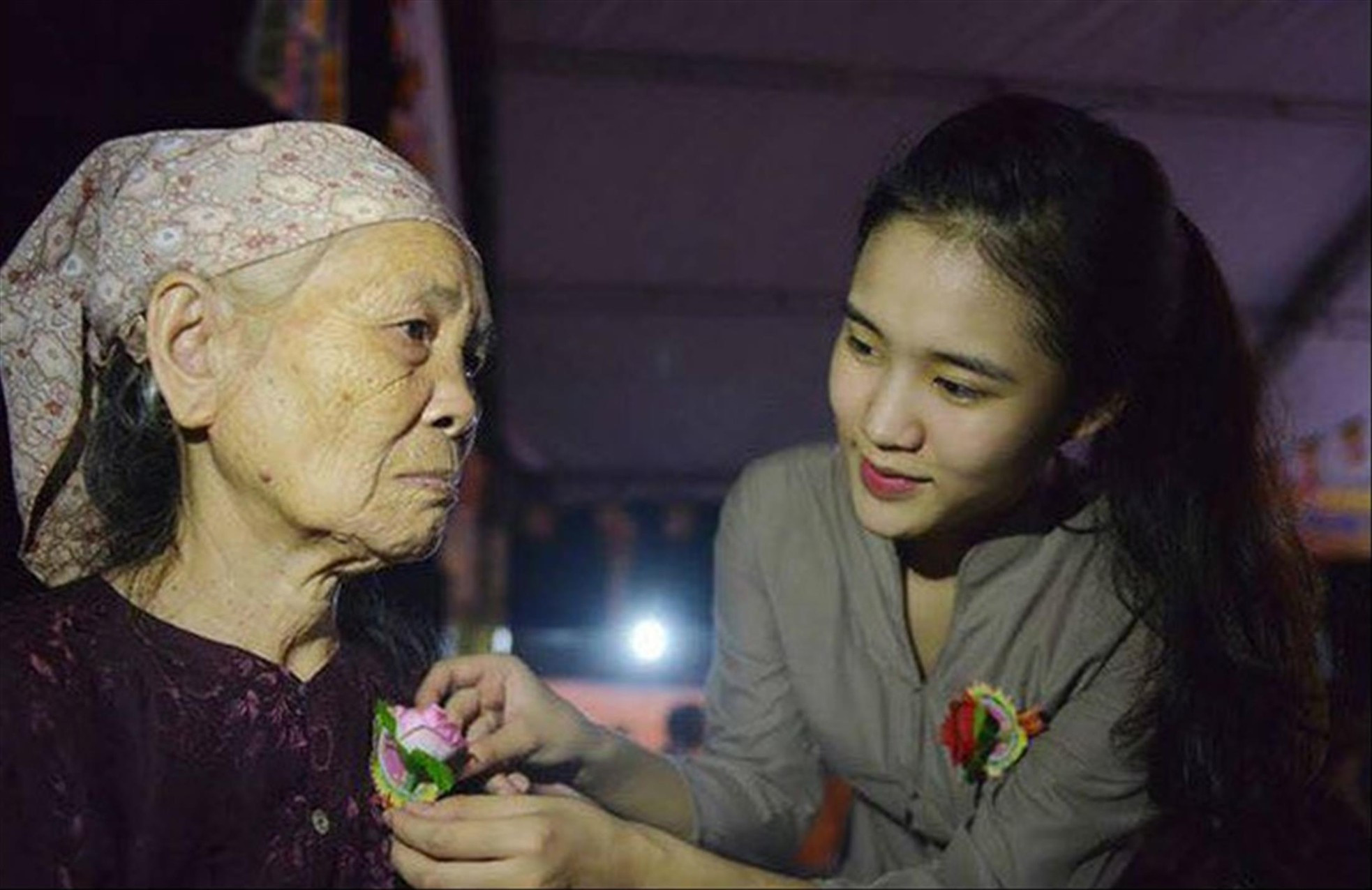
Venerable Thich Gia Quang, Vice Chairman of the Executive Council of the Vietnam Buddhist Sangha (VBS) and Head of the Central Information and Communication Committee of the VBS, affirmed that the three most important cultural pillars in Vietnam are the family, the village community, and the nation. The virtues of gratitude and filial piety in Buddhism create the glue that binds these pillars together. “Filial piety has always been a beautiful moral value, the foundation for all development in life. The Vu Lan Festival is not simply a sacred religious festival, but also a festival of human compassion with special meaning, guiding each person back to their national roots, back to the principle of remembering one's origins,” Venerable Thich Gia Quang affirmed.
In recent years, during the Vu Lan festival (a Buddhist festival honoring parents), the Vietnam Buddhist Sangha has called for avoiding the collection of money for offerings in the form of spiritual services, and refraining from performing rituals that are inconsistent with Buddhist teachings and traditional ceremonies. Burning votive paper. The announcement from the Vietnam Buddhist Sangha regarding the organization of the 2024 Vu Lan Festival encourages everyone to perform practical charitable acts, helping those in difficult circumstances to transform them into good karma in filial piety towards ancestors and parents.
Many temples and monastic institutions are restricting, and eventually eliminating, the burning of votive paper. From July 1, 2024, historical sites in Con Dao district (Ba Ria - Vung Tau province) implemented a policy of "Saying no to the burning of votive paper." For many years, the management board of Tay Ho Temple has restricted the burning of votive paper. Each visitor to the temple is encouraged to light one incense stick. The Ministry of Culture, Sports and Tourism also provides guidance on the management and organization of religious festivals in accordance with the law, ensuring security, order, safety, and economy, in line with the civilized lifestyle, traditions, and good culture, customs, and practices of the nation.
Think positively, live beautifully, and delve into depth.
According to folk beliefs about the seventh lunar month's full moon and the atonement for the deceased, many families choose to buy miniature houses, cars, and paper money for the afterlife to burn as offerings to the departed, viewing it as a way to show filial piety. Many families invest tens of millions of dong in purchasing offerings and preparing elaborate feasts for the ceremony. This contradicts Buddhist teachings and spirit. In reality, the value and spirit of the Vu Lan festival (a Buddhist festival honoring parents) do not lie in lavish feasts or burning large amounts of paper money.
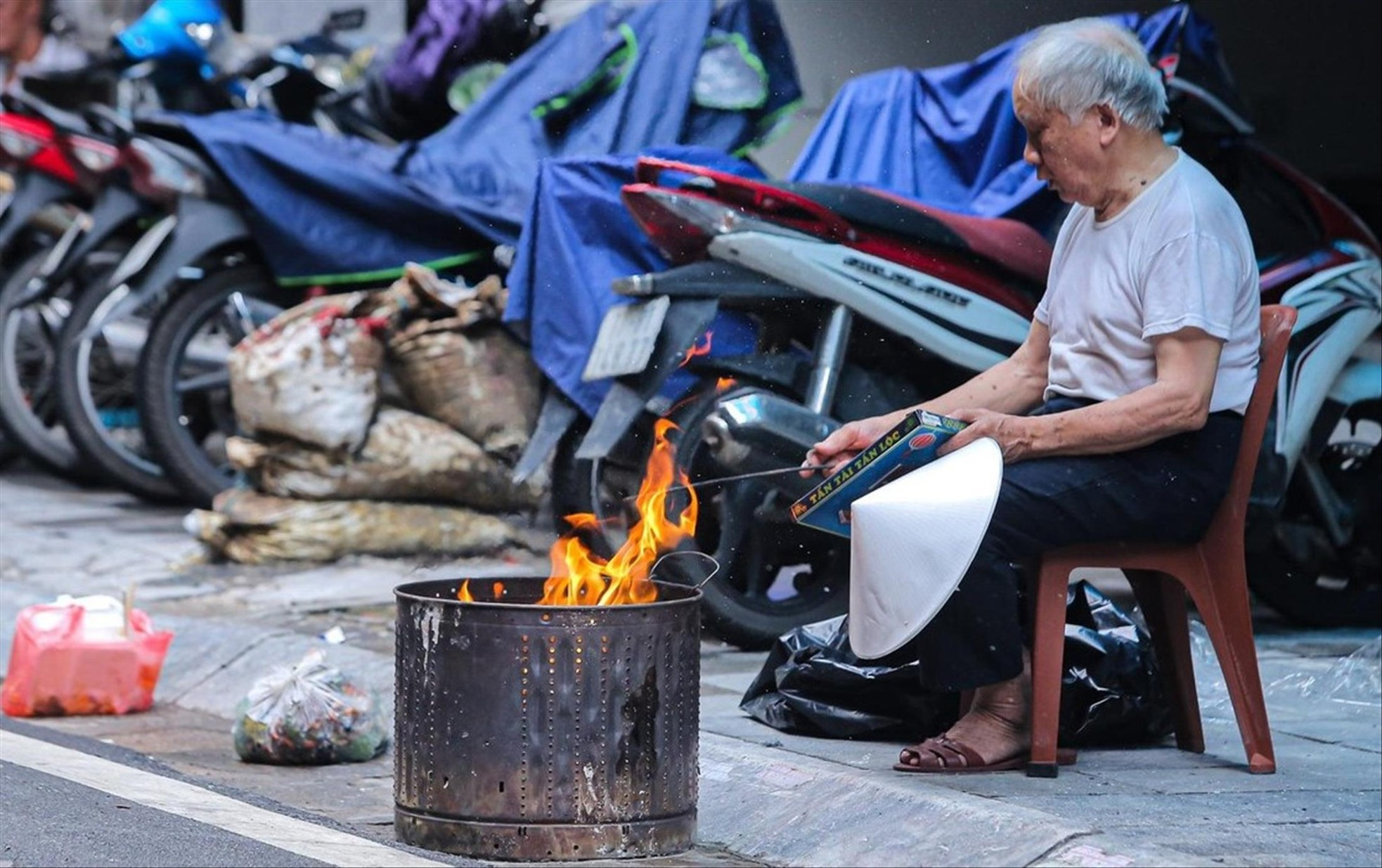
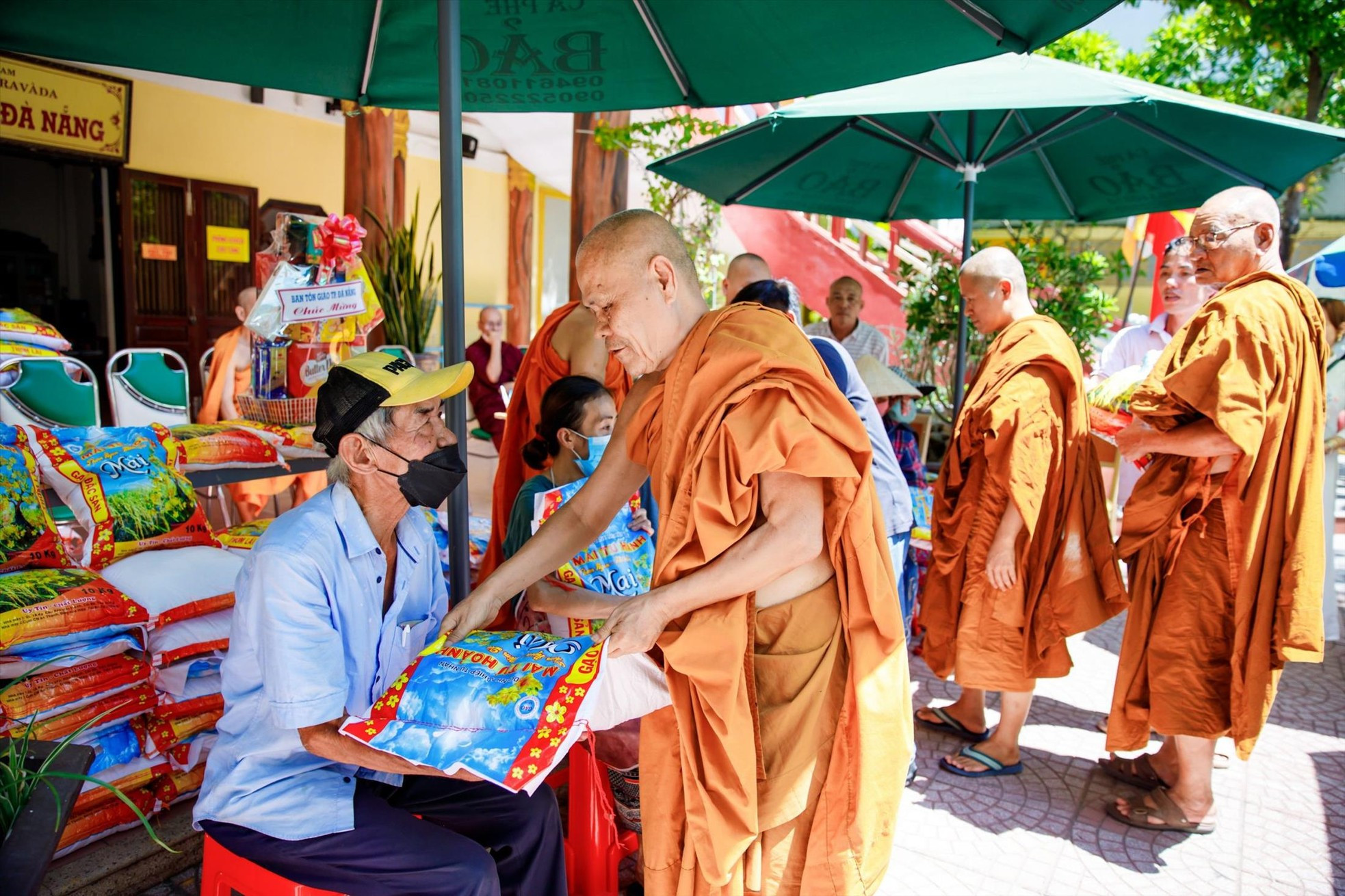
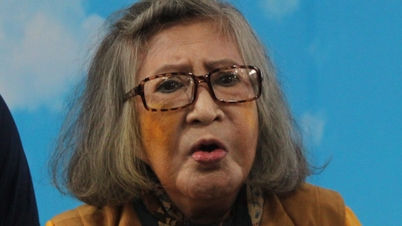
Associate Professor Pham Ngoc Trung, former Head of the Department of Culture and Development (Academy of Journalism and Communication), affirmed that the Party and State respect freedom of religion but encourage people to be thrifty and adopt a modern, civilized lifestyle. “The Vu Lan festival, a celebration of filial piety, reflects the cultural exchange between Buddhist beliefs and Vietnamese folk beliefs. In recent years, many people have made significant progress in their understanding of the Vu Lan season. Instead of focusing heavily on the rituals of worship and burning votive paper, charitable activities and acts of gratitude are becoming more profound and widespread,” said Associate Professor Pham Ngoc Trung.
In reality, the spirit of Buddhism doesn't involve elaborate rituals or expensive offerings. Acts of charity stemming from the heart are welcomed. Sometimes, just a bowl of water or a sprig of flowers can demonstrate sincerity. According to the Buddha's teachings, there are various ways to express gratitude and respect. Buddhists often perform offerings, prayers for the deceased, charitable acts, and releasing animals to accumulate merit, pray for peace, wish for their parents to have increased blessings and longevity, and resolve karmic obstacles…
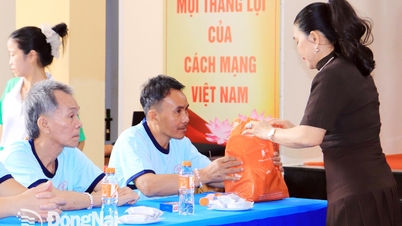
Many people express their gratitude through charitable activities, visiting the graves of martyrs, giving gifts to families who contributed to the revolution, or helping those in difficult circumstances. Associate Professor Pham Ngoc Trung believes that the most meaningful act is living ethically, thinking positively, and being ready to contribute to society. “The spirit of filial piety during the Vu Lan festival is increasingly expanding. Not only within individuals and families, but also many groups and social organizations are spreading and encouraging each other to perform acts of gratitude,” the expert stated.
Associate Professor Bui Hoai Son, Standing Member of the National Assembly's Committee on Culture and Education, affirmed that many propaganda measures are needed to minimize the burning of votive paper – a distorted belief stemming from the idea that "what happens in the earthly world is reflected in the afterlife," causing environmental pollution and waste. One of the causes of this superstition and distortion is believed to be the lack of understanding of religion and beliefs among a segment of the population.
He argued that people burning large quantities of votive paper money is not only due to traditional habits but also to the herd mentality and social pressure. In some cases, participation in activities like burning votive paper money is driven by social pressure or comparison and imitation. The money spent on buying and burning votive paper money, chasing after superstitious practices, could be used to visit and give gifts to meritorious individuals or to do good deeds, adding meaning to the Vu Lan festival. Without a kind heart and good deeds, even the most elaborate offerings or the burning of excessive amounts of paper money are useless.
Source
![[Photo] “Red Journey” 2026: Vietnamese Youth Continue Building the Bridge of Friendship Between Vietnam and China](https://vphoto.vietnam.vn/thumb/1200x675/vietnam/resource/IMAGE/2026/04/20/1776629730866_4055880775670638308-9618-4200-jpg.webp)
















































Comment (0)