


The village has several hundred houses. The inhabitants are simple, unpretentious people, whose lives are closely tied to the fields, to rice, potatoes, pigs, and chickens. In recent years, the village has changed a lot, from the landscape and houses to the daily lives of everyone. Houses are built close together, the roads are widened and smooth. People's lives are more prosperous. Every household has enough to eat and save, and the end of the year, leading up to Tet (Lunar New Year), is more bustling, without the heavy burden of worries as before. However, on ordinary days, the village is quiet. Young men go to work in factories and enterprises, children go to school, women go to the fields, and only the elderly wander aimlessly in and out of the houses. The alleys are deserted. In the evening, the village is shrouded in silence.
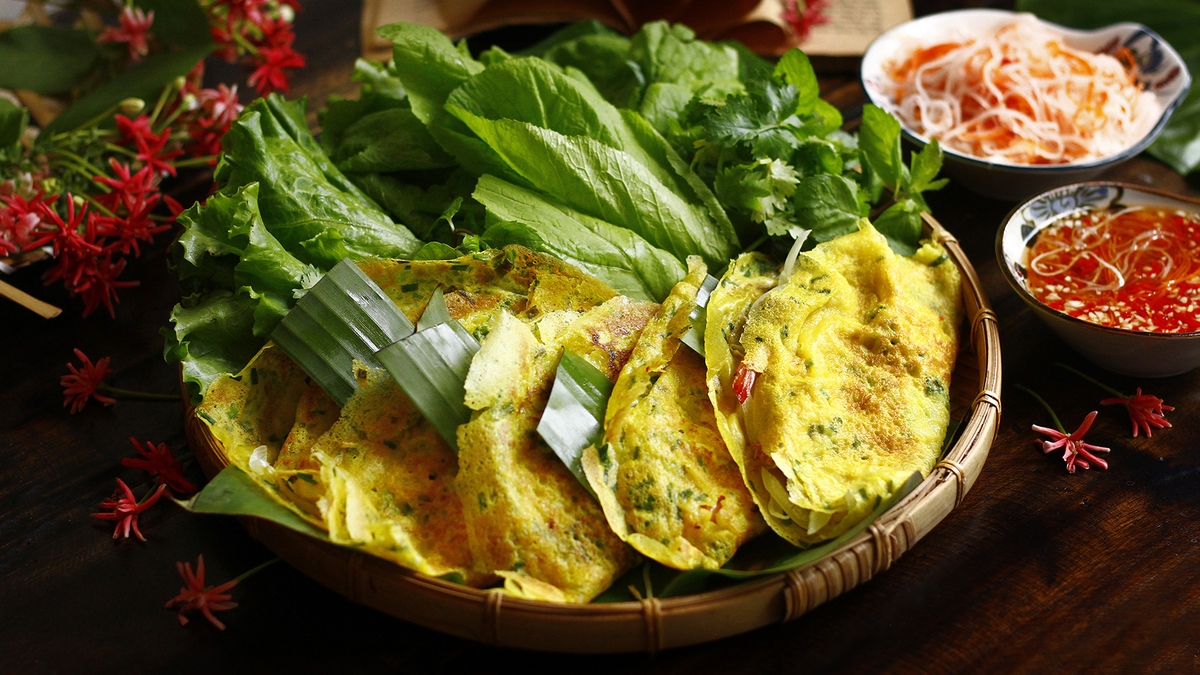
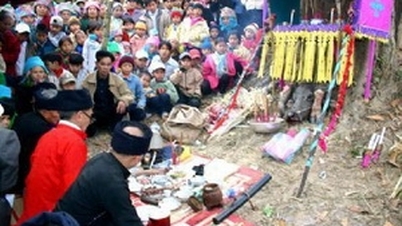
The village, with its quiet and somewhat deserted atmosphere, quietly passed by day after day. Yet, when someone had a special occasion or during the end of the year, the village became lively and bustling. At the end of the year, near the Lunar New Year, those working far away would return to the village, carrying their belongings, making the atmosphere warmer and filling people's hearts with anticipation. The elderly would stand at the gate, anxiously waiting for their children and grandchildren to return. Children would excitedly play, chatting about the holiday, showing off their new clothes and purchases. Young men and women would dress up, laughing and joking, amidst the noisy traffic and the rustling sound of sweeping the streets. Each household would send someone to help clean and tidy the village lanes and decorate the village entrance with flower pots and flashing lights. The village communal house, temples, and pagodas would be renovated and beautified. People would go to the market to buy banana leaves, sticky rice, and sweets; the stalls would be crowded. The market would be bustling with people, goods, fruits, and pastries overflowing, a lively scene of buyers and sellers. At the end of the year, with weddings, ancestral worship ceremonies, house construction, ancestral tomb renovations, and preparations for Tet (Lunar New Year), every household is busy. Families are bustling with cleaning, decorating, arranging, wiping tables and chairs, polishing furniture, preparing dishes to entertain guests, and making plans to visit each other in the first days of the new year. In the fields, people are busy harvesting winter crops, clearing embankments and preparing for spring rice planting. The atmosphere is one of hurried labor, with cheerful laughter and conversation carried on the breeze, creating a lively and vibrant scene.
The end of the year always brings mixed emotions, a blend of hustle and bustle and tranquility. The rush comes from the need to finish work and studies on time. The tranquility comes from a moment of quiet reflection, a time to pause and think about what has passed, what has been lost, and what remains. It seems everyone needs a moment to slow down, to contemplate life's journey, to feel more compassionate, forgiving, and loving towards life and people, to find a peaceful moment amidst the chaos of life. The end of the year is also a time for love. No matter how busy, people try to return home to their families, to clean the house together, prepare a family meal, or simply sit together and reminisce. Words of inquiry, handshakes, laughter – all seem to dispel the cold, bringing warmth to a year drawing to a close. Those far from home, whether driven by work, chasing fame and fortune, or struggling to make a living, long to return to their hometown these days. Their hearts soften, opening up to a vast expanse filled with intense nostalgia and the anticipation of returning to reunite with family. That's what homeland is like: always brimming with longing, overflowing with love, containing the simple yet precious bonds of community – "helping each other in times of need," always brimming with the voices of old memories, and extending its arms to welcome its children home.
At the end of the year, excitement fills the villages and hamlets. People visit each other's homes, chatting, helping, and sharing joys and sorrows. Whenever someone has an event or occasion, the whole neighborhood pitches in to help, both materially and spiritually. Many neighborhoods organize year-end parties for everyone to meet, reminisce, and share their joys and sorrows of the year, to better understand each other's circumstances. Thanks to this, relationships are strengthened, everyone is more forgiving and caring towards each other, united like brothers and sisters, making the villages and hamlets lively and cheerful. The open space, fresh air, and strong, affectionate neighborly bonds become even more enduring.
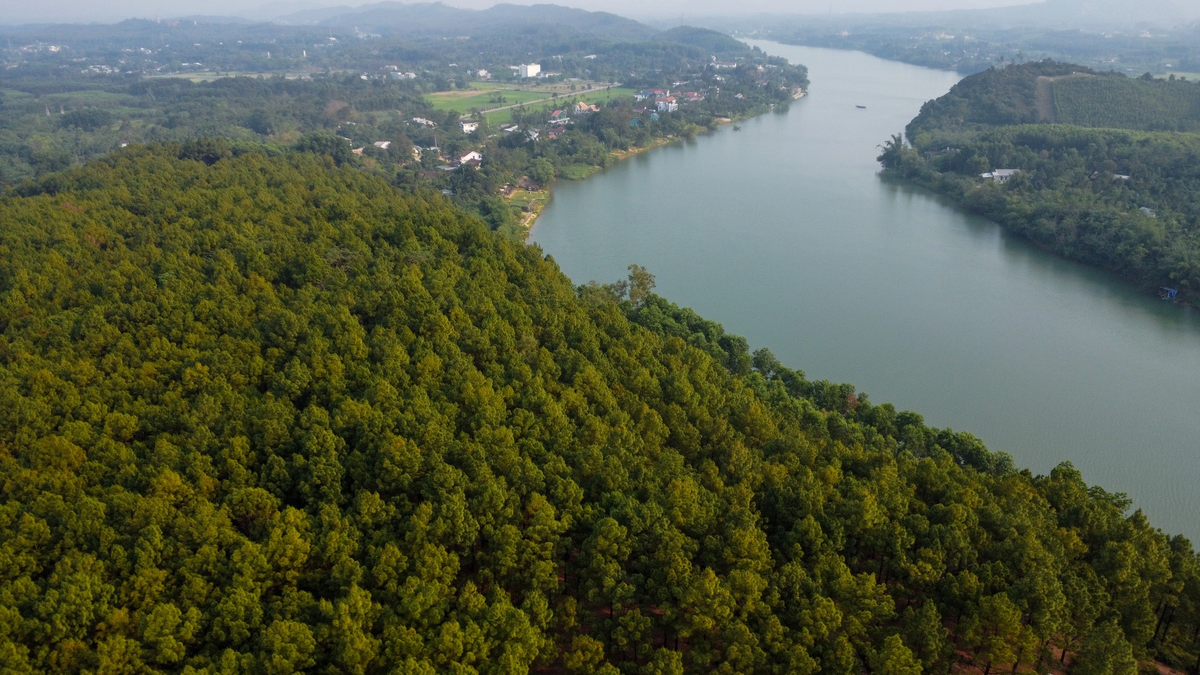
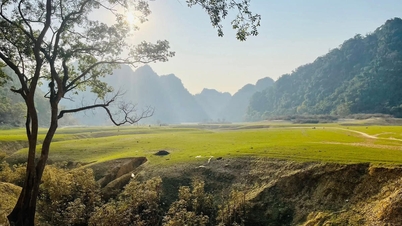
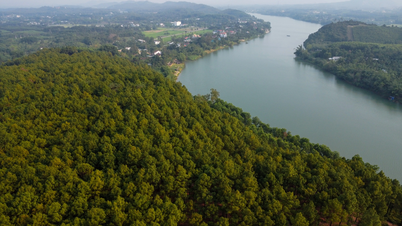
My beloved homeland, a place of fragrant meadows, green fields, and sweet fruits. No matter who I am, what I do, or where I am, my heart always yearns for my homeland, for my roots. I long to embrace the familiar scenes of my childhood, like the fields, the riverbanks, or the rustling bamboo groves in the wind. Nowhere is as peaceful and full of affection as my birthplace. No matter how much life changes, how busy and hectic it becomes, no matter how much modern life develops, the warmth of the people in my hometown, the camaraderie of my community, the simple and honest way of behaving, the love for my homeland and village – these cultural values of the countryside – remain beautiful aspects that everyone wants to preserve and cultivate. And the end of the year is always the warmest time, strengthening the bonds of human connection and love for my homeland.
Source: https://baohungyen.vn/xom-lang-cuoi-nam-3191337.html

























































Comment (0)