

Recognizing the first warning signs of food poisoning, such as abdominal pain, diarrhea, nausea, and fatigue, will help you seek timely medical attention.
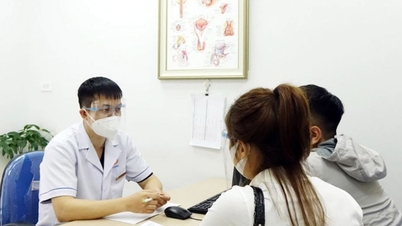
According to Dr. Vu Truong Khanh (Head of the Gastroenterology Department, Tam Anh General Hospital , Hanoi ), food poisoning occurs when a person consumes food contaminated with infectious bacteria. During hot summer months, improper food storage can cause food to spoil easily, creating favorable conditions for bacteria, viruses, and parasites to thrive. The signs and timing of symptoms of food poisoning can vary depending on the causative bacteria. However, you can recognize the common early signs of food poisoning to take timely care of yourself and recover quickly.
Stomach-ache
People with food poisoning initially often experience abdominal pain. Harmful toxins irritate the stomach lining, causing abdominal pain and cramping as the abdominal muscles work to expel foreign organisms. According to Dr. Khanh, abdominal pain and cramping in the upper abdomen can be due to poisoning, but it can also be caused by acute inflammation of the stomach and intestines.
When eating undercooked foods such as sliced meat, pudding, cakes, or sandwiches that are not hygienically prepared, you may experience food poisoning due to E. coli, Campylobacter, Staphylococcus, Shigella, etc. Symptoms such as abdominal pain, nausea, and stomach cramps usually appear 30 minutes to 8 hours after eating.

Stomach pain is one of the common symptoms of food poisoning. (Image: Freepik)
Diarrhea
Watery diarrhea and loose stools occur within about 24 hours of food poisoning. Diarrhea symptoms are often accompanied by a feeling of urgency to defecate, bloating, or abdominal cramps. However, diarrhea can also occur due to inflammation that impairs the intestines' ability to absorb water and fluids.
Eating certain shellfish, especially oysters, raw can expose you to Vibrio bacteria within 24 hours. Typical initial symptoms include watery diarrhea, nausea, and vomiting. Those with severe poisoning often experience fever, chills, and stomach cramps.
Meat, poultry, broths, and foods cooked in large batches and stored at unsafe temperatures can cause food poisoning due to the presence of Campylobacter and Clostridium perfringens bacteria. Initial symptoms include diarrhea, stomach cramps lasting less than 24 hours, and vomiting.
When consuming raw fruits or vegetables, or herbs contaminated with cyclospora, patients may experience symptoms such as watery diarrhea, loss of appetite, weight loss, bloating, nausea, and fatigue for about a week.
Nausea, vomiting
According to Dr. Khanh, nausea and vomiting are common reactions that occur when the body tries to expel microorganisms and toxins. Many people with food poisoning may vomit continuously for several days. You should replenish electrolytes and drink fruit juice to avoid dehydration when you have food poisoning.
Raw or undercooked chicken, meat, eggs, milk, unpasteurized fruit juices, raw fruits and vegetables... can cause food poisoning if they contain salmonella bacteria. Initial symptoms usually appear within 6 hours to 6 days and include diarrhea (possibly bloody), fever, nausea, vomiting, and stomach cramps.
Headache
Headaches are a fairly common symptom. Headaches can be caused by stress, alcohol, dehydration, or fatigue, but they can also be due to food poisoning. People with food poisoning who experience vomiting and diarrhea are at increased risk of headaches due to dehydration.
Norovirus can be found in leafy green vegetables, fresh fruit, shellfish (raw oysters), contaminated water, and surfaces contaminated with the virus. People infected with norovirus may experience headaches, body aches, diarrhea, nausea, vomiting, and abdominal pain. Symptoms usually last from 12 to 48 hours.
Fatigue, muscle weakness
Food poisoning often causes loss of appetite and fatigue because the immune system reacts to the infection. The body releases cytokines to fight the infection.
Canned or fermented foods, homemade alcoholic beverages, etc., can cause food poisoning if contaminated with Clostridium botulinum (botulism). Patients may experience initial symptoms such as muscle weakness, blurred vision, drooping eyelids, slurred speech, and difficulty swallowing. These initial symptoms can worsen within 18-36 hours.
In addition, the common pathogenic bacterium E. coli can be found in raw or undercooked beef, milk, unpasteurized fruit juices, raw vegetables, and contaminated water. Initial symptoms are similar to food poisoning caused by other bacteria. Dr. Khanh stated that approximately 5-10% of people diagnosed with E. coli infection may develop severe symptoms and life-threatening complications.
Food is often contaminated with bacteria such as campylobacter, salmonella, E. coli, etc. Food poisoning is usually not serious. Most people who eat contaminated food will recover within a few days and do not need treatment. If the initial symptoms do not improve and are accompanied by vomiting, rapid heartbeat, sunken eyes, decreased or no urination, bloody diarrhea, or high fever, you need to see a doctor for timely diagnosis and treatment to avoid dangerous complications.
Emerald
Source link
![[Photo] Admire the coral "masterpiece" amidst the million-year-old heritage of Dak Lak province.](https://vphoto.vietnam.vn/thumb/1200x675/vietnam/resource/IMAGE/2026/05/31/1780221235105_anh-man-hinh-2026-05-31-luc-16-53-27.png)
![[Photo] The General Secretary, President and his wife begin their state visit to the Philippines.](https://vphoto.vietnam.vn/thumb/1200x675/vietnam/resource/IMAGE/2026/05/31/1780230559452_anh-man-hinh-2026-05-31-luc-19-28-11.png)

![[Image] Hanoi Police officially crowned champions of V-League 2025/2026](https://vphoto.vietnam.vn/thumb/1200x675/vietnam/resource/IMAGE/2026/05/31/1780244769054_ndo_br_039d561b692be875b13a-jpg.webp)

![[Photo] Solemn bathing ceremony and Buddha procession in Hue](https://vphoto.vietnam.vn/thumb/1200x675/vietnam/resource/IMAGE/2026/05/31/1780228263543_1-jpg.webp)


















![[Video] Sunset at Lap An Lagoon – Where the sun sets over the fishing nets](https://vphoto.vietnam.vn/thumb/340x192/vietnam/resource/IMAGE/2026/05/31/1780192137701_beach-landscape-sea-water-nature-grass-745871-pxhere-com.jpeg)








































































Comment (0)