

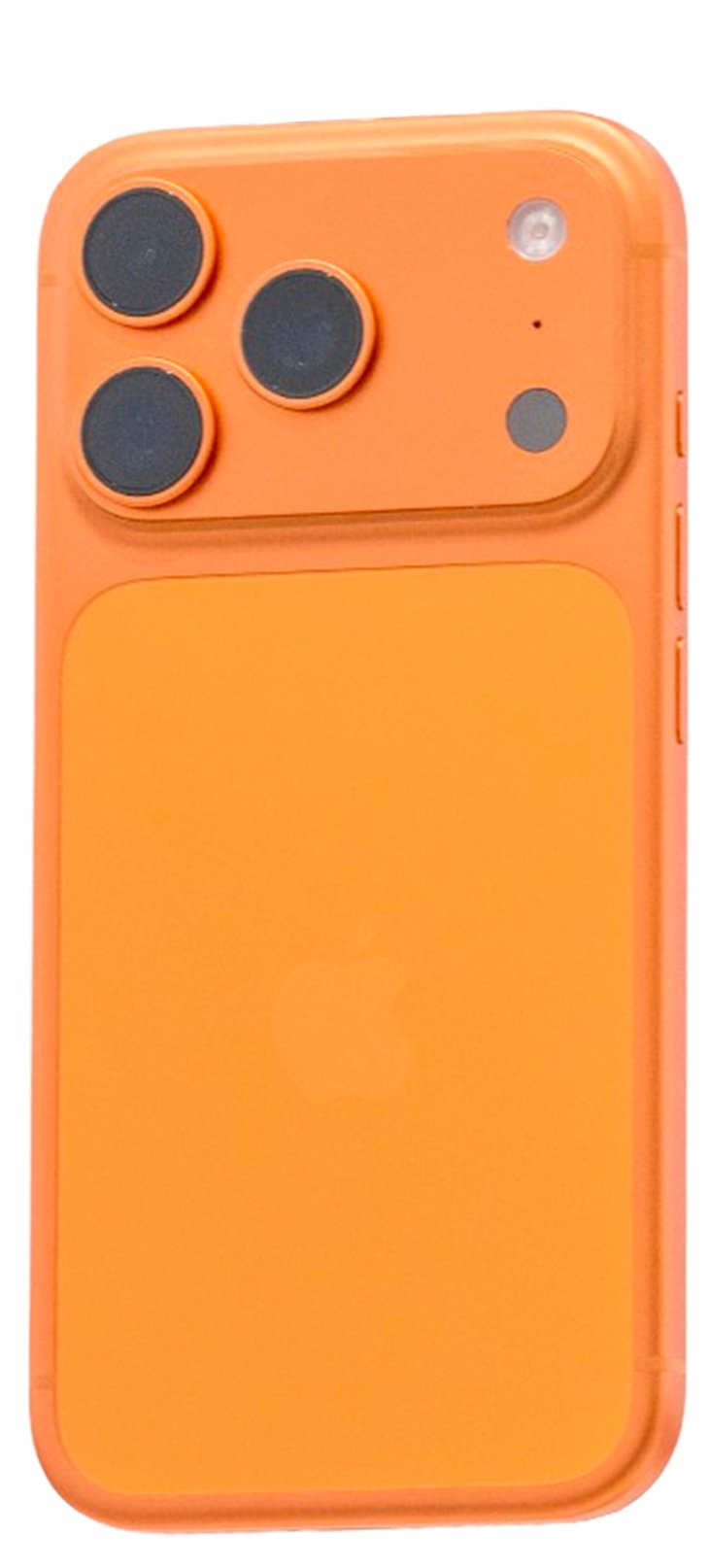
The iPhone 17 Pro has a completely new design, but still lacks groundbreaking AI features - Photo: AFP
In the early hours of September 10th (Vietnam time), Apple unveiled the iPhone 17 generation with four products: iPhone 17, Air, 17 Pro, and 17 Pro Max.
Amidst the bustling atmosphere and many new developments, the "ghost" of the "fallen empire" of Nokia still looms large, because Apple has barely mentioned artificial intelligence (AI) - a trend shaping the future of the technology industry.
Technological breakthrough
The most important highlight of this year is the iPhone Air – Apple's first slim and lightweight iPhone. This new smartphone is only 5.6mm thick. This is a new record, thinner than its competitor, the Samsung Galaxy Edge, which attracted attention earlier this year.
The iPhone Air marked the first time Apple launched a completely redesigned smartphone line since the iPhone X in 2017. What caught the attention of the tech world wasn't the actual demand for ultra-thin smartphones, but rather the technical breakthrough in arranging all the components within a record-breakingly thin frame.
This achievement paves the way for Apple's first foldable smartphone, which could launch in 2026. Francisco Jeronimo, Vice President of IDC, identifies the three biggest challenges for foldable smartphones as hinges, foldable displays, and packing components into an extremely thin frame. With the iPhone Air, Apple has made significant progress in this last aspect.
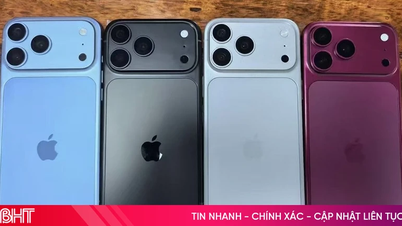
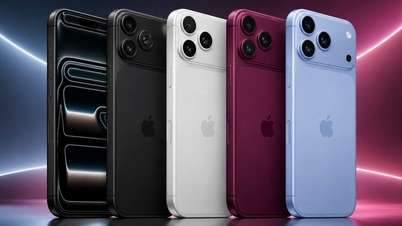
Besides the ultra-slim design, all three high-end iPhone models feature a new design. The camera module is a strip that extends almost the entire width of the phone, instead of the square module of the past. The back panel has a two-tone design instead of a single color, creating a clear distinction from previous generations.
The basic iPhone 17 is equipped with a 120Hz ProMotion display – a technology previously reserved only for the Pro series. This upgrade alone is considered enough to make the iPhone 17 a very worthwhile smartphone to buy for users of older iPhone models.
The most significant upgrade on the iPhone 17 Pro and Pro Max is the camera system. The telephoto camera's focal length has increased from 5x to 8x (equivalent to 200mm), with a resolution that has skyrocketed from 12MP to 48MP. This promises to deliver superior image quality.
Is Apple falling behind?
In 2007, when the first iPhone was announced, Nokia held nearly 50% of the global smartphone market share. However, the Finnish phone manufacturer was complacent and failed to adapt to the smartphone trend initiated by Apple.
As a result, Nokia continuously lost market share. By the end of 2013, Nokia's smartphone market share was below 3%, and its overall market share was only 10-15%, mainly thanks to its low-cost basic smartphones. Today, the once-giant has almost disappeared from the market.
The intense and irreversible wave of AI has led many to worry that history will repeat itself for Apple. Apple's current position has many similarities to Nokia's in the past: both are market leaders with large, loyal customer bases, but are lagging behind in the new technological revolution.
The answer remains complex because this is a long-term story. Currently, AI is not the deciding factor in consumers buying new smartphones.
According to a 2025 CNET survey, only 11% of US smartphone users upgraded solely because of AI. This explains why iPhone 16 sales still increased by 13% year-on-year, even showing a slight increase in China after a period of declining market share.
However, in the long run, AI is an irreversible trend, and Apple is compelled to catch up. Analysts from Bank of America, Goldman Sachs, and Citi are all concerned about Apple falling behind in the AI race, according to Investopedia.
The market also reflected this concern, with Apple shares falling more than 1% in trading on September 9, while other major tech companies rose.
Furthermore, the departure of many of Apple's top AI researchers to Meta and other competitors has raised concerns about competitiveness.
Apple could still reverse the situation in 2026, as promised at WWDC 2025 in June. For now, those interested will have to wait until 2026 to see the groundbreaking changes that Apple has promised.
Worrying AI vulnerabilities
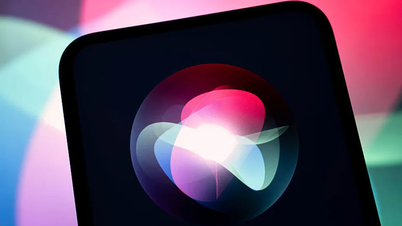
Despite the flashy upgrades, Apple couldn't hide a major flaw: the absence of AI. Apple Intelligence was only mentioned 11 times throughout the 75-minute event.
Most of the discussions were brief mentions of features announced at WWDC 2024 and WWDC 2025. The new AI-powered Siri virtual assistant and other groundbreaking features were not mentioned.
This absence comes as Android rivals are aggressively racing to develop AI technology. Google recently launched the Pixel 10 with deeply integrated Gemini AI. Samsung has Galaxy AI with numerous intelligent features.
Meanwhile, Apple Intelligence still only offers the most basic features – things that have been available on other platforms for several years now.
Source: https://tuoitre.vn/bong-ma-nokia-co-deo-bam-apple-2025091108284043.htm





![[Photo] General Secretary and President To Lam and the President of the Philippines hold talks.](https://vphoto.vietnam.vn/thumb/1200x675/vietnam/resource/IMAGE/2026/06/01/1780286997787_anh-man-hinh-2026-06-01-luc-11-09-43.png)



























































































Comment (0)